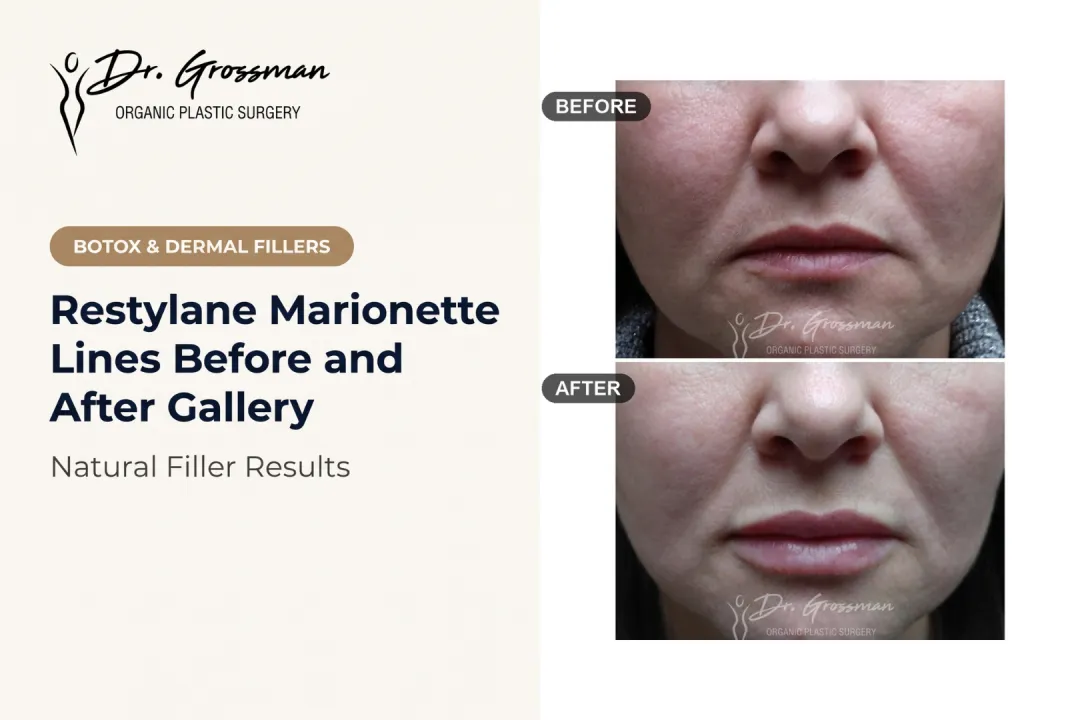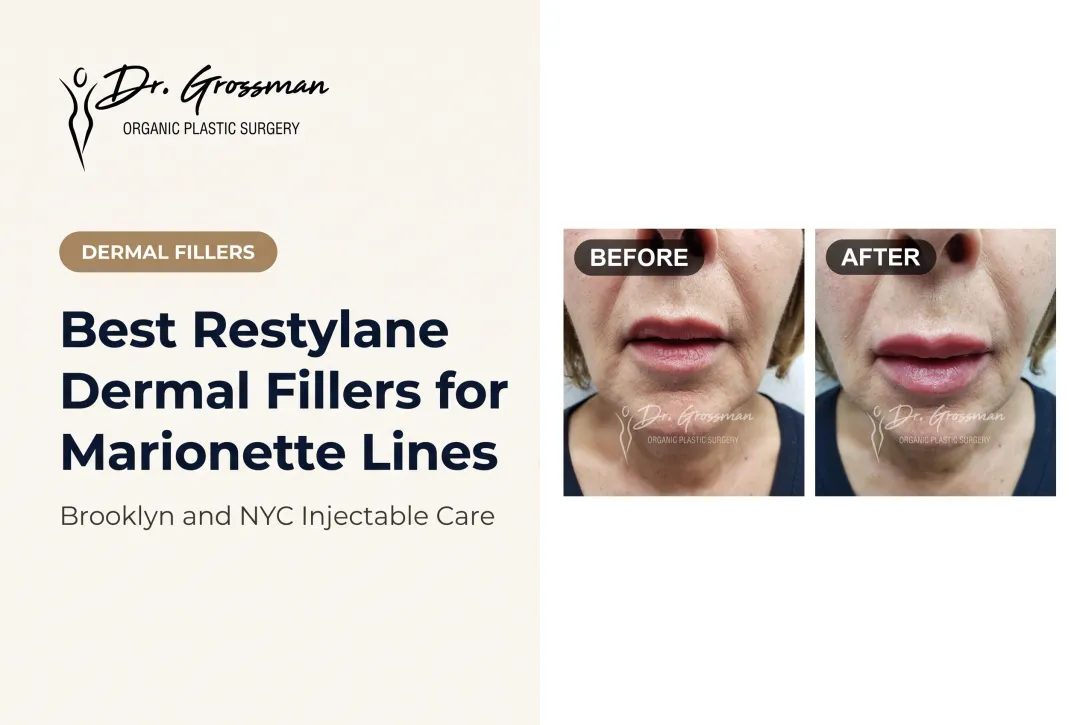

But photos can mislead as easily as they inform. Lighting, angle, swelling, and timing all change what you see. In the FDA cheek study, 98% of participants had at least one local reaction after treatment, so an early "after" photo may not show the final result.
This guide explains how to read a gallery responsibly, what to expect from treatment, and how to prepare for a consultation.
Key Takeaways
- Voluma photos show changes in cheek fullness and midface contour, but never guarantee your outcome.
- The best galleries use matching angles, lighting, expressions, and distances.
- Captions should state when each after photo was taken, since early swelling distorts results.
- Only an exam can tell you whether Voluma, another filler, or your own fat fits your goals.
Voluma Before and After Photo Gallery
A trustworthy gallery contains real patient results, backed by documented treatment details and written patient consent. If a practice can't tell you who the images belong to (in general terms) or when they were taken, treat them with caution.
What a well-built gallery includes
- Labeled patient sets with front, left three-quarter, right three-quarter, and profile views when available
- Captions naming the treatment area, the concern addressed, the timing of the after photo, and any additional treatments, only when confirmed
- Descriptive alt text, such as "before and after cheek filler images showing increased midface volume and cheek contour," without promising a result
- A visible disclaimer that results vary
That disclaimer matters, but it has limits. The FTC's endorsement guidance says a specific-results testimonial can imply typical results, and a bare "results may vary" line doesn't fix that. At Dr. Leonard Grossman's practice, the before-and-after photos reviewed at consultation show cheek treatments he actually performs, such as fat transfer to the cheeks, so you see the method you would actually receive rather than generic product photos.
A strong gallery also shows a range of outcomes. Photography, lighting, expression, makeup, weight changes, and other treatments all affect how a transformation looks.
Gallery Image Standards
Comparison only works when the two photos are taken the same way. Clinical photography guidelines call for a consistent approach:
- Same background, camera distance, and soft, diffuse lighting
- Matching head position, neutral expression, and direct gaze
- Standard views: frontal, both oblique angles, and both profiles
- Consistent framing and cropping
Unedited images only
Filters, retouching, and morphing have no place in patient education. Peer-reviewed photo standards advise against them, though ordinary brightness or contrast correction is acceptable. If a photo looks unusually smooth or glowing, ask whether it was edited.

Dates and privacy
Good captions include the treatment date or time elapsed when documented. They leave out names and identifying details unless the patient has specifically authorized disclosure.
How to Interpret Voluma Before and After Photos
What changes you may see
Voluma is a hyaluronic acid filler designed for deeper structural support. Per FDA labeling, it is indicated for cheek augmentation and for correcting age-related midface volume deficit in adults over 21. In photos, look for:
- Restored cheek volume
- More defined cheekbones
- Improved midface contour
- Better overall facial balance
Voluma is not meant to smooth every line or create a different face. It adds support and projection in the cheek. Dr. Grossman has long argued that faces age mainly by losing volume, not by sagging, so restoring the cheek often refreshes the whole face.
Nearby areas
Sometimes the under-eye shadow or nasolabial fold looks better after cheek treatment. In the pivotal study, participants reported improved satisfaction with both areas. Those were secondary, patient-reported outcomes, so they don't prove those areas were injected and aren't guaranteed.
Look at the whole face
Don't fixate on one crease. Instead, check:
- Symmetry between the left and right sides
- Front and profile views together
- How the cheek transitions into the surrounding face
- Whether the result looks proportionate
What realistic results look like
A good result looks refreshed, balanced, and appropriately proportioned: you, just younger, without an overfilled look. More projection is not automatically better. A strong gallery shows different patients with different treatment plans, because filler amounts vary with anatomy and goals.
In the published study, two pictured cases received 6.3 mL and 8.9 mL, which illustrates the spread, not a benchmark.
What to Expect Before, During, and After Voluma
The consultation
Your injector reviews your goals, facial proportions, medical history, previous fillers, allergies, medications, and suitability. Product choice, depth, placement, and amount follow your anatomy. There is no fixed syringe plan. Patients asking Dr. Grossman about Voluma can discuss the cheek fillers his practice uses, including Restylane Lyft, Juvederm, Radiesse, and Sculptra, as well as fat transfer to the cheeks.
The appointment
- The skin is cleansed.
- Comfort measures are discussed.
- Treatment areas may be marked.
- Filler is placed with a needle or cannula, depending on the provider's technique. At Dr. Grossman's practice, cheek filler is usually completed within minutes and recovery is light: most patients return to their normal routine the same day. Cheek filler is placed with a fine needle, with no incisions or stitches.

Immediate versus settled results
Swelling, tenderness, redness, or bruising can temporarily change how you look. In the FDA cheek study, common local responses included:
- Tenderness in 92% of participants
- Swelling in 86%
- Bruising in 78%
Those responses generally lasted 2 to 4 weeks, and most were moderate.
The study also offered an optional touch-up at about one month, and 82% received one. Judge your result only after the review period your provider recommends.
Aftercare and safety
The FDA patient information advises limiting strenuous exercise and extensive sun or heat exposure for the first 24 hours. An ice pack may help with swelling. Follow your provider's personalized instructions over any generic list.
Serious complications are rare but real. Injection into a blood vessel can cause tissue damage, and vision problems have been reported. Seek immediate care for unusual pain, vision changes, or white, gray, or blue skin.
Understanding Longevity and Maintenance
The FDA patient information says cheek results lasted up to 2 years in a majority of patients, and repeat injections may be needed. At 24 months in the pivotal study, 79.0% of participants still rated their cheek volume improved or much improved.
Those are study figures, not promises. Individual duration varies, and you should confirm expectations with your provider and the official product labeling.
Maintenance is personal. Some patients schedule a follow-up assessment or refinement. Others wait until more volume has naturally faded. Patients tired of repeat filler visits sometimes choose fat transfer instead: Dr. Grossman has used patients' own fat for cheek volume since 1993, enhanced with their stem cells, and prefers it to cheek implants. It is the core of his Organic Plastic Surgery approach.
Choosing a Provider and Taking the Next Step
Cheek filler involves facial anatomy that demands skill. Look for:
- Strong anatomical knowledge and conservative planning
- Sterile technique and emergency preparedness
- A clear consent process
The FDA advises that fillers be given by a licensed provider with training and experience. Ask your injector to show that they completed two to three years of plastic surgery training at an accredited residency program, and that treatment takes place in an accredited facility. Never buy filler online, since products may be counterfeit or unapproved.
Questions to ask
- Who will inject the product?
- Which filler do you recommend, and why?
- How will we assess the result?
- What risks apply to me?
- Do you have comparable before-and-after images?
- What follow-up care is available?
If you're researching Voluma and want an expert opinion on restoring cheek volume, you can meet with Dr. Leonard Grossman, a Brooklyn, NYC plastic surgeon with more than 30 years of experience, at his fully accredited (AAAHC) surgery center at 3039 Emmons Avenue in Brooklyn. He will explain which of the cheek fillers he uses, or fat transfer, fits your face. Call 212-585-2133 to schedule a consultation.

Frequently Asked Questions
How much does one syringe of Voluma cost?
Cheek filler fees vary significantly by location and by patient, because the injector, the amount of product your cheeks need, and the overall treatment plan all differ. Request pricing at a consultation rather than relying on a generic figure; Dr. Grossman quotes each cheek plan individually, and financing options are available.
How long does it take for cheek fillers to settle?
Early swelling and tenderness can temporarily alter your appearance. Follow your injector's guidance on when to assess the settled result.
How long does Voluma last on cheeks?
Official patient information says up to 2 years in a majority of patients, but duration varies. Confirm what to expect with your provider.
Is Voluma a good cheek filler?
It can suit patients seeking structural cheek volume or projection. Candidacy depends on your anatomy, goals, medical history, and the provider's assessment. Fillers such as Restylane Lyft, Radiesse, or Sculptra, or your own fat, can serve the same goal.
Which is better, Voluma or Juvéderm?
Voluma is a Juvéderm product. The best filler depends on the treatment area, desired firmness, projection, movement, and your anatomy. Dr. Grossman chooses among the cheek fillers he uses, or your own fat, after examining you.
Is Voluma an under eye filler?
No. Voluma XC's U.S. indications don't include the under-eye area. Under-eye treatment needs a separate anatomical assessment, and a different product, Volbella XC, carries that indication.