Skip to content
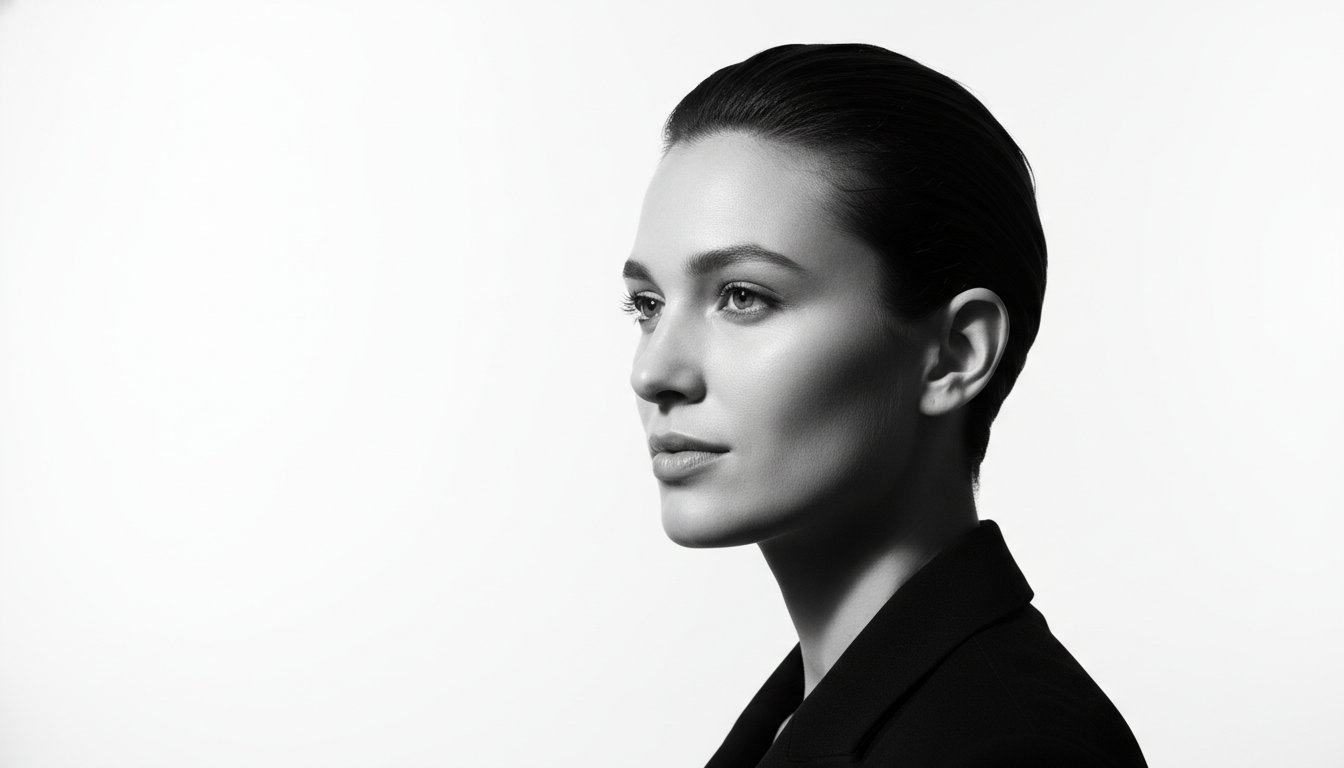
What if the key to unlocking your personal confidence isn’t about a radical transformation, but rather supporting the innate symmetry of your face? For many, prominent or asymmetrical ears are a source of quiet social anxiety, leading to years of hiding behind certain hairstyles or avoiding the camera. You might worry that seeking a change will result in an artificial, “pinned-back” appearance that feels disconnected from your true self. It’s a common concern, and it’s one we deeply respect as we look at the body as a whole, interconnected system.
In this guide, you’ll discover how modern otoplasty has evolved in 2026 to bridge the gap between clinical excellence and compassionate, integrative care. We promise to show you how a subtle, precise adjustment can restore facial harmony while honoring your unique vitality. We’ll explore the latest cartilage-sparing techniques, the high 92% patient satisfaction rate reported by recent studies, and the specific ways you can support your body’s natural healing intelligence for a swift, gentle recovery.
Key Takeaways
- Learn how addressing the unique memory of ear cartilage allows for a refined appearance that looks entirely natural rather than surgically altered.
- Explore the differences between ear pinning and ear reduction to determine which otoplasty approach best harmonizes with your facial proportions.
- Discover how prioritizing whole-body wellness and targeted pre-operative nutrition can support your body’s natural healing intelligence during recovery.
- Understand the importance of a humanistic surgical philosophy that favors subtle, artistic adjustments over aggressive results.
- Find out how a collaborative consultation process empowers you to replace social anxiety with a renewed sense of personal agency and confidence.
Understanding Otoplasty: More Than Just Cosmetic Ear Reshaping
In our practice, we often speak about the profound connection between how we see the world and how the world sees us. While much of our focus rests on ocular health, the surrounding features play a vital role in our overall sense of vitality and self-assurance. Otoplasty is a specialized procedure designed to refine the external structure of the ear, bringing it into a more natural alignment with the rest of the face. It’s about balance. This process isn’t merely about changing a physical trait; it’s about supporting the body’s natural symmetry to foster a more harmonious reflection in the mirror.
The Psychological Impact of Ear Symmetry
Otoplasty in 2026: Modern Techniques and Philosophy
The surgical approaches of the past often prioritized dramatic change over natural aesthetics, frequently resulting in an over-corrected, “pinned-back” look that felt artificial. In 2026, the philosophy has shifted toward a more nurturing, artistic methodology. Modern techniques emphasize soft, natural contours and strategic placement of incisions to ensure scarring remains invisible. We prioritize the preservation of the ear’s delicate anatomy, ensuring that the results look born, not made. Otoplasty is a blend of surgical precision and aesthetic artistry. This gentle approach respects the body’s integrity while achieving a look that feels authentic to your unique identity.
The Integrative Approach to Ear Surgery: Anatomy and Artistry
To understand how we achieve facial harmony, we must first look at the ear as a delicate landscape of ridges and valleys. The ear’s structure is defined by three primary landmarks: the helix (the outer rim), the antihelical fold (the Y-shaped inner curve), and the conchal bowl (the deep center near the ear canal). When these elements aren’t in balance, the ear can appear prominent or misshapen. Modern otoplasty isn’t about forcing the ear into a new position; it’s about gently guiding these anatomical features into a more rhythmic alignment with the rest of the face.
One of the most significant challenges in ear surgery is the natural “memory” of cartilage. Cartilage is a resilient, living tissue that often tries to return to its original shape. To overcome this, we utilize internal, permanent sutures that act as a supportive framework for the new structure. These sutures don’t just “pin” the ear back; they redistribute tension to allow for a graceful, lasting correction. By understanding these detailed otoplasty procedures, we can work with your body’s natural intelligence to ensure the results feel like a true part of you.
A critical component of this artistry is the auriculocephalic angle. This is the measurement of the space between the ear and the side of the head. In a balanced profile, this angle typically rests between 20 and 30 degrees. If the angle is too wide, the ears may seem to “fan” out. If it’s too narrow, the result looks “pinned” and artificial. Our goal is to find the precise measurement that complements your unique facial structure, supporting a look of effortless vitality. If you’re ready to see how these subtle shifts can enhance your profile, exploring the possibilities of otoplasty is a proactive step toward self-confidence.
Reshaping the Antihelical Fold
The antihelical fold is responsible for the ear’s gentle, inward curve. When this fold is flat or absent, the upper portion of the ear tends to protrude. We use precise suturing techniques to recreate this fold, ensuring the curve looks soft and natural. It’s vital that the helix remains visible from a front-facing view. This preservation of the ear’s rim prevents a “flat” appearance and maintains the sophisticated contours that define a healthy, balanced ear.
Addressing the Conchal Bowl
The conchal bowl is the cup-like part of the ear that directs sound into the canal. If this area has excess cartilage, it can push the entire ear away from the head, regardless of the fold’s shape. We address this by subtly repositioning the bowl or, in some cases, removing a small amount of tissue. This is a delicate process. We must maintain the ear’s structural integrity while ensuring the reduction doesn’t interfere with hearing or the ear’s vital functions.
Identifying the Right Path: Types of Ear Corrections
Choosing to refine your features is a personal journey that requires a nuanced understanding of your anatomical needs. Just as no two faces are identical, the path toward ear harmony varies for every individual. While some seek to bring protruding ears closer to the head, others may need to address issues of scale or previous surgical outcomes. By identifying the specific challenge, we can tailor an otoplasty plan that supports your body’s natural structure while enhancing your overall vitality. It’s about finding the right rhythm for your unique features.
- Ear Pinning (Otopexy): This is the most frequently requested correction. It focuses on repositioning ears that protrude significantly from the sides of the head. By creating or deepening the antihelical fold, we can achieve a more balanced profile that feels natural and unforced.
- Ear Reduction (Macrotia): Sometimes, the ears are well-positioned but simply disproportionate to the rest of the face. Macrotia reduction involves resizing the ear to better fit the facial frame, ensuring that no single feature dominates your appearance.
- Earlobe Rejuvenation: Aging, gravity, and even the weight of heavy jewelry can cause earlobes to stretch or tear. This delicate procedure restores the lobes’ youthful shape and volume, often serving as a subtle but impactful part of a broader facial rejuvenation strategy.
- Revision Otoplasty: If you’ve had a previous surgery that left you with an artificial “pinned” look or uneven results, a revision can help. We approach these cases with extra care, focusing on softening the contours and restoring a more humanistic, gentle appearance.
Correcting Congenital and Acquired Deformities
Beyond standard reshaping, we often address specific structural variations like “Stahl’s ear,” characterized by a pointed rim, or “Lop ear,” where the top of the ear folds downward. These conditions, along with acquired deformities from sports injuries or trauma, can be corrected to restore both form and function. For those looking at the entire facial landscape, combining ear refinement with integrative rhinoplasty nyc can create a profound sense of total facial balance, ensuring every feature supports your unique aesthetic. This holistic view ensures that your results don’t just look better; they feel more aligned with your whole self.
Are You a Candidate for Otoplasty?
Determining if you’re ready for this step involves more than just a physical assessment. While stable cartilage and good general health are essential, your mindset plays a vital role. We look for patients who approach their care with a positive outlook and realistic goals for their transformation. You’ll find that adults are increasingly seeking otoplasty in 2026 as a way to refresh their appearance and boost self-esteem. They aren’t just looking to change a feature; they’re looking to align their outward self with their inner vitality. It’s a proactive choice for long-term confidence and a refreshed sense of agency.

Navigating the Otoplasty Journey: Preparation and Recovery
Your journey toward facial harmony begins long before you enter the surgical suite. We view the initial consultation as a vital, collaborative dialogue designed to demystify every step of the otoplasty process. This is your time to share your aesthetic goals and for us to map out a path that respects your unique anatomy. By understanding the “why” behind every recommendation, you replace uncertainty with a sense of agency and calm. It’s a process of mutual trust, where your vision and our clinical expertise meet.
Preparation for Optimal Healing
To nourish your body’s natural healing intelligence, we focus on optimizing bioavailability through specific nutrition. Increasing your intake of Vitamin C and Zinc in the weeks prior to surgery supports the structural integrity of new tissue and collagen. Equally important is the temporary removal of certain supplements like Vitamin E, garlic, or ginger, which can thin the blood and complicate the recovery process. Mental preparation is a cornerstone of our integrative approach. We encourage you to spend time visualizing your balanced results, allowing your mind to align with the physical transformation ahead.
The Recovery Timeline: A Methodical Approach
The first 48 hours are dedicated to protection. You’ll wear a soft, protective headband to support the new ear position and manage initial swelling. While discomfort is typically highest during these first three days, most patients find they can manage it easily with gentle, methodical care. By days three through seven, you’ll likely transition to a lighter headband worn primarily at night. This phase is about patience, allowing the tissues to settle without the pressure of daily stressors.
Most individuals feel ready to return to work or school within 5 to 7 days, though the full settling of contours takes between 4 and 6 weeks. This methodical approach ensures that your otoplasty results are as durable as they are beautiful. During this time, it’s essential to avoid strenuous exercise to protect the delicate internal sutures from unnecessary strain. For more detailed advice on ensuring your safety throughout this process, you may find our buying guide for elite surgeons helpful. If you’re ready to begin your own transformation, we invite you to schedule a personalized consultation to discuss how we can support your goals.
Restoring Confidence through Expert Ear Surgery
Choosing the right practitioner is the most significant decision you’ll make on this journey toward facial harmony. You aren’t just looking for a technician; you’re seeking an artist who understands the delicate balance of the human form. A successful otoplasty should never look like a surgery. Instead, it should look like a natural refinement that has always been part of your identity. We prioritize results that are subtle, graceful, and entirely authentic to you. This commitment to “natural” over “surgical” ensures that your transformation feels like a restoration of your true self.
Dr. Leonard Grossman brings decades of experience to every procedure, moving away from the detached style of traditional medicine toward a warm, mentor-like approach. This humanistic philosophy ensures that your care is as much about your emotional well-being as it is about physical alignment. We also look at how your features interact as a whole. For instance, there’s often a profound synergy between ear refinement and chin augmentation. When these features are balanced together, the entire facial profile achieves a new level of rhythmic vitality. These results are designed for longevity, providing an enduring foundation for your self-esteem and whole-body health.
The Art of the Consultation
We believe every aesthetic plan must be bespoke to the individual. During your consultation, we move beyond “standard” procedures to explore a multifaceted approach to your rejuvenation. We might discuss how fat grafting to the face can nourish and support your skin’s volume, working in tandem with otoplasty to create a total sense of wellness. Understanding the cause and effect of how one adjustment impacts the rest of your features is vital for success. This thoroughness ensures that every choice we make supports your body’s natural healing intelligence and your long-term aesthetic goals.
Your Next Steps Toward Facial Balance
Moving from curiosity to an empowered decision is a process of education and trust. When you choose a seasoned, patient-centered practitioner, you gain the peace of mind that comes from knowing your vitality is the top priority. We’re here to guide you through the science and the artistry of ear surgery, replacing any lingering anxiety with a sense of hope and agency. If you’re ready to see how a more balanced profile can enhance your quality of life, the path is clear. Schedule your integrative consultation with Dr. Leonard Grossman today.
Embracing Your Most Confident Self
Refining the delicate structure of your ears is a profound step toward achieving lasting facial balance and reclaiming your social confidence. We’ve explored how modern otoplasty has shifted away from aggressive corrections toward a nurturing, artistic methodology that respects your unique anatomy. By prioritizing integrative health practices, such as optimized nutrition and mindful preparation, you support your body’s natural healing intelligence for a smooth, gentle recovery.
When you choose to partner with Dr. Grossman, you’re benefiting from over 25 years of pioneering experience in integrative cosmetic surgery. Our board-certified expertise is delivered with a compassionate, mentor-like approach, ensuring your results look entirely natural and never overdone. This dedication to non-adversarial care provides the foundation for a transformation that feels authentic to your true self. If you’re ready to align your features with your inner vitality, we’re here to guide you every step of the way. Begin your journey to facial harmony with Dr. Grossman today and discover the peace of mind that comes with expert, patient-centered care.
Frequently Asked Questions
Is otoplasty a permanent solution for protruding ears?
Otoplasty results are designed to be permanent. Because the procedure involves reshaping the underlying cartilage and securing it with internal sutures, the ears maintain their new position long after the healing process is complete. While the body continues to age naturally, the structural changes made during surgery don’t “wear off.” This longevity offers a sense of lasting agency over your appearance and emotional well-being.
What is the ideal age for a child or teenager to have ear surgery?
Most practitioners recommend waiting until a child is at least five or six years old. By this age, the ear has reached approximately 90 percent of its adult size, and the cartilage is stable enough for reshaping. While our practice focuses on adult rejuvenation and restorative care, this milestone is a standard benchmark in the field. It’s a time when the body is resilient and the patient can begin to participate in their own recovery journey.
Will otoplasty surgery affect my hearing or inner ear function?
No, the procedure doesn’t impact your hearing or inner ear function. Ear surgery focuses exclusively on the pinna, which is the external, visible portion of the ear. The surgical techniques we use are designed to refine the cartilage and skin without entering the ear canal or affecting the delicate mechanics of the middle and inner ear. Your auditory health remains protected while we support your facial symmetry.
How visible are the scars after an ear reshaping procedure?
Scars are typically very discreet and well-hidden. Most incisions are placed within the natural crease behind the ear, where the ear meets the head. As your body’s natural healing intelligence takes over, these marks fade significantly over time, becoming nearly invisible to the casual observer. We also provide guidance on post-operative skin nourishment to support optimal bioavailability and minimize any long-term evidence of the procedure.
Can otoplasty be combined with other facial procedures like a facelift?
Yes, it’s quite common to combine ear surgery with other procedures like a facelift or rhinoplasty. This integrative approach allows for a comprehensive refinement of the facial frame, ensuring all features work in harmony. Addressing multiple areas in a single surgical session can also streamline your recovery time. It allows the body to focus its healing energy on a unified transformation rather than separate, staggered events.
What happens if I am not satisfied with my initial otoplasty results?
If you aren’t satisfied with your results, revision otoplasty is a viable path forward. Sometimes the cartilage has a strong “memory” and requires a secondary adjustment to achieve the desired contour. We approach revisions with a gentle, humanistic perspective, focusing on softening artificial lines and restoring a more natural look. It’s about fine-tuning the balance until it feels like a true reflection of your inner vitality.
How long do I need to wear a headband after ear surgery?
You’ll typically wear a protective headband full-time for the first three to five days. After this initial period, most patients transition to wearing the headband only at night for an additional three to four weeks. This nighttime support is crucial because it protects the ears from being accidentally folded or pulled while you sleep. It ensures the internal sutures remain undisturbed while the cartilage settles into its new, harmonious shape.
Is the procedure performed under general or local anesthesia?
For adults, the procedure is often performed under local anesthesia with intravenous sedation. This combination ensures you remain comfortable and pain-free while avoiding the longer recovery times associated with general anesthesia. Younger patients or those with specific health needs may require general anesthesia to ensure their safety and comfort. We always tailor the anesthetic approach to your unique physiological requirements and overall whole-body health.