Skip to content

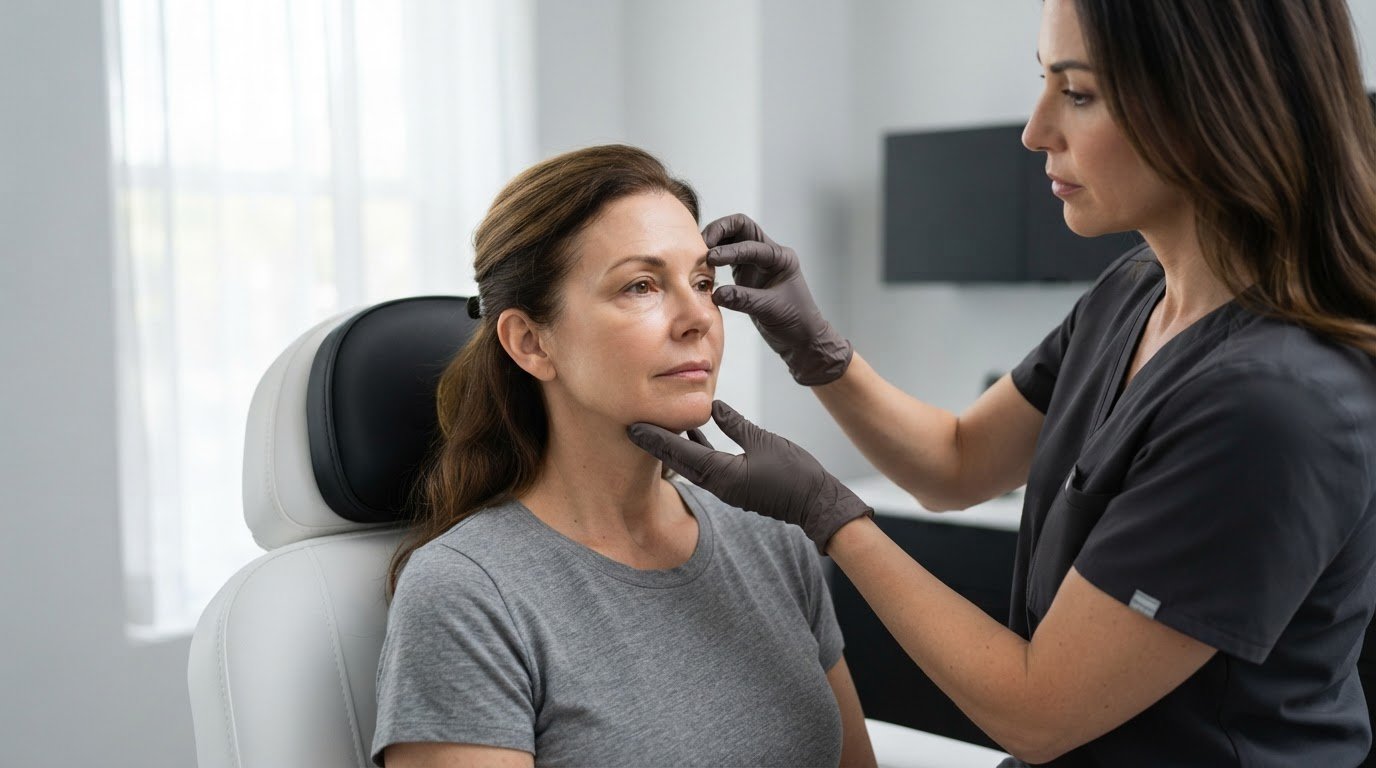
A droopy nose tip isn’t always just a cosmetic concern, and the right approach depends on what’s causing it. How to fix a droopy nose tip may involve rhinoplasty to improve tip support, temporary filler for mild drooping, or Botox when the tip dips only while smiling. Severe drooping can also contribute to nasal airway obstruction and breathing concerns.
You may notice a downward-pointing tip early in life, while age-related changes in support can make it more apparent around age 40. It’s understandable to wonder whether the change is simply part of your appearance or could affect how you breathe.
This guide explains what a droopy nasal tip is, how age can influence its support, and how the main treatment options differ. You’ll also learn when breathing symptoms may matter and how rhinoplasty may fit when structural support or tip position is the concern, so you can better understand the choices involved.
Key Takeaways
- Learn how changes in the structures supporting the nasal tip can affect its position and why the pattern of drooping matters.
- Understand how a downward-pointing tip may relate to airflow, and which breathing changes deserve attention.
- See why treatment decisions depend on the cause, severity, and whether the tip changes position with facial movement.
- Explore how different approaches vary in their purpose and what factors shape a treatment plan.
Age-related changes in nasal tip support
Nasal tip position can change gradually as its supporting tissues change with age. Age-related drooping may become noticeable around age 40, though the timing differs from person to person. A downward angle can affect the profile even when the bridge looks unchanged. Compare a side-view photograph with a recent image to notice whether the tip’s position has shifted.
Age isn’t the only influence. Nasal tip drooping can be noticeable as early as the teenage years, so a low tip doesn’t automatically indicate an age-related change. A tip that has looked similar for years differs from one that has become progressively lower. Compare older photographs, and note whether the change appears at rest or mainly when you smile.
The pattern of support and movement matters. The nasal tip is a structural part of the nose, and changes in its support can alter its resting angle. A tip that descends during facial expression raises different questions from one that stays low throughout the day. If it droops only when you smile, Botox may be an option to discuss. Assessment depends on the visible change, not age alone.
After nasal tip surgery, swelling is part of the healing process and subsides gradually. How long it lasts depends on the extent of surgery and individual healing.
Breathing concerns associated with severe tip drooping
A severely drooping nasal tip may obstruct the nasal airway and contribute to breathing difficulty. So a concern that appears cosmetic may also affect airflow. The visible angle alone can’t show whether breathing is affected. Notice whether nasal breathing feels different during ordinary activities, such as walking or sleeping.
If you notice persistent or worsening difficulty breathing through your nose, seek medical assessment. Describe when it occurs, whether it affects one or both sides, and whether it changes during activity or sleep. These details help distinguish an appearance concern from a breathing complaint that needs evaluation.
Consider the pattern, not just the profile. A low tip that looks unchanged in photographs may mean something different from a tip that has become more pronounced alongside new nasal blockage. Note when the breathing change began and whether it is constant or comes and goes. Don’t assume the tip is the only possible cause of nasal obstruction.
- Appearance only: The tip looks low, but nasal breathing feels unchanged.
- Breathing concern: Nasal airflow feels restricted, including during routine activities or sleep.
- Changing pattern: Both the tip’s position and breathing have changed over time.
These observations don’t diagnose the cause. They give a doctor a clearer account of the concern and its effect on daily life. A facial filler may be considered for mild cosmetic drooping, but changing appearance isn’t the same as addressing an obstructed airway. Learn about facial filler options for appearance-focused concerns, while breathing symptoms call for medical evaluation.
Assessment should consider both tip position and breathing concerns. If breathing feels restricted, describe the situations that bring it on, such as lying down or walking. A cosmetic change and a breathing problem may need different approaches, so don’t assume that a treatment aimed at appearance will resolve airway obstruction.
Injectable fillers can produce immediate results with a short recovery time when used for appearance-focused concerns. This does not mean they address restricted airflow. Breathing symptoms still warrant evaluation focused on the airway.

What is Droopy Nose Tip?
A droopy nasal tip points downward at rest or lowers with facial movement. Understanding how to fix a droopy nose tip begins with identifying when the change appears and what outcome matters to you. For example, a downward angle visible in a side-view photograph differs from a tip that dips only during a smile.
The tip’s appearance depends on how it relates to nearby features, including the nasal bridge and upper lip. A downward angle can make the nose look longer in profile, even if the bridge hasn’t changed. Compare your relaxed and smiling expressions to describe the pattern.
- At rest: The tip points downward in a relaxed side view.
- With expression: The tip lowers during a smile or another facial movement.
- Alongside other changes: The bridge, overall shape, or airflow may also be part of the concern.
Appearance alone doesn’t reveal the cause. Note whether the tip stays in the same position, changes with expression, or appears alongside breathing difficulty. This description helps clarify whether your main goal is an appearance change, better structural support, or attention to airflow.
If you’re considering how to fix a droopy nose tip, the options depend on your anatomy and the change you want. Hyaluronic acid filler may offer a temporary, nonsurgical option for mild concerns. It doesn’t create the same structural change as rhinoplasty, so consider what each approach is intended to address.
If you’re exploring an appearance-focused option, explore facial filler options. Think about whether the tip concerns you at rest, during smiling, or alongside breathing changes; those details can help guide the next conversation.
Definition and effects of a droopy nasal tip
A droopy nasal tip points downward at rest or lowers with facial movement. The change may be subtle, such as a downward angle in a side-view photograph, or more noticeable across expressions. Compare the tip at rest and while smiling to describe its pattern rather than relying on one photograph.
The tip’s appearance depends on how it relates to nearby features, including the nasal bridge and upper lip. A downward angle can make the nose look longer in profile, even if the bridge hasn’t changed. A tip that moves mainly during a smile presents a different concern from one that remains low when the face is relaxed.
- At rest: The tip points downward in a relaxed side view.
- With expression: The tip lowers during a smile or another facial movement.
- Alongside other changes: The bridge, overall shape, or airflow may also be part of the concern.
A visible feature doesn’t explain its cause by itself. Note whether the tip stays in the same position, changes with expression, or appears alongside breathing difficulty. This description helps clarify whether your main goal is an appearance change, better structural support, or attention to airflow.
For a mild appearance concern, hyaluronic acid filler may offer a temporary, nonsurgical option. It doesn’t create the same structural change as rhinoplasty. The right approach depends on the tip’s anatomy and the change you want. A treatment discussion can compare your goal with what each option is designed to address.
If a drooping tip concerns you, explore facial filler options for appearance-focused treatment. Consider whether your concern is present at rest, appears during smiling, or involves breathing; those details help frame the next discussion.
Surgical rhinoplasty is described as providing the most dramatic and long-lasting results for correcting a droopy nasal tip. It may be relevant when the desired change calls for more than a temporary appearance-focused option. The discussion can focus on the result being considered and whether the concern is mainly the tip’s appearance, its movement with expression, or airflow, so expectations and treatment goals are addressed together.
Dr. Leonard Grossman
Dr. Leonard Grossman can be a next step for readers considering facial aesthetic care and wanting to discuss their goals. A clear conversation can distinguish a concern about the nose tip’s position from broader goals involving facial balance, and help you understand which questions to raise about possible approaches. Dr. Leonard Grossman offers Fat Grafting to the Face as part of his aesthetic practice; this procedure addresses facial volume rather than nasal tip support.
Before a consultation, describe what concerns you, such as a tip that appears lower at rest or changes with expression. If breathing is affected, make that clear: appearance-focused options and breathing concerns are different issues. Contact Dr. Leonard Grossman to discuss your facial aesthetic goals.
Choose a Next Step That Fits Your Goals
Before deciding how to fix a droopy nose tip, clarify what you want to change and whether breathing is part of the concern. This distinction helps focus the conversation on appearance, nasal function, or both. If breathing feels restricted, make it central to the discussion rather than treating the issue as cosmetic alone.
For people considering a surgical change, Dr. Leonard Grossman offers rhinoplasty. A discussion can connect your goals with the structural changes you’re considering and clarify which questions matter for your situation. No single approach suits every concern, so understanding the purpose and limits of each option is a useful first step.
If you’re ready to discuss your goals, contact Dr. Leonard Grossman. You can take the next step at your own pace, with a clearer sense of what you want to address.
Frequently Asked Questions
What causes a droopy nose tip?
A droopy tip can reflect natural nasal structure, changes in support over time, or movement during facial expressions. One person’s tip may point downward at rest, while another’s appears lower only when smiling. Distinguishing a steady position from expression-related movement helps describe the concern and identify what an assessment should focus on.
How can a surgeon correct a droopy nasal tip?
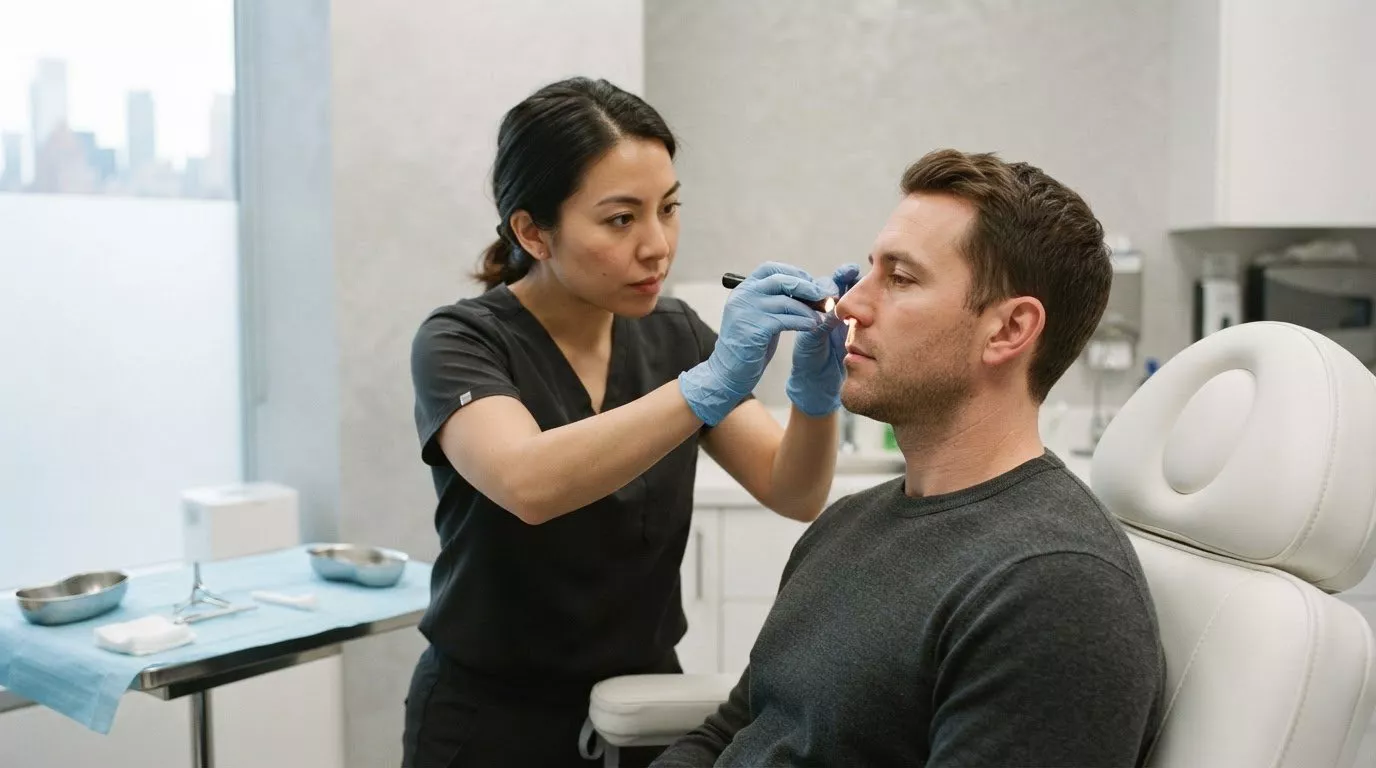
Rhinoplasty can adjust nasal tip support and rotation, with the plan shaped by the tip’s position and your desired change. A discussion can clarify whether you want a subtle lift, a change visible in profile, or an adjustment to more than the tip alone. Share which view or expression concerns you most, and whether breathing is also affected.
Can Botox lift a droopy nose tip, and how long do results last?
Botox may be an option to discuss when the tip dips only while smiling. The material does not provide a duration for its results.