Skip to content

What if the secret to a successful facial rejuvenation isn’t just the skill of the surgeon, but how well you “nest” your own living cells in the weeks following your procedure? Most patients approach the facial fat transfer recovery timeline with a mix of excitement and trepidation, worrying about initial swelling or whether those precious fat cells will truly “take” in their new home. It’s completely natural to feel a bit anxious about managing two healing sites while waiting for your features to settle into a soft, youthful harmony.
We are here to replace that uncertainty with a sense of empowerment. This guide demystifies the biological stages of your recovery, offering a clear roadmap that balances clinical expectations with integrative care strategies. You’ll learn exactly when you can confidently return to your social calendar and how to nourish your body’s natural healing intelligence. By understanding how to support these living grafts, you can ensure your final results reflect the vibrant, lasting vitality you deserve.
Key Takeaways
- Understand that fat grafting is a living biological process where your body must reconnect blood vessels to the new cells to ensure long-term survival.
- Navigate the facial fat transfer recovery timeline with confidence by knowing that initial swelling peaks at 72 hours before gradually revealing your natural contours.
- Learn when you can comfortably return to social activities, which usually occurs between days 4 and 14 as the most visible inflammation begins to subside.
- Discover how an integrative approach, emphasizing gentle tissue handling and whole-body wellness, can significantly optimize the “take” rate of your transferred fat.
- Prepare for the vital settling phase between weeks two and six, when the surviving fat cells fully integrate into your facial structure for permanent volume.
The Biology of Recovery: How Your Body Accepts a Fat Graft
Recovery from a fat transfer is far more than a passive waiting period; it’s a dynamic biological event. We view this phase as a “living process” of cellular integration. Unlike synthetic fillers that simply occupy space, the fat cells we transplant are living tissues that require a hospitable environment to thrive. For these cells to become a permanent part of your facial structure, your body must physically welcome them through a process called revascularization. This is the foundation of your facial fat transfer recovery timeline.
The success of the procedure depends on “graft take,” which occurs when your existing blood vessels reach out and connect to the newly placed fat. During autologous fat transfer, these delicate cells are in a state of survival until that blood supply is established. This biological “nesting” period typically spans about six weeks. During this window, your body determines which cells will integrate permanently and which will be naturally absorbed. Understanding this internal timeline helps transform anxiety into a sense of agency as you support your body’s natural healing intelligence.
The Two-Site Recovery Process
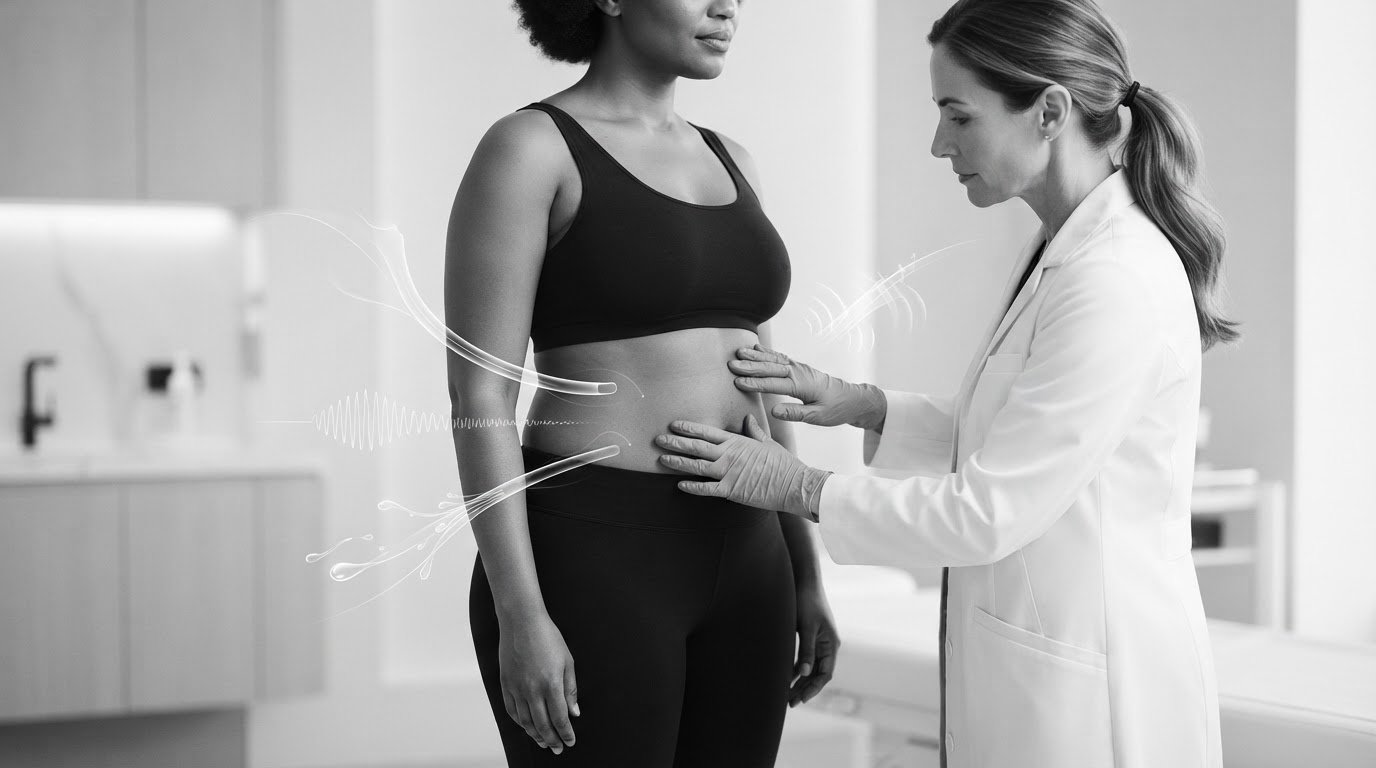
Managing your recovery involves caring for two distinct areas: the donor site where we harvested the fat and the injection sites on your face. The donor area, often the abdomen or flanks, typically experiences a different sensation than the face. You might feel a dull ache similar to a strenuous workout. We recommend using compression garments at the donor site to prevent fluid buildup and ensure the skin contours smoothly. While the face often shows more visible swelling, the donor site is where you might see more significant bruising. Balancing the care of both sites is essential for a harmonious healing experience.
Integrative Factors for Cell Survival
To optimize the survival of your “living filler,” we must focus on the health of your internal environment. Micro-circulation is the lifeblood of your results. Hydration plays a vital role here, as it maintains the fluid balance necessary for cellular transport. We also advise strictly avoiding nicotine and exposure to extreme cold during the early stages of your facial fat transfer recovery timeline. Nicotine constricts the very blood vessels that are trying to nourish your new grafts, while extreme cold can Shock the delicate tissue. By prioritizing nutrient-dense recovery and gentle movement, you provide the metabolic support your cells need to settle into their new home permanently.
Phase 1: The First 72 Hours – Managing the Peak of Inflammation
The first three days of your facial fat transfer recovery timeline represent the peak of your body’s inflammatory response. During this window, it’s common to experience significant edema, or swelling, as your tissues react to the newly introduced grafts. This is a natural part of the healing intelligence. Your body is rushing fluids and nutrients to the area to protect the site and begin the complex work of cellular integration.
You might look in the mirror and feel startled by an “over-filled” appearance. It’s vital to understand that this is intentional. Because we anticipate a natural absorption rate where approximately 50% to 70% of the fat survives long-term, we carefully over-inject the area. This ensures your final result is perfect once the initial volume recedes. This temporary look is a combination of the total fat transferred and your body’s protective fluid response. Knowing this helps alleviate the anxiety of looking “unnatural” during these early hours.
Immediate Post-Op Care Protocol
Supporting your body’s drainage systems during these first 72 hours can significantly ease your transition. We recommend three essential steps to manage this peak period:
- Elevate your head: Keep your head at a 45-degree angle, even while sleeping. This uses gravity to encourage lymphatic drainage and reduce pressure on the face.
- Apply cool compresses: Use light, cool compresses for 10 to 15 minutes at a time. Never apply direct ice or heavy pressure, as extreme cold or force can damage the delicate, unvascularized fat cells.
- Protect the graft: Avoid any facial massage or sleeping on your face. Your new “living filler” needs total stillness to begin connecting to your blood supply.
Managing Discomfort and Sensation
Expect a sensation of tightness or temporary numbness in areas like the cheeks and under-eyes. This is a normal part of the nerve response to the initial swelling. Instead of relying solely on heavy medications, focus on deep rest and nutrient-dense hydration to support your metabolic needs. If you experience sudden, sharp pain or asymmetric swelling that feels hot to the touch, contact our clinical team immediately. For those planning their journey, a personalized consultation can help clarify what your specific anatomy requires during this sensitive window. The first 72 hours are the most intense part of the journey. Once you pass this milestone, the inflammatory peak begins to recede, marking the start of a more comfortable transition.
Phase 2: Days 4 to 14 – The Transition to Social Readiness
As you cross the day four threshold, the most intense inflammatory response begins to subside. This is a pivotal moment in your facial fat transfer recovery timeline. While the first 72 hours often feel heavy and “over-filled,” you’ll now notice your features starting to emerge from the initial edema. This transition is frequently accompanied by a curious phenomenon known as bruise migration. Because of gravity, the yellow or purple pigments from bruising around the eyes or cheeks may drift down toward the jawline or neck. This isn’t a sign of a new issue; it’s simply your body’s lymphatic system working to clear cellular debris. It shows that your healing intelligence is actively processing the changes.
By day ten, most patients find they’ve reached a level of social readiness. While some residual puffiness remains, it’s often subtle enough that others may simply think you look refreshed rather than “done.” You can resume light daily activities, provided you continue to protect the newly transplanted cells by avoiding strenuous exertion that could spike your blood pressure. Maintaining a steady, calm rhythm during these days ensures that your metabolic resources remain focused on supporting the graft integration. Your body is still in a delicate state of “nesting” these living cells, so gentle movement is always preferred over high-intensity strain.
When Can I Go Back to Work?
Most professional and social obligations can be resumed around the ten-day mark. This “10-day rule” provides a safe buffer for the majority of patients to feel confident in a public or office setting. If you feel comfortable, you can use mineral-based makeup once the tiny injection points have fully closed. We prefer mineral formulas because they are non-comedogenic and allow the skin to breathe while offering excellent coverage for any lingering yellowish tints. Strategic hair styling, such as wearing your hair down or using soft scarves, can also help camouflage the areas that are still settling into their final positions.
Donor Site Progress and Activity
While your face may be looking social-ready, the donor site often requires a bit more patience. During this phase, you might transition from a firm abdominal binder to light support wear or a compression garment. Gentle walking is highly encouraged because it supports systemic circulation and prevents stiffness, but high-impact exercise must still be avoided. The donor area, typically the abdomen or flanks, often remains tender longer than the face. This occurs because the harvest site involves a larger surface area of tissue that needs to reorganize and heal. Respecting this slower pace is a vital part of an integrative approach to your total body wellness.

Phase 3: Weeks 2 to 6 – Settling and Permanent Results
The transition from the second to the sixth week is where the biological “magic” of integration truly stabilizes. During this settling phase, we distinguish between the surviving fat and the residual edema that characterized the early days. It’s a time of refinement. Your body has finished the heavy work of initial healing and is now fine-tuning the connection between your existing tissues and the new, living grafts. By now, the “over-filled” look has softened into a more natural, supple contour that reflects your unique anatomy.
Many patients encounter what we call the “psychological dip” around week three. This happens when the inflammatory swelling finally departs, but the surviving fat hasn’t yet fully integrated or “plumped” into its final state. You might look in the mirror and worry that you’ve lost all the volume we added. Rest assured, this is a normal part of the facial fat transfer recovery timeline. The six-week mark serves as a major milestone because it’s when revascularization is essentially complete. The cells that have survived to this point have found their permanent home and are now nourished by your own blood supply. They are no longer just “visiting”; they are a part of you.
The Final Reveal: What Stays and What Goes?
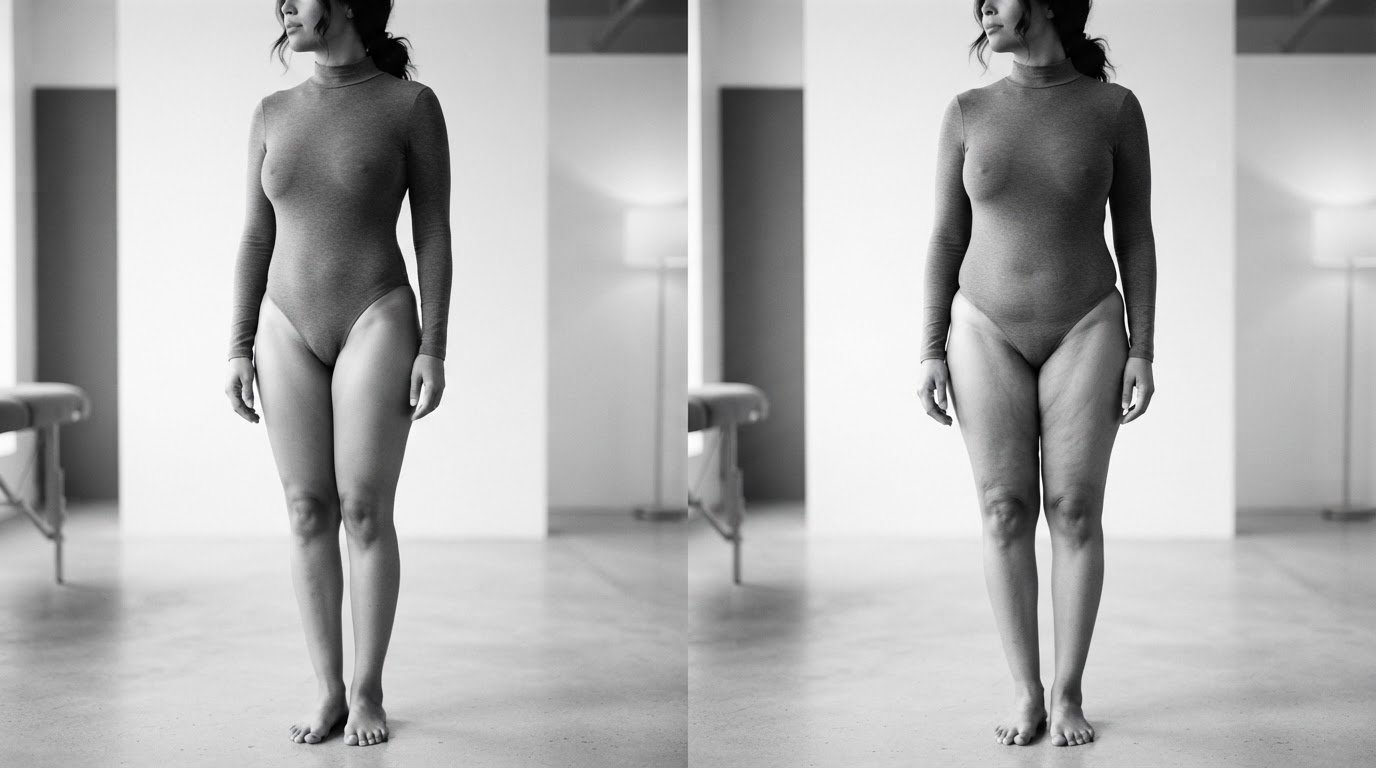
In the world of integrative aesthetics, we plan for the body’s natural wisdom. It’s typical for about 30% to 50% of the initial volume to be reabsorbed by the body during these weeks. This is the precise reason we carefully over-inject during your procedure. The fat that remains after this settling period becomes a permanent part of your facial structure. Beyond just volume, you’ll likely notice a marked improvement in skin texture and tone. The regenerative properties within the fat grafts often nourish the surrounding skin from the inside out, leading to a radiant glow that synthetic fillers simply cannot replicate.
Long-Term Lifestyle Maintenance
Because your new volume consists of living fat cells, they will behave exactly like fat cells in other parts of your body. Maintaining a stable weight is crucial to protecting your results. Significant weight loss can cause these cells to shrink, while substantial weight gain can cause them to expand. Supporting the “canvas” of your rejuvenated face with integrative skin care and antioxidant-rich nutrition will help protect the longevity of your results. If you’re ready to see how this permanent solution can restore your youthful contours, you can schedule a consultation with Dr. Grossman to discuss your goals. While most patients are thrilled with their results after one session, we can always plan for subtle touch-ups once the six-month mark is reached and the results are fully mature.
The Integrative Advantage: Optimizing Your Results with Dr. Grossman
The success of your rejuvenation journey depends heavily on the initial moments of the procedure. Dr. Grossman’s commitment to an integrative approach begins with the gentle handling of fat cells during the harvest phase. By treating these cells as delicate, living organisms rather than mere “filler,” we significantly improve their survival rates. This meticulous technique ensures that a higher percentage of the graft integrates successfully into your facial structure. When the harvest and injection are performed with such precision, a standard upheld by high-complexity medical institutions like Clínica Loyola, your facial fat transfer recovery timeline becomes a smoother, more predictable experience focused on vitality rather than just healing.
Every face ages according to a unique biological pattern. This is why a personalized consultation is the most important step in your journey. We don’t just look at volume loss; we map out your specific anatomy to ensure the results feel authentic to you. By choosing your own biological material over synthetic alternatives, you avoid the risks of allergic reactions and the “frozen” look often associated with traditional methods. For a deeper look at how this process transforms the landscape of aesthetic medicine, explore The Ultimate Guide to Fat Grafting.
Beyond the Face: Whole-Body Vitality
While fat transfer is powerful on its own, it often delivers the most harmonious results when used in conjunction with other restorative procedures. Many patients choose to combine volume restoration with a Facelift to address both structural sagging and the hollows that come with age. This combination supports the body’s healing intelligence by creating a comprehensive plan for rejuvenation. Using your own fat provides a regenerative boost to the overlying skin, fostering a “non-surgical” appearance that radiates natural health from within.
Ready to Restore Your Natural Volume?
Preparing your body for this transition is just as vital as the surgery itself. We encourage patients to focus on nutrient-dense nutrition and active stress management in the weeks leading up to their appointment. A body that is well-nourished and calm is better equipped to support the revascularization of new fat grafts. During your initial assessment, we will discuss your recovery expectations in detail, ensuring you feel empowered and informed. Your next step toward lasting vitality is a simple conversation. Schedule your integrative aesthetic assessment today to discover how we can support your body’s innate ability to renew itself.
Embrace Your Path to Natural Rejuvenation
Navigating the facial fat transfer recovery timeline is a journey of supporting your body’s natural healing intelligence. By understanding that your new volume consists of living, breathing cells, you can approach the initial swelling and settling phases with patience and empowerment. You’ve learned how the peak inflammation of the first 72 hours gives way to social readiness by day 14, eventually leading to the permanent integration of your own biological material. This process isn’t just about changing an appearance; it’s about nourishing your vitality from the inside out.
Dr. Grossman brings decades of expertise in volume restoration, utilizing an integrative approach designed to minimize downtime and maximize the survival of every fat graft. We focus on creating subtle, natural-looking results that evolve gracefully with you over time. If you’re ready to move beyond synthetic fillers and embrace a permanent, living solution for facial harmony, we invite you to take the next step. Consult with Dr. Grossman to start your integrative rejuvenation journey. We look forward to supporting you as you restore your most vibrant, authentic self.
Frequently Asked Questions
Is facial fat transfer recovery more painful than dermal fillers?
Facial fat transfer involves a slightly higher level of sensation than dermal fillers because it includes both a donor site and the facial injection points. While fillers are a quick office procedure, fat grafting requires harvesting your own tissue, which can lead to localized tenderness and a feeling of tightness in the treated areas. Most patients find that any discomfort is easily managed with rest and gentle care rather than heavy medication.
When can I sleep on my side after a fat transfer to the face?
You should wait at least two to three weeks before sleeping on your side to protect the newly transplanted cells. During the initial stages of your facial fat transfer recovery timeline, sleeping on your back with your head elevated at a 45-degree angle is essential. This position prevents unnecessary pressure on the grafts and encourages proper lymphatic drainage, ensuring the delicate fat cells can successfully reconnect to your blood supply.
Will my face look “fake” or “puffy” forever after the procedure?
The puffy appearance is a temporary phase of the healing process and will not last forever. Surgeons often over-correct the area because they anticipate some natural absorption as the body settles. Once the initial inflammatory response subsides and the residual edema clears, your features will settle into a soft, natural contour. The goal is a refreshed, youthful look that mirrors your own biological structure rather than a synthetic or fake result.
How soon can I exercise after facial fat grafting?
You can resume light walking almost immediately to support systemic circulation, but you must avoid high-impact exercise for four to six weeks. Strenuous activity can increase blood pressure and heart rate, which may disrupt the fragile revascularization process of the new fat grafts. Protecting these living cells during the first month is vital for ensuring the highest take rate and achieving the permanent, vibrant results you desire.
Does the fat transfer last longer if I have a healthy lifestyle?
A healthy lifestyle significantly impacts the longevity and quality of your results because fat grafts are living tissues. When you nourish your body with antioxidant-rich foods and maintain proper hydration, you create an optimal environment for cellular survival. Avoiding nicotine and managing stress also supports the micro-circulation necessary for the grafts to thrive. By treating your recovery as a whole-body wellness event, you protect your investment in lasting facial vitality.
Can I have a facial fat transfer if I have very little body fat?
Most patients have enough donor tissue for a facial procedure even if they are quite lean, as the face requires a relatively small volume of fat. We can often harvest the necessary cells from the abdomen, flanks, or inner thighs. During your consultation, we will assess your anatomy to identify the most suitable harvest site. If your body fat is exceptionally low, we can discuss integrative alternatives to ensure we still achieve your aesthetic goals safely.
What happens if I lose weight after my facial fat transfer?
Transplanted fat cells behave exactly like the fat in the rest of your body, meaning they will shrink if you lose a significant amount of weight. While the number of cells remains the same once they have integrated into your facial fat transfer recovery timeline, their volume depends on your overall metabolic state. We recommend maintaining a stable weight to ensure your rejuvenated contours remain consistent and harmonious with your facial structure over the long term.