Skip to content


The right time to consider preventative Botox isn’t set by a birthday. People often begin in their late 20s to early 30s, but deciding when to start preventative Botox depends more on facial movement and whether fine lines linger after you stop frowning or raising your brows.
It makes sense to wonder whether starting Botox early can make a difference or whether it’s better to wait until lines become more noticeable. Preventative treatment aims to soften repeated muscle movements linked to expression lines, but it isn’t necessary for everyone, especially when there are no early signs or specific concerns.
This article explains how facial aging and expression patterns influence timing, which early signs may be worth discussing, and what Botox can and can’t address. You’ll get a clearer sense of whether preventative treatment may suit your goals, without treating age alone as a rule.
Key Takeaways
- Age alone doesn’t determine timing; facial movement and whether fine lines linger after expressions offer more useful clues.
- Forehead lines, frown lines between the brows, and crow’s feet are common areas considered for treatment.
- Learn which early signs may make a consultation worthwhile, and why preventative Botox isn’t necessary for everyone.
- Understand how Botox temporarily reduces repetitive muscle movement and what that may mean for subtle results.
Fact or myth: Does preventative Botox actually work?
Preventative Botox may soften repeated facial movements linked to expression lines, but it cannot stop all facial aging. Its value depends on visible signs, treatment goals, and whether relaxing specific facial muscles makes sense for you.
Visible Dynamic Lines and Treatment Timing
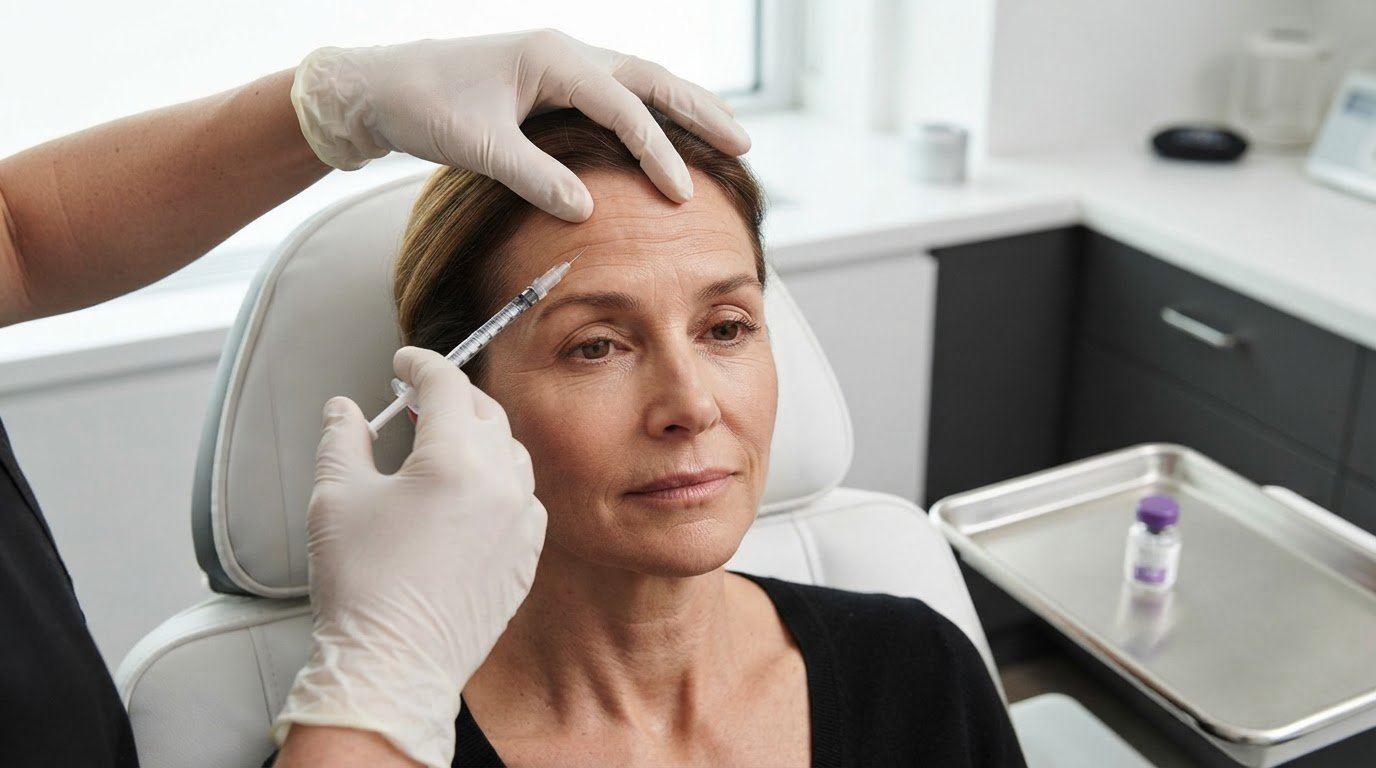
Dynamic lines are creases that appear during facial expressions, such as frowning or raising your eyebrows. Repeated movement can contribute to lines that remain visible when your face is at rest. Common treatment areas include horizontal forehead lines, glabellar lines between the brows, and crow’s feet around the eyes. If these lines are becoming noticeable, a measured treatment may be worth discussing.
Starting Treatment in Your Thirties or Later
Starting in your thirties or later can still address expression lines, even if the goal shifts from prevention to softening established wrinkles. Treatment timing isn’t limited to a particular age; visible lines, facial movement, and personal goals matter more. You may still benefit from reducing strong muscle movement in selected areas if you start later. The right timing depends on your individual pattern, not simply your decade of life.
Botox doesn’t mean lifelong treatment. Its effects are temporary and typically last three to six months, so ongoing injections are a personal choice, not an automatic requirement. Repeated treatment without a clear benefit may be unnecessary, especially if dynamic lines aren’t a concern or the desired effect feels too restrictive.
There’s no single U.S. cost per treatment that applies to everyone. The price depends on your case, treatment area, and plan, and is provided after a quote request.
Pregnancy or breastfeeding calls for extra care: discuss Botox with the clinician managing your care before considering elective injections. Choose a qualified, experienced injector, such as a board-certified plastic surgeon.
Daily sunscreen can help prevent sun damage and visible signs of aging. A consistent skin-care routine with sunscreen, moisturizer, and a topical antioxidant can support skin health without injections.
How facial aging and expression patterns affect timing
Timing reflects facial anatomy, genetics, lifestyle, and personal goals, not age alone. Skin support and repeated expressions influence how fine lines form.
Expression Lines and Facial Aging
Facial aging involves repeated muscle movement and changes in skin structure. Inherited muscle strength and a family history of early wrinkles can make forehead or frown lines more noticeable during expressions. Skin type matters too: thinner, delicate skin may show aging sooner because it has less underlying support. Collagen and elastin production can decline during the twenties, affecting how skin responds to movement. These differences help explain why people of the same age can notice changes at different times.
When to start preventative Botox depends partly on how your skin responds to habitual expressions. A family history can inform your expectations, but it doesn’t predict exactly when lines will appear.
Preventing Lines from Deepening
Botox temporarily reduces the extremes of facial muscle movement, which may delay some expression lines from becoming more pronounced. For example, someone who repeatedly furrows their brow may discuss treatment if that movement leaves a visible crease. This approach targets muscle activity; it doesn’t stop all facial movement or prevent every aspect of skin aging.
A consultation can consider your skin, muscle activity, and goals together. This assessment helps distinguish an expression pattern from broader changes in skin texture or support. For some people, when to start preventative Botox becomes clearer after identifying which movements create lines they want to address.
When Expression Lines Become Established
A line is more established when it remains visible after the expression has ended, rather than appearing only during movement. This distinction shows that the crease is present beyond the expression itself. In the thirties, early signs may include lines during movement and faint marks visible at rest.
Botox can still be effective in the mid-to-late thirties and beyond, though the aim may shift toward softening existing expression lines. Your movement patterns and visible changes offer more useful context than age alone.

Signs someone may be ready for preventive Botox
Possible readiness depends on visible expression-related changes, genetics, and aesthetic goals, not age alone. In the late 20s, some people notice fine lines that linger after facial expressions, especially where the skin repeatedly creases. A family history of early wrinkles may also shape expectations, but it doesn’t determine whether treatment is appropriate. The useful question is whether a specific movement-related line concerns you.
- Faint forehead or eye-area lines remain after you relax your facial expressions.
- A repeated frown or brow raise creates a crease that’s becoming more visible.
- Early lines appear alongside a family history of pronounced facial wrinkles.
- Sun exposure or smoking has affected skin appearance, prompting broader prevention goals.
These signs can guide a conversation about Botox, but they don’t make injections necessary. Regular sunburn and smoking can contribute to visible aging; sunscreen and quitting smoking support skin health, while Botox doesn’t address those lifestyle factors. Consider the specific concern: a line linked to muscle movement differs from broader changes in skin texture or volume.
Botox has limits. It targets repetitive muscle activity, not every cause of lines and wrinkles. It doesn’t address deep nasolabial folds or jowls caused by soft-tissue descent and laxity. Those changes involve facial support, not just expression, so a different aesthetic approach may be needed. Dermal fillers or surgery address different concerns and aren’t substitutes for Botox in every case.
A useful next step is to identify when a line appears: only during movement or also at rest. Note the expression that brings it out, such as squinting or frowning, and whether the line remains afterward. This distinction helps clarify whether the concern is dynamic or established. A plastic surgeon can assess your facial movement, skin, and goals together, then discuss whether Botox fits your appearance and preferences.
How preventative Botox works
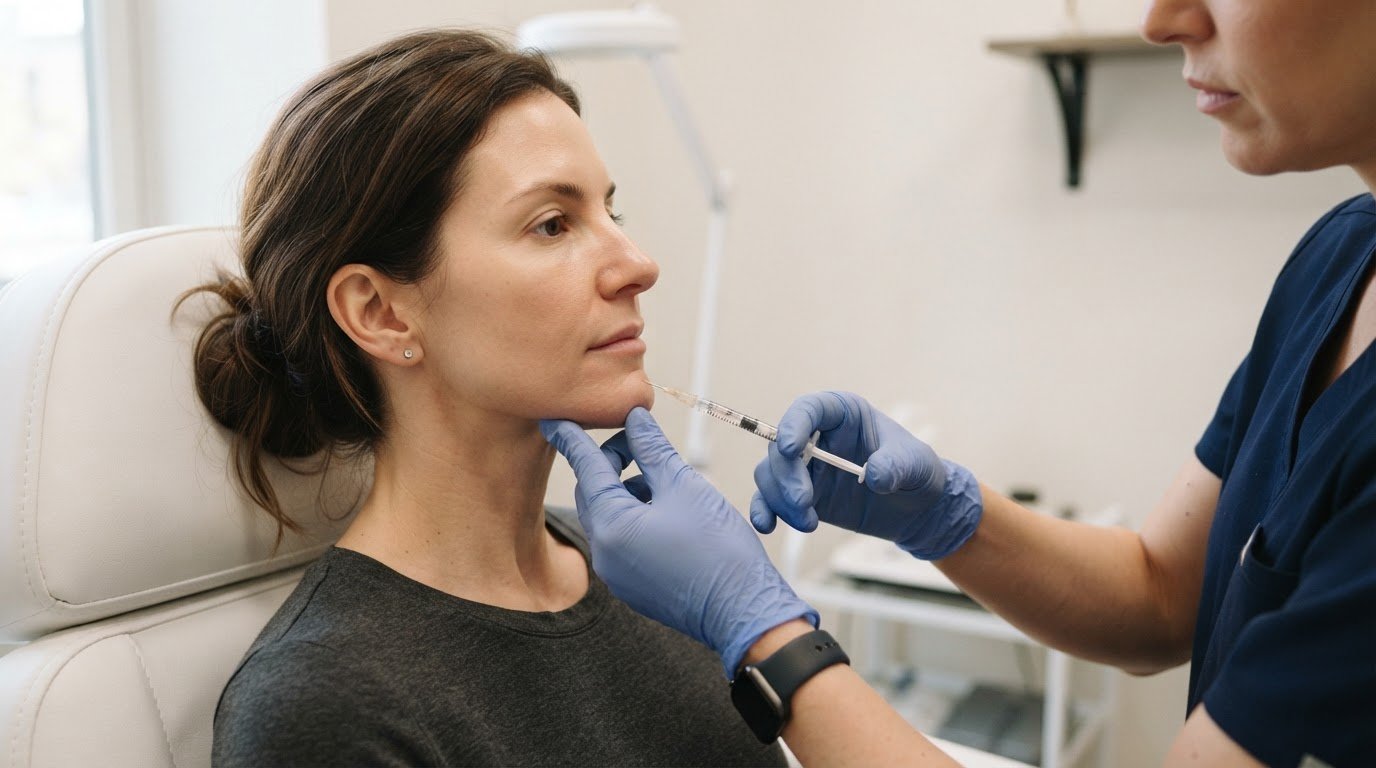
Preventative treatment uses botulinum toxin injections to reduce repetitive muscle movement linked to expression lines. For example, repeatedly lifting your forehead can crease the skin in the same place. By temporarily relaxing selected facial muscles, Botox may reduce the extremes of that movement and delay some dynamic wrinkles. It doesn’t stop every sign of aging or prevent all lines from forming.
Placement follows the movement being treated. Common areas include horizontal forehead lines, glabellar lines between the brows, and crow’s feet around the eyes. A clinician considers how your facial muscles move and which lines appear during expressions. The goal is a measured change in targeted movement, not a frozen appearance or the elimination of natural expressions.
Botox injections are temporary. Their effects typically last three to six months, so the treated muscles gradually regain movement. Preventative treatment isn’t a permanent change to your face, and continuing injections is a choice, not an inevitable next step. Your cosmetic plan can be revisited as facial movement, visible lines, and personal preferences change.
Botox addresses muscle activity, not skin quality on its own. It doesn’t restore collagen or reverse sun damage, so daily sunscreen remains useful for reducing sun damage and signs of aging. Your skin-care routine may also include moisturizer and a topical antioxidant. These measures address different contributors to visible aging than injections do.
After injections, avoid touching, rubbing, or massaging the treated area for about 24 hours. Avoid working out for about 48 hours after treatment. These simple aftercare steps help protect the treated areas as the injection takes effect. A qualified, experienced provider can tailor placement to facial anatomy, movement, and cosmetic goals, whether treatment focuses on the forehead, brow area, or eyes.
Dr. Leonard Grossman: Botox Injections
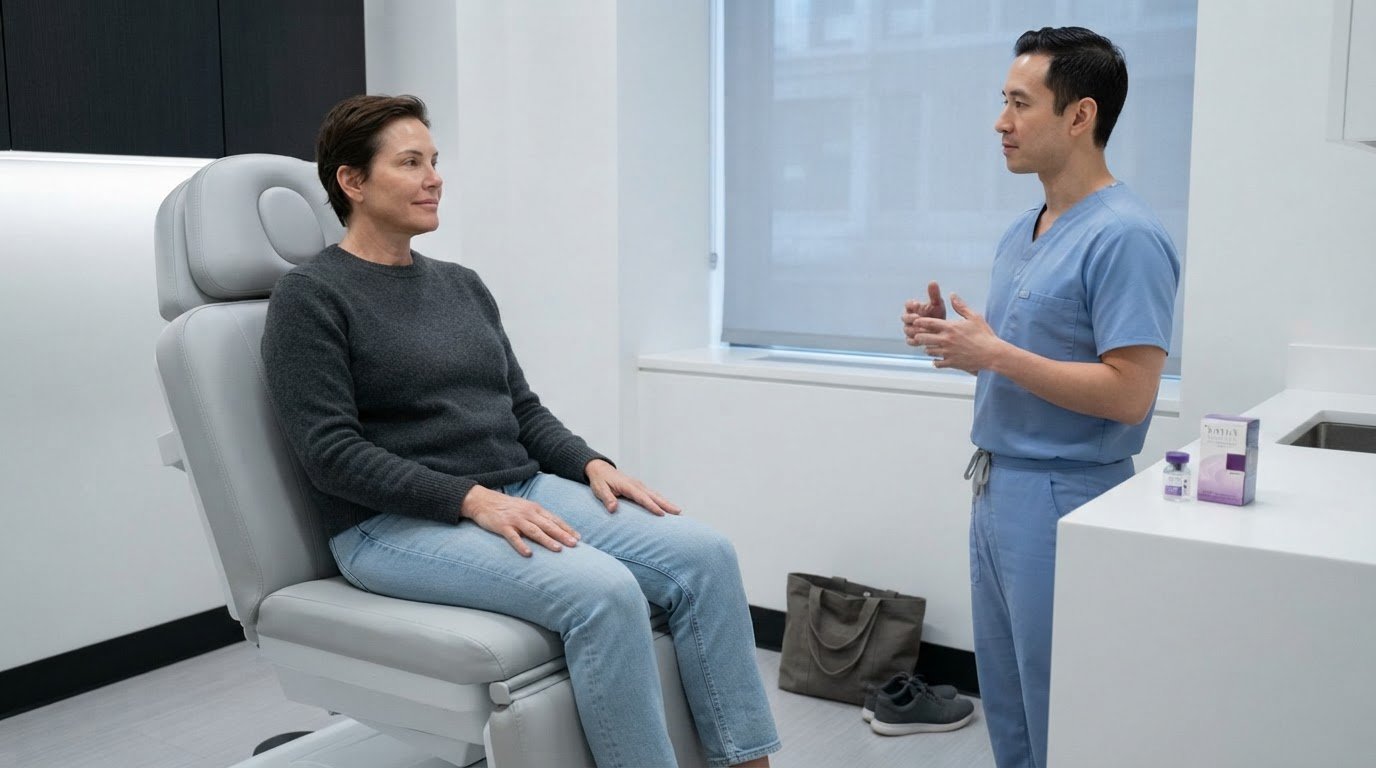
Dr. Leonard Grossman offers Botox Injections for people considering treatment for expression-related lines. If repeated facial movements create visible forehead, brow, or eye-area creases, treatment can help you explore whether relaxing targeted muscle activity fits your goals. It may also be worth discussing if you’re weighing treatment now against waiting for lines to become more established.
Botox isn’t a solution for every sign of facial aging, and choosing it is a personal decision. A conversation about your concerns can clarify whether injections suit the lines you notice and the subtle result you want, or whether another approach may be more appropriate.
Contact Dr. Leonard Grossman to discuss Botox Injections and your aesthetic goals.
Choose a Next Step That Fits Your Goals
Let your priorities guide the decision, rather than pressure to begin at a certain age. If you’re still weighing when to start preventative Botox, focus on the facial changes you want to address and the kind of result that feels natural to you. A thoughtful discussion can help clarify whether treatment aligns with those goals or whether waiting feels right.
Dr. Leonard Grossman offers Botox Injections, as well as Fat Grafting to the Face, Fat Grafting to the Breasts, and Fat Grafting to the Buttocks. These procedures address different aesthetic concerns, so the best next step depends on what you hope to change. There’s no need to decide everything at once.
Contact Dr. Leonard Grossman to discuss Botox and share what you’d like your treatment to achieve. A clear, personal goal can help you move forward with confidence.
Frequently Asked Questions
What age should you get Botox?
There’s no single age that applies to everyone. Base your decision on your concerns, not a birthday: for example, whether a frown line appears only when you concentrate or remains noticeable afterward. People in their twenties often don’t need treatment without specific concerns, while visible lines can prompt consideration at different ages. Your goals and facial movement provide helpful context.
Does starting early mean I’ll need Botox forever?
No. Starting Botox doesn’t commit you to lifelong treatment. Because its effects are temporary, you can choose whether to continue as your preferences or facial movement change. For instance, someone who tries treatment for a particular brow line can later decide the effect doesn’t suit them and stop. The decision to repeat treatment is separate from the choice to try it initially.
How often will I need treatments?
Botox effects typically last three to six months, but that doesn’t mean everyone needs injections on a fixed schedule. Some people choose another treatment as muscle movement returns; others prefer to wait or stop. Consider whether the original concern has returned and whether you still want treatment. A calendar reminder can prompt you to reassess rather than make repeat injections automatic.
Myth vs reality: Does starting early actually prevent wrinkles?
Starting early doesn’t prevent every wrinkle, but reducing repeated muscle movement may delay some expression lines. A reported comparison of twins followed one sister receiving regular Botox for 12 years and another who didn’t; seven months after the treated sister’s last injections had faded, her crow’s feet were still less noticeable. That comparison is an example, not a guarantee of the same result for everyone.
What age do most people start?
People who choose preventative treatment often begin in their late twenties to early thirties. That describes a common timing pattern, not a recommended starting age for everyone. Someone with little concern about expression lines may prefer to wait, while another person may seek advice earlier based on facial movement or goals. Your visible pattern matters more than matching other people’s timelines.
What’s the difference between regular and preventative Botox?
The main difference is the treatment goal and the stage of the lines. Preventative treatment focuses on reducing repeated movement before expression lines become deeply established; regular treatment often addresses lines that are already more noticeable. For example, one person might consider treatment for a crease that appears with a frown, while another may focus on a line that remains visible at rest. A clinician can discuss these different aims.