Skip to content

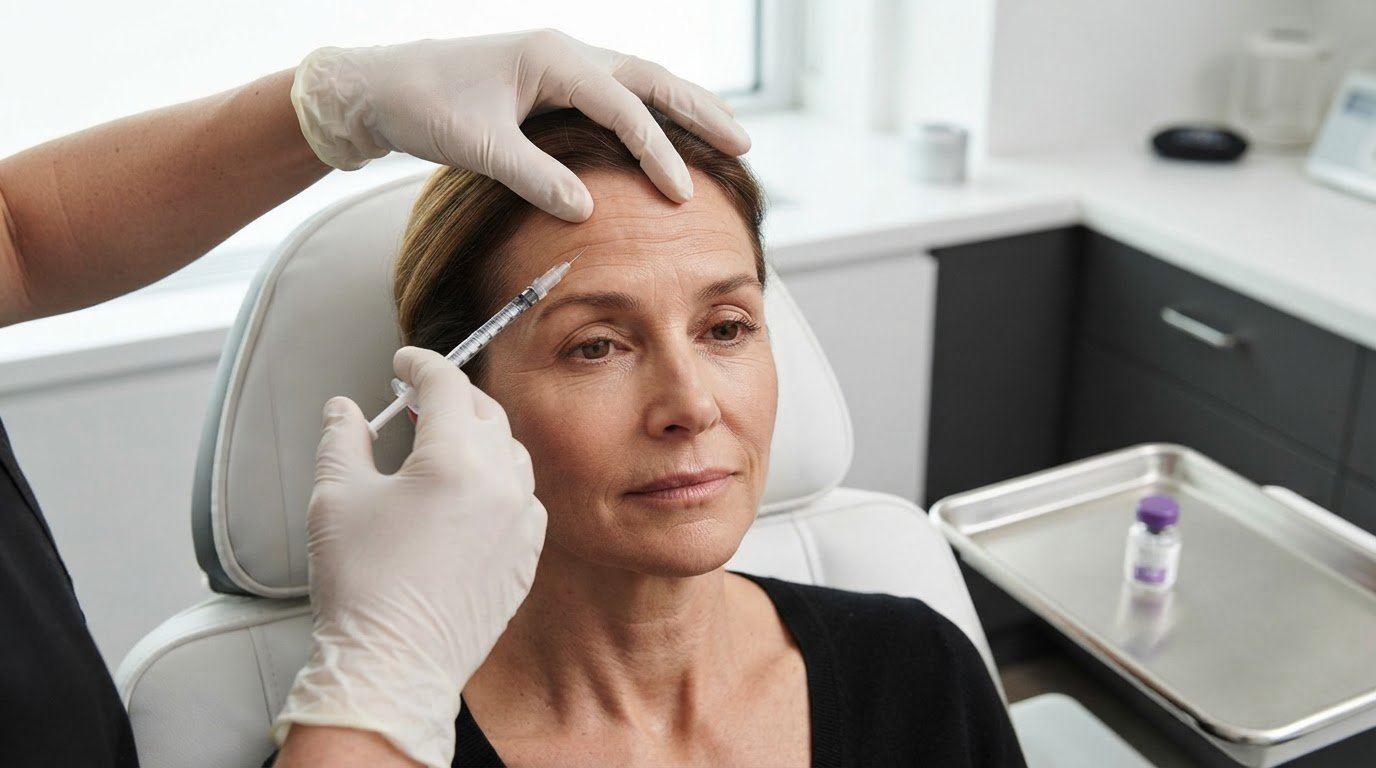
The safest first move after Botox is to leave the treated areas alone. Knowing what to avoid after getting Botox starts with avoiding rubbing, massaging, or pressing your face for 4 hours after treatment. Staying upright for three to four hours and avoiding strenuous exercise, excessive heat, and prolonged direct sun exposure for 24 hours are also common aftercare steps.
It’s understandable to wonder whether a light touch or a missed workout could affect your results. Knowing what to avoid after getting botox can make the first hours easier to manage. Follow the aftercare instructions you received, since they reflect your treatment plan.
This guide explains what to avoid after getting botox, including when to touch your face, exercise, or be around heat and sun. You’ll also learn which everyday habits to pause briefly so you can care for your skin with confidence.
Key Takeaways
- Plan around alcohol before and after injections, since it may increase the chance of bruising.
- Ease back into activity thoughtfully: strenuous exercise after Botox and fillers may call for different waiting periods.
- Keep pressure, rubbing, and massage away from treated areas while they settle.
- Choose a cooler, shaded first day after treatment, and use broad-spectrum SPF 30 or higher when outdoors.
1. What should I avoid after Botox injections?
For a lower chance of bruising, avoid alcohol for 24 hours before and after injectable treatment. Alcohol can make bruising more likely, so skip drinks on Botox day and avoid excessive alcohol afterward. Keep the first day gentle, rather than adding strenuous activity that could raise blood pressure.
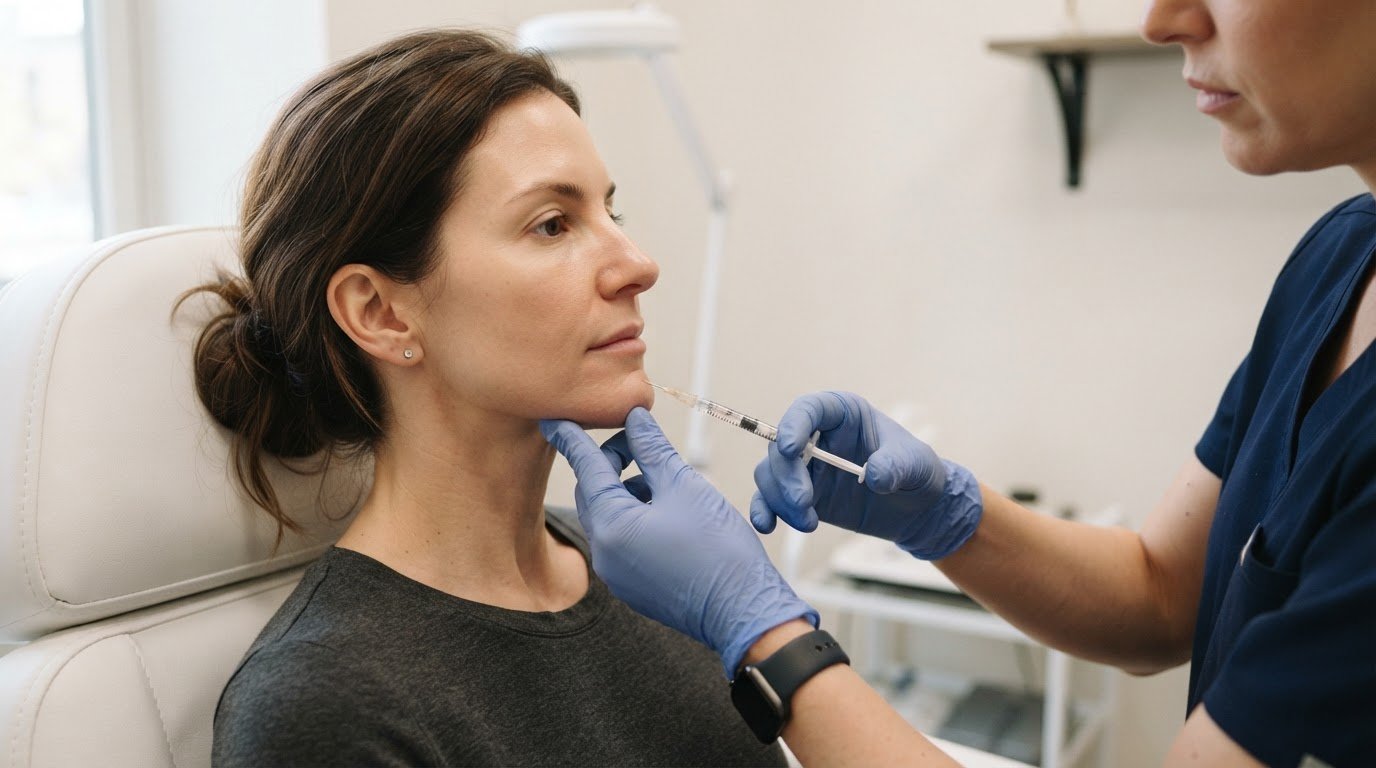
Small red bumps at injection sites usually fade within 15-30 minutes. Swelling and bruising can also occur around treated areas. The injection marks are not the same as the treatment’s cosmetic effect: Botox results may appear over a few days to a week.
Aspirin, ibuprofen, naproxen sodium, and fish oil may increase the risk of bruising. Follow your injector’s directions about these medicines and supplements before and after treatment. If aspirin or another blood-thinning medication is prescribed, don’t stop or change it on your own. Continue prescription medication as directed, and discuss its timing with your injector before treatment.
Alcohol and NSAIDs deserve particular care because both are mentioned in bruising precautions. Avoid alcohol around treatment, and don’t add or stop aspirin, ibuprofen, or naproxen without medical guidance. If you take a prescribed blood thinner, tell your injector which medication you use; the medication plan matters more than a general aftercare rule. Limit caffeine for the first 24 hours if you’re following the advice to reduce bruising risk.
Botox can take a few days to a week to begin showing results, so don’t judge the outcome right away. Wait at least two weeks after treatment to evaluate the final result. A follow-up around that time gives the effect time to settle and lets your injector assess how the treated muscles responded.
2. Is it OK to exercise after Botox?
Light movement, such as an easy walk, is generally acceptable after Botox. For strenuous exercise, including running, cycling, or a demanding fitness class, wait 24 hours after treatment. Exercise can raise blood pressure, which may increase bruising, especially if you tend to bruise easily. Some providers recommend this pause even though evidence that activity changes how Botox settles is limited.
Heavy lifting and high-effort workouts fit the strenuous category. Skip weight training, sprint intervals, and vigorous sports during the first 24 hours after Botox. These activities raise exertion and can make bruising more likely around the treated area. If your appointment is in the morning, plan to resume a strenuous routine the following day rather than squeezing it into the evening.
Keep your head upright for three to four hours after injections. During that time, avoid workouts involving repeated forward bends or positions that put your face below your body. This follows the upright aftercare advice without making ordinary movement a concern. A relaxed walk is gentler than yoga poses, heavy lifting, or strenuous activity.
Dermal fillers have a different exercise timeline: wait at least 48 hours after filler treatment before returning to strenuous activity. If Botox and fillers are done together, use the longer 48-hour pause for strenuous exercise. This is a practical way to account for both treatments without assuming their aftercare is identical. Makeup doesn’t change the exercise timeline, and applying it isn’t a substitute for letting injection sites rest.
After the recommended pause, return gradually: begin with a lighter session, then increase your effort if you feel comfortable. If bruising concerns you, choose walking over a high-intensity class on your first day back. These adjustments help you stay active while respecting the short recovery window after Botox or fillers.

3. Can you touch your face after Botox?
Yes, but keep contact gentle and avoid rubbing, pressing, or massaging injection sites. For the first 4 hours after treatment, wash gently without applying pressure to treated areas. Avoid rubbing the injection spots for about 24 hours, even if you notice small bumps or mild irritation.
Pressure matters because manipulating the skin soon after injections may affect product placement or irritate the area. Skip facial massage, gua sha, and tight-fitting equipment that presses on treated areas. If you accidentally touch your face while washing, use a light touch rather than rubbing to remove every mark.
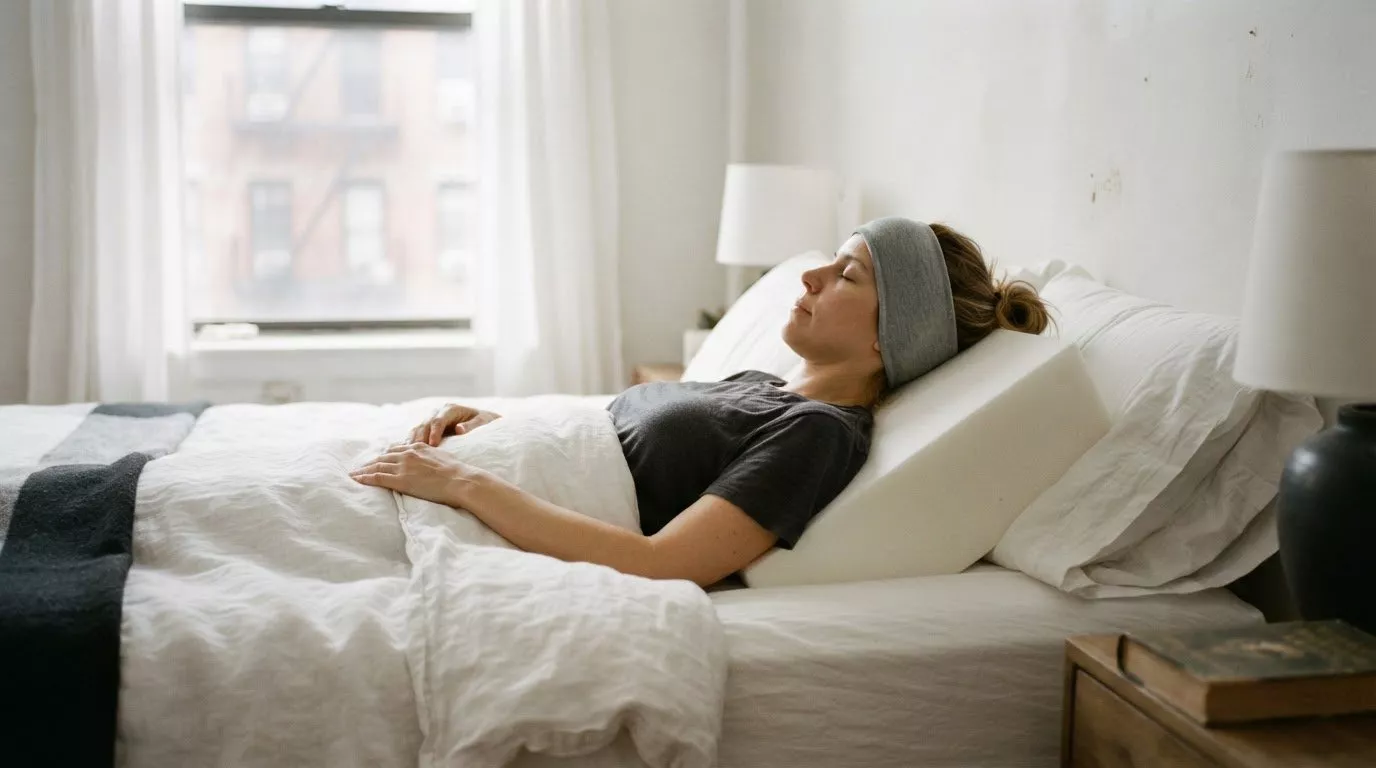
Your sleeping position can also help limit pressure. For the first night after Botox, sleep on your back if comfortable, and avoid resting your face against a pillow. This is especially useful when injections were placed near areas that touch the pillow. Keep your head upright for three to four hours after treatment and avoid lying flat during that time.
For cosmetic treatments, wait at least two weeks after Botox before scheduling a facial. Avoid facial massage and treatments that press or manipulate the skin for at least one week. Chemical peels, microdermabrasion, and similar procedures can also irritate treated skin. Follow your provider’s aftercare instructions for timing specific to your treatment.
Botox effects and minor side effects are different concerns. Small red bumps often fade within 15-30 minutes, while rubbing can add unnecessary irritation. If swelling or discomfort feels unusual or worsens over time, contact the injector promptly. Otherwise, keep the first day simple: use a gentle touch, avoid face-down pressure, and leave the treated areas undisturbed.
4. Heat and sun exposure after injections
For the first 24 hours after Botox injections, avoid excessive heat and prolonged direct sun exposure. Skip saunas, steam rooms, hot yoga, and tanning beds during that period. A hot tub also exposes your skin to sustained heat, so choose a cooler way to unwind on treatment day. These simple changes help you follow aftercare while the injection sites settle.
Keep showers lukewarm immediately after treatment rather than turning up the temperature. A warm bathroom can feel relaxing, but heat exposure is best limited during the first day. If you’re planning an aesthetic appointment, reschedule heat-based activities for after that 24-hour window. Ordinary walking outdoors is different from prolonged direct sun exposure, but choose shade when your route allows.
Sun protection still matters outdoors. Apply broad-spectrum sunscreen with SPF 30 or higher, and reapply according to its directions. A hat and shaded route can add practical protection during a sunny walk. Avoid rubbing the injection areas while applying sunscreen; use a light touch instead. This protects the skin without adding unnecessary pressure to treated areas.
After 24 hours, most patients can generally return to normal heat exposure. Resume gradually, rather than combining a sauna, hot yoga, and extended sun exposure immediately. If your skin feels warm or looks flushed, choose a cooler setting and gentle activity, such as walking in the shade. Heat precautions are temporary, but sun protection remains a useful part of skin care beyond Botox treatment.
Choose lukewarm bath water immediately after treatment, and avoid a hot shower, even if you want a relaxing rinse. Keeping the water temperature moderate follows the recommended approach during this immediate aftercare period.
Dr. Leonard Grossman: Botox Injections
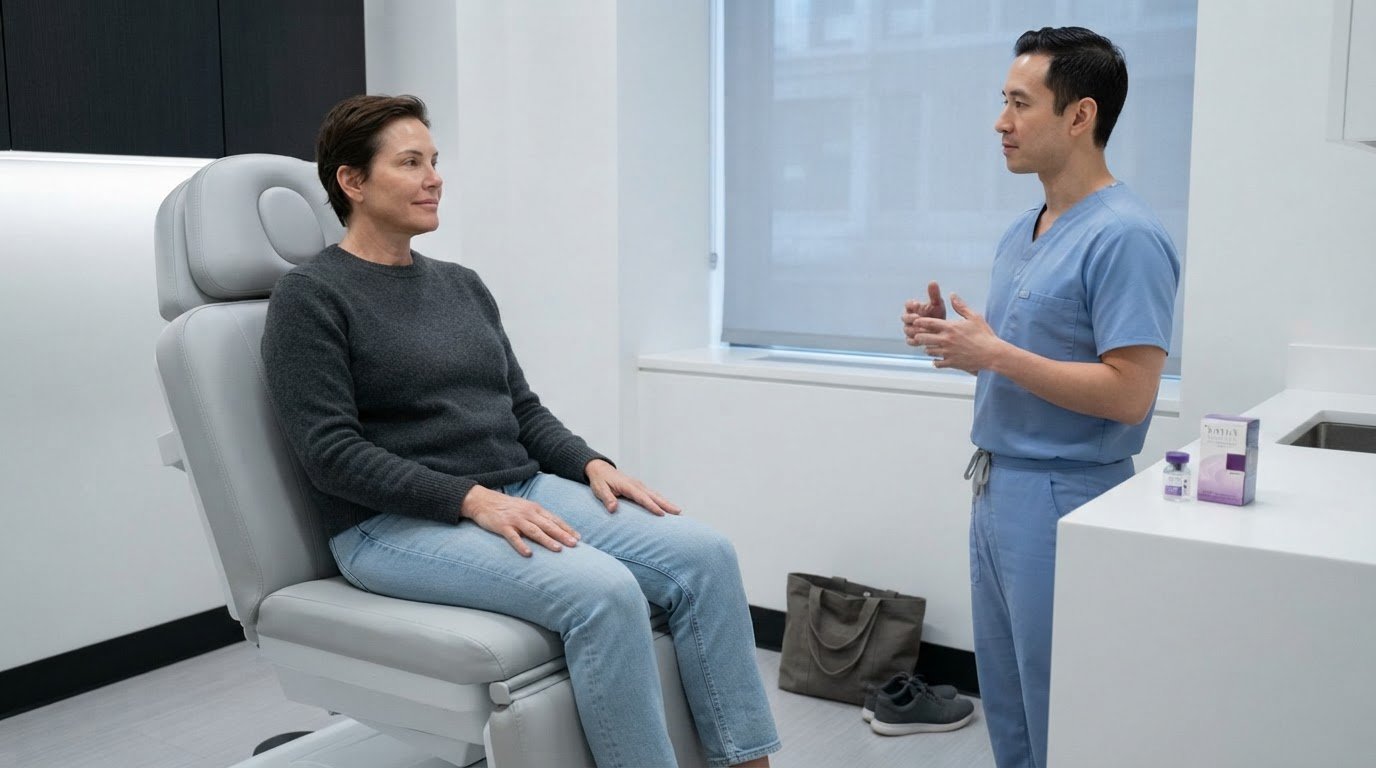
Dr. Leonard Grossman offers Botox Injections for people considering treatment to soften the appearance of facial lines. If you’re weighing the procedure, have aftercare questions, or want to understand how it may fit your aesthetic goals, discussing your concerns with Dr. Grossman can help you make an informed decision. Clear guidance on your treatment plan and recovery can help you prepare for the days after injections, including your return to usual activities.
Contact Dr. Leonard Grossman to discuss Botox Injections and your treatment goals.
Make Your Next Aesthetic Decision With Confidence
Knowing what to avoid after getting botox can help you feel prepared. Your next step is to decide what outcome feels right for you. A thoughtful conversation about your goals can clarify whether Botox fits your plans or whether another approach is worth considering. There’s no need to rush: feeling informed is part of choosing care that aligns with your priorities.
If questions about what to avoid after getting botox have prompted you to think more broadly about your aesthetic goals, Dr. Leonard Grossman also offers fat grafting to the breasts, face, and buttocks. These procedures address different areas, so a discussion can help you focus on the option related to your goals.
Contact Dr. Leonard Grossman to discuss your goals and possible next steps. A clear, personal conversation can help you move forward feeling informed and comfortable with your decision.
Frequently Asked Questions
Can you touch your face after Botox?
Keep your hands off injection points except for gentle cleansing or skin care. When washing your face, use clean fingertips and avoid scrubbing with a washcloth or cleansing brush. Try not to rest your cheek against your hand while working at a desk, either. These small habits reduce unnecessary pressure while the treated skin settles.
How soon after Botox can you wear makeup?
You can apply makeup once the injection sites have closed, which takes about 15 minutes. Use clean hands or a clean applicator, and dab product on lightly rather than rubbing it across the treated area. If your injector gave you different aftercare instructions, follow those. For example, avoid vigorous blending with a sponge immediately over injection points.
Is it OK to exercise after Botox?
Light activity, such as walking to run an errand, is generally acceptable after Botox. Wait 24 hours before strenuous workouts, including a spin class or heavy lifting session. If your routine combines exercise with a facial massage or heated class, separate those activities from treatment day. A lighter first workout after the pause can help you ease back into your routine.
What should I avoid after Botox injections?
For the first day, avoid rubbing injection sites, strenuous exercise, excessive heat, and prolonged direct sun exposure. Alcohol around treatment can increase bruising risk, and aspirin, ibuprofen, naproxen, and some supplements may also affect bruising. Don’t stop prescribed medication on your own. If a medicine is medically necessary, keep taking it as directed and discuss your treatment instructions with your injector.
What shouldn’t you do after Botox?
Don’t press or massage treated areas, book a facial right away, or lie face down soon after injections. These actions can add pressure or friction where the skin has just been treated. Avoid sauna visits and hot yoga on treatment day, too. If you notice unusual or worsening swelling or discomfort, contact your injector promptly for guidance.
Can I Drink Coffee or Caffeinated Beverages After Botox?
You can have coffee, but limiting caffeine for the first 24 hours is suggested to help reduce the possibility of bruising. For example, choose water or a non-caffeinated drink with breakfast on treatment day if you’re trying to minimize bruising concerns. Caffeine guidance is separate from medication instructions, so continue prescribed medicines as directed rather than changing them to manage bruising.