Skip to content
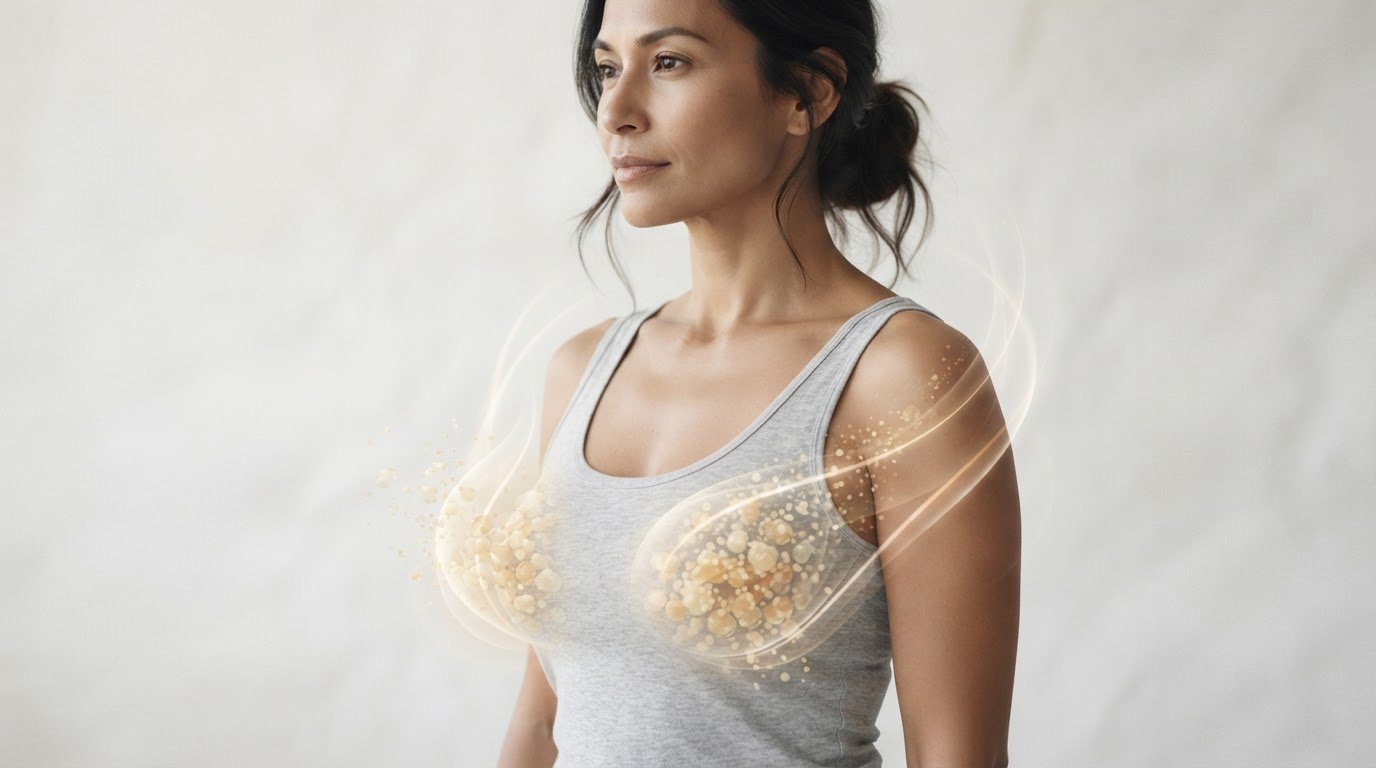
What if the secret to a naturally fuller bust isn’t found in a synthetic medical device, but tucked away within your own biological resources? Many women feel a sense of hesitation when considering natural augmentation, often worrying that the transferred volume will simply vanish or that the harvest sites will leave behind unwanted reminders. It’s completely normal to feel anxious about fat reabsorption or potential scarring. You deserve an enhancement that feels like an extension of your true self, not a temporary fix.
Choosing the best donor sites for breast fat transfer is a critical step that impacts both the survival of the fat cells and your final aesthetic silhouette. By prioritizing the health and vitality of your adipose tissue, we can support the body’s natural healing intelligence for results that last. In this guide, you’ll discover how specific body areas yield high-viability fat and how an integrative approach to harvesting creates a harmonious, contoured result. We’ll look at the science of fat retention, which typically stabilizes around eight months, and how to identify the areas that will best nourish your long-term volume goals.
Key Takeaways
- Understand why identifying the best donor sites for breast fat transfer is the foundation of long-lasting volume and natural-looking symmetry.
- Learn how the concentration of Adipose-Derived Stem Cells (ADSCs) in different body areas determines the survival rate of your transferred fat.
- Compare the benefits of various harvest locations, such as the abdomen’s high volume versus the thighs’ reputation for stable, high-quality fat cells.
- Discover how your unique body shape, whether pear or apple, dictates a personalized approach to both breast enhancement and donor site contouring.
- Gain insights into the integrative techniques used to gently harvest and protect delicate fat cells, ensuring optimal skin retraction and a smooth recovery.
The Vital Role of Donor Sites in Breast Fat Grafting
In the context of natural breast augmentation, the donor site serves as the literal foundation for your results. It’s the area where we harvest the living tissue that will eventually nourish and enhance your bust. Identifying the best donor sites for breast fat transfer isn’t simply about finding where you have the most “extra” volume. It requires a deep understanding of how different body areas respond to harvesting and how that fat will behave once it’s relocated. When we choose a site, we’re looking for a synergy between your aesthetic goals and the biological viability of the cells.
This decision impacts the long-term survival of the transferred fat. If the donor tissue is healthy and harvested with care, it has a much higher chance of “taking” in its new home. Our integrative approach views the body as a whole system, where the refinement of one area naturally supports the enhancement of another. We aren’t just moving fat; we’re reorganizing your body’s natural resources to create a more balanced version of you.
Why Breast Fat Transfer Requires a Strategic Approach
Unlike facial grafting, which often requires only small amounts of tissue to soften lines, breast enhancement demands a much larger volume of healthy fat. This means the donor site must be robust enough to provide ample material without compromising the contour of the harvest area. We must consider the health of the adipose tissue and how well it will integrate into the breast pocket. If the fat is harvested from an area with poor circulation, the cells may not survive the transition.
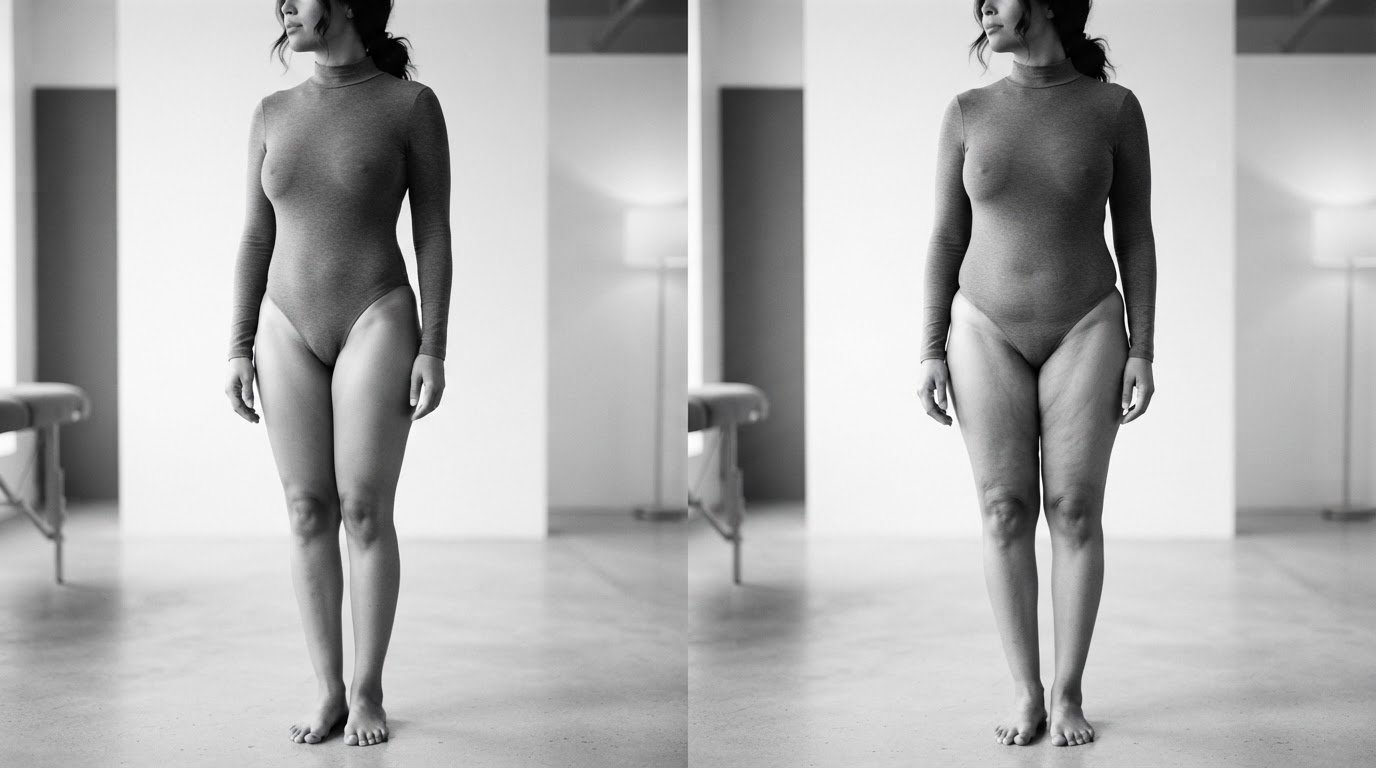
The selection process is also an exercise in total body symmetry. By carefully choosing the best donor sites for breast fat transfer, we can simultaneously slim the waist or thighs while adding volume to the chest. This dual benefit ensures that your final results look natural and proportional from every angle. We aim for a result that feels like it has always been a part of you.
The Biological Intelligence of Your Own Fat
It’s helpful to view fat not as an inert filler, but as a living, bioactive tissue with its own intelligence. This process, known as Fat transfer, relies on the survival of individual adipocytes. These cells are supported by an intricate extracellular matrix that provides the structural scaffolding and biochemical signals necessary for long-term health. When we respect this biological complexity, we increase the likelihood that the fat will thrive in its new environment.
Autologous fat transfer is the use of the body’s own natural resources to restore vitality. By selecting donor sites with high metabolic activity, we prioritize the “vitality” of the tissue. This ensures that the harvested cells have the metabolic strength to become a permanent part of your breast tissue. This focus on biological health is what allows for a soft, natural feel that synthetic alternatives simply cannot replicate.
The Science of Fat Viability: Adipose Tissue Quality
Success depends on the biological vitality of the tissue we harvest. While we previously discussed the strategic role of donor sites, the science of fat viability goes much deeper than simple location. The best donor sites for breast fat transfer are characterized by a high concentration of Adipose-Derived Stem Cells (ADSCs). These remarkable cells provide the regenerative signals needed for the fat to integrate into its new environment. Research into Fat grafting and breast reconstruction suggests that the quality of these cells varies significantly across the body, impacting how well the graft survives the transition.
Metabolic activity also plays a pivotal role. When fat is harvested from an area with high metabolic stability, it’s more likely to maintain its structure once moved. Gentle harvesting techniques are essential here. We must protect the delicate cell membranes from trauma during the extraction. If the cells are damaged, they cannot take effectively, which often leads to the reabsorption many patients fear. By prioritizing cell integrity, we support your body’s natural healing intelligence.
Stem Cell Concentration Across the Body
The regenerative potential of your fat isn’t uniform. Studies often show that the thighs and hips harbor higher concentrations of stem cells compared to certain areas of the abdomen. These stem cells are the architects of neo-vascularization, the process of growing a new blood supply for the transferred tissue. Without this vital nourishment, the grafted fat cannot thrive. High-quality tissue from the best donor sites for breast fat transfer reduces the risk of complications like oil cysts or calcification, which occur when fat cells don’t receive enough oxygen to survive.
Factors That Influence Fat Cell Integrity
Your internal environment dictates the health of your donor fat. Oxidative stress and systemic inflammation can degrade the bioavailability of healthy adipose tissue. When you nourish your body with antioxidant-rich foods, you’re essentially priming your fat for success. Adopting integrative health practices, such as optimizing micronutrient intake and managing systemic inflammation, can significantly enhance the quality of your donor fat before the procedure. This proactive approach ensures your own biological resources are at their peak. If you’re ready to see how your unique biology can be optimized, a consultation on Fat Grafting to the Breasts can help you prepare your body for the best possible outcome.
Comparing Top Donor Sites: Abdomen, Thighs, and Flanks
Identifying the best donor sites for breast fat transfer requires a nuanced evaluation of your body’s unique landscape. While many areas of the body store fat, the biological character of that tissue varies from one region to another. We look for areas where the fat is abundant, stable, and rich in the regenerative elements necessary for a successful graft. This selection process is a collaborative effort between your aesthetic goals for contouring and the physiological requirements of the breast tissue.
Pros and Cons of Abdominal Fat
The abdomen is frequently the primary choice for comprehensive breast volume restoration. It offers a significant reservoir of tissue, allowing for a more robust enhancement in a single session. Patients often appreciate the dual benefit of achieving a flatter, more toned stomach while naturally increasing their bust size. This area provides high accessibility, making the harvest process efficient and gentle.
There are subtle nuances to consider with abdominal fat. Tissue in this region can be more sensitive to weight fluctuations and may carry higher inflammatory markers compared to other sites. This metabolic sensitivity means that maintaining a stable lifestyle after your procedure is vital for preserving your results. For patients seeking significant volume, the abdomen remains a cornerstone of the best donor sites for breast fat transfer.
The Thighs: A Gold Mine for High-Quality Fat
The thighs, particularly the outer “saddlebag” area and the inner thighs, are renowned for harboring exceptionally stable fat cells. These cells often have a lower metabolic turnover, which contributes to better long-term survival once they are relocated to the breast. The outer thigh fat tends to be denser and more resilient, while inner thigh fat is often softer and more pliable, providing a beautiful variety of textures for natural-looking results.
Harvesting from the thighs offers an excellent opportunity for lower body sculpting. By thinning these areas, we can create a more streamlined silhouette that complements your new breast volume. The high stem cell count found in thigh adipose tissue supports the body’s natural healing intelligence, encouraging the new fat to integrate seamlessly with existing breast structures.
Secondary Donor Sites for Lean Patients
For patients with a lower body fat percentage, we must be more creative in our search for viable tissue. We may look toward secondary sites like the flanks, the hips, or even the upper back and “bra fat” area. While these regions may be more fibrous, the fat they provide is often quite hardy. Using multiple donor sites allows us to reach your volume goals while maintaining total body harmony. If you are exploring how different volumes might look, reviewing Breast Augmentation Options can provide helpful context on how we tailor these techniques to your specific frame.

Personalizing Your Procedure: How Your Body Type Dictates the Best Site
Every body tells a unique story through its distribution of tissue. Identifying the best donor sites for breast fat transfer isn’t just a matter of clinical biology; it’s a deeply personal exercise in artistry. We look at your frame as a whole system, evaluating how your natural fat distribution can be reorganized to support your aesthetic vision. Whether you’re pear-shaped, with more volume in the lower body, or apple-shaped, carrying weight in the midsection, your body type provides a roadmap for the most effective harvest.
The “donor-to-breast” ratio is a vital calculation in our planning. It determines how much volume we can safely relocate to achieve your desired cup size while ensuring the donor area looks beautifully contoured, not depleted. A common concern many patients share is the fear that they don’t have enough fat for the procedure. In reality, even very lean individuals often possess localized pockets of nutrient-rich adipose tissue that are perfect for harvesting. We don’t need excessive amounts of fat; we need high-quality, vital tissue that’s ready to thrive in its new home.
The Dual Benefit: Liposuction as a Contouring Tool
One of the most rewarding aspects of this procedure is the dual benefit of slimming one area to enhance another. By strategically removing fat from the waist or flanks, we can make your newly enlarged breasts appear even more prominent and lifted. This shift in proportions creates a curvier, more youthful silhouette that feels balanced and natural. To understand more about how we use these techniques to refine your frame, you can explore our Integrative Liposuction Guide. This approach ensures that the enhancement of your bust is mirrored by a more streamlined body contour.
Tailoring the Site to Your Aesthetic Goals
Your specific goals for your donor site are just as important as your goals for your breasts. If you’ve always desired a smoother midsection, choosing the abdomen can provide a subtle “tummy tuck” effect without the intensive recovery of major surgery. If you’re more concerned with the line of your legs, harvesting from the outer thighs can create a more elongated and graceful silhouette. The sculptural approach to breast fat transfer is an integrative method that harmonizes the removal of volume from one area to artistically enhance the projection and shape of the breasts. If you’re ready to discover which area of your body holds the most potential for your transformation, schedule a consultation for Fat Grafting to the Breasts today.
The Integrative Path to Natural Breast Enhancement
The journey toward a naturally enhanced bust reaches its most critical phase during the delicate transition of harvested tissue into its new environment. While identifying the best donor sites for breast fat transfer is a foundational step, the success of the procedure relies heavily on the expertise used to harvest and process those cells. A seasoned practitioner understands that fat is a living organ. Extracting it requires a gentle touch to avoid damaging the cell’s vital intelligence and protective membranes. If the cells are traumatized during harvest, they cannot effectively integrate, leading to higher rates of reabsorption.
Once the tissue is gathered, it must undergo a meticulous purification process. We often utilize specialized centrifugation or filtration to separate the healthy, vital adipocytes from unwanted fluids and oils. This ensures that only the most robust biological material is used for your enhancement. After the procedure, care for the donor site is just as important as care for the breasts. Managing initial swelling through proper compression and supporting the body’s natural skin retraction ensures that your donor area heals with the smooth, contoured result you desire.
Advanced Harvesting and Processing
The Grossman method prioritizes the preservation of cellular health by minimizing trauma to the donor site. This approach not only supports a faster, more comfortable recovery but also ensures the harvested fat remains in its most bioactive state. When we reinject the purified fat, we do so in “micro-droplets.” This technique maximizes the surface area of the grafted fat, allowing it to make immediate contact with the surrounding blood supply. This nourishment is what allows the fat to thrive and become a permanent part of your body. For a deeper look at these technical refinements, you can consult The Ultimate Guide to Fat Grafting.
Long-Term Results and Maintenance
Setting realistic expectations is a vital part of your empowerment. It’s normal for the body to reabsorb a portion of the transferred volume as it heals, with results typically stabilizing around the eight-month mark. Because these are your own living cells, they will behave just like the rest of your body’s fat. This means your weight stability is the most significant factor in maintaining your results. Significant weight loss or gain will affect the fat in both the breasts and the donor sites.
Nurturing your results through an integrative lifestyle, including proper hydration and nutrient-dense whole foods, supports the longevity of the graft. By viewing this procedure not as a quick fix, but as a way to support the body’s natural ability to enhance itself, you create a foundation for lasting beauty. This path honors your biological resources, offering a harmonious way to restore volume and vitality naturally.
Embracing Your Natural Path to Vitality
Choosing to enhance your body with its own biological resources is a powerful step toward long-term wellness and confidence. We’ve explored how identifying the best donor sites for breast fat transfer involves more than just finding excess tissue. It requires a deep understanding of cellular vitality and how areas like the thighs or abdomen provide the nutrient-rich foundation your body needs to thrive. By prioritizing the health of your adipose tissue and utilizing gentle, advanced harvesting techniques, you’ll achieve a result that feels entirely like you.
As a pioneer in natural fat grafting, Dr. Grossman utilizes an integrative approach to ensure your aesthetic transformation supports your whole-body health and natural harmony. If you seek a transformation that respects your body’s natural healing intelligence, this personalized care is the key. We invite you to Consult with Dr. Grossman to find your ideal donor site for natural breast enhancement and discover how we can optimize your results. You deserve a journey that honors your unique biology and leaves you feeling empowered and radiant.
Frequently Asked Questions
Does the fat come back in the donor site after breast fat transfer?
The fat cells removed during the harvesting process are gone permanently. While those specific cells don’t return, the remaining adipose tissue in the area still responds to your body’s metabolic signals. If you experience significant weight gain, the surviving cells in the donor site can expand. Maintaining a stable, integrative lifestyle is the best way to protect the contoured results achieved during your natural enhancement procedure.
Which donor site has the highest fat survival rate for breasts?
Clinical research often identifies the thighs and hips as the best donor sites for breast fat transfer due to their high concentration of regenerative stem cells. These areas typically contain stable fat that is less sensitive to daily hormonal fluctuations compared to abdominal tissue. This metabolic stability supports the “take” of the graft, helping the transferred volume integrate more successfully into the breast tissue for long-lasting results.
Can I use fat from multiple donor sites for one procedure?
You can certainly harvest fat from multiple donor sites to reach your desired volume goals. This is often an ideal approach for lean patients who may not have a single large reservoir of tissue. By gently collecting fat from the abdomen, flanks, and thighs, we can gather enough high-quality material for a meaningful enhancement while simultaneously sculpting several areas of your body for a more harmonious silhouette.
What happens if I don’t have enough fat in my abdomen or thighs?
If your abdomen or thighs don’t offer sufficient volume, we look toward secondary sites like the flanks, upper back, or even the arms. Most individuals possess localized pockets of fat that can be artistically harvested. Our goal is to identify the most viable tissue available to support your augmentation. In rare cases where fat is extremely scarce, we can discuss alternative integrative solutions to help you achieve your goals.
Will I have visible scars at the donor site?
Scars at the donor site are typically minimal and fade significantly over time. We use tiny, strategic incisions that are often less than a few millimeters in length. By placing these in natural skin creases or areas easily hidden by clothing, we prioritize your aesthetic comfort. Supporting your body’s natural healing intelligence through proper post-operative care ensures that these small marks become nearly invisible as your skin retracts and heals.
How much weight do I need to be to have a successful breast fat transfer?
There isn’t a specific number on the scale required, but having a stable weight and sufficient local fat deposits is essential. Ideal candidates possess enough “pinchable” fat in areas like the best donor sites for breast fat transfer to allow for a successful harvest. Being at or near your goal weight ensures that the results we create remain proportional and beautiful as you maintain your healthy, balanced lifestyle.
Can fat grafting be combined with a breast lift?
Combining fat grafting with a breast lift is an effective way to restore both volume and youthful positioning. While the lift addresses skin laxity and provides a more elevated shape, the fat transfer adds the soft, natural fullness that a lift alone cannot provide. This dual approach allows us to address the breast as a whole system, creating a rejuvenated appearance that looks and feels entirely natural and vital.
Is the fat harvested for breasts different from the fat used for the face?
The biological nature of the fat is the same, but the volume and processing requirements differ. Facial grafting requires very small amounts of highly refined fat to smooth delicate lines. Breast enhancement requires a much larger volume of robust tissue to create projection and shape. We tailor our harvesting and purification techniques to ensure the fat is perfectly suited for the specific needs of the recipient site, prioritizing long-term cell survival.