Skip to content
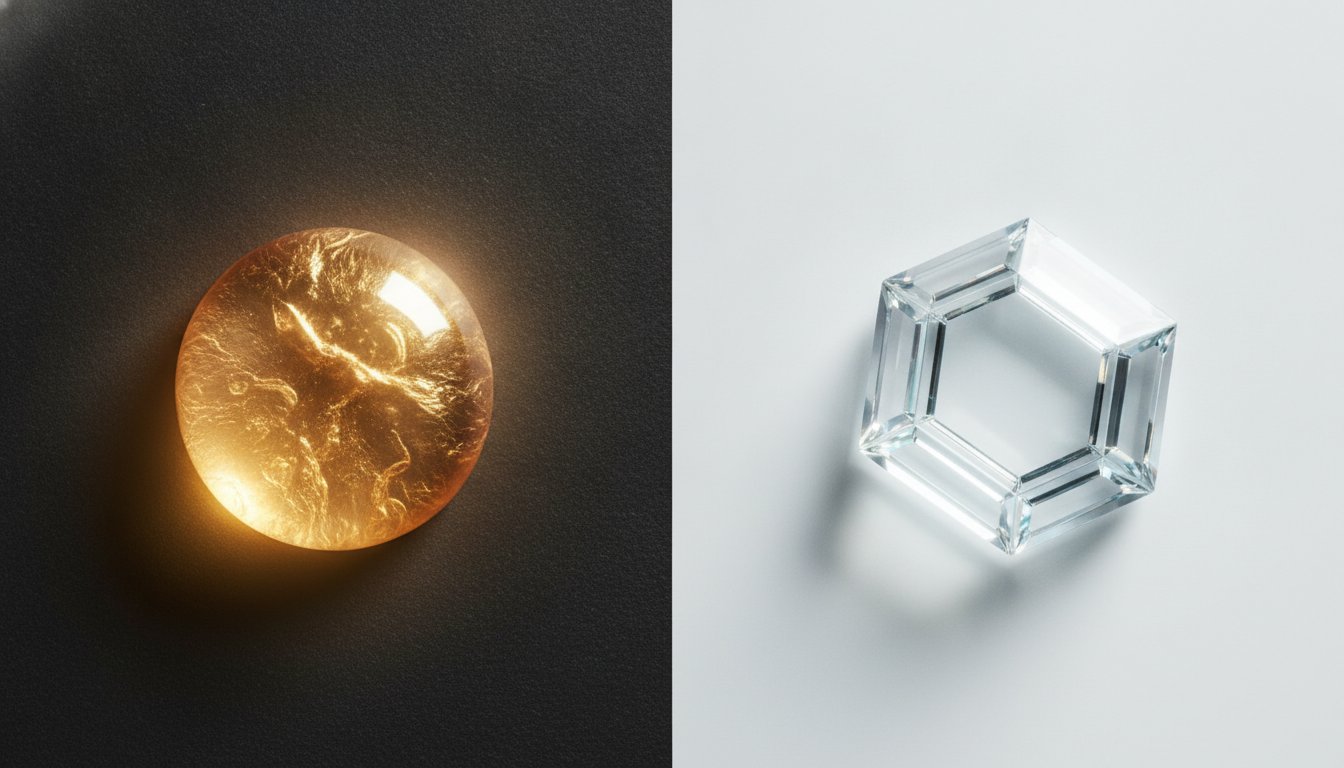
What if the secret to restoring your face’s youthful vitality wasn’t found in a laboratory syringe, but within your own body’s living tissue? It’s completely natural to feel a sense of unease when considering cosmetic enhancements, especially if you fear an artificial, “over-filled” appearance that doesn’t reflect your true self. Many patients feel frustrated by the repetitive cycle of maintenance and the cumulative costs that synthetic options require. When weighing facial fat grafting vs fillers, it’s common to feel caught between the immediate convenience of a quick injection and the desire for a more permanent, holistic solution that ages gracefully with you.
This integrative guide explores the clinical and biological differences between autologous fat transfer and synthetic fillers, helping you choose the best path for your long-term facial health. You’ll discover how using your own tissue can nourish skin texture and support the body’s natural healing intelligence. We will also compare the longevity, recovery expectations, and regenerative benefits of each approach, providing the clarity you need to achieve a refreshed, authentic version of yourself without the anxiety of a “done” look.
Key Takeaways
- Learn how facial volume loss is a natural shift in structural tissue and how an integrative approach restores youthful harmony without an artificial appearance.
- Understand the biological distinction between facial fat grafting vs fillers, comparing the temporary nature of synthetic materials with the long-term vitality of your body’s own tissue.
- Discover why fat grafting offers a permanent solution that integrates into your living anatomy, effectively ending the cycle of frequent and costly filler maintenance.
- Uncover the regenerative benefits of autologous fat transfer, which supports skin quality and provides a healthy, natural glow that synthetic alternatives cannot replicate.
- Gain a practical framework to evaluate your goals and anatomy, helping you decide if the long-term benefits of a surgical solution outweigh the convenience of temporary fixes.
Understanding Facial Volume Loss: More Than Just Wrinkles
When you look in the mirror, you might notice fine lines around your eyes or a slight deepening of the folds near your mouth. It’s easy to view these changes as isolated “problems” to be fixed, but from an integrative perspective, they are signals of a broader biological shift. Facial aging is a natural transition in structural support and tissue vitality rather than a failure of the skin. While surface wrinkles often grab our attention, the most significant changes happen much deeper, where the foundation of the face begins to lose its youthful fullness.
The Biological Roots of Facial Atrophy
The fullness of a youthful face is maintained by deep fat pads that act as a natural cushion. As we age, these pads naturally diminish and shift, leading to a process called facial atrophy. Facial atrophy is a depletion of the body’s natural structural scaffolding. This change can be influenced by several factors:
- Oxidative Stress: Environmental factors and internal metabolic processes can impact tissue health over time.
- Lifestyle Choices: Nutrition and sleep quality play a vital role in maintaining the longevity of facial tissues.
- Natural Redistribution: Fat pads don’t just disappear; they often migrate, changing how light and shadow fall across the face.
Understanding the difference between facial fat grafting vs fillers requires recognizing how these biological changes affect your options. While synthetic materials can provide a temporary lift, they don’t always address the root cause of tissue depletion or support the skin’s underlying health.
The Integrative View of Facial Harmony
By utilizing fat grafting, we use your body’s own living resources to replenish what has been lost. This autologous method aligns with the body’s natural healing intelligence, offering a way to nourish the skin from within. When evaluating facial fat grafting vs fillers, we prioritize solutions that offer long-term harmony and respect the delicate balance of your unique anatomy.
The Science of Restoration: How Fat Grafting and Dermal Fillers Work
Restoring facial volume requires a delicate balance between art and biology. When we compare facial fat grafting vs fillers, we aren’t just looking at two different procedures; we’re looking at two entirely different philosophies of care. Dermal fillers act as a temporary, external support system that masks the signs of aging. In contrast, autologous fat grafting is a restorative process that uses your body’s own living cells to nourish and replenish the facial structure from within. This approach respects the body’s natural healing intelligence by providing a living treatment that integrates into your existing tissue.
The Autologous Fat Transfer Process
The term “autologous” simply means the tissue comes from your own body, which ensures total biological harmony and eliminates the risk of allergic reactions. This process is methodical and precise, focusing on the survival of living cells. First, we gently harvest fat from a donor site, such as the abdomen or thighs, using specialized liposuction techniques designed to protect the integrity of the cells. This tissue is then purified to concentrate the healthiest adipose cells, removing any unnecessary fluids or debris. Finally, these cells are strategically placed using a micro-droplet technique. By injecting tiny amounts of fat in multiple layers, we ensure each cell has access to a blood supply, allowing it to integrate and thrive as a permanent part of your anatomy.
The Mechanism of Dermal Fillers
Modern dermal fillers are primarily composed of hyaluronic acid, a substance naturally found in your skin that has a remarkable ability to attract and hold moisture. When injected, these gel-based formulas provide an immediate structural lift, smoothing out folds and adding volume to sunken areas. While they are biocompatible and highly effective for short-term adjustments, they remain an external addition to your tissue. Over time, your body naturally metabolizes the hyaluronic acid, which is why the effects eventually fade. This makes fillers a helpful tool for those seeking a quick, adjustable change, though they don’t offer the regenerative benefits of a living graft.
Choosing between these paths often depends on whether you prefer a temporary enhancement or a long-lasting biological restoration. According to the American Society of Plastic Surgeons, the decision on facial fat grafting vs facial fillers involves weighing factors like the desired longevity and the level of invasiveness you’re comfortable with. If you’re looking for a solution that supports your body’s natural healing intelligence, you might find that learning more about autologous techniques provides the most reassuring path forward. By understanding the science behind these options, you can make a choice that aligns with your personal vision of health and vitality.
Longevity and Vitality: Comparing Results Over Time
Choosing between temporary fixes and lasting restoration often comes down to how you envision your future self. When evaluating facial fat grafting vs fillers, the concept of longevity is about more than just how many months a product lasts. It’s about how that volume interacts with your living anatomy over decades. Fillers exist as a guest in your tissue, while fat grafting becomes a permanent resident. This distinction fundamentally changes the tactile experience; fat feels soft, warm, and indistinguishable from your natural tissue, whereas synthetic gels can sometimes feel distinct or firm to the touch.
The “living” factor is perhaps the most significant difference. Because fat is autologous tissue, it integrates into your blood supply and ages naturally alongside the rest of your body. It respects your biological rhythms. Fillers, being inert substances, don’t age; they simply stay until they are metabolized. This can eventually lead to a disconnect between the treated areas and the surrounding skin, especially as your underlying bone structure and skin elasticity change over time.
Duration and Maintenance Requirements
Dermal fillers typically offer a window of 6 to 18 months before the body absorbs the material. While this allows for adjustments, it creates a cycle of frequent upkeep. The financial and emotional cost of these repeated visits can become a burden. There is also the physical concern of filler migration. Over many years of repeated injections, synthetic material can shift from its original placement, potentially leading to a distorted or “puffy” appearance that masks your natural features. An American Society of Plastic Surgeons comparison notes that while fillers are excellent for quick, temporary changes, fat grafting provides a permanent integration that synthetics cannot replicate.
The Natural Evolution of Your Results
Once the initial “take” of a fat graft is established, those cells are there to stay. This means your results respond naturally to your life, including minor weight fluctuations. This creates a much more seamless transition between facial zones, avoiding the “over-filled” look that can occur when too much synthetic material is used to compensate for deep volume loss. By supporting the body’s natural healing intelligence, we achieve a look that feels authentic. For a more detailed look at how these techniques are applied in a clinical setting, The Ultimate Guide to Fat Grafting NYC provides a comprehensive look at achieving natural rejuvenation and volume restoration.

Making the Choice: Factors That Influence Your Best Outcome
Deciding on the right path for volume restoration isn’t just a matter of comparing recovery times or costs. It requires an honest look at your unique anatomy and your long-term goals for facial health. Many patients eventually encounter “filler fatigue,” a phenomenon where repeated synthetic injections over many years lead to heavy, less vibrant tissue. If you feel like your skin is losing its natural bounce or looking “puffy” rather than refreshed, it may be a sign that your tissue needs biological support rather than more synthetic gel. When weighing facial fat grafting vs fillers, consider whether you want to continue a cycle of maintenance or invest in a living solution that supports your skin’s underlying health.
An integrative approach often views these treatments not as rivals, but as tools that can sometimes work in harmony. For instance, some individuals benefit from the deep, structural restoration provided by fat grafting while using small amounts of fillers for fine-tuned precision in very specific areas. Achieving this balance depends heavily on the surgeon’s artistic eye. It isn’t just about adding volume; it’s about placing that volume in a way that respects your natural bone structure and mimics the way a youthful face reflects light.
Recovery and Lifestyle Integration
The first 72 hours look quite different for each option. Dermal fillers are often called “lunchtime” procedures because they involve minimal downtime and immediate social readiness. Fat grafting is a surgical process that requires more initial patience. You’ll likely experience swelling and minor bruising as your body works to nourish and integrate the newly transferred cells. Supporting your “whole-body health” through proper nutrition and hydration during this time is essential for ensuring the fat “takes” successfully. While the initial recovery is longer, the reward is a result that never needs to be repeated.
Predictability vs. Permanence
One benefit of hyaluronic acid fillers is their reversibility. If a patient is hesitant about a permanent change, an enzyme called hyaluronidase can dissolve the filler. This makes them a helpful way to “test” a new look. Fat grafting, however, is a commitment to permanence. This procedure requires mastery and a refined technique to ensure a smooth, lasting result that ages gracefully. The ideal candidate is someone who values a “one and done” approach and prefers the restorative benefits of their own living tissue over synthetic alternatives. If you’re ready to move beyond temporary fixes, scheduling a personalized consultation can help you determine which method aligns best with your internal vitality and aesthetic vision.
The Art of Autologous Rejuvenation: Why Fat Grafting is the Integrative Gold Standard
Fat grafting is the ultimate expression of integrative aesthetic medicine because it doesn’t just add volume; it revitalizes the very foundation of your skin. While we’ve discussed the longevity of facial fat grafting vs fillers, the true gold standard lies in the regenerative potential of your own tissue. Your fat is essentially “liquid gold,” containing biological components that synthetic materials simply cannot replicate. By using your own cells, we support the body’s natural healing intelligence to create a result that looks and feels completely authentic. This approach honors the connection between your physical appearance and your total body wellness.
The Regenerative Power of Stem Cells
One of the most significant advantages of fat transfer is the presence of adipose-derived stem cells (ADSCs). These cells are nature’s master restorers. When placed into the face, they do more than just fill a hollow; they actively improve the local blood supply and stimulate the synthesis of fresh collagen. This leads to a noticeable improvement in skin texture and a youthful glow that synthetic fillers cannot provide. Fat grafting is a biological therapy, not just a filler. It works by nourishing the surrounding tissue, which helps to optimize the health of the skin from the inside out. This regenerative effect is a “hidden bonus” that patients often notice months after their procedure, as the skin continues to look more vibrant and healthy.
A Compassionate, Holistic Consultation
Choosing the right path for your face requires a surgeon who understands that facial health is inextricably linked to whole-body health. With over 25 years of experience in specialized fat grafting, Dr. Grossman emphasizes an integrative philosophy that bridges conventional surgery and wellness. This approach is patient-centered, focusing on long-term prevention and natural harmony rather than quick fixes. During a consultation, we look at your unique facial structure and lifestyle to customize a plan that respects your individual anatomy. We believe that when you understand the biological processes at play, you feel empowered to make decisions that support your long-term vitality.
Empowering you to make an informed decision is a core part of our mission. Whether you are looking for a standalone volume restoration or considering more comprehensive options like our Integrative Facelift Guide, the goal is always to protect and support your natural vitality. By choosing a solution that aligns with your body’s biology, you ensure a result that ages gracefully and reflects the energy you feel within. This commitment to autologous techniques ensures that your journey toward rejuvenation is as natural and restorative as possible.
Embrace Your Path to Authentic Restoration
Choosing between facial fat grafting vs fillers is a deeply personal decision that shapes how you’ll age for years to come. While synthetic fillers offer a quick, temporary lift, autologous fat transfer provides a living restoration that integrates seamlessly with your unique anatomy. By utilizing your own tissue, you’re not just adding volume; you’re nourishing your skin with regenerative stem cells and supporting your body’s natural healing intelligence. This integrative approach ensures that your results feel as natural as they look, evolving gracefully alongside you throughout your life.
Dr. Leonard Grossman, a pioneering expert in autologous fat transfer techniques, is dedicated to patient-centered care that prioritizes your long-term vitality. In our state-of-the-art facility, we focus on compassionate healing that respects your whole-body health and unique aesthetic goals. If you’re ready to move beyond the cycle of frequent maintenance and discover a permanent solution for facial harmony, we’re here to guide you. Schedule a Holistic Consultation with Dr. Grossman to explore how we can support your journey toward a more vibrant, authentic self. You deserve a solution that honors your natural beauty and long-term wellness.
Common Questions About Natural Volume Restoration
Is facial fat grafting more painful than getting dermal fillers?
Fat grafting involves more physical sensation than fillers because it requires a donor site harvest. While filler injections are quick and involve minimal discomfort, fat grafting is a surgical procedure performed under sedation or local anesthesia to ensure you remain comfortable. You’ll likely feel some soreness at the donor site and tenderness in the face afterward, but we manage this carefully to support your body’s natural healing intelligence throughout the recovery.
How long does the swelling actually last after a facial fat transfer?
Most visible swelling from a facial fat transfer subsides within 7 to 14 days. While you can often return to social activities after the first two weeks, it takes several months for the living tissue to fully integrate and for the final contours to settle. Patience is essential when comparing facial fat grafting vs fillers, as your body needs time to nourish and stabilize the newly transferred cells for a lasting result.
Can fat grafting go wrong, and is it reversible like fillers?
Fat grafting is a permanent procedure and is not reversible with a simple enzyme injection like hyaluronic acid fillers. Because the transferred fat becomes a living part of your anatomy, any adjustments would require further surgical refinement. This underscores the importance of choosing a practitioner who uses precise micro-droplet techniques to ensure smooth, natural results that harmonize with your facial structure from the very beginning, avoiding the need for corrections.
What happens to the fat if I lose or gain weight later?
Transferred fat cells behave exactly like the other fat cells in your body, meaning they will expand or shrink if you experience significant weight fluctuations. Maintaining a stable weight is vital to preserve the harmony of your results. Because this is an autologous treatment, the fat responds to your body’s biological signals, allowing the restoration to age naturally with you as long as your overall wellness remains consistent.
Are there specific areas of the face where fillers are better than fat?
Dermal fillers are often better for fine-tuning very superficial lines or for patients seeking immediate, adjustable changes in the lips. While fat grafting is the gold standard for deep structural hollowing and overall rejuvenation, fillers remain a helpful tool for surface-level refinements. In an integrative approach, we might even combine these methods to achieve the most comprehensive and vibrant outcome for your specific anatomical needs.
Does the fat used in the transfer come from my own body?
Yes, the fat used in this procedure is autologous, meaning it is harvested directly from your own body. We typically collect healthy adipose cells from areas like the abdomen or thighs through a gentle purification process. This ensures total biological compatibility and eliminates the risk of allergic reactions, supporting your body’s natural healing intelligence by using your own living tissue to restore lost facial volume and vitality.
How much does fat grafting cost compared to a lifetime of fillers?
Fat grafting is often more cost-effective over a lifetime, even though the initial investment is higher than a single filler session. Fillers require repetitive maintenance every 6 to 18 months, which leads to high cumulative costs and the risk of suboptimal tissue health over time. When analyzing facial fat grafting vs fillers, the permanent nature of autologous transfer provides a long-term solution that ends the perpetual cycle of synthetic injections.