Skip to content
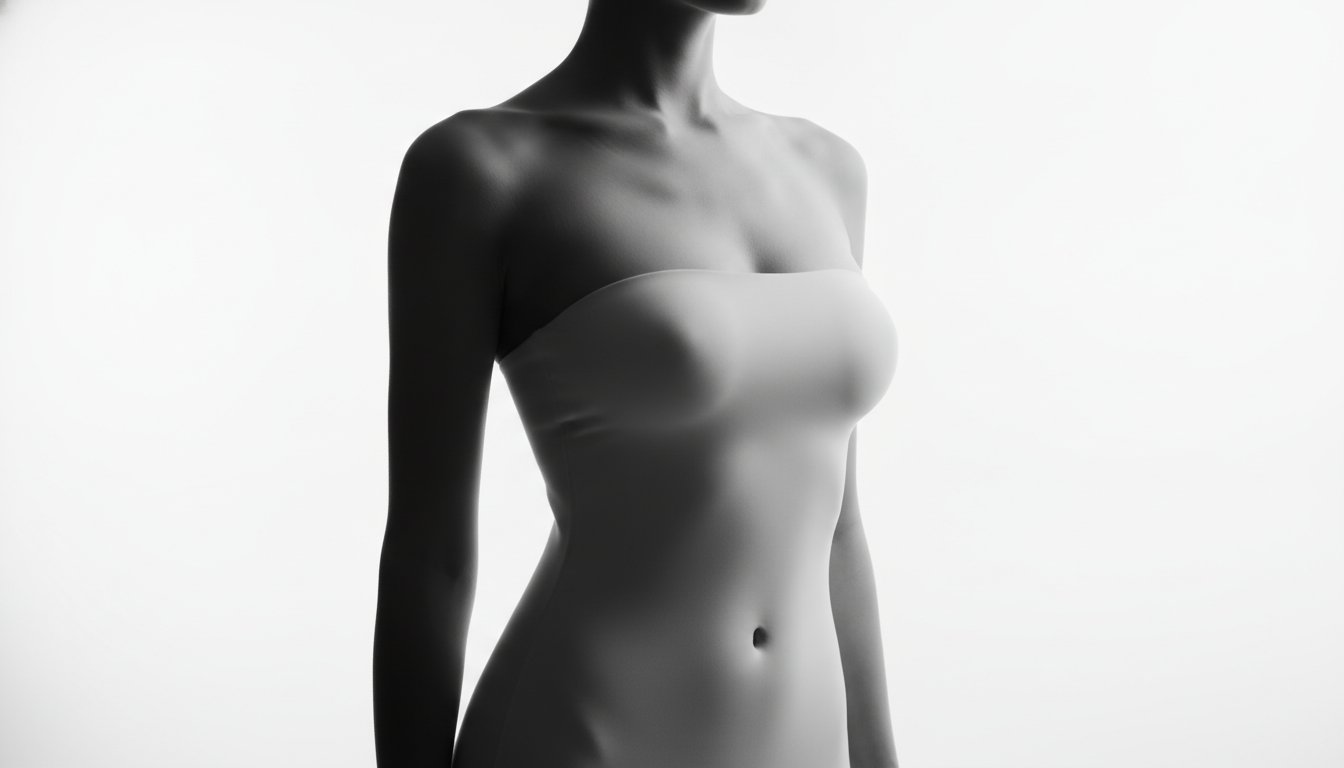
What if the most natural way to enhance your silhouette didn’t involve a single incision on your breasts? When weighing TUBA vs fat transfer for breast augmentation, you’re essentially choosing between two different paths toward biological harmony. It’s completely normal to feel a bit of anxiety about placing foreign objects in your body or worrying about visible surgical scars that might give your secret away. You want results that feel like a genuine part of you, not something added to you.
This guide will demystify the critical differences between Transumbilical Breast Augmentation (TUBA) and fat grafting so you can choose the approach that best supports your body’s unique healing intelligence. We’ll explore how each method achieves a scarless appearance, the longevity of the results, and which procedure aligns most closely with your personal wellness philosophy. By understanding the science behind these integrative techniques, you can move forward with a sense of empowerment and peace of mind. Discover how to achieve the volume you desire while maintaining the vital functions and natural feel of your body.
Key Takeaways
- Learn how Transumbilical Breast Augmentation (TUBA) uses the belly button as a discreet gateway to achieve volume without any incisions on the breast tissue itself.
- Examine the critical differences between TUBA vs fat transfer for breast augmentation to determine which procedure best supports your personal goals for a harmonious and natural silhouette.
- Understand the science of fat grafting, where your own purified adipose tissue is used to nourish and enhance your breasts while simultaneously sculpting donor areas like the thighs or abdomen.
- Discover how to balance the predictability of precision volume with the desire for a procedure that feels completely natural and moves with your body.
- Gain clarity on how an integrative, patient-centered evaluation ensures your choice aligns with your holistic view of health and long-term wellness.
Understanding Modern Breast Enhancement: TUBA and Fat Grafting Defined
Choosing the right path for your body requires more than just picking a procedure; it requires an understanding of how different techniques interact with your natural anatomy. When we look at TUBA vs fat transfer for breast augmentation, we see two distinct philosophies aimed at a singular, harmonious goal. Both methods prioritize a result that feels like a natural extension of your own vitality rather than an artificial addition. This approach focuses on integrative aesthetics, where the enhancement supports the body’s natural lines and long-term health.
Trans-umbilical breast augmentation (TUBA) is a refined surgical technique where saline implants are gently guided into place through a small incision hidden within the umbilicus, or belly button. This approach bypasses the breast tissue entirely, leaving no marks on the chest. On the other hand, Fat Transfer, or autologous fat grafting, involves harvesting your own adipose tissue from areas like the thighs or abdomen. Once purified, this fat is carefully used to nourish and volumize the breast. Both methods aim to achieve volume with minimal visible evidence of surgery, protecting your privacy and your peace of mind.
The Philosophy of the Scarless Breast
For many women, the fear of visible surgical scars is a significant emotional barrier. You want to feel confident in your skin without a permanent reminder of a medical intervention. Both TUBA and Fat Transfer solve this “scar anxiety” by utilizing entry points that are either naturally hidden or incredibly small. This shift toward “scarless” results reflects a deeper desire for authenticity. We aren’t just looking for volume. We’re looking for a result that moves, feels, and ages as gracefully as you do. When your enhancement is virtually undetectable, it allows your natural beauty to take center stage.
Who is the Ideal Candidate for Natural Enhancement?
Determining which method is right for you depends on your unique physical blueprint. Understanding the nuances of TUBA vs fat transfer for breast augmentation helps you feel empowered in your decision-making process. If you’re considering fat grafting, you’ll need a sufficient “donor site” where excess fat can be harvested. This makes it an excellent choice for those who want to sculpt their midsection or thighs while subtly increasing breast volume. However, if you’re leaner or desire a more significant, predictable increase in size, TUBA might be the more effective option. Because TUBA uses saline implants, it offers a predictability that fat grafting sometimes lacks, as the body may naturally absorb a portion of the transferred fat. We always evaluate your whole-body health and anatomical framework to ensure the chosen path aligns with your long-term wellness.
The TUBA Advantage: Precision Augmentation via the Umbilicus
When you begin comparing TUBA vs fat transfer for breast augmentation, the delivery method is often the most surprising factor. Transumbilical Breast Augmentation, or TUBA, represents a significant leap in surgical innovation by moving the entry point away from the chest entirely. The process begins with a discreet incision hidden within the natural folds of the belly button. From this single point, a specialized instrument creates a gentle pathway up to the breast area, where a pocket is carefully prepared to house the implant. This remote access is the cornerstone of the procedure’s appeal, as it protects the aesthetic integrity of the breasts while providing the volume you desire.
Because the implant must travel through a narrow tunnel from the abdomen, saline is the exclusive choice for this technique. These implants are inserted while they are empty and rolled up, much like a tiny scroll; they’re only filled with sterile salt water once they are perfectly positioned within the breast pocket. This allows for a much smaller incision than traditional methods. One of the most reassuring aspects of this “no-touch” approach is that the surgeon doesn’t need to cut through the breast tissue. Consequently, the milk ducts and delicate nerves remain entirely intact. This preserves the vital functions of the breast and significantly reduces the risk of losing nipple sensation, which is a common anxiety for many patients.
Why the Umbilical Incision is a Game Changer
The beauty of the umbilical incision lies in its invisibility. Once healed, the scar is tucked away in the shadows of the umbilicus, making it virtually impossible for anyone to see, even in a swimsuit. This approach offers a profound sense of privacy. TUBA stands alone as the only surgical method that leaves the breast skin completely untouched by a scalpel. By avoiding incisions on the breast itself, the recovery process is often smoother, as there’s no tension on the breast skin or delicate tissue during the initial healing phase.
Safety and Longevity of Saline Implants in TUBA
Saline implants offer a unique peace of mind that aligns with a holistic view of health. If a leak ever occurs, your body simply absorbs the sterile solution without any adverse effects. While autologous fat grafting offers a bio-identical alternative for those seeking a different path, TUBA remains a refined surgical art for those wanting more significant, immediate volume. Modern saline designs provide a natural-looking bounce and a soft, supple silhouette that mimics the movement of natural tissue. If you’re curious about how this technique might suit your specific anatomy, you can explore the possibilities of TUBA Breast Augmentation during a personal consultation where we focus on your whole-body wellness.
Breast Augmentation via Fat Transfer: The Power of Autologous Tissue
While the TUBA technique offers a sophisticated surgical path for those seeking implants, fat transfer represents a different kind of biological innovation. This approach relies entirely on your body’s own regenerative potential, using what we call autologous tissue. When considering TUBA vs fat transfer for breast augmentation, many women find a deep sense of peace in the fact that no foreign objects are required. Instead, we use your own living cells to nourish and enhance your silhouette. This is the ultimate integrative surgery. It works in harmony with your existing anatomy to create a result that isn’t just natural looking, but naturally yours.
The experience of fat-grafted breasts is unique. Because the volume comes from your own adipose tissue, the results are soft, warm to the touch, and move exactly like natural breast tissue. There’s a dual benefit to this method that many patients find empowering. We use gentle liposuction to harvest fat from “donor areas” where you might have a surplus, such as the abdomen or thighs. This allows us to sculpt one area of your body while simultaneously enhancing your chest. It’s a holistic way to redistribute your body’s resources to achieve a more balanced and harmonious frame.
The Harvesting and Purification Process
The success of this procedure depends heavily on the vitality of the harvested cells. We use specialized, low-pressure liposuction techniques to ensure the fat cells remain intact and healthy during the collection phase. Once harvested, the tissue undergoes a meticulous purification process. We use centrifugation to separate the pure, viable fat cells from unwanted fluids and oils. This step is vital for optimizing the “take” or survival rate of the transferred fat. By only injecting the most robust cells, we support the body’s natural healing intelligence and ensure long-lasting, stable volume.
Regenerative Benefits Beyond Volume
One of the most remarkable aspects of Fat transfer breast augmentation is its impact on skin quality. Adipose tissue is naturally rich in regenerative stem cells. When these cells are introduced into the breast, they do more than just provide volume; they can actually improve the texture and elasticity of the overlying skin. This is why many practitioners refer to this as an “organic” augmentation. It’s a procedure that supports the long-term health of the tissue while providing a subtle, sophisticated increase in size. If you desire a modest enhancement that aligns with a whole-body health philosophy, this path offers a beautiful, living solution.

TUBA vs. Fat Transfer: A Comparative Framework for Decision Making
Choosing between these two methods involves balancing your desire for precision with your preference for biological materials. When comparing TUBA vs fat transfer for breast augmentation, the most immediate difference is predictability. TUBA offers a “one-and-done” solution where you select a specific volume, measured in cubic centimeters (cc), before you even enter the operating room. This structured approach is ideal if you have a very specific goal for your silhouette. Fat grafting, however, is a more fluid process. It’s a subtle build where the final volume depends on how many fat cells successfully integrate into their new home.
The physical experience of each procedure also differs. TUBA results in a more structured lift, while fat transfer provides the ultimate biological softness. Recovery paths diverge as well; TUBA involves healing a single, hidden incision in the belly button, whereas fat transfer requires you to care for tiny liposuction nicks at the donor sites. Both paths prioritize the absence of scars on the breasts, but they achieve this through very different surgical journeys. One utilizes a refined delivery of saline, while the other redistributes your body’s own vital resources.
Comparing Results: Predictability vs. Biological Harmony
If you’re looking to correct significant asymmetry, TUBA often provides the most reliable correction because we can use different implant sizes to achieve balance. Fat transfer is better suited for those seeking a modest increase, typically about one cup size, or for patients who want to fill in specific contours for a more harmonious look. Your body’s “acceptance” of the graft is a variable we monitor closely. It’s a living process that honors your unique physiology. This makes fat transfer a favorite for those who prioritize a result that is entirely bio-identical and moves in perfect sync with their natural frame.
Longevity and Future Maintenance
Understanding the lifecycle of your results is essential for long-term peace of mind. Once fat cells survive the initial transfer, they’re permanent residents of your breast tissue. They’ll grow and shrink naturally with your weight fluctuations, just like the rest of your body. Saline implants, while durable, generally have a lifecycle of 10 to 15 years before a replacement might be considered. Weight changes affect implants less than fat, though your natural tissue will still age around them. If you’re ready to explore an integrative approach to breast enhancement, we can help you navigate these choices with clinical authority and genuine care.
The Integrative Path to Breast Enhancement with Dr. Leonard Grossman
Choosing between TUBA vs fat transfer for breast augmentation is a deeply personal decision that goes beyond simple aesthetics. Dr. Leonard Grossman approaches this choice by evaluating the whole person, looking at how a procedure integrates with your unique lifestyle and long-term vitality. Our commitment to a “No Scars on the Breasts” philosophy isn’t just about vanity; it’s about supporting your body’s natural healing intelligence and preserving your privacy. When your breasts remain untouched by a scalpel, you can enjoy your results with a profound sense of peace and empowerment. This patient-centered focus ensures that the path we choose together aligns with your holistic view of health.
Healing isn’t just a surgical outcome; it’s a systemic process that requires a multifaceted approach. We provide specific nutritional support and lifestyle guidance to optimize your recovery and ensure the best possible results. By addressing factors like oxidative stress and ensuring high bioavailability of essential nutrients, we nourish your body from the inside out. This integrative approach helps maintain vital functions and ensures that your new volume, whether from saline or your own tissue, becomes a harmonious part of your life. We believe that a successful procedure should leave you feeling more like yourself, not like a patient.
The Grossman Difference in NYC and Beyond
Dr. Grossman has spent decades as a pioneer, refining the TUBA technique to ensure it remains a safe, minimally invasive option for those seeking precision and predictability. For patients leaning toward autologous tissue, our advanced fat grafting protocols are meticulously designed to ensure the highest possible cell survival. We don’t just move fat; we transplant living tissue with the goal of restoring natural vitality and youthful volume that looks and feels authentic. This expertise allows us to offer solutions that traditional medicine often overlooks, bridging the gap between conventional surgery and alternative healing.
Your Next Steps Toward Natural Beauty
If you’re ready to take the next step, preparing for a consultation is a collaborative journey toward self-empowerment. Whether you choose a virtual or in-person session, we focus on demystifying the science of TUBA vs fat transfer for breast augmentation so you can make an informed choice. It’s essential to partner with a surgeon who masters both techniques, as this ensures the recommendation is based on your unique anatomical needs rather than a limited skill set. Your body’s inherent intelligence, when combined with decades of surgical expertise, creates the foundation for a result that truly honors your health. We’re here to guide you toward a silhouette that reflects your best, most vibrant self.
Empowering Your Choice for a Harmonious Silhouette
Navigating the nuances of TUBA vs fat transfer for breast augmentation allows you to reclaim agency over your aesthetic journey. Whether you’re drawn to the surgical precision and “scarless” delivery of TUBA or the regenerative, living tissue benefits of fat grafting, your decision should align with your whole-body health. You don’t have to settle for traditional methods that leave visible reminders of surgery. Instead, you can choose a path that honors your body’s natural lines and supports its inherent healing intelligence.
As a pioneer in both TUBA and natural fat grafting with over 25 years of aesthetic excellence, Dr. Leonard Grossman focuses on providing solutions that prioritize your long-term vitality and whole-body rejuvenation. By choosing an integrative approach, you’re investing in a procedure that respects your anatomy and your privacy. If you’re ready to explore which technique best nourishes your sense of self-confidence, we’re here to guide you through every step of the process. Schedule your integrative consultation with Dr. Grossman to find your perfect fit. Your path to natural beauty is a collaborative one, and we look forward to supporting your transition toward a more vibrant, harmonious you.
Frequently Asked Questions
Is TUBA safer than traditional breast augmentation?
TUBA is considered safer for the preservation of breast anatomy because the procedure avoids any contact with the mammary glands or milk ducts. Since the entry point is the umbilicus, there’s no risk of damaging the delicate nerves that provide sensation to the nipple. Additionally, the use of saline implants ensures that any potential leak is harmlessly absorbed by your body, supporting your overall health and peace of mind.
How much volume can I actually gain with fat transfer to the breasts?
Most patients gain approximately one cup size during a single fat grafting session. The final volume depends on your body’s ability to nourish the new cells and the amount of donor fat we can harvest from areas like your thighs or abdomen. If you desire a more significant increase when weighing TUBA vs fat transfer for breast augmentation, multiple sessions or a hybrid approach might be more effective for your goals.
Will my belly button look different after a TUBA procedure?
Your belly button will maintain its natural appearance because the incision is placed deep within its internal folds. As the area heals, the small scar becomes tucked away and virtually undetectable to the naked eye. This method allows you to enjoy enhanced volume without any visible markers on your chest or abdomen. It’s a discreet way to protect your privacy while achieving a beautifully balanced silhouette.
What happens if I lose weight after a breast fat transfer?
Transferred fat cells behave exactly like the fat in the rest of your body. If you experience significant weight loss, these cells will naturally shrink, which may lead to a decrease in breast volume. Maintaining a stable weight after your procedure is the best way to protect your results. This ensures the longevity of the biological harmony we’ve achieved through using your body’s own living resources.
Can TUBA and fat transfer be combined for a hybrid result?
Combining these techniques is an excellent way to achieve a hybrid result that offers both precision and softness. We can use the TUBA method to establish a foundational volume with saline implants and then use fat grafting to refine the contours and soften the edges. This integrative approach is often the ideal solution for those who want the predictability of an implant with the bio-identical feel of natural fat.
How long is the recovery time for TUBA compared to fat grafting?
Recovery from TUBA is often faster regarding the breast area itself since there are no incisions on the chest. Most patients return to light activities within a few days. Fat grafting involves a slightly different healing path, as you’ll also need to care for the liposuction donor sites. When deciding on TUBA vs fat transfer for breast augmentation, consider that both procedures avoid the long downtime associated with traditional surgery.
Are there any risks of fat necrosis with breast fat transfer?
Fat necrosis can occur if the transferred cells don’t receive an adequate blood supply, leading to small, firm lumps. While this is a known risk, our advanced purification and high-survival grafting protocols significantly minimize this possibility. By carefully prepping the tissue and using gentle injection techniques, we support the body’s natural healing process. This ensures the fat integrates smoothly and safely into your existing breast tissue.
Why do many surgeons not offer the TUBA technique?
Many surgeons don’t offer TUBA because it requires specialized instrumentation and a high level of technical mastery that isn’t part of standard surgical training. It’s a refined art that demands patience and precision to navigate the pathway from the umbilicus to the breast. Dr. Grossman has spent decades perfecting this technique to offer a truly scarless alternative for patients who prioritize whole-body health and natural results.