Skip to content
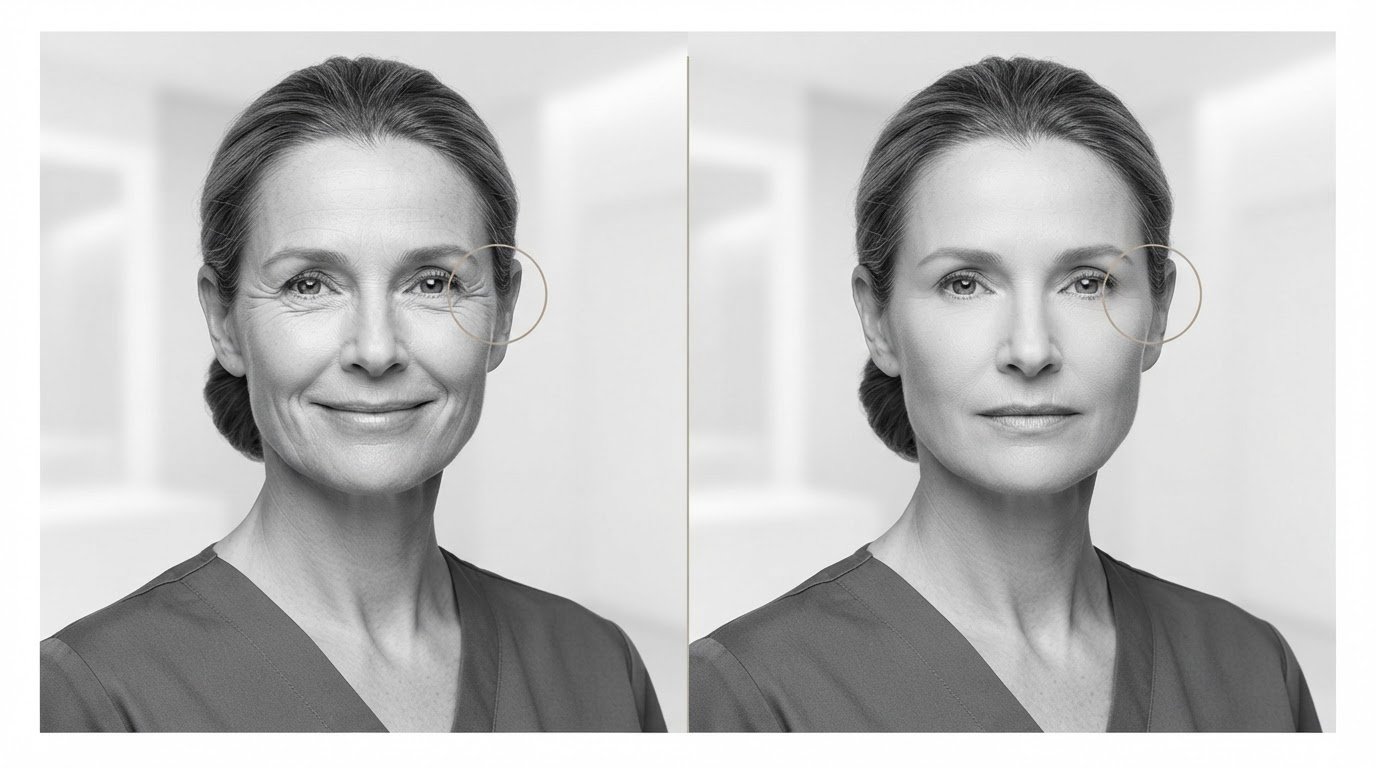
Have you ever caught your reflection and wondered why you look exhausted even after a full night’s sleep? It’s a common frustration when your outer appearance doesn’t match the vibrant energy you feel inside. Perhaps you’ve noticed your peripheral vision becoming slightly obscured by heavy lids, or maybe those persistent under-eye bags simply refuse to respond to the most nourishing creams. If you feel like your eyes are telling a story of fatigue that isn’t yours, you aren’t alone. Modern eyelid surgery has evolved into a sophisticated, integrative art form that does much more than just remove excess skin.
We understand that your eyes are the windows to your overall vitality. You deserve a solution that respects your unique facial anatomy while supporting your long-term wellness. In this guide, you’ll discover how a thoughtful approach to eyelid surgery can restore a rested, vibrant appearance and improve your field of vision. We will explore the bridge between clinical precision and holistic care, showing you how to achieve lasting results that honor your body’s natural intelligence and keep you looking as refreshed as you feel.
Key Takeaways
- Understand the biological shifts that cause eyelids to stretch and muscles to weaken, affecting both your visual clarity and facial harmony.
- Discover how an integrative approach to eyelid surgery prioritizes fat repositioning and volume preservation to avoid a hollowed-out look and ensure a refreshed, natural appearance.
- Learn to identify the physical signs of periorbital aging, including the persistent “tired look” and forehead strain caused by heavy lids.
- Explore holistic recovery strategies that emphasize tissue-supporting nutrition to nourish your body and optimize the healing process after your procedure.
- Prepare for your consultation with a checklist of questions designed to help you find a surgical partner who views your aesthetic goals through the lens of whole-body health.
What is Eyelid Surgery? Beyond the Basics of Blepharoplasty
The eyes don’t age in isolation. They are the most expressive feature of the face, constantly communicating our emotions and our internal state of health. As we transition through different stages of life, the delicate tissues surrounding our eyes undergo a natural biological shift where the skin loses its resilient elasticity and the underlying structural muscles begin to soften. Known clinically as Blepharoplasty, this procedure is a specialized surgical intervention designed to rejuvenate the periorbital area by addressing these specific physiological changes. It’s a precise art that requires a deep understanding of how the eyelids stretch and why the supporting structures weaken over time.
An integrative approach to eyelid surgery views the procedure as more than just a cosmetic correction; it’s a way to restore the eyes’ natural expressive power while supporting whole-body vitality. While the primary goal is often to refresh a “tired” appearance, the objectives vary depending on whether we are focusing on the upper or lower lids. Upper eyelid surgery typically targets the heavy, hooded skin that can weigh down the lashes, while lower eyelid surgery addresses the puffiness and “bags” that disrupt the smooth transition between the eye and the cheek. By balancing surgical precision with a commitment to long-term facial harmony, we can achieve results that look inherently natural.
The Anatomy of a Youthful Eye
Understanding the architecture of the eye is essential for successful rejuvenation. Youthful eyes are characterized by smooth contours and a seamless “lid-cheek junction.” Within the eye socket, orbital fat pads provide necessary cushioning for the globe. With age, the orbital septum, a thin membrane that holds this fat in place, begins to weaken. This allows the fat to bulge forward, creating what we perceive as under-eye bags. Additionally, the “tear trough,” the hollow area that runs from the inner corner of the eye down toward the cheek, can become more pronounced as facial volume shifts. Because eyelid health often reflects systemic wellness, maintaining the integrity of these tissues is a vital component of supporting your overall facial vitality.
Cosmetic vs. Functional Blepharoplasty
For many individuals, the motivation for eyelid surgery is functional rather than purely aesthetic. When the upper lids droop significantly, a condition sometimes called ptosis, they can physically block the upper portion of your peripheral vision. This makes daily tasks like reading or driving more strenuous and often leads to chronic forehead fatigue as you subconsciously use your brow muscles to lift your lids. According to 2023 market data, upper eyelid procedures account for approximately 66.3% of the global market share, highlighting how common these concerns are. Whether the goal is to improve your field of vision or simply to look as rested as you feel, the focus remains on supporting the eye’s natural function and expressive clarity without creating a “surprised” or “different” look.
Signs You May Benefit from an Eyelid Procedure
Beyond the aesthetic changes, many people experience physical sensations that indicate a need for rejuvenation. You might notice a feeling of “heaviness” in your upper lids by the end of the day, or find yourself subconsciously raising your eyebrows just to clear your field of vision. This constant muscle engagement can lead to chronic forehead strain and tension. While exploring these physical indicators, it’s also helpful to understand eyelid surgery risks and recovery to ensure you’re making a balanced and informed choice for your wellness journey.
Upper Lid Concerns: Heaviness and Vision
When the skin of the upper eyelid loses its resilience, it begins to sag, often resting directly on the eyelashes. This doesn’t just create a hooded appearance; it can cause physical irritation and a noticeable loss of the natural eyelid crease. In more advanced cases, this skin laxity begins to impede your daily activities by obstructing your peripheral vision. If you find yourself tilting your head back to see clearly or struggling with eye fatigue during tasks like reading or driving, the underlying cause is often functional rather than purely cosmetic.
Lower Lid Concerns: Puffiness and Dark Circles
Lower lid concerns often manifest as persistent puffiness or bags that create permanent shadows, often referred to as “dark circles.” It’s important to distinguish between simple fluid retention, which fluctuates throughout the day, and true fat herniation, where the internal fat pads have shifted forward. As we age, the natural loss of cheek volume can make these lower lid bags look even more prominent by creating a hollowed-out “tear trough.” For those seeking a permanent solution for under-eye hollows, fat grafting offers a sophisticated way to restore lost volume using your body’s own natural resources. Identifying these subtle shifts in your anatomy can help you determine if eyelid surgery is the right path to support your body’s natural healing intelligence and vibrant expression.
The Integrative Approach to Eyelid Rejuvenation: Techniques and Artistry
Modern eyelid surgery has undergone a profound transformation. In the past, the standard approach was often reductive, focusing primarily on the aggressive removal of skin and fat. This sometimes resulted in a “hollowed-out” or skeletal appearance that actually aged the face rather than refreshing it. Today, an integrative philosophy prioritizes volume restoration and biological harmony. We believe that “less is more” when it comes to surgical excision. By preserving as much natural tissue as possible and focusing on structural integrity, we can achieve results that honor your unique facial anatomy and long-term vitality.
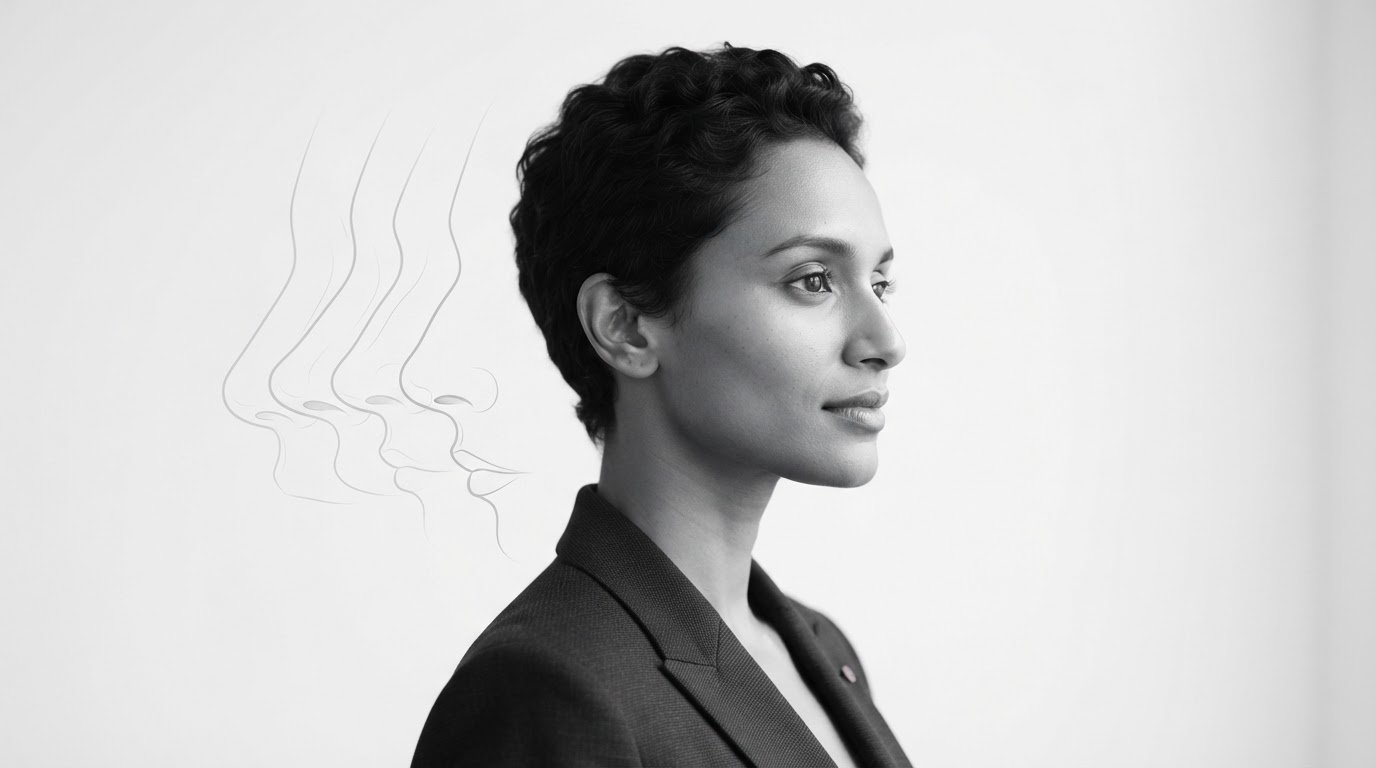
A skilled integrative surgeon doesn’t just look at the eyelids; they assess the entire facial landscape. This involves analyzing how the brow position, cheek volume, and even the bridge of the nose interact with the periorbital area. The goal is to maintain the unique character of your eyes while smoothing out the transitions between different facial zones. Techniques like fat repositioning allow us to take the fat that is causing a “bulge” and move it into the adjacent “hollow” areas. This creates a seamless, youthful contour that reflects your inner energy without looking like you’ve had surgery.
Advanced Techniques for Lasting Results
Precision is the foundation of a successful procedure. We often prefer muscle-sparing techniques that protect the delicate fibers of the orbicularis oculi, which is the muscle responsible for closing your eyes and expressing emotion. This approach reduces recovery time and maintains the eye’s natural shape. To achieve total facial balance, some patients find that a rhinoplasty or a subtle brow lift can complement the work done on the eyelids. Additionally, laser resurfacing can be utilized during the same session to improve skin texture and soften the fine lines that surgery alone cannot address.
The Power of Fat Grafting
One of the most significant advancements in eyelid surgery is the use of fat grafting to restore youthful plumpness. While temporary dermal fillers can provide a quick fix, they often attract water and can lead to a puffy, unnatural look over time. Fat is a living, bioavailable tissue that integrates permanently with your own cells. It’s rich in natural stem cells and growth factors that actually improve the quality of the overlying skin. By transferring small amounts of your own fat to the tear troughs or the lid-cheek junction, we nourish the area from the inside out, supporting your body’s natural healing intelligence for results that truly last.

Navigating the Recovery Process: Supporting Your Body’s Natural Healing
Recovery is far more than a period of waiting; it’s a proactive journey where you partner with your body’s natural healing intelligence. After eyelid surgery, the initial phase focuses on managing the inflammatory response with compassion and patience. Most patients find that swelling and bruising peak between 48 and 72 hours after the procedure. This is a natural part of the tissue repair process. Using cold compresses and keeping your head elevated supports the drainage of fluids and keeps you comfortable as your body begins its restorative work.
By the time you reach the 10 to 14 day mark, most visible bruising has resolved, allowing you to return to work and social activities with a refreshed outlook. While you may feel ready to jump back into your full routine, it’s vital to allow the deeper tissues to settle. We recommend waiting at least 3 to 4 weeks before resuming strenuous exercise. This patience protects the delicate work performed and ensures that your final, refined results, which emerge fully over 3 to 6 months, are as vibrant as possible.
Integrative Healing Protocols
To optimize the “nourishment phase” of your recovery, focus on nutrients that support cellular repair. Vitamin C and Zinc are essential for collagen synthesis and tissue integrity, providing the bioavailability your body needs to seal incisions beautifully. Proper hydration is equally critical; it maintains skin elasticity and helps your system flush out metabolic waste. Once you’re cleared by your practitioner, gentle movement or specialized lymphatic massage can further support the reduction of lingering swelling and promote a feeling of overall wellness.
Long-Term Maintenance of Your Results
Protecting your investment requires a commitment to shielding your eyes from oxidative stress. UV light is a primary driver of skin aging, so high-quality sunglasses and a holistic skincare routine are your best allies in maintaining the thin, delicate skin of the eyelids. Beyond topical care, your results are built on a foundation of internal vitality. Maintaining whole-body health ensures that your facial harmony ages gracefully alongside your total system. When you nourish your body from the inside out, your eyes continue to reflect that inner glow for years to come. To begin your journey toward a more vibrant appearance, contact us today to discuss your goals for eyelid surgery.
Preparing for Your Consultation: Questions for Your Aesthetic Partner
Choosing to undergo eyelid surgery is a significant step toward reclaiming your natural vitality. The consultation shouldn’t feel like a high-pressure sales meeting; instead, it should be a mentor-led educational session where you feel empowered to make informed decisions about your care. A pioneering expert will view your eyes not as isolated features, but as an integrated system connected to your overall facial harmony and whole-body health. This is the time to ensure your aesthetic partner shares your philosophy of preservation over aggressive removal.
During your visit, come prepared with specific questions that reveal the surgeon’s approach to biological harmony. A personalized surgical plan is essential because a “cookie-cutter” approach often fails to account for the unique way your tissues age. Reviewing “before and after” photos of patients with similar facial structures is vital. It allows you to see how the surgeon handles specific anatomical challenges similar to your own, ensuring their artistic vision aligns with your personal goals. Consider including these questions in your checklist:
- Do you prioritize fat repositioning over fat removal to prevent a hollowed look?
- How do you ensure the results respect my unique facial character and expressive power?
- What integrative protocols do you recommend to support my body’s natural healing intelligence during recovery?
Defining Your Aesthetic Goals
Communicating your desire to look “rested” can feel vague, but a skilled practitioner will help you translate that feeling into concrete anatomical objectives. They should provide honest guidance on what can be achieved through eyelid surgery while managing expectations about the interplay between your skin quality and underlying structure. This transparency builds the inherent trustworthiness necessary for a successful partnership. If a surgeon promises a total transformation rather than a refreshed version of yourself, it may be a sign that their philosophy doesn’t align with a natural, integrative approach.
Choosing an Elite Practitioner
Look for a specialist who possesses deep experience in both reconstructive and cosmetic eye surgery. This dual expertise ensures they understand the intricate mechanics of the eye as well as the nuances of facial beauty. It’s essential to find a surgeon who prioritizes natural contours, as this commitment to subtlety is what prevents a “done” appearance and ensures your results age gracefully. Many patients who seek eyelid rejuvenation also benefit from researching how to find the best facelift surgeon NYC to address complementary areas of facial aging through the same integrative lens. When your surgeon views your procedure through the lens of whole-body wellness, the outcome is often a more vibrant, authentic reflection of your inner health. Ready to rediscover your eyes? Schedule your integrative consultation today.
Embracing a More Vibrant and Authentic You
Your eyes are the most profound reflection of your inner health and energy. We’ve explored how modern eyelid surgery has shifted away from aggressive, reductive techniques toward a more sophisticated, integrative art form. By prioritizing volume preservation and supporting your body’s natural healing intelligence through targeted nutrition, you can achieve a look that is truly refreshed rather than merely “done.”
Dr. Leonard Grossman brings over 30 years of surgical expertise to every patient, specializing in natural volume restoration through fat grafting and an integrative approach to facial rejuvenation. This philosophy ensures your results honor your unique anatomy while promoting long-term facial harmony and whole-body wellness. You deserve to look as vibrant as you feel inside.
Begin your journey to refreshed eyes with Dr. Leonard Grossman
Take the first step toward a more rested and empowered version of yourself today. We’re here to guide you through every stage of this transformative process with care, science, and clinical excellence.
Frequently Asked Questions
How long does the swelling last after eyelid surgery?
Swelling typically peaks within the first 48 to 72 hours and begins to subside significantly after the first week. Most patients feel comfortable returning to social activities within 10 to 14 days; however; subtle residual swelling may continue to refine for three to six months. This timeframe allows your tissues to fully integrate and your body’s natural healing intelligence to complete the restorative process.
Can blepharoplasty fix dark circles under the eyes?
Blepharoplasty is highly effective for dark circles caused by shadows from protruding fat pads or hollow tear troughs. By using fat repositioning or fat grafting, we can smooth the lid-cheek junction and eliminate these structural shadows. If your dark circles are caused by skin pigmentation rather than shadows, we may suggest complementary laser resurfacing to nourish and improve the skin’s tone.
Is eyelid surgery painful during or after the procedure?
Most patients describe the sensation after eyelid surgery as a feeling of “tightness” or mild soreness rather than acute pain. You’ll be kept comfortable with anesthesia during the procedure to ensure a peaceful experience. Afterward; we focus on supporting your recovery with cold compresses and rest, which typically manages discomfort effectively without the need for heavy medication.
At what age should I consider having eyelid surgery?
There isn’t a specific “perfect” age for this procedure because the timing depends on your unique anatomy and aesthetic goals. While many individuals seek rejuvenation in their 40s or 50s; an increasing number of patients in their late 20s and 30s choose early intervention to address hereditary puffiness. The focus is always on supporting your long-term facial harmony and whole-body wellness.
Will eyelid surgery leave visible scars?
Incisions are meticulously placed within the natural folds of your eyelids to ensure that any resulting scars are nearly invisible to the naked eye. For upper lids, the incision sits in the natural crease; for lower lids, it’s often placed just below the lash line or inside the eyelid. These fine lines typically fade and soften significantly over the first few months of your recovery.
How long do the results of a blepharoplasty typically last?
The results of eyelid surgery are remarkably long-lasting, with lower lid corrections often being permanent as the fat pads rarely return. Upper eyelid rejuvenation typically lasts five to seven years or more, depending on your skin’s natural elasticity. You can protect your investment by maintaining a holistic wellness routine and consistent sun protection to support the thin, delicate eyelid skin.
Can I combine eyelid surgery with other facial procedures like a neck lift?
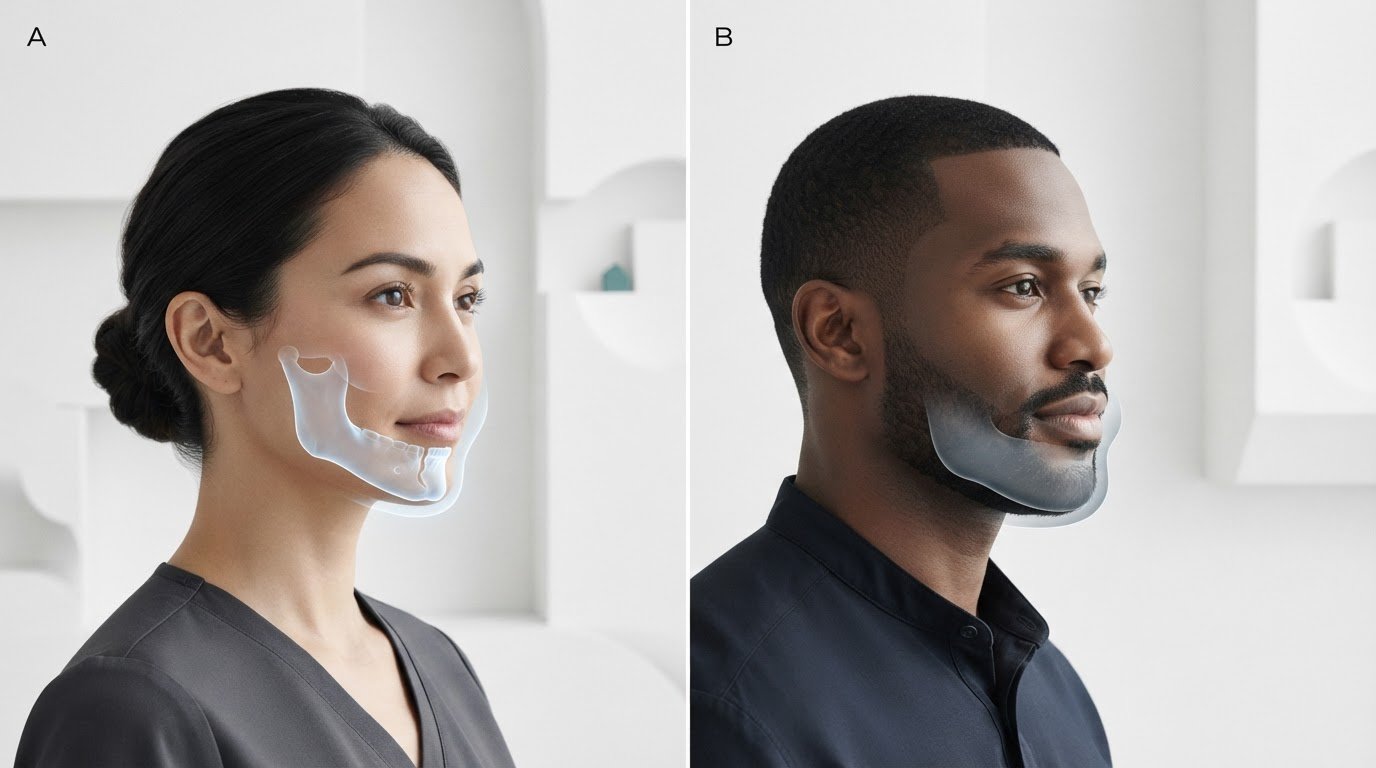
It’s very common to combine eyelid rejuvenation with other procedures like a neck lift or facelift to achieve comprehensive facial harmony. Addressing multiple areas in a single session allows for a more balanced aesthetic result and a unified recovery period. This integrative approach ensures that your refreshed eyes match the youthful, healthy contours of your jawline and neck. If you’re considering combining procedures, learning how to identify the best facelift surgeon NYC can help you find a practitioner whose integrative philosophy aligns with your goals for comprehensive facial rejuvenation.
Does insurance cover the cost of eyelid surgery?
Insurance providers generally do not cover cosmetic procedures, but they may provide coverage if the surgery is deemed medically necessary. If drooping skin obstructs at least 30 percent of your visual field, providers often require documentation from a visual field test to confirm the functional impairment. We recommend checking with your specific insurance carrier to understand their unique requirements and documentation needs for coverage.