Skip to content

What if the secret to a youthful appearance wasn’t about adding more, but about supporting your body’s natural structural intelligence? Many people feel a sense of anxiety when considering dermal fillers, fearing an “overfilled” or unnatural result that masks their true character. You might even find yourself confused about the difference between various injectables, or concerned about how synthetic materials interact with your long-term biological health.
It’s completely understandable to want a solution that respects your unique facial architecture rather than overriding it. This guide explores how dermal fillers and bio-integrative treatments can restore facial harmony and skin vitality through a sophisticated, holistic lens. We’ll demystify the science behind 2026 innovations like Obagi saypha MagIQ and the growing role of biostimulators. By the end, you’ll understand how to nourish your skin’s foundation and choose the specific treatments that align with your body’s natural healing intelligence.
Key Takeaways
- Learn why modern dermal fillers are designed to support your facial structure rather than just “filling” a line, ensuring a result that feels and looks natural.
- Distinguish between fillers that provide immediate hydration and biostimulators that help your body maintain its own vital functions over time.
- Compare the longevity of temporary treatments with autologous fat grafting to the face, a technique that uses your own tissue for lasting restoration.
- Discover how the “Liquid Facelift” approach prioritizes facial harmony and a youthful silhouette over isolated spot corrections.
- Understand the importance of an integrative consultation to ensure your treatment plan honors your unique anatomy and biological health.
Understanding Dermal Fillers: More Than Just a Wrinkle Treatment
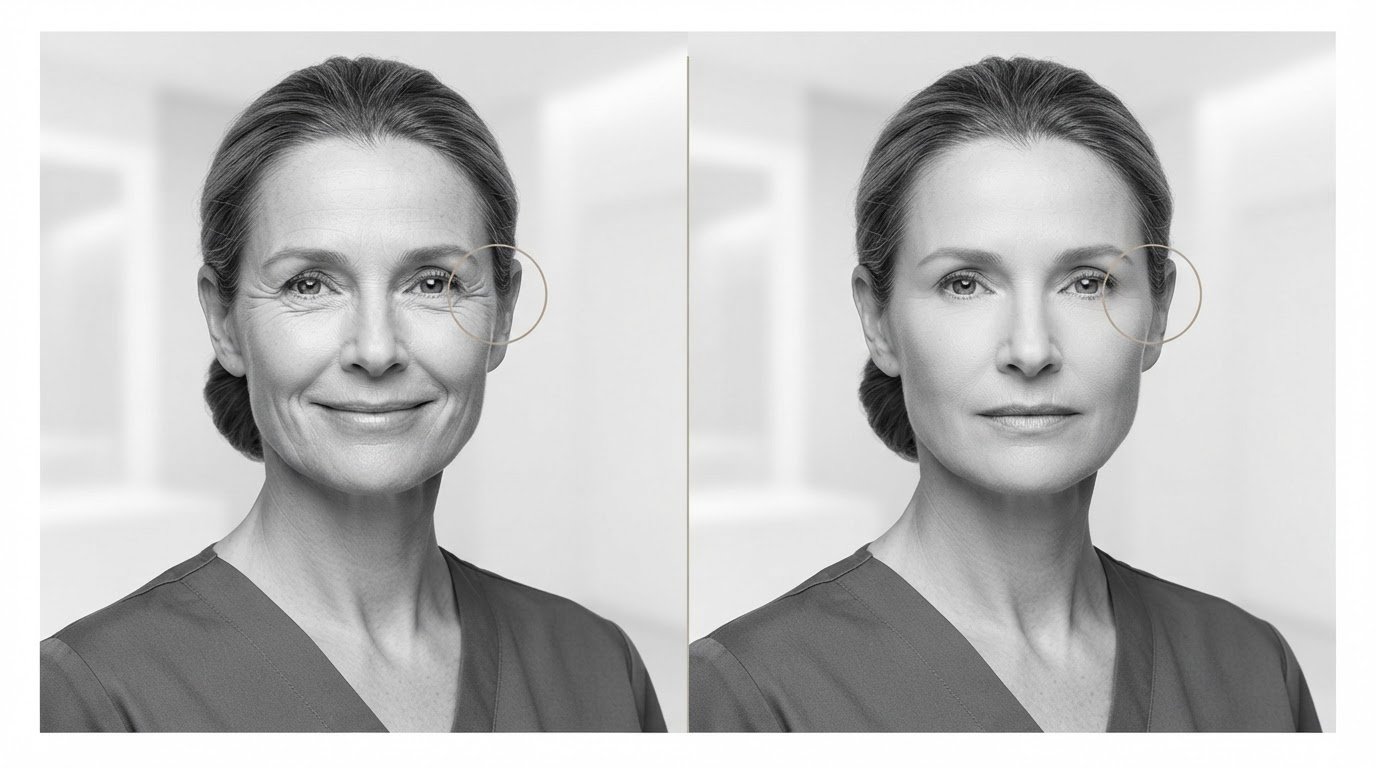
To understand the role of modern aesthetics, we must first look at the face as a living, breathing ecosystem. Traditional approaches often treat a single wrinkle as a defect to be erased, but an integrative philosophy sees that crease as a symptom of deeper structural shifts. We define dermal fillers as bio-compatible materials, often based on substances like hyaluronic acid that already exist in your tissues, designed to gently restore lost subcutaneous volume. For a comprehensive dermal fillers overview, it’s helpful to recognize these materials as structural supports rather than mere cosmetic masks. They don’t just “fill” a gap; they provide the internal scaffolding your skin needs to remain vibrant and resilient.
True facial harmony isn’t achieved by chasing every line. Instead, it comes from addressing the whole face as a unified structure. When we focus on restoring the natural contours of the cheeks or temples, the smaller lines often soften on their own. This holistic perspective helps prevent the “overfilled” look that many fear, ensuring that your results honor your unique anatomy rather than overriding it.
The Biological Mechanism of Volume Loss
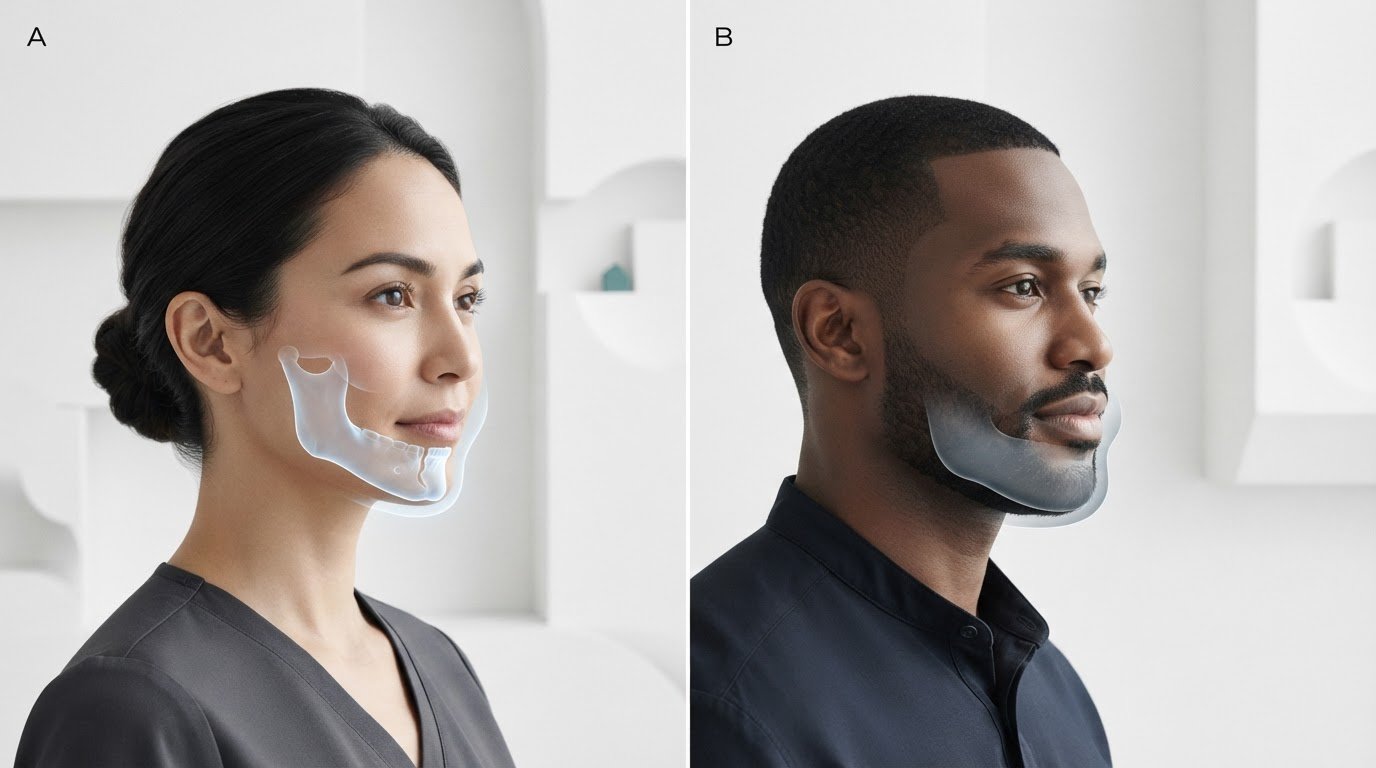
Aging is a deep process that involves more than just the skin’s surface. As the years pass, we experience bone resorption, where the facial bones lose mass and recede, providing less support for the soft tissue above. Simultaneously, the specialized fat pads that give a face its youthful fullness begin to thin out or migrate downward due to gravity. When you combine these changes with the natural depletion of collagen and elastin, the skin begins to sag and lose its bounce. Facial deflation acts as the primary driver for filler interest. By understanding these biological shifts, we can use dermal fillers to nourish the foundation of the face and restore a sense of vitality from the inside out.
Dermal Fillers vs. Botox: Choosing the Right Tool
It’s common to feel confused about the difference between fillers and neuromodulators like Botox. The easiest way to distinguish them is by looking at the type of wrinkle you want to address. Wrinkles generally fall into two categories:
- Dynamic Wrinkles: These appear when you move your muscles, such as the lines that form when you smile, frown, or squint. Neuromodulators work by signaling these muscles to relax, which softens the movement.
- Static Wrinkles: These lines are visible even when your face is completely at rest. They are typically caused by volume loss and the breakdown of skin elasticity.
While neuromodulators “relax” the face to prevent deepening lines, fillers “add” back the volume that has been lost over time. An integrative approach doesn’t view these as competing treatments. Instead, it often combines both to support the skin’s natural healing intelligence while maintaining your ability to express yourself authentically. To better understand how botox injections fit into a holistic rejuvenation plan, it helps to explore the myths and realities surrounding modern neuromodulators.
A Bio-Integrative Look at Filler Types and Their Functions
Choosing the right material for facial restoration is a delicate process that requires a deep respect for your skin’s biological ecosystem. In an integrative practice, we prioritize substances that the body can naturally metabolize over time, ensuring that the enhancement works with your physiology rather than against it. This involves selecting different molecular weights of dermal fillers based on the specific depth of the tissue we aim to support. Heavier, more robust gels provide structural lift deep near the bone, while lighter, more fluid formulations nourish the superficial layers to soften fine lines and refine texture.
It’s helpful to review FDA information on dermal fillers to understand how different approved materials are categorized for safety and efficacy. By viewing these treatments through a bio-integrative lens, we can distinguish between those that provide immediate hydration and those that awaken the body’s own regenerative potential. This distinction is vital for creating a plan that supports your long-term wellness goals.
Hyaluronic Acid (HA): The Hydration Specialist
Hyaluronic acid is a remarkable molecule capable of holding 1,000 times its weight in water. When used as a filler, it does more than just occupy space; it actively supports the extracellular matrix, the complex network that provides structural and biochemical support to surrounding cells. This results in a visible improvement in skin hydration and “plumpness” that looks entirely natural. For those feeling a bit of anxiety about their first treatment, HA offers a unique safety feature: it’s fully reversible. If you aren’t comfortable with the result, a specialized enzyme can dissolve the material, giving you complete agency over your aesthetic journey.
Biostimulatory Fillers: Awakening Your Body’s Intelligence
While HA provides instant gratification, biostimulatory fillers like Calcium Hydroxylapatite (CaHA) take a more patient, long-term approach. These materials act as a gentle signal to your body, triggering the natural production of new collagen and elastin fibers. Instead of just adding volume, they provide a slow-release scaffolding that supports your face’s natural architecture as it regenerates. The beauty of this approach is its subtlety.
While HA fillers offer an immediate change, biostimulators create gradual improvements that peak several months after the initial session. This mirrors the body’s natural healing rhythm, providing structural support that feels like a part of you. If you’re ready to explore which of these integrative dermal filler options best matches your biology, a personalized consultation can help clarify your path toward lasting vitality.
Temporary Fillers vs. Autologous Fat Grafting: Choosing Your Path
Deciding between different methods of volume restoration is a deeply personal journey that depends on your specific goals and biological needs. While we often speak of dermal fillers as the primary tool for addressing hollows or creases, there is a distinct choice between utilizing high-quality synthetic materials and using your body’s own living tissue. Each approach offers unique advantages for supporting facial harmony. Understanding the difference between ‘off-the-shelf’ convenience and ‘living tissue’ restoration is the first step toward a result that feels authentically you.
The primary distinction lies in longevity and biological interaction. Synthetic options offer immediate, highly predictable results that eventually fade as the body metabolizes the material. In contrast, autologous fat transfer involves a more involved process but offers the potential for permanent volume. Consulting a comprehensive guide to injectable fillers can help you visualize how these materials differ in their chemical makeup and expected duration.
The Role of Synthetic Fillers in Refinement
Synthetic dermal fillers act as precise tools for refinement. They are often the superior choice for delicate work, such as smoothing fine lines around the mouth or providing intricate lip detailing. One of the greatest benefits of these temporary options is the ability to ‘try on’ a new look. Because these materials are eventually absorbed by the body, they offer a level of flexibility that allows you to adjust your aesthetic plan as your face naturally changes over time. If you’re beginning this journey, finding a practitioner who understands the nuance of facial anatomy is essential. You may find our resource on Choosing an Elite Plastic Surgeon helpful for navigating this important decision.
Fat Grafting: The Gold Standard for Natural Rejuvenation
For those seeking a more permanent and bio-identical solution, fat grafting represents a sophisticated alternative to traditional injectables. This process involves harvesting your own adipose tissue from one area of the body to nourish and volumize another. Beyond just adding mass, fat contains powerful adipose-derived stem cells that significantly improve the quality and radiance of the overlying skin. It’s truly the ultimate bio-identical filler because it’s a part of you. While most temporary treatments last months, successfully grafted fat can last for years or even a lifetime. This ‘dual benefit’ of subtle body contouring paired with facial rejuvenation is explored deeply in The Ultimate Guide to Fat Grafting. By using your own tissue, you’re supporting the body’s natural healing intelligence in the most direct way possible.

Strategic Application: Addressing Specific Facial Concerns
Strategic application of dermal fillers involves a fundamental shift in perspective. Rather than focusing on “fixing a spot” or chasing a single crease, we look toward restoring a youthful silhouette that honors your natural anatomy. This approach is often referred to as a “Liquid Facelift.” By placing bio-compatible materials at specific structural anchor points, we can lift and support the entire facial architecture. This method prioritizes facial harmony, ensuring that every enhancement works in concert with your existing features to create a refreshed, vital appearance.
The midface serves as the essential anchor for the entire face. When volume in this region is depleted, the skin begins to migrate downward, leading to heaviness in the lower face and a tired appearance around the eyes. By restoring this foundation, we can often alleviate concerns in other areas without needing to treat them directly. This holistic strategy supports the body’s natural healing intelligence by mimicking the support once provided by youthful bone and fat structures.
Midface and Cheek Rejuvenation
Restoring volume to the malar (cheek) area is one of the most effective ways to lift the lower face. When we support the cheeks, we often see a natural softening of the nasolabial folds that run from the nose to the mouth. The goal is always a contoured result that follows the natural bone structure, avoiding the “puffy” look that occurs when too much material is placed superficially. By reinforcing the underlying foundation, we create a subtle lift that looks authentic and maintains your face’s vital functions and expressions.
Perioral and Lip Enhancement with a Natural Touch
Modern lip enhancement has moved far beyond the “duck lip” trends of the past. Today, the focus is on deep hydration and defining the vermilion border to restore a youthful shape. We also look at the surrounding structures, such as the philtrum and cupid’s bow, which often flatten as we age. Restoring these small details provides a non-surgical lift to the entire mouth area. For those concerned with “smoker’s lines” or fine vertical wrinkles, an integrative approach often combines targeted fillers with Laser Skin Resurfacing to improve both volume and skin texture simultaneously. If you’re ready to restore balance to your facial contours, you can learn more about our personalized approach to dermal fillers and holistic rejuvenation.
The Integrative Consultation: Safety, Longevity, and Ethics
A deep understanding of facial anatomy isn’t just a clinical requirement; it’s the foundation of your safety and the integrity of your results. Each person possesses a unique vascular network and a specific distribution of fat pads that shift over time. Trusting your care to a seasoned practitioner ensures that dermal fillers are placed precisely where they can support your natural healing intelligence without compromising vital functions. We believe a consultation should be a patient-centered dialogue that considers your long-term aging trajectory rather than just a quick fix for a single afternoon.
We strictly adhere to a “Less is More” philosophy to protect your facial character. Overfilling can lead to “filler fatigue” or material migration, which can eventually distort the very features we aim to enhance. By prioritizing a conservative, strategic approach, we ensure that the material integrates seamlessly with your tissues. This ethical stance respects your biology and ensures that your aesthetic journey remains a source of empowerment and confidence as you age.
What to Expect: The Procedure and Recovery
An elite practice utilizes gentle injection techniques designed to minimize tissue trauma. We often employ micro-cannulas, which are blunt-tipped tools that glide through the skin’s layers rather than piercing them repeatedly. This significantly reduces the risk of bruising and supports a swifter recovery. Before your session, we’ll provide a pre-treatment protocol that may include avoiding certain supplements known to thin the blood, such as fish oil or high doses of vitamin E. You should distinguish between “social downtime,” which typically involves minor swelling for a few days, and the true “settling” period. It usually takes about 14 days for the material to fully hydrate and harmonize with your unique facial movements.
Beyond the Syringe: Supporting Your Results Holistically
The longevity of your enhancement is deeply connected to your overall skin health. When you nourish your body with high-quality antioxidants and maintain optimal hydration, you create a healthy extracellular matrix that supports the filler material. We view skin quality and volume as two parts of the same whole-body health equation. Sometimes, achieving total facial harmony involves looking at the face’s central proportions. For patients considering a more comprehensive approach to structural restoration, our facial plastic surgery NYC integrative checklist for elite rejuvenation offers a valuable framework for evaluating all available options. There is often a beautiful synergy between volume restoration and other regenerative treatments like Rhinoplasty. When the contours of the nose are in balance with the rest of the face, the dermal fillers used in the cheeks or chin can work more effectively to create a refreshed silhouette. Trusting a practitioner who values this holistic perspective ensures that your results support your vitality for years to come.
Embracing Your Path to Facial Harmony
Choosing the right practitioner is the most important step in this process. With over 25 years of specialized plastic surgery experience, Dr. Leonard Grossman is a pioneer in natural-look fat grafting and facial rejuvenation. Our integrative approach ensures that every treatment plan prioritizes whole-body wellness and long-term health. If you’re ready to explore a more sophisticated path toward restoration, we invite you to Schedule an Integrative Consultation with Dr. Leonard Grossman. You deserve a partner who values your unique anatomy and your long-term well-being. We look forward to supporting you in achieving a look that radiates health and confidence.
Frequently Asked Questions
How long do dermal fillers typically last?
Most treatments last between six and eighteen months, depending on the material used and the specific area of the face. Hyaluronic acid fillers in highly mobile areas like the lips may need refreshing sooner, while structural fillers in the cheeks often maintain their support for a longer period. Your body’s unique metabolic rate also plays a significant role in how quickly the material is absorbed and processed.
Are dermal fillers safe for long-term use?
Yes, these treatments are considered safe for long-term maintenance when administered by a licensed professional using bio-compatible materials. An integrative approach focuses on conservative applications to prevent material buildup or tissue distortion. By allowing the body to fully metabolize the product before re-treating, we support your skin’s natural healing intelligence. This methodical pace ensures that your facial tissues remain healthy and vibrant over many years of care.
What is the difference between fillers and fat grafting?
The primary difference is that fillers are synthetic, temporary gels, while fat grafting uses your own living tissue for permanent restoration. Fillers offer a quick, non-surgical refinement for fine lines and subtle volume. Fat grafting involves a more complex process of harvesting and purifying your own adipose cells. This provides a bio-identical solution that can last a lifetime while improving skin quality through the activity of natural stem cells.
Can dermal fillers be removed if I don’t like the results?
Hyaluronic acid-based dermal fillers can be completely dissolved using a specialized enzyme called hyaluronidase. This enzyme breaks down the synthetic acid within hours, returning your tissues to their original state. This reversibility provides a vital safety net and alleviates the anxiety many first-time patients feel about committing to a new look. It ensures you always maintain agency over your appearance and biological health.
Will dermal fillers make me look ‘fake’ or overdone?
No, a “fake” appearance is typically the result of overfilling or poor placement rather than the product itself. We prioritize facial harmony by using the minimum amount of material necessary to restore your natural foundation. By focusing on structural support in the midface rather than just plumping superficial lines, we achieve a refreshed look. This ensures your results honor your natural expressions and the unique character of your face.
Is there any downtime after a filler injection?
Most patients experience minimal “social downtime,” which usually involves slight swelling or redness for twenty-four to forty-eight hours. You can typically return to your daily routine immediately, though we recommend avoiding strenuous exercise for one day. Using gentle injection techniques like micro-cannulas helps minimize bruising. This allows the material to settle comfortably into your tissues without causing a significant disruption to your professional or personal life.
How do I know which filler is right for my face?
Selecting the appropriate dermal fillers requires a detailed consultation to assess your skin’s elasticity, bone structure, and specific volume needs. We match the molecular weight of the filler to the depth of the treatment area. For example, robust gels provide deep structural lift for the jawline, while softer, more fluid formulations are better suited for hydrating the delicate skin around the mouth. This personalized approach ensures the material harmonizes with your unique anatomy. Many patients also find it valuable to understand how botox injections complement dermal fillers as part of a comprehensive, integrative treatment strategy.
Can I get fillers if I am planning to have a facelift later?
Yes, many patients use injectables to support their appearance before deciding on a surgical facelift. Fillers don’t interfere with future surgery as long as they are bio-compatible and placed by a skilled practitioner. Maintaining your skin’s volume and quality through a personalized plan can often lead to better surgical outcomes. It preserves the health of the underlying tissue scaffolding, making the eventual surgical transition much smoother and more natural. Patients who want to understand the full spectrum of options available to them may benefit from reviewing our comprehensive facial plastic surgery NYC guide to elite rejuvenation in 2026, which outlines how non-surgical and surgical approaches can work together seamlessly.