Skip to content

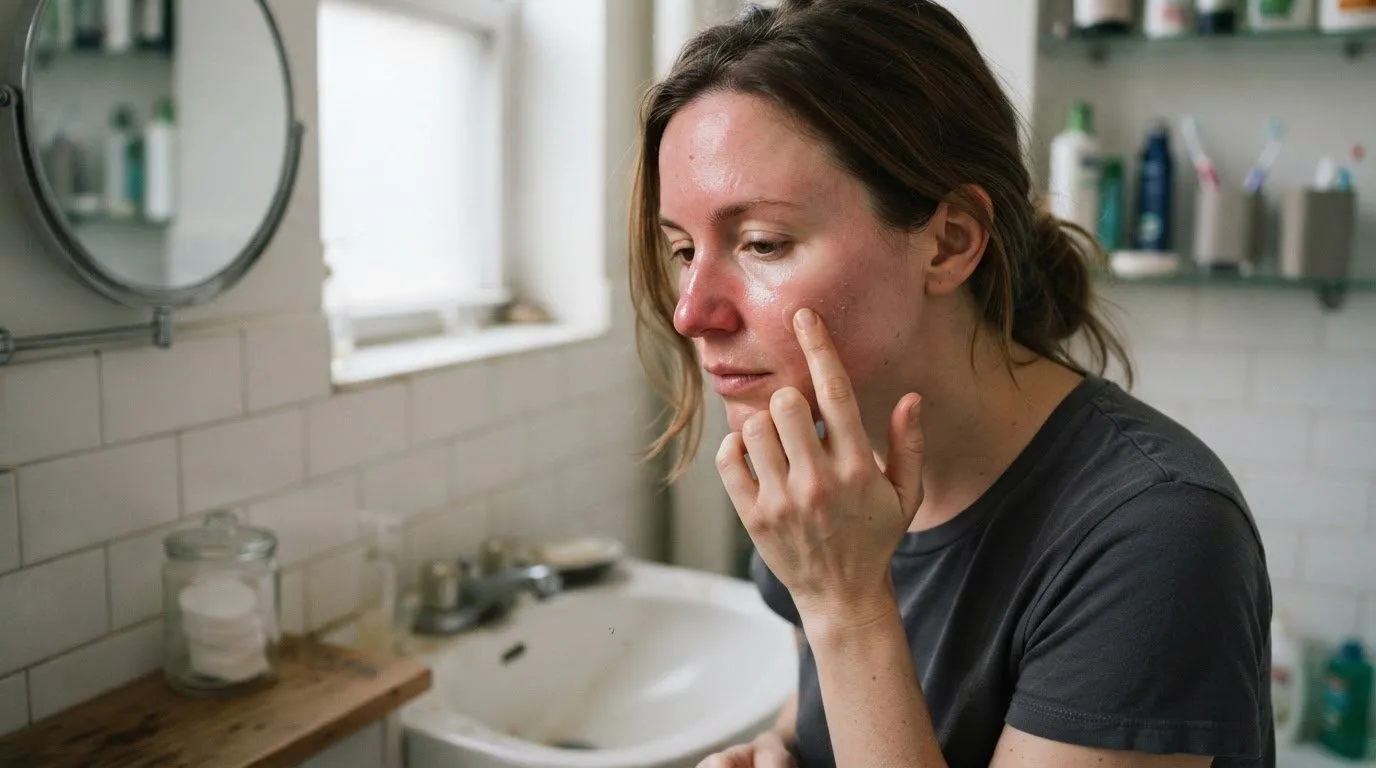
Redness can outlast the peeling. Tracking CO2 laser recovery day by day helps set expectations: the skin surface often heals in 1 to 2 weeks, but pinkness may remain through weeks 2-4 or longer and can take months to fade.
If you’re watching for the moment your skin looks and feels like itself again, it’s understandable to want a clear timeline. The early days can bring swelling, redness, warmth, or stinging, followed by peeling or crusting as the surface heals. These changes are part of recovery, but their timing and intensity vary with the treatment.
Recovery unfolds over the first days and following weeks, and redness may persist after peeling settles. Gentle aftercare supports healing. Use the timeline below to plan for makeup, work, exercise, and social events, but treat it as a guide, not a promise about your individual recovery.
Key Takeaways
- Use the day-by-day timeline to understand why early swelling and later peeling can happen in different phases.
- Follow your treatment-specific cleansing and ointment routine, protect healing skin with SPF 30 or higher, and avoid picking at flakes or crusts.
- Plan work and social commitments around visible redness and peeling, which can last beyond the first few days.
- Wait until the skin has healed and crusting has resolved before returning to makeup, typically around two weeks after treatment.
CO2 Laser Aftercare: What Matters During Healing?
CO2 resurfacing recovery reflects both treatment intensity and how each person’s skin heals. Aftercare, sun protection, and patience through lingering pinkness all matter.
Individual Healing Differences
Individual healing differences are variations in how quickly treated skin settles and repairs its surface. They matter because the same day-by-day timeline won’t describe everyone’s downtime. Treatment intensity also affects recovery: fully ablative resurfacing typically involves roughly 1 to 2 weeks of downtime. Follow the cleansing and ointment routine provided for your treatment, rather than judging healing by someone else’s photos. Don’t pick at crusts, since disturbing healing skin can contribute to scarring or pigmentation issues.
Exercise and Sweat Restrictions
Exercise restrictions mean avoiding strenuous activity and excess sweating while the treated area heals. Heat and sweat can irritate sensitive skin, so intense workouts, saunas, and other heat- or sweat-inducing activities should generally wait about 1 to 2 weeks after resurfacing. This pause helps protect the healing surface while redness and crusting settle. Ease back into your usual routine according to your aftercare instructions, instead of using one symptom-free day as the only measure of readiness.
Makeup and Sun Exposure
Makeup and sun precautions protect skin while its surface barrier is recovering. Don’t apply makeup to treated areas until the skin has healed and crusting has resolved; this is generally about two weeks after CO2 treatment. Once peeling has resolved, use broad-spectrum sunscreen with SPF 30 or higher. Sun protection remains important during the weeks after resurfacing because healing skin is vulnerable to sun exposure. Makeup can cover pinkness later, but it shouldn’t replace sunscreen or be applied over open or crusted areas.
Persistent Pinkness After Surface Healing
Persistent pinkness is color that remains after the skin surface has healed. It matters because a smoother surface doesn’t mean all healing has finished. Pinkness may continue during weeks 2-4 or longer, then typically lightens over 2 to 3 months; some patients remain pink for up to a year. This lingering color reflects ongoing inflammation and vascular activity. Protect the area from sun, and don’t mistake residual pinkness alone for failed healing.
A typical sequence is redness and swelling during days 1-2, followed by peeling or crusting around days 3-5. The surface often heals within 1 to 2 weeks, while pinkness may last longer.
In the United States, cost depends on the treatment area and intensity. A quote follows a request. Insurance coverage depends on your policy and medical indication.
Increasing pain, spreading redness, pus, fever, or worsening swelling can signal a complication. Seek prompt medical assessment.
Skin improvements may continue for 3 to 6 months as collagen remodeling progresses. Safe repeat timing depends on treatment intensity and how fully the skin has recovered.
Expected redness, warmth, tightness, and swelling
The first 72 hours after CO2 laser resurfacing can bring visible inflammation and discomfort. Knowing how symptoms change helps distinguish the usual timeline from changes needing medical attention.
Early Redness and Swelling
Early redness and swelling are inflammatory responses that commonly appear immediately after resurfacing. They matter because symptoms can look more pronounced before they begin to settle. The first 24-48 hours are often the most visibly inflammatory, with warmth, tightness, and swelling around the treated skin. Swelling may be especially noticeable the morning after treatment, including around the eyes. It commonly continues for 2-3 days.
Sensitivity and Symptom Duration
Sensitivity means treated skin may feel tender, hot, tight, or sting during early healing. It helps to know that discomfort and surface changes don’t all resolve at once. Redness may last about a week initially, while swelling commonly continues for 2-3 days. Mild bleeding or oozing may last about 48 hours. Peeling, bronzing, flaking, or crusting can appear on days 3-5, so the recovery timeline includes both early inflammation and later surface changes.
Color and texture can change as the skin surface heals. Small brown or yellowish patches may appear as treated skin crusts or flakes. These changes may occur alongside sensitivity, and healing does not always follow a uniform sequence. Don’t rub or pick at crusts; let them fall away naturally. The surrounding skin may remain pink even when peeling becomes less noticeable.
During the first 24 hours, sleeping with your head elevated and applying cool compresses may help reduce swelling. Keep compresses cool, not directly icy against treated skin, and follow the specific aftercare instructions provided for your treatment. If symptoms worsen rather than gradually change, contact your treating medical professional for guidance.
A laser resurfacing consultation can help explain expected recovery changes for your treatment.

Makeup, work, and social-event timing
Plan around your skin’s healing, not just the day peeling stops. Treatment intensity affects downtime, when makeup may be appropriate, and how comfortable you feel in public.
Resuming Makeup
Resuming makeup means waiting until treated skin has healed and crusting has resolved. This matters because makeup applied too early can disturb a sensitive skin barrier. Makeup is generally reintroduced about two weeks after CO2 treatment, once healing is complete. Follow your aftercare instructions, including any ointment routine, and wait for your provider to confirm the skin barrier is ready.
Even when the surface looks smoother, lingering sensitivity may make makeup uncomfortable. Don’t cover skin that remains open, crusted, or easily irritated. Once makeup is cleared, apply it gently without rubbing, then remove it without scrubbing. If you still need ointment during the day, follow the prescribed routine instead of applying makeup over it without guidance.
Returning to Work and Social Events
Returning to work or attending an event depends on treatment intensity and how visible your healing remains. This distinction helps you plan time away without assuming everyone will look ready on the same day. Fully ablative CO2 resurfacing typically requires roughly 1 to 2 weeks of downtime. Non-ablative or fractional laser treatments may involve about 2 to 4 days off.
You may feel comfortable on a video call or casual errand sooner than at an important in-person event. Redness, flaking, or uneven texture can remain visible after initial swelling improves. Leave room for visible changes when scheduling photos, celebrations, or public-facing work, especially if makeup is not yet appropriate. Consider both skin comfort and appearance, not just when you can resume routine tasks.
CO2 laser recovery timeline
This CO2 laser recovery day by day timeline shows the shift from inflammation to surface repair and gradual refinement. The key takeaway: skin can look healed before its color and texture fully settle.
Days 1-2: Redness and swelling are common, and the first 24-48 hours often look most inflamed. Warmth, tightness, burning, stinging, or mild oozing may occur during the first 72 hours. Swelling can be especially noticeable the morning after treatment, including around the eyes.
Days 3-5: Peeling, bronzing, flaking, or crusting may emerge as the treated surface sheds. Skin often starts peeling on day 3 or 4. Small brown or yellowish patches can appear as crusting develops. Don’t pick or scrub these areas; let crusts fall away naturally.
Days 6-10: Peeling usually finishes by the end of the first week, and the surface often looks more healed during days 6-10. Pinkness may remain even as crusting fades. Swelling generally resolves within 7-10 days, though healing varies with treatment intensity.
Days 8-14: Re-epithelialization, the formation of a new surface layer, typically occurs around days 8-14. This milestone means the skin barrier is rebuilding, not that every visible change has ended. Fully ablative resurfacing commonly involves roughly 1-2 weeks of downtime.
Weeks 2-4 and beyond: Pinkness may continue during weeks 2-4 or longer after the surface heals. It typically lightens over 2 to 3 months, though it can last up to a year in some patients. This lingering color reflects continued inflammation and vascular activity during healing.
Tracking CO2 laser recovery day by day can clarify why changes continue after surface healing. Over the following months, collagen remodeling can refine tone and texture. Skin improvements may progress for 3 to 6 months or longer. Fractionated CO2 laser treatment generally reduces recovery time compared with older fully ablative resurfacing, but treatment intensity still shapes the timeline.
Dr. Leonard Grossman: Laser Skin Resurfacing
Dr. Leonard Grossman offers Laser Skin Resurfacing for people considering treatment to improve their skin’s appearance. After learning how redness, peeling, and surface healing can unfold, a consultation can help you discuss your skin concerns and what resurfacing may involve. Treatment intensity influences the recovery experience, so it’s useful to talk through healing expectations alongside your goals and plans.
If you’re considering laser resurfacing, Dr. Leonard Grossman can discuss the procedure and how it may fit your aesthetic goals. Contact Dr. Leonard Grossman to discuss your questions and next steps.
Make Your Next Step an Informed One
Use the CO2 laser recovery day-by-day timeline as a planning guide, not a deadline for your skin. Before choosing treatment, consider how recovery fits your schedule, comfort, and aesthetic goals. A conversation about your priorities can help you understand whether laser skin resurfacing is a suitable option for you.
Dr. Leonard Grossman also offers Fat Grafting to the Breasts, Fat Grafting to the Face, and Fat Grafting to the Buttocks. These are distinct procedures for different areas and goals, so the next step is to discuss what you hope to address.
If you’re ready to talk through your aesthetic goals and questions, contact Dr. Leonard Grossman. A thoughtful next step can help you move forward with greater clarity.
Frequently Asked Questions
How Long Does Redness Last After Laser Resurfacing?
Strong redness often lasts about a week, while lighter pinkness may take longer to fade. Pink color typically lightens over 2 to 3 months and can persist for up to a year in some patients. This color can remain after the surface has healed. Once peeling resolves, protect the area daily with broad-spectrum sunscreen rated SPF 30 or higher.
When Can I Wear Makeup After Laser Resurfacing?
Makeup is generally suitable again about two weeks after CO2 treatment, once the skin has healed and crusting has resolved. Don’t use concealer to cover areas that remain crusted or unhealed. The skin barrier, not the calendar alone, determines readiness. Follow your aftercare instructions and wait for your provider’s confirmation before applying makeup to treated skin.
How Can Hyperpigmentation After Laser Resurfacing Be Prevented or Treated?
How Does the Skin Heal During Days 8-14?
During days 8-14, re-epithelialization typically restores the skin’s surface layer. The area may look more settled, but residual pinkness can remain while deeper healing continues. Crusts should come away naturally, not through rubbing or pulling. Treat the surface as newly healed, continue sun protection, and follow your aftercare plan before restarting products or makeup.
How Much Downtime Does Fractional CO2 Resurfacing Really Require?
Fractional CO2 resurfacing usually involves about 1 to 2 weeks for the skin surface to heal. Time away from work may be shorter: non-ablative or fractional treatments can require about 2 to 4 days off. These are different measures of downtime. You may feel ready for routine tasks before redness or pinkness has completely faded.
How Soon Will I See Final Results After Laser Resurfacing?
Skin improvement continues over the months after laser resurfacing, rather than appearing all at once. Tone and texture may keep refining for 3 to 6 months or longer as collagen remodeling progresses. Early changes show how the surface is settling, while later changes reflect ongoing renewal. Track progress in consistent lighting, since daily variations can make comparisons difficult.