Skip to content
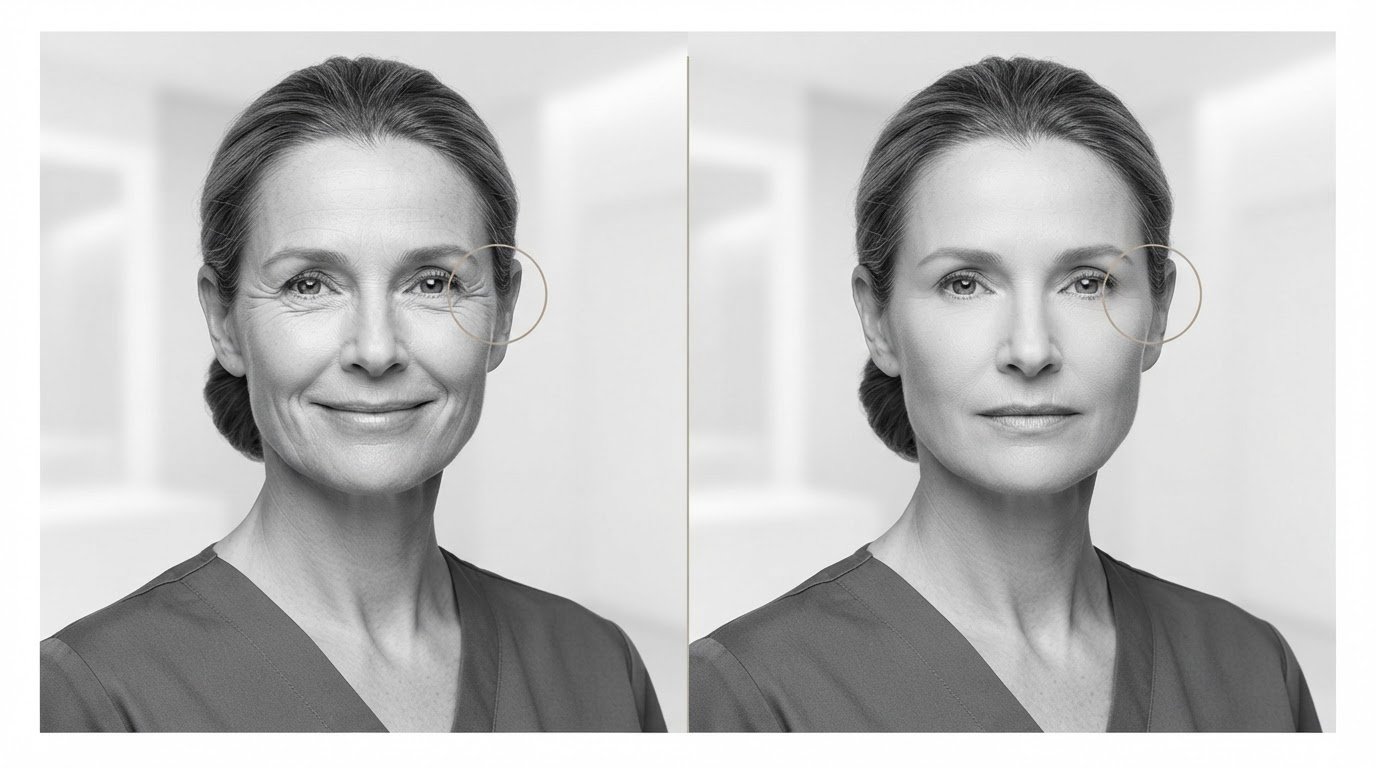
What if the date on your birth certificate is the least reliable indicator of whether your facial tissues are ready for surgical restoration? Most patients asking what is the best age for a facelift find themselves caught between two understandable fears: undergoing a procedure too early and looking artificially tightened, or waiting too long and missing the body’s optimal healing window. You’ve likely felt the frustration of conflicting advice across different decades, wondering whether another round of injectables is truly supporting your facial harmony or simply masking deeper anatomical descent.
True rejuvenation isn’t about fighting calendar years; it’s about supporting your unique biological vitality. In this guide, you’ll discover how biological tissue health, anatomical changes, and personalized longevity planning determine your ideal facelift timing with clarity and confidence. We’ll explore how structural balance and autologous tissue restoration achieve natural results across different age brackets, while revealing the telltale signs that non-surgical measures have reached diminishing returns.
Key Takeaways
- Learn why biological tissue integrity and ligament support, rather than calendar milestones, truly determine what is the best age for a facelift.
- Understand how surgical objectives evolve across your 40s, 50s, and beyond, from early deep-plane repositioning to comprehensive structural restoration.
- Discover objective clinical signs, including skin recoil tests and jawline descent, that indicate when your anatomy is primed for optimal redraping.
- Recognize when repeated dermal fillers reach diminishing returns, helping you avoid facial overfilling syndrome and unnatural facial distortion.
- Explore how pairing deep structural support with autologous facial fat grafting nourishes tissue vitality and ensures lasting, harmonious rejuvenation.
Biological Age vs. Chronological Age: Defining the Optimal Facelift Window
When prospective patients ask what is the best age for a facelift, they often expect a single calendar number. Yet chronological age reveals surprisingly little about the structural state of your deep facial architecture. Biological aging reflects how your individual tissues, ligaments, and microvascular networks have handled time, environment, and genetics. Two individuals at age 52 can present entirely different structural profiles: one may retain thick dermal collagen and firm retaining ligaments, while the other experiences advanced tissue descent and significant volume loss.
True surgical candidacy is defined by tissue behavior, not calendar years. The decision rests on whether foundational support structures have begun to drift, and whether your cellular health remains vibrant enough to ensure seamless healing and lasting redraping. Supporting your systemic vitality through nutrition, targeted skin nourishment, and lifestyle balance directly preserves foundational facial tissues, ensuring that any restorative intervention integrates naturally with your unique facial anatomy.
The Myth of the Universal Facelift Milestone
Conventional wisdom once insisted that patients wait until their sixties to undergo surgical rejuvenation, enduring decades of worsening laxity before attempting a dramatic transformation. This outdated approach often produced an over-tightened, artificial look. Understanding modern rhytidectomy techniques and anatomy reveals why this chronological rule no longer applies. Contemporary restorative procedures release retaining ligaments and elevate deep structures along natural vertical vectors, prioritizing gentle anatomical restoration over aggressive skin pulling.
Key Biological Factors That Outpace the Calendar
Individual rates of facial maturation depend on several distinct biological drivers that operate independently of your birthdate:
- Genetic Architecture: Inherent bone structure and retaining ligament tensile strength determine how early jowling or malar fat pad descent manifests. Strong genetic support can preserve jawline definition well into your fifties, while weaker scaffolding allows laxity to show earlier.
- Microvascular and Oxidative Stress: Chronic ultraviolet radiation, environmental pollutants, and oxidative stress break down elastin fibers and impede capillary perfusion, impairing cellular recovery and structural firmness.
- Hormonal Shifts and Collagen Density: Estrogen decline sharply decelerates dermal fibroblasts, reducing collagen synthesis by up to 30 percent during the initial post-menopausal transition. This accelerated biological shift alters tissue elasticity and skin thickness regardless of chronological milestones.
Evaluating these biological factors clarifies what is the best age for a facelift on an individual level, shifting the focus from rigid calendar dates to authentic tissue readiness.
Facelift Outcomes by Decade: What Rejuvenation Achieves in Your 40s, 50s, 60s, and Beyond
Every phase of life brings unique anatomical shifts. While patients frequently ask what is the best age for a facelift, the surgical objective evolves significantly across the decades. Rather than attempting to erase personal history, modern facial restoration aligns surgical techniques with your cellular turnover and microcirculatory capacity to restore effortless, natural balance.
In Your 40s: Early Structural Support and Preventive Restoration
During your forties, subtle descent of the malar fat pads often creates early shadows along the nasolabial folds and slight softening along the jawline. Intervening at this stage capitalizes on resilient dermal collagen and robust microvascular perfusion. Because tissue snap-back remains strong, targeted deep-plane adjustments require minimal operative tension, resulting in virtually imperceptible incisions and rapid recovery. Patients in this bracket increasingly represent a growing share of aesthetic procedures, seeking proactive structural realignment before significant cutaneous laxity sets in.
In Your 50s and 60s: Addressing the Deep SMAS Layer and Neck Laxity
For many, the fifties represent an anatomical turning point where hormonal shifts accelerate soft-tissue descent. Jowls break the clean contour of the jawline, marionette lines deepen, and platysmal bands often separate in the neck. Addressing these concerns requires repositioning the superficial musculoaponeurotic system (SMAS) beneath the surface. As detailed in the Cleveland Clinic guide to facelift procedures, repositioning deeper muscular layers releases tension from the skin itself, preventing an artificial pull. Pairing deep structural repositioning with autologous fat grafting to the face replenishes lost deep-fat compartments, restoring natural fullness and vitality.
At 70 and Above: Safety, Vitality, and Structural Realism
Advanced chronological age is never an automatic disqualifier for facial rejuvenation. When tissue vitality, cardiovascular health, and microcirculation are well preserved, patients well into their seventies achieve remarkable, dignified outcomes. The operative approach adapts to thinner cutaneous tissues by emphasizing gentle deep-plane support, combined with a comprehensive neck lift or targeted eyelid surgery when necessary. The objective at this stage centers on looking rested, healthy, and revitalized.
To understand which structural interventions best honor your biological timeline and tissue health, consider consulting with a seasoned specialist through Dr. Leonard Grossman’s facial rejuvenation practice to discuss a personalized surgical plan.
Diagnostic Readiness Indicators: How to Know Your Face Is Prepared for Surgery
Determining your readiness requires looking past subjective frustration and examining clear clinical benchmarks. When evaluating what is the best age for a facelift, seasoned surgeons look for distinct structural changes in deep anatomy rather than surface wrinkles. Fine lines, textural irregularities, and superficial sun damage stem from epidermal changes that respond best to skin resurfacing; true surgical readiness occurs when deeper muscular and ligamentous frameworks lose their upward support.
One reliable indicator of tissue behavior is the pinch-and-recoil test. Gently grasping the skin along your cheek and releasing it demonstrates baseline dermal recoil. A swift, springy return confirms resilient microvascular and elastin health, signaling that your tissues will redrape crisply over repositioned deep structures. Conversely, sluggish recoil indicates that cellular collagen reserves have softened, meaning surgical support must rely almost entirely on the underlying muscular architecture rather than cutaneous tension.
Assessing Lower Face and Submental Laxity
The clearest sign that non-surgical options have reached their limit is the descent of midface tissues across the jawline. As retaining ligaments stretch, cheek fat pools into visible jowls that disrupt the crisp angle between your chin and neck. Dynamic platysmal bands, visible when clenching the neck, eventually become static vertical cords, while loosened submental tissues create fullness under the chin. As outlined in the Cleveland Clinic’s clinical overview of facelift procedures, these anatomical shifts involve deeper tissue layers that topical therapies cannot reach. Restoring these contours requires an integrative facelift to release tethered ligaments and elevate the deep muscular foundation back to its natural position.
Evaluating Deep Volume Depletion and Bone Resorption
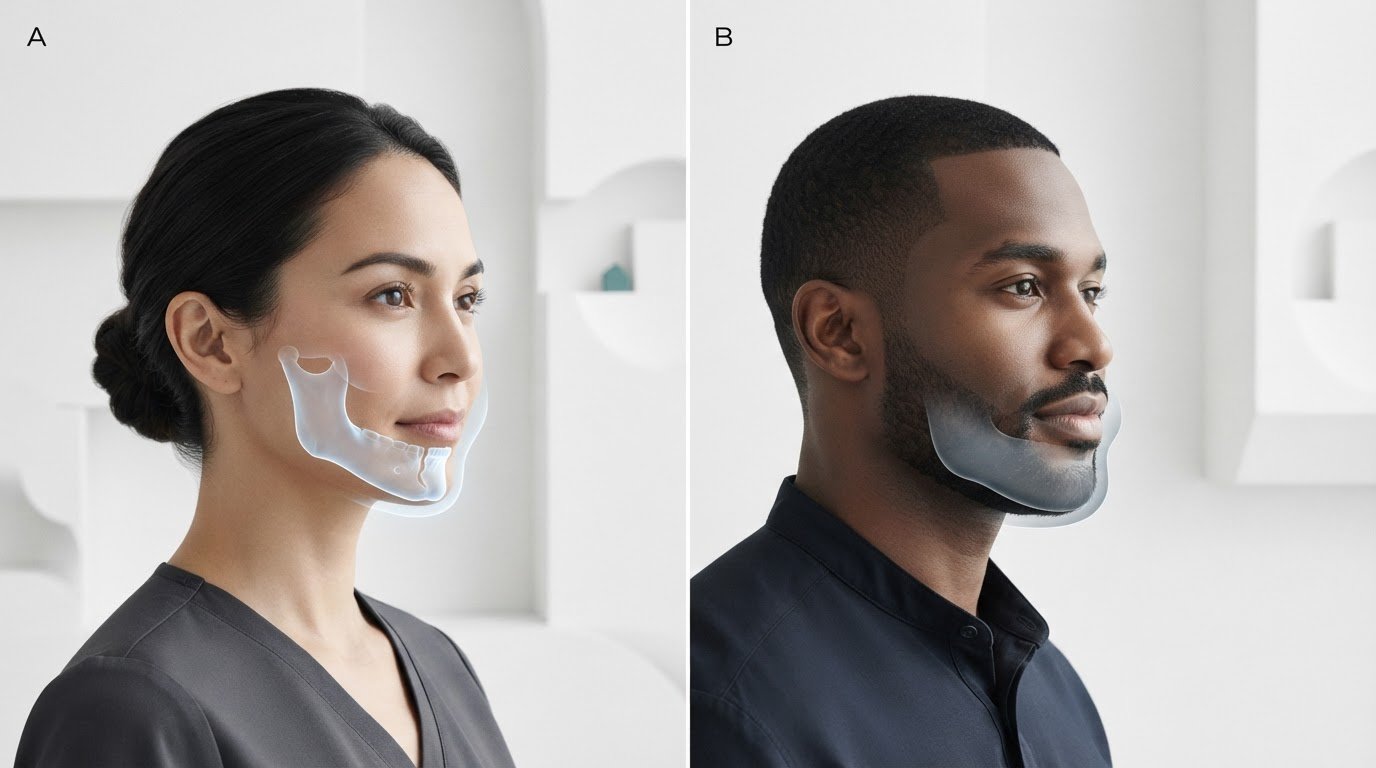
Facial maturation involves more than gravitational descent; it also involves deep structural deflation. As the years progress, subtle resorption of the maxilla and mandible reduces the skeletal framework that once projected your cheeks and defined your jawline:
- Loss of Malar Projection: Shrinking bone density beneath the midface allows overlying fat pads to slide downward and inward, deepening hollows beneath the eyes.
- Deflated Facial Envelopes: Skeletal changes leave behind excess, unsupported skin that appears lax even before profound tissue stretching occurs.
- Multi-Vector Imbalance: Simply lifting deflated tissue without restoring foundational fullness produces a flat, artificial contour.
Recognizing the interplay between bone resorption and ligament descent clarifies what is the best age for a facelift for your individual face, ensuring that restoration addresses underlying volume alongside structural suspension.

Non-Surgical Limits: Recognizing When Injectables Yield Diminishing Returns
Non-surgical modalities excel at replenishing localized volume and softening dynamic expression lines. Dermal fillers and neuromodulators provide reliable support during the earliest phases of structural maturation. However, injectables cannot reposition descended muscular layers or remove redundant cutaneous tissue. When patients ask what is the best age for a facelift, the answer often arrives when non-surgical treatments stop restoring balance and begin distorting natural facial contours.
Energy-based skin tightening devices similarly encounter anatomical boundaries. Radiofrequency and ultrasound therapies stimulate localized collagen synthesis in the upper dermal layers, but they cannot lift ptotic cheek fat pads or re-anchor loosened platysmal bands. Relying indefinitely on temporary measures to simulate a surgical lift inevitably yields diminishing returns.
The Reality of Filler Fatigue and Facial Distortion
Using hyaluronic acid fillers to camouflage tissue laxity frequently culminates in facial overfilling syndrome (FOS). Adding gel volume to elevate sagging tissue works against natural anatomy by placing heavy physical weight onto already weakened retaining ligaments. Over several years, persistent filler accumulation in superficial facial planes causes several noticeable problems:
- Loss of Natural Contour: Cheeks expand outward horizontally instead of projecting naturally forward, blunting the delicate contours of the midface.
- Perioral Heaviness: Unanchored volume slides downward toward the mouth, worsening nasolabial folds and marionette shadows rather than alleviating them.
- Facial Distortion: The midface takes on a pillowy appearance during dynamic smiling, masking authentic expression.
Recognizing these changes signals that injectables have transitioned from restoring harmony to creating unnatural camouflage.
Why Procrastinating Too Long Can Compromise Surgical Outcomes
Postponing surgical intervention out of fear of going “too early” carries distinct physiological downsides. Operating on healthy, responsive tissues produces superior long-term results because natural microcirculation and cellular repair mechanisms remain vibrant. When patients delay surgery into their late sixties or seventies with severe solar elastosis and chronic tissue stretching, the surgical redraping process faces mechanical limitations.
Waiting too long requires larger cutaneous excisions and places greater mechanical demands on thinning skin envelopes. In contrast, addressing anatomical descent when your tissues retain healthy bounce allows for tension-free deep-plane elevation and seamless healing. Identifying what is the best age for a facelift requires recognizing this window, ensuring surgery occurs while your biological healing intelligence remains at its peak.
If you notice diminishing returns from repeated injectables, schedule an integrative consultation with Dr. Leonard Grossman to evaluate your structural readiness for natural surgical restoration.
Planning for Longevity: Creating an Integrative Facial Rejuvenation Strategy
Lasting rejuvenation extends far beyond the operating room. While identifying what is the best age for a facelift anchors your operative timing, long-term elegance requires an integrative philosophy that supports your tissues before, during, and after surgery. Preparing your cellular terrain through microcirculatory support, targeted nutrition, and adequate hydration primes the vascular bed for rapid healing. After surgery, maintaining whole-body wellness ensures your newly repositioned contours remain vibrant and supple for decades.
True restorative mastery respects your individuality. It rejects cookie-cutter approaches that pull facial features into a generic mold. Navigating these choices requires partnering with an experienced specialist; guidance on choosing an elite plastic surgeon highlights the importance of finding a practitioner who prioritizes anatomical balance, tissue preservation, and authentic expression.
Restoring Three-Dimensional Harmony with Autologous Fat Grafting
A comprehensive lift repositions descended muscular structures, but lifting alone addresses only half of the aging equation. Youthful faces possess soft, three-dimensional curves created by healthy subcutaneous fat pads. Incorporating natural fat grafting alongside deep-plane suspension restores this crucial third dimension. Using your own living adipose tissue delivers key advantages:
- Living Cellular Integration: Autologous micro-fat grafts integrate permanently into host tissues, establishing their own blood supply rather than degrading like synthetic gels.
- Regenerative Vitality: Native fat parcels contain rich cellular signaling factors that nourish the overlying dermis, enhancing skin texture and microvascular glow.
- Harmonious Contouring: Careful micro-droplet placement gently replenishes deflated temples, softened cheek apexes, and hollowed periorbital frames without artificial puffiness.
Your Consultation: Formulating a Personalized Surgical Timeline
Your surgical timeline should emerge from a collaborative clinical evaluation. During an integrative consultation, your surgeon assesses dynamic muscular movement, tissue elasticity, retaining ligament release points, and bone structure. Examining photographs of your parents and younger self provides invaluable biological clues, showing precisely how your genetic foundation shifts over time.
Honoring your distinct facial identity remains the ultimate objective. Rather than chasing fleeting aesthetic trends, a customized procedure restores the structural architecture that is uniquely yours. When deep tissue repositioning, autologous volumetric restoration, and holistic health align, discovering what is the best age for a facelift becomes an empowering step toward graceful, lifelong vitality.
Embracing Your Personal Timeline for Timeless Facial Harmony
Deciding what is the best age for a facelift comes down to listening to your own tissue biology rather than watching the calendar. When you prioritize deep structural repositioning over surface pulling, rejuvenation enhances your natural character instead of altering it. Recognizing the biological threshold where injectables begin causing distortion allows you to transition toward restorative surgery with absolute confidence, protecting your foundational facial architecture for the years ahead.
Lasting elegance stems from combining deep-plane support with the regenerative power of autologous fat transfer. Backed by over three decades of dedicated surgical mastery, Dr. Leonard Grossman has earned a national reputation for delivering undetectable, naturally refreshed outcomes. As a pioneer in holistic restoration, his practice focuses on nourishing your inherent vitality and honoring your unique anatomical framework.
Take control of your rejuvenation journey today. Schedule a personalized facial consultation with Dr. Grossman to explore your biological readiness and design a restorative plan that celebrates your lifelong beauty.
Frequently Asked Questions
Can you be too young for a facelift?
Yes, undergoing surgery before true structural descent occurs provides minimal aesthetic benefit and risks unnecessary scarring. Patients in their twenties or early thirties rarely exhibit the ligament laxity or jowling required for deep tissue release. When younger individuals explore what is the best age for a facelift, non-invasive maintenance, sun protection, and conservative injectable support remain far more appropriate until foundational tissues physically loosen from the jawline.
Is there an upper age limit for undergoing a facelift safely?
There is no upper chronological age cutoff for surgical facial restoration. Overall physiological health, cardiovascular stability, and adequate tissue microcirculation matter far more than birth year. Healthy patients in their seventies and eighties frequently achieve exceptional, rejuvenating results. A comprehensive preoperative evaluation ensures your vascular system supports normal wound healing before moving forward with surgery.
How many years can a well-executed facelift typically last?
A comprehensive deep plane facelift typically provides durable structural improvement lasting ten to fifteen years. Because the procedure repositions the underlying muscular framework rather than merely pulling cutaneous skin under tension, your facial structures age naturally from a refreshed baseline. Adopting an integrative lifestyle, maintaining stable body weight, and prioritizing sun protection help sustain these results over time.
What is the primary difference between a mini lift and a deep plane facelift?
A mini lift targets mild lower-face laxity through limited incisions, focusing primarily on the skin and superficial tissue along the jawline. A deep plane facelift releases retaining ligaments and elevates the deeper muscular layers and descended fat pads as an integrated unit. This deeper mobilization addresses midface hollows, severe jowls, and neck laxity without creating unnatural tension on the skin surface.
Will a facelift correct fine lines and sun-damaged skin texture?
A facelift restores structural contours and lifts descended tissue, but it does not alter cellular skin quality or erase fine surface wrinkles. Textural concerns, solar elastosis, and superficial crinkling require targeted skin resurfacing techniques like laser treatments or chemical peels. Combining deep structural lifting with specialized laser skin resurfacing addresses both sagging architecture and surface photodamage harmoniously.
Can combining a facelift with autologous fat transfer produce more natural results?
Combining structural lifting with autologous fat grafting to the face produces significantly more youthful, three-dimensional contours. While surgical suspension re-anchors ptotic muscles, living fat cells replenish deflated volume in the temples, cheeks, and under-eye hollows. This autologous tissue integrates permanently, delivering rich regenerative cellular factors that nourish the overlying skin while avoiding the artificial, doughy look often caused by synthetic fillers.
How do I determine whether I need a neck lift in conjunction with my facelift?
You likely need a neck lift if you exhibit visible platysmal muscle banding, submental fat accumulation, or noticeable skin laxity beneath the chin. The jawline and neck function as a unified anatomical unit. Addressing lower-face jowling while ignoring separated neck bands creates an unbalanced visual transition. Combining a facelift with a neck lift ensures smooth, continuous contours from the cheekbones down to the collarbones.