Skip to content
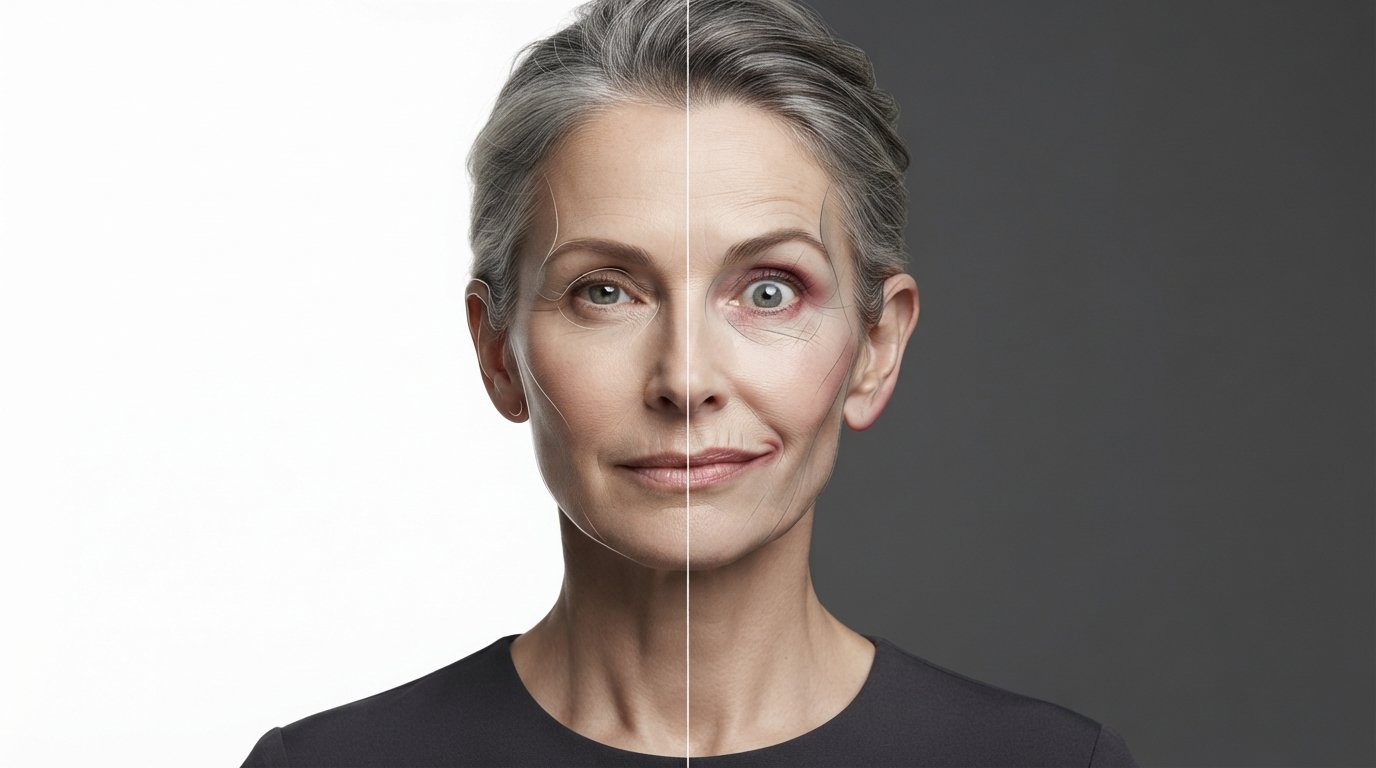
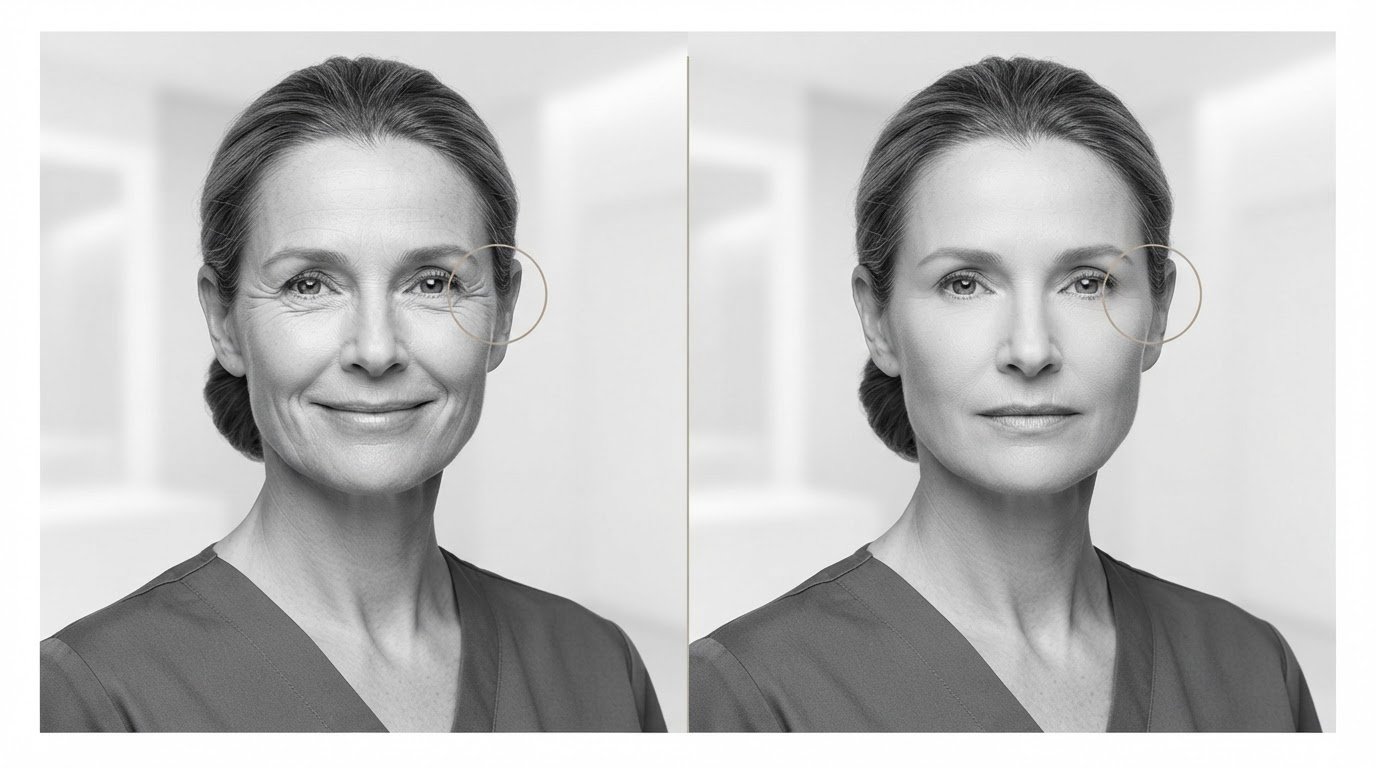
What if the most revealing hallmark of skilled facial surgery is that nobody notices it happened at all? When looking in the mirror post-surgery, it is entirely normal to feel uneasy if your expression looks tight, startled, or unfamiliar. Wondering whether you are observing early recovery changes or unmistakable signs of a bad facelift is an agonizing dilemma, especially when trying to distinguish normal post-operative swelling from structural distortion. True facial harmony relies on repositioning deep anatomical foundations rather than merely dragging skin across bone.
You deserve clear answers and complete peace of mind about your healing process. In this clinical guide, you will discover the definitive physical indicators of compromised surgical tension, learn how tissue settles over time, and explore restorative options, such as autologous fat grafting, designed to replenish natural vitality and architectural balance. Below, we break down an objective anatomical checklist to help you evaluate your features with clarity and calm confidence.
Key Takeaways
- Master a 7-point clinical checklist covering the earlobes, lateral mouth, and eyes to identify structural signs of a bad facelift with objective anatomical clarity.
- Differentiate normal post-operative lymphatic edema and tissue stiffness from permanent surgical complications across each phase of your recovery timeline.
- Discover why excessive superficial skin tension distorts dynamic facial expressions, while deep-plane repositioning preserves organic facial harmony.
- Explore advanced corrective strategies and secondary revision techniques, including fat grafting to the face, to restore soft tissue volume and soften compromised contours.
What Defines an Unnatural Facelift Result?
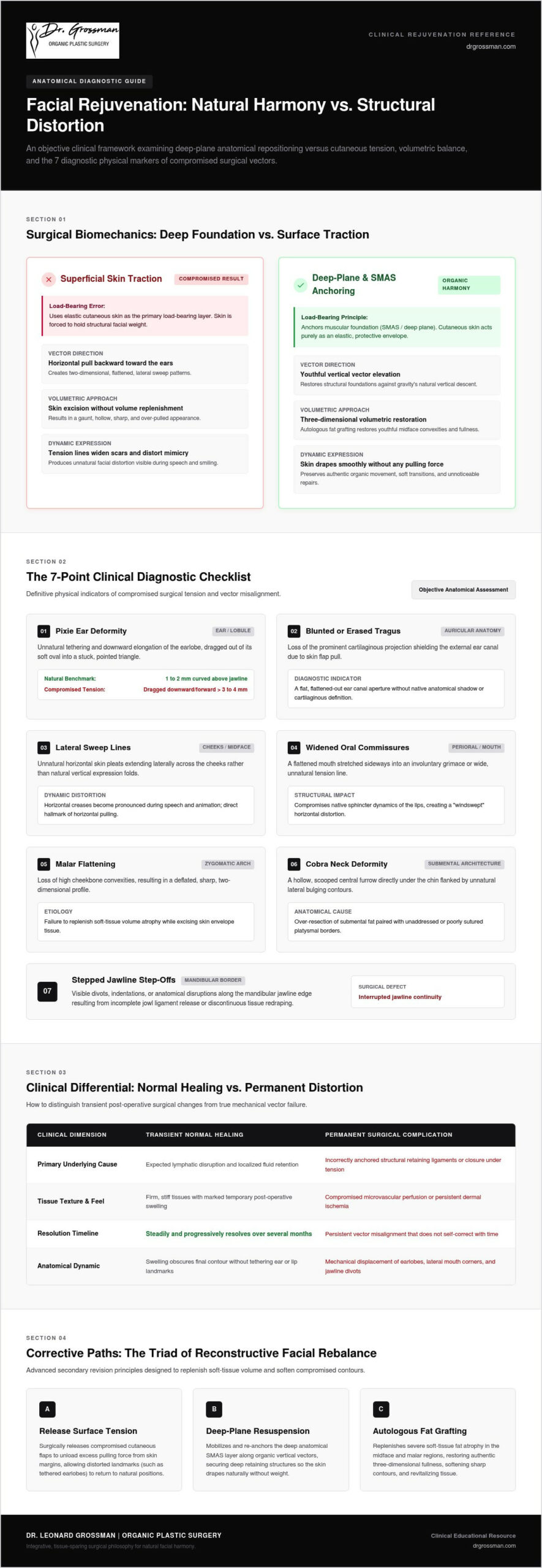
An unnatural surgical outcome occurs when superficial skin is forced to bear structural tension, disrupting native facial dynamics and distorting natural expressions. True facial rejuvenation relies on restoring youthful vertical vectors rather than pulling mobile tissue horizontally toward the ears. When a surgeon relies on skin excision rather than deep-plane repositioning, the face loses its soft, three-dimensional contours, producing visible signs of a bad facelift that become unmistakable during speech and smiling.
Immediately after surgery, marked swelling and firm tissues can temporarily obscure your final appearance. Normal post-operative edema stems from expected lymphatic disruption and steadily resolves over several months. Conversely, permanent anatomical disruption occurs when structural retaining ligaments are incorrectly anchored or skin flaps are closed under excessive traction. Understanding recognized Rhytidectomy complications helps patients distinguish between transient healing swelling and true mechanical distortion, such as compromised microvascular perfusion, persistent dermal ischemia, or permanent vector misalignment.
The Distinction Between Tissue Support and Surface Tension
Unnatural tension is the artificial mechanical distortion of facial features caused by using elastic cutaneous skin as a primary load-bearing layer instead of anchoring the deep muscular foundations. Human skin functions as a protective, elastic envelope rather than a structural support cable. When skin is pulled tight, it creates noticeable pull lines, widens surgical scars, and flattens your organic expression. Durable, natural rejuvenation demands mobilizing and securing the underlying superficial musculoaponeurotic system (SMAS) or deep plane, allowing the overlying skin to drape smoothly without any pulling force.
The Role of Volumetric Balance in Natural Facial Harmony
Facial aging is rarely just a matter of sagging tissue; it involves deep soft-tissue fat atrophy alongside structural descent. Two-dimensional tightening alone fails because it ignores the natural volume that gives youth its softness. When a practitioner simply excises skin without replenishing structural volume, the result is often gaunt, sharp, and hollow. Dr. Leonard Grossman emphasizes an integrative, tissue-sparing surgical philosophy that treats volumetric restoration as essential to structural work. Restoring depleted midface contours ensures that re-suspended features look balanced, vibrant, and entirely organic, protecting against the stark, over-pulled signs of a bad facelift.
The Clinical Checklist: 7 Telltale Signs of a Bad Facelift
Evaluating your face after surgery requires an objective, anatomical lens rather than subjective worry. When tension is misdirected or structural support is neglected, tissues distort in predictable ways. Recognizing the clinical signs of a bad facelift empowers you to look past general anxiety and identify exact structural misalignments. The American Society of Plastic Surgeons outlines recognized surgical sequelae within their documentation of official facelift risks, confirming that vector errors and tissue distortion demand careful clinical assessment rather than passive dismissal.
Review this diagnostic checklist to evaluate your healing:
- Pixie Ear Deformity: Unnatural tethering and downward elongation of the lobule.
- Blunted or Erased Tragus: Loss of the cartilaginous projection shielding the external ear canal.
- Lateral Sweep Lines: Unnatural horizontal skin pleats extending across the cheeks during movement.
- Widened Oral Commissures: A flattened mouth stretched sideways into an involuntary grimace.
- Malar Flattening: Loss of high cheekbone convexities, leading to a deflated two-dimensional profile.
- Cobra Neck Deformity: A hollow, scooped furrow directly under the chin bordered by bulging contours.
- Stepped Jawline Step-Offs: Visible divots or disruptions along the mandibular border from incomplete jowl release.
Distortions of the Ear and Tragus Architecture
Ears often reveal unnatural tension first. A classic “pixie ear” occurs when cutaneous skin flap tension drags the unanchored earlobe downward toward the jaw, pulling it out of its soft oval shape into a stuck, pointed triangle. An objective benchmark: a natural earlobe sits with its lowest point unattached or gently curved 1 to 2 millimeters above the jawline transition. If your lobe appears dragged forward or downward by more than 3 to 4 millimeters, excessive surface closure tension is present. Simultaneously, pulling facial skin over the tragus cartilage flattens this natural crest, exposing the auditory canal and revealing conspicuous, pale scars placed outside the natural pre-auricular crease.
The Lateral Sweep and the Windswept Midface
Horizontal vectors create an unmistakable wind-tunnel appearance. When surgeons direct tension backward toward the ear rather than vertically against gravity, the corners of the mouth pull laterally, forming an unnatural static grimace. Dynamic smiling produces diagonal diagonal skin folds running horizontally across the midface. Rather than restoring youthful cheek fullness, this sideways pull crushes the natural projection of the malar fat pad, creating a tight, flat facade.
Cobra Neck Deformity and Jowl Irregularities
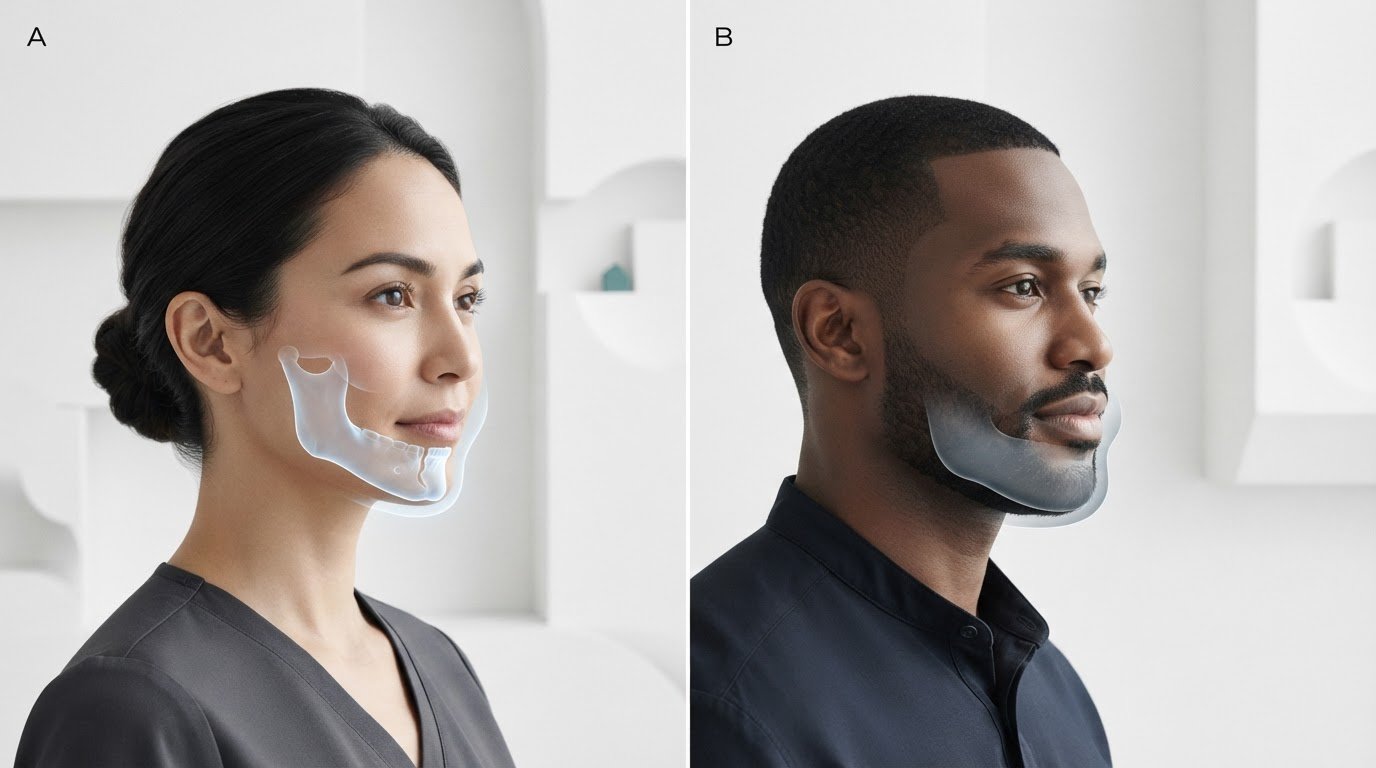
In the cervical area, aggressive fat removal without muscle restoration produces significant aesthetic flaws. When a practitioner over-resects central submental fat while ignoring separated platysma muscle edges, a hollow, depressed indentation forms beneath the chin, creating the characteristic cobra neck deformity. Similarly, simply stretching skin over persistent jowls leaves irregular steps along the mandibular border rather than a clean, unbroken jawline. If you are experiencing structural contour disruptions, consulting with a specialist experienced in advanced facelift procedures can provide clarity on whether tissue repositioning or volume restoration can re-establish organic balance.
If you have noticed these irregularities and want an objective anatomical evaluation, you can reach out to Dr. Leonard Grossman to discuss your restorative options.
Why Suboptimal Results Occur: Anatomical Mechanics and Techniques
Surgical artistry requires a profound respect for three-dimensional anatomy. When facial rejuvenation fails to look natural, the root cause is almost never an issue with healing biology; it is a mechanical mismatch between surgical technique and facial architecture. Outdated methods treat the human face like a two-dimensional canvas, stretching surface layers without addressing deeper muscular descent. Understanding the mechanical flaws behind these approaches clarifies why certain techniques cause classic signs of a bad facelift while others preserve authentic movement.
Surgical literature catalogs potential facelift complications ranging from skin necrosis to permanent nerve trauma, highlighting how aggressive cutaneous traction compromises vascular supply. When a surgeon forces delicate skin flaps to carry structural weight, tension restricts microvascular capillary networks, resulting in thickened scars, loss of sideburn hairlines, and prolonged tissue ischemia. Addressing tissues in their proper anatomical plane avoids these vascular and dynamic pitfalls entirely.
Skin-Only Tightening vs. Deep Muscular Realignment
Cutaneous-only rhytidectomy relies solely on pulling and excising the skin envelope. Because skin has viscoelastic properties, it continuously relaxes under tension, causing scars to widen and stretch toward the ears. Modern structural approaches, including sub-SMAS and deep-plane techniques, work beneath the superficial musculoaponeurotic system. By surgically releasing key retaining ligaments, the surgeon repositions dropped muscular structures effortlessly. The overlying skin simply redrapes without tension, eliminating the telltale signs of a bad facelift.
Misunderstood Vector Mechanics in Traditional Surgery
Gravity pulls aging facial structures downward in a vertical vector. Traditional procedures made the critical error of pulling lax tissue straight back along an unnatural horizontal plane. This backward displacement drags the corners of the mouth sideways and flattens midface projection. Correcting facial descent requires restoring a vertical trajectory, elevating the descending malar fat pad directly upward to recreate high, rounded cheek contours rather than a wide, flattened profile.
The Missing Component: Autologous Structural Volume
Aging involves structural deflation as much as descent. As deep fat compartments in the cheeks and temples shrink, simply tightening the overlying tissue over bare bone creates a skeletal, gaunt appearance. Surgical excision cannot replace lost biological volume. Integrating natural fat grafting directly restores these depleted living tissues, replenishing youthful convexities and supporting soft facial architecture without artificial pulling.
Normal Healing vs. Permanent Complication: Navigating the Timeline
Experiencing uneven swelling or profound tissue firmness after facial surgery can trigger deep apprehension. Healing tissues undergo intricate physiological remodeling, meaning early post-operative appearances rarely reflect your permanent surgical architecture. Distinguishing temporary biological recovery from genuine signs of a bad facelift requires an objective, calendar-based framework to guide your expectations with clinical clarity.
Weeks 1 Through 6: The Distortion Phase of Edema
During the initial six weeks, profound lymphatic disruption causes fluid to pool unevenly across facial planes. Asymmetric fluid retention often makes one cheek appear noticeably fuller or one side of the jawline slightly higher. Concurrently, recovering sensory and motor nerves create sensations of wooden tightness, regional numbness, and transient smile asymmetry. These early distortions stem from predictable inflammatory responses rather than structural errors, making patience your most vital asset during this initial phase.
Months 3 to 6: Soft-Tissue Maturation and Scar Remodeling
Between three and six months, facial tissues transition into deep collagen remodeling. Incision lines often experience a transient phase of hypertrophic tension and redness before gradually softening, flattening, and fading. Dynamic muscle animation returns to organic physiological patterns as deep tissue planes stabilize. Swelling resolves substantially during this window, allowing you to observe your emerging structural baseline contours with far greater accuracy.
Month 12 and Beyond: When to Declare a Surgical Flaw
By the one-year mark, microvascular networks have reorganized and lymphatic channels are fully re-established. If anatomical distortions like elongated pixie earlobes, lateral sweep lines, or submental furrowing persist at this stage, they are structural signs of a bad facelift rather than lingering edema. Twelve months serves as the standard clinical threshold before pursuing secondary correction, ensuring operative planes have softened enough for safe surgical re-entry. If you suspect your recovery has stalled and want an expert assessment of your structural features, contact Dr. Leonard Grossman for a thorough evaluation.
Restoring Balance: Corrective Paths and Revisional Surgery
Facing a compromised cosmetic outcome feels disheartening, but clear, proven surgical avenues exist to restore anatomical harmony. Corrective facial surgery transforms rigid contours back into soft, organic movement. Resolving visible signs of a bad facelift requires an integrative approach that addresses distorted tissue layers rather than stretching an already depleted cutaneous envelope.
Secondary procedures require specialized anatomical expertise. Because previous operations create dense internal scar tissue and alter normal dissection planes, revision surgeons must work with millimeter precision to protect motor branches of the facial nerve. True correction focuses on releasing trapped structures and rebuilding lost architectural support.
Surgical Revision and Deep Vector Realignment
Secondary rhytidectomy addresses the root structural errors of the initial surgery. The surgeon carefully dissects beneath the scarred superficial musculoaponeurotic system, releasing tethered cutaneous flaps and repositioning dropped deeper tissues along a proper vertical trajectory. This comprehensive release relieves tension on the earlobes, enabling full reconstruction of natural, unattached lobule curvature and restoring the delicate cartilage projection of the tragus. In the neck, direct plication of separated platysmal borders eliminates persistent vertical banding and smooths out submental depressions.
Tissue Softening and Volume Restoration with Fat Grafting
Over-resection often leaves the midface starved of natural adipose tissue. Autologous fat grafting to the face plays a pivotal restorative role by reintroducing your own living cells into scarred, thinned facial planes. This biological transfer accomplishes two critical goals:
- Cellular Revitalization: Adipose-derived stem cells support local microcirculation, softening dense fibrosis and improving overlying skin elasticity.
- Architectural Padding: Carefully grafting micro-droplets of fat into the temples, infraorbital hollows, and malar zones restores three-dimensional youthfulness without relying on additional skin excision.
Selecting a Specialist for Revisional Facial Surgery
Correcting compromised facial aesthetics demands an extraordinary depth of surgical discernment. You need an authority who emphasizes tissue preservation, biological volume restoration, and balanced facial dynamics over aggressive cutaneous traction. Take your time vetting credentials, evaluating untouched before-and-after cases of complex corrections, and prioritizing surgeons who tailor their techniques to your individual anatomy. For deeper guidance on vetting surgical expertise, explore these essential benchmarks for selecting a plastic surgeon to ensure your corrective journey is grounded in exceptional clinical judgment and patient safety.
Reclaiming Your Natural Facial Vitality
Living with surgical distortion can feel overwhelming, but your current appearance does not have to be permanent. Recognizing the anatomical signs of a bad facelift gives you the clarity needed to seek meaningful change. True facial elegance relies on deep muscular repositioning along natural vertical vectors rather than tight skin pulling, while autologous fat transfer restores the organic volume that skin excision alone strips away.
With over 30 years of specialized expertise in aesthetic plastic surgery and complex facial restoration, Dr. Leonard Grossman pairs rigorous anatomical mastery with a pioneering approach to autologous fat transfer. By replenishing soft-tissue layers and releasing compromised tension lines, secondary surgery can soften rigid scars and re-establish three-dimensional balance. You deserve to look in the mirror and see yourself again, confident and refreshed. Consult Dr. Grossman to evaluate your facial rejuvenation and revision options, and take your first empowering step toward restoring harmonious, natural beauty.
Frequently Asked Questions
How long after a facelift can you tell if the results are unnatural?
You can reliably determine if surgical results are unnatural around nine to twelve months after your procedure. While post-operative swelling and temporary nerve numbness distort your features in the first three months, true anatomical alignment stabilizes near the one-year mark. Persistent issues like pulled earlobes, lateral skin pleats, or flattened cheek contours at this stage reflect structural tension rather than normal healing swelling.
What is a pixie ear deformity, and can it be corrected after a bad facelift?
A pixie ear deformity occurs when the unanchored earlobe is pulled downward toward the jawline by excessive skin tension, creating a stuck, triangular appearance. Yes, an experienced surgeon can correct it through secondary revision. The procedure involves carefully un-tethering the elongated lobule, anchoring deep muscular support to relieve surface tension, and reshaping the earlobe back into its natural, freestanding curved contour.
Can tight, windswept skin from a facelift loosen up on its own over time?
Cutaneous skin does relax slightly as its elastic fibers stretch, but a genuine windswept look rarely resolves on its own. If the deeper muscular layer was pulled horizontally rather than along natural vertical vectors, the underlying tension remains. Waiting several months may slightly soften superficial tight bands, but visible pull lines and flattened midface profiles typically require surgical repositioning of the deep tissues to correct.
What causes a hollow cobra neck appearance after facial rejuvenation?
A cobra neck deformity occurs when a surgeon removes too much central fat beneath the chin while leaving the platysma muscle edges unapproximated and side fat untreated. This creates a hollow, scooped depression bordered by prominent muscle cords or remaining fat pockets. Correcting this irregularity requires releasing the scarred submental skin, repairing the underlying platysmal bands, and restoring smooth contours using autologous fat grafting to the face.
Is it possible to undergo a revision facelift to fix unnatural scars?
Yes, revision surgery can successfully improve visible, displaced, or widened scars. When incisions are closed under excessive surface pull, scars tend to stretch, thicken, or pull the sideburn hairline unnaturally backward. A revision specialist mobilizes the deeper tissues so that the overlying skin can be excised and meticulously re-sutured without tension, often aligning the new scar cleanly within native anatomical creases.
How does facial fat grafting help repair a botched or over-tightened facelift?
Autologous fat grafting to the face replenishes living tissue volume that was stripped away by over-resection or skin-only pulling. Transferring your own adipose cells does more than fill hollow cheeks and temples. The regenerative properties within the transferred fat help soften dense internal scar tissue, support microvascular capillary flow, and restore soft, youthful contours without relying on additional skin excision.
What should I ask during a revision facelift consultation to ensure safety?
Ask prospective surgeons how often they perform secondary facial revisions and how they navigate scarred tissue planes to safeguard facial nerves. Request to see untouched before-and-after cases of complex corrections similar to yours. Inquire whether they rely on deep anatomical repositioning and autologous volume restoration rather than superficial cutaneous pulling, ensuring their approach treats the underlying causes rather than just surface signs of a bad facelift.