Skip to content
Did you know that facial fat grafting saw a 39% surge in demand recently as patients seek more permanent ways to address the “peanut-head” look? If you’re researching fat transfer to temples before and after results, you likely recognize how temporal wasting can disrupt facial harmony and make you look older than you feel. It’s common to feel frustrated by the high recurring costs of temporary injectables or the anxiety of looking overfilled and puffy. You deserve a solution that honors your unique anatomy rather than masking it with foreign substances.
By choosing an integrative approach to rejuvenation, you can restore a youthful, heart-shaped face using your body’s own living cells. This guide explores how autologous tissue offers a permanent, biocompatible alternative to temporary fillers. We’ll examine the science of how these organic grafts nourish your skin from within, providing a subtle, lasting restoration that supports your long-term wellness and confidence. You will discover how this refined procedure creates a bridge between conventional aesthetics and the body’s natural healing intelligence, offering a path to restoration that looks and feels entirely like you.
Key Takeaways
- Learn why temporal wasting causes a “peanut-shaped” appearance and how restoring these lateral fat pads brings back youthful facial harmony.
- Discover why autologous fat is a permanent, biological alternative to dermal fillers, offering natural volume that integrates with your own tissue.
- Understand the three-step purification process that ensures only the healthiest adipose cells are used to nourish and support your facial structure.
- Explore the realistic fat transfer to temples before and after timeline, including why initial over-correction is a vital part of the vascularization process.
- Gain insight into how Dr. Grossman’s integrative care model customizes every augmentation to align with your total body health and unique anatomical history.
Understanding Temple Hollowing: The Impact on Facial Harmony
When we look in the mirror, we often focus on visible lines around the eyes or mouth. However, the temples play a silent, vital role in our facial architecture. Temporal wasting occurs when the lateral fat pads that cushion the upper face begin to diminish. This loss creates a concave appearance, often described as a “peanut-shaped” head. In this state, the forehead and cheekbones seem to bulge while the area between them sinks. This structural shift emphasizes bony ridges and can make you look gaunt or perpetually tired, even after a full night’s sleep. Restoring this volume is a foundational step in holistic rejuvenation.
The Anatomy of the Temple Area
The temple isn’t just a flat surface; it’s a complex intersection of the temporal muscle and multiple fat compartments. These pads act as a soft scaffold for the upper third of the face. When they deflate, the tail of the eyebrow loses its support. This often leads to a slight drooping of the lateral eye, which can make the eyes appear smaller or more aged. This is why many patients notice a dramatic difference when reviewing fat transfer to temples before and after galleries. The restoration of these pads lifts and opens the entire orbital area, returning a sense of vitality that topical treatments simply cannot reach. The upper face is often the first to show signs of vitality loss because these fat pads are particularly sensitive to metabolic changes and aging.
Why Fillers Are Often a Temporary Fix
Many people initially turn to hyaluronic acid fillers for a quick fix. While these provide immediate volume, they are often a temporary solution in a high-movement area like the temple. The “filler fatigue” cycle involves recurring costs and the potential for the product to migrate or look “puffy” over time. In contrast, autologous fat transfer utilizes your body’s own living tissue to create a permanent, biocompatible restoration. By using fat as a natural scaffold, we support the body’s natural healing intelligence rather than relying on synthetic substances that eventually dissolve. When evaluating the long-term benefits of fat transfer to temples before and after procedures, the shift from a skeletal look to a soft, heart-shaped contour is the most profound change. Using your own biological tissue ensures that the results move naturally with your expressions, avoiding the static or overfilled look associated with excessive synthetic products.
The Science of Temple Fat Grafting: A Three-Step Journey
Restoring volume to the upper face is a delicate process that requires a deep understanding of how living tissue behaves. Unlike synthetic products that simply occupy space, autologous fat grafting is a biological transfer of your own regenerative cells. This three-step journey begins with the gentle harvesting of fat from a donor site, typically the abdomen or thighs. We use specialized, low-pressure techniques to protect the integrity of the adipocytes, ensuring they remain viable for their new home. When weighing the benefits of facial fat grafting vs. facial fillers, the ability to use your own “living gold” is what sets this procedure apart as a truly integrative solution.
Once harvested, the tissue undergoes a purification process. This step is vital for concentrating healthy adipose cells and removing excess fluids or non-viable components. By refining the graft, we optimize the bioavailability of the cells, giving them the best possible chance to thrive. The final step involves strategic micro-fat grafting. Using blunt-tip cannulas, we place tiny droplets of fat into the various layers of the temporal compartment. This precision ensures that each cell is close to a blood vessel, which is the foundation of a successful fat transfer to temples before and after result.
Micro-fat vs. Nano-fat: Precision in the Temples
We tailor the density of the graft to your specific anatomical needs. Micro-fat is the gold standard for restoring the deep volume loss that causes temple hollowing. It provides the structural support needed to lift the lateral brow. In contrast, nano-fat is a highly refined version used closer to the surface. It’s rich in regenerative markers that help combat oxidative stress and improve skin texture. By combining these techniques, we don’t just fill a void; we nourish the entire temporal region. If you’re ready to explore how this integrative approach can restore your natural contours, you can learn more about Dr. Grossman’s facial fat grafting philosophy during a personal consultation.
Vascular Integration: The Key to Permanent Results
The success of the procedure relies on your body’s natural healing intelligence. Once the cells are placed, a process called neo-vascularization begins. This is where your body builds a new network of blood vessels to support the transferred fat. Fat graft ‘take’ is the successful integration of transferred cells into the local blood supply. This integration is what makes the results of fat transfer to temples before and after surgery permanent. Once these cells establish their own blood supply, they behave like any other fat cell in your body, providing a soft and lasting restoration that synthetic fillers cannot match.
Fat Transfer vs. Dermal Fillers: Results and Longevity
When you’re considering facial restoration, the choice between synthetic substances and your own tissue is a significant decision. Dermal fillers offer an “instant” change, but they are essentially foreign gels placed under the skin. In contrast, the results from autologous fat are “evolving.” While the initial volume is visible immediately, the final, refined contour emerges over several months as the cells integrate. This living tissue provides a soft, natural bounce that synthetic gels simply cannot replicate. Because you’re using your own biological material, you eliminate the risk of foreign body reactions, supporting a more harmonious relationship between your aesthetic goals and your body’s natural state.
Once the vascularization process is complete, the fat cells become a permanent part of your facial structure. They don’t dissolve like hyaluronic acid or other temporary materials. This permanence is a key reason patients study fat transfer to temples before and after outcomes so closely. They want a solution that lasts years, not months. The texture of the restored area feels like your own skin because, physiologically, it is. There’s no stiffness or artificial “feel” when you touch your temples or make facial expressions.
The Cost-Benefit Analysis of Permanence
Choosing a permanent restoration is often a more mindful long-term investment. While fillers require annual or semi-annual maintenance sessions, a successful fat graft is typically a one-time procedure. This approach reduces the “chemical load” on your system, aligning with the principles of natural eye care and holistic wellness. Patients who prioritize whole-body health often prefer autologous options because they avoid the cycle of repeated synthetic injections. It’s about nourishing the face with what it already knows and accepts. Over time, the cost and time savings of avoiding recurring clinic visits for “top-ups” become quite evident.
Natural-Looking Before and After Expectations
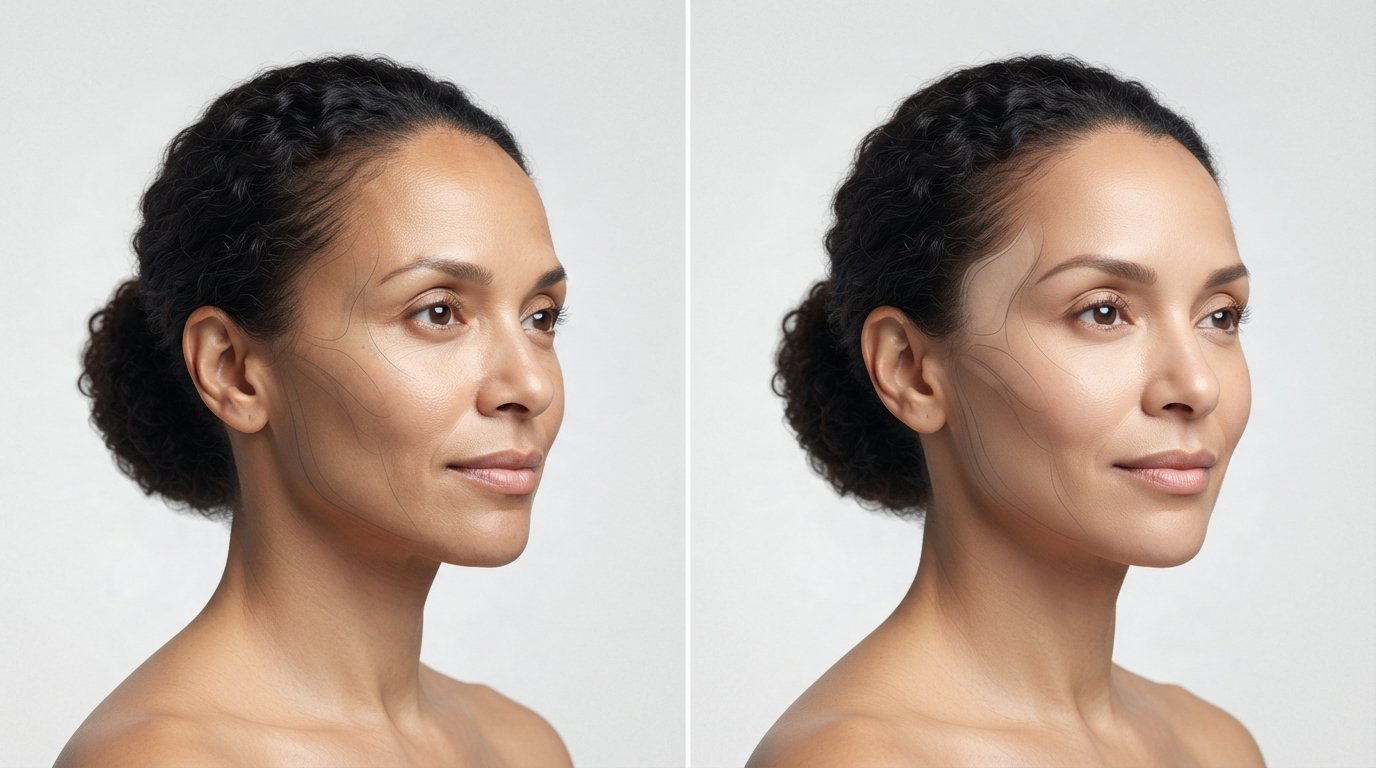
The ultimate goal is to achieve a youthful, heart-shaped facial contour without looking “done.” Temple restoration does more than just fill a hollow. It provides a subtle, indirect lift to the lateral brow and refreshes the entire eye area. This creates a look of rested vitality that appears entirely authentic. For those considering broader rejuvenation, these techniques often complement an Integrative Guide to Restoring Natural Vitality in 2026, where the focus remains on vitality rather than just tension. When you look at fat transfer to temples before and after photos, notice how the transition from the forehead to the cheek becomes a smooth, continuous curve. This seamless blending is the hallmark of a successful, natural restoration that respects your unique anatomy.

Recovery and Results: The ‘Before and After’ Timeline
Recovery is a journey of patience and physiological integration. On the first day, the mirror might surprise you. We intentionally over-correct the volume to account for the natural reabsorption that occurs as the body processes non-viable cells. Between weeks 8 and 12, approximately 20% to 40% of the initial volume will subside. This is not a failure of the procedure; it is a predictable biological response as the remaining cells establish their permanent blood supply. When examining fat transfer to temples before and after transitions, it is essential to look past this initial fullness to see the enduring structure beneath.
The first 14 days require a gentle, protective approach to your daily routine. You should prioritize rest and avoid any activities that increase cranial pressure or involve direct contact with the temporal area. Supporting your system with a diet rich in healthy fats and micronutrients helps provide the bioavailable foundation needed for the new cells to thrive. This initial window is the most critical period for neo-vascularization. If you have questions about your specific healing progress, you can request a personalized recovery plan to ensure your path to restoration is as smooth as possible.
Optimizing Your Fat Graft ‘Take’ Rate
Every living cell requires a stable environment to flourish in its new location. To maximize the survival of the graft, you must maintain a stable weight. Because these cells retain the biological characteristics of their donor site, significant weight loss can cause the restored volume to contract. Proper hydration and avoiding nicotine are vital, as they ensure optimal oxygen delivery to the healing tissue. We focus on nourishing the body from the inside out to protect the integrity of the graft. Final results are typically assessed at six months once all swelling has subsided.
What to Look for in Before and After Photos
A successful restoration is defined by the seamless blending of facial compartments. When reviewing fat transfer to temples before and after images, pay close attention to the transition zones where the forehead meets the hairline and the zygomatic arch. You want to see a smooth, lateral curve that replaces the previous “peanut-shaped” indentation. The goal is a youthful, heart-shaped silhouette that looks authentic in every light. For a deeper understanding of how these techniques integrate with other facial areas, consult The Ultimate Guide to Fat Grafting: Natural Rejuvenation and Volume Restoration. True rejuvenation is about harmony, not just volume; it ensures that your new contours reflect your inner vitality.
The Integrative Approach of Dr. Leonard Grossman
Dr. Leonard Grossman approaches facial rejuvenation as a partnership in long-term wellness. His practice moves beyond the cold, transactional nature of traditional plastic surgery, opting instead for a compassionate, mentor-like model of care. Every temple augmentation is customized to the patient’s whole-body health profile, ensuring that the procedure supports your overall vitality. By studying your native structural architecture, Dr. Grossman uses your own biological tissue to map a path toward restoration. When evaluating fat transfer to temples before and after outcomes, you are witnessing the result of a process that prioritizes your body’s natural healing intelligence and structural integrity.
A Focus on Natural Rejuvenation
The core of Dr. Grossman’s philosophy is the belief that autologous fat is the ultimate “living” alternative to synthetic materials. This approach applies the principles of Natural Eye Care to facial aesthetics, emphasizing the connection between structural support and total body wellness. By choosing your own cells, you avoid the risks of foreign body reactions and support the long-term health of your facial tissues. This creates a vital bridge between conventional surgical precision and alternative healing wisdom, focusing on long-term prevention over quick, synthetic fixes. It’s about nourishing the area to optimize bioavailability and ensure the grafted fat integrates seamlessly with your existing anatomy.
Is Temple Fat Transfer Right for You?
Candidacy for this procedure typically involves individuals who have noticed a “gaunt” or hollow look in the upper third of the face. If you’re seeking a permanent restoration that moves naturally with your expressions, you may benefit most from this autologous solution. Many patients find that combining temple grafting with other procedures, such as Eyelid Surgery, creates a more balanced and refreshed appearance. When you look at fat transfer to temples before and after galleries, the most successful results are those that respect the patient’s original facial proportions and vitality. During your consultation, it’s helpful to ask about the specific preparation steps required to optimize your fat graft “take” rate. Understanding how your nutrition and lifestyle will support the new cells is a key part of the integrative journey. If you are ready to explore your natural rejuvenation options, Schedule a consultation with Dr. Leonard Grossman to discover how to restore your facial harmony with lasting, biological results.
Reclaiming Your Natural Vitality and Facial Harmony
Choosing to restore your temples is more than an aesthetic decision; it’s a commitment to your long-term wellness and structural integrity. By moving away from the cycle of temporary fillers and choosing your own living tissue, you support your body’s natural healing intelligence. We’ve explored how temporal wasting impacts your facial architecture and why a meticulous purification process is vital for cell survival. When you review fat transfer to temples before and after results, you see the power of a biocompatible restoration that synthetic gels simply cannot match.
Dr. Grossman’s integrative approach ensures that every procedure is tailored to your unique whole-body health profile. His expertise in autologous fat grafting provides a bridge between traditional surgical skill and a holistic understanding of facial vitality. You don’t have to settle for a gaunt or tired appearance when a permanent, organic solution is available. You can begin your journey toward natural facial harmony with Dr. Leonard Grossman today. Take the first step toward a refreshed version of yourself that feels authentic, nourished, and fully supported.
Frequently Asked Questions
Is fat transfer to the temples permanent?
Fat transfer to the temples is considered a permanent restoration because the transferred tissue becomes a living part of your anatomy. Once the cells establish a blood supply, they don’t dissolve like synthetic gels. While initial volume may shift during the first three months, the fat that remains after that period integrates into your tissue for the long term. This permanence makes it an excellent choice for those seeking a one-time solution rather than recurring maintenance.
How much of the transferred fat actually survives in the temples?
On average, patients can expect a survival rate of 50% to 70% of the transferred volume. This is why we perform a deliberate over-correction during the procedure. Approximately 30% to 40% of the non-viable volume is naturally reabsorbed by the body within the first 8 to 12 weeks. When you observe a fat transfer to temples before and after result at the six-month mark, you are seeing the stabilized, permanent volume that has successfully vascularized.
Is temple fat grafting better than Sculptra or Juvederm?
While Sculptra and Juvederm provide excellent temporary results, fat grafting offers a biocompatible, autologous alternative. Synthetic fillers are foreign substances that eventually dissolve and require costly repeat sessions. Fat is your body’s own “living gold,” providing a softer texture and a more natural feel. Choosing fat allows you to avoid the “filler fatigue” cycle and reduces the chemical load on your system, supporting an integrative approach to facial rejuvenation and long-term whole-body health.
What are the risks of fat transfer to the temporal area?
Like any procedure, temple fat grafting carries risks such as temporary swelling, bruising, or minor asymmetry. However, we minimize these by using blunt-tip cannulas to protect the delicate superficial temporal artery. Because we use your own biological tissue, there is no risk of an allergic or foreign body reaction. We focus on supporting your body’s natural healing intelligence throughout the process to ensure a safe, smooth transition from the initial graft to final integration.
How long is the recovery time after temple fat grafting?
Most patients experience a social downtime of approximately 7 to 10 days. During this window, you’ll notice significant swelling due to the necessary over-correction and the body’s inflammatory response. While you can return to light activities relatively quickly, it’s vital to avoid pressure on the temples to optimize cell survival. The final contour typically emerges around month six, which is when the most accurate fat transfer to temples before and after comparisons are made.
Will I have scars from the fat harvesting or injection?
Scars from this procedure are extremely minimal and often difficult to find once healed. The fat is harvested through tiny, 2 to 3 millimeter incisions in the abdomen or thighs, which we place in discreet locations. For the temple injections, we use fine cannulas that leave marks no larger than a standard needle prick. We emphasize gentle techniques to protect your skin’s integrity, ensuring that the focus remains on your restored volume rather than the points of entry.
Can temple fat transfer fix a drooping eyebrow?
Temple fat transfer can provide a subtle, indirect lift to the lateral tail of the eyebrow. By restoring the lateral fat pads that support the upper face, we create a firmer scaffold for the overlying skin. This often results in a more “open” and refreshed appearance around the eyes. While it doesn’t replace a surgical brow lift, it addresses the underlying volume loss that often causes the brow to appear heavy or drooping in the first place.
What happens if I lose weight after temple fat grafting?
Transferred fat cells retain their original biological characteristics from the donor site. If you experience significant weight loss, the fat cells in your temples will shrink, just like the fat cells in your abdomen or thighs. Conversely, they can expand if you gain weight. To maintain your results and support facial harmony, we recommend maintaining a stable weight. This stability ensures that your restored contours remain consistent and continue to nourish your facial appearance for years to come.