Skip to content

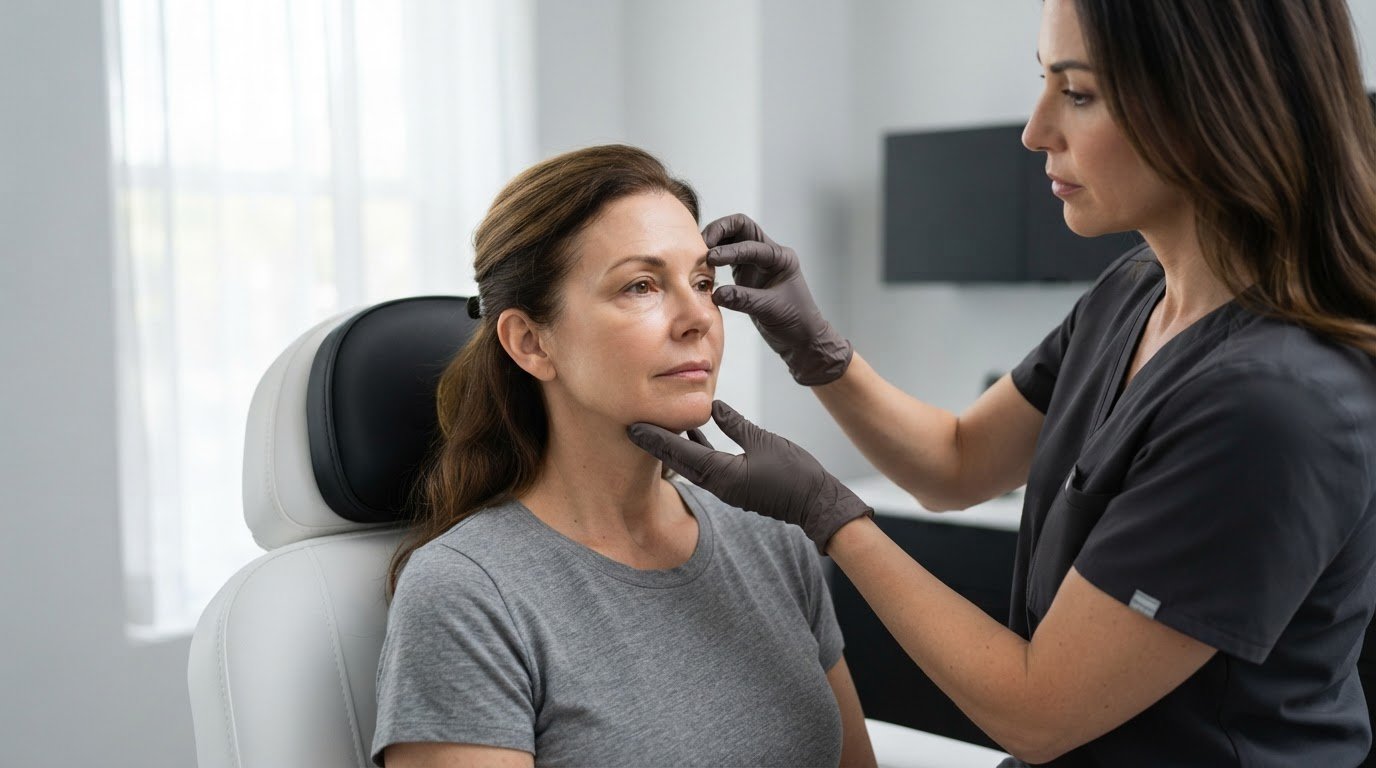
Lower eyelid support matters because surgery should address under-eye bags or loose skin while preserving the eyelid’s position and its transition into the cheek. In comparing upper vs lower blepharoplasty, the key difference is the area treated: upper surgery addresses excess skin and hooding, while lower surgery focuses on bags, puffiness, and changes beneath the eyes. When both areas contribute to a tired appearance, a surgeon may consider combining the procedures.
It’s understandable to focus first on what you see in the mirror, whether that’s heavy upper lids or persistent under-eye bags. But choosing between upper vs lower blepharoplasty means considering what contributes to those changes, including lower-eyelid support and how the lid meets the cheek. This guide explains how the procedures differ, why lower-lid support can influence surgical planning, and when combining them may make sense. You’ll have a clearer framework for matching your concerns with an approach that considers the whole eye area.
Key Takeaways
- Match the procedure to the concern: upper-lid skin and hooding differ from lower-lid bags, puffiness, and hollows.
- Lower eyelid support and the eyelid-to-cheek transition are important considerations in planning surgery.
- Compare incision approach and recovery needs to understand how upper and lower procedures differ.
- When concerns affect both areas, combining procedures may offer a coordinated approach; learn what surgeons weigh when planning it.
Why is preserving lower eyelid support important during surgery?
Preserving lower-eyelid support helps maintain the lid’s position and its transition into the cheek. Upper surgery targets hooding or excess skin; lower surgery addresses eye bags, puffiness, wrinkles, and loose skin.
Lower blepharoplasty may remove or reposition fat and address loose skin. Planning also considers whether the lower eyelid droops and reveals too much of the eye’s white. This support matters because the goal is to treat the concern while respecting the eyelid’s position.
Upper blepharoplasty removes excess skin and may address muscle or fat when a heavy upper eyelid folds over the lashes. If drooping skin affects peripheral vision, the concern is functional as well as cosmetic. Drooping brows can also contribute to a heavy appearance.
For lower-lid wrinkles, bags, and excess skin, the surgeon may operate below the lashes or inside the lower lid. Fat may be removed or repositioned, depending on whether puffiness, hollowing, or the transition from eyelid to cheek is the main concern.
Upper and lower surgery can be combined when both areas need treatment. A combined procedure may take up to two hours, and the plan should account for lower-lid support as well as the upper eyelid.
| Option | Main concern | Typical focus |
|---|---|---|
| Upper blepharoplasty | Hooding, excess skin, or vision obstruction | Skin, and sometimes muscle or fat |
| Lower blepharoplasty | Bags, puffiness, wrinkles, or hollows | Fat, skin, and eyelid position |
| Combined surgery | Concerns in both areas | Coordinated upper- and lower-lid treatment |
Choose based on which area concerns you and whether both eyelids need treatment.
A suitable candidate has upper-lid skin that affects appearance or vision, lower-lid bags or laxity, or concerns in both areas.
In the United States, look for a surgeon experienced in eyelid surgery who can explain the planned technique, lower-lid support, and relevant risks.
Possible complications include bleeding, infection, loss of sensation around the eyes, and an uneven eyelid margin.
Are upper and lower blepharoplasty performed differently?
Upper and lower blepharoplasty differ in incision placement and the tissue treated. For upper eyelid surgery, the incision follows the eyelid crease. The surgeon may remove excess skin, muscle, and fat before closing it. For lower surgery, the incision may sit below the lashes or inside the lower lid. Fat may be removed or repositioned, and sagging skin may be addressed.
Recovery varies with the procedure. Upper blepharoplasty has an average recovery time of 1-2 weeks, while lower blepharoplasty averages 2-3 weeks. Upper-lid swelling and bruising usually resolve within 10-14 days. Lower-lid swelling and bruising can last up to four weeks, so appearance may take longer to settle after lower surgery.
Aftercare also shapes recovery. Mayo Clinic advises applying ice packs for 10 minutes every hour on the night after surgery, then 4 to 5 times the following day. It advises avoiding strenuous activity for a week and contact lenses for about two weeks. Follow the surgeon’s specific care instructions, since the procedure and healing needs affect the plan.
Full healing takes longer than returning to everyday tasks. Most patients recover from upper blepharoplasty within 4-6 weeks; full recovery after lower surgery may take 6-8 weeks. The final result of eyelid surgery usually appears between 3 and 6 months after surgery, as swelling subsides and incision lines mature. These timelines help distinguish early recovery from the settled appearance.
Health insurance may cover blepharoplasty when it repairs a condition that harms vision, according to Mayo Clinic. Surgery performed solely to improve appearance probably won’t be covered.

Differences between upper and lower blepharoplasty
Upper and lower procedures target different eyelid structures, so incision placement and the intended change vary. Comparing the anatomy and likely results helps connect your concern with an appropriate treatment approach.
Anatomical Differences
Upper eyelid surgery follows the natural crease, where excess skin, muscle, or fat can create hooding. Removing selected tissue can refine the fold and reduce skin resting near the lashes. The focus is the upper lid’s contour and, when drooping obstructs it, the field of vision.
Lower eyelid surgery addresses the lid beneath the eye and its transition into the cheek. An incision may sit below the lashes or inside the lid, with fat removed or repositioned. This distinction matters when eye bags come from prominent fat pads, while hollowing or shadowing may involve the surrounding facial contour.
Differences in Surgical Results
Upper blepharoplasty primarily changes a heavy or hooded appearance. By addressing excess skin and, when needed, muscle or fat, surgery can create a more visible eyelid crease. For patients whose upper skin interferes with peripheral vision, the aim may also be to reduce that obstruction, rather than change appearance alone.
Lower blepharoplasty focuses on bags, puffiness, loose skin, or hollows around the eyes. Repositioning fat can soften the boundary between the lower eyelid and cheek, while removing selected excess skin can reduce wrinkling. The result changes the under-eye contour, not the upper-lid fold.
Results also differ in longevity. Upper blepharoplasty results typically last 12 to 15 years. Lower blepharoplasty results often last longer, as repositioned fat tends to remain stable over time. These differences help explain why a refreshed look depends on treating the structure behind each concern, rather than choosing solely by the area that seems most noticeable.
Combined upper and lower blepharoplasty
When upper-lid hooding and under-eye bags appear together, surgeons may perform both procedures during one operation. This approach treats the eye area as a connected facial feature, rather than addressing only the crease or under-eye contour. The goal is a coordinated change that accounts for eyelid position and support.
Planning begins by identifying what contributes to each concern. For example, upper eyelid skin may fold over the crease while lower-lid fat creates visible bags. The surgical plan can address upper skin and contour, then consider removing or repositioning lower-lid fat. Lower-lid support remains part of the assessment because the eyelid’s position affects the final contour.
Combining procedures typically takes up to two hours. For patients who need treatment above and below the eye, one operation can mean one surgery and one recovery period rather than separate procedures and recovery phases. That practical advantage does not make the combined option right for every pattern of aging; the areas involved and planned surgical work matter.
A coordinated plan can also help avoid a mismatched appearance, such as a more open upper lid alongside untreated under-eye bags. The goal is a rested look that respects the natural transition from eyelid to cheek. If sagging brows contribute to upper-lid heaviness, a brow lift may also be considered alongside upper and lower blepharoplasty.
During planning, discuss the concerns you want addressed, such as a heavy crease, persistent bags, or both. Ask how the surgical approach accounts for lower-lid support and whether a brow lift is relevant. These points help clarify whether one combined procedure addresses your concerns as a whole or whether a more focused approach better fits your anatomy.
The central takeaway is simple: choose a combined procedure because both eyelid areas need treatment, not just for convenience. A thoughtful plan connects the upper crease, lower eyelid, and cheek transition in one surgical strategy.
Dr. Leonard Grossman: Fat Grafting to the Breasts
Fat Grafting to the Breasts is a separate option for people considering breast enhancement alongside their facial aesthetic goals. It doesn’t treat eyelid concerns, so it’s relevant only if your goals also include changes to breast shape or volume. Keeping these aims distinct helps you focus on the procedure that addresses each concern.
For questions about upper or lower eyelid surgery, discuss your concerns and desired outcome with Dr. Leonard Grossman. If breast enhancement is also part of your plans, you can discuss Fat Grafting to the Breasts as a separate treatment option.
Contact Dr. Leonard Grossman to discuss your aesthetic goals and the options that fit them.
Take the Next Step Toward a Thoughtful Plan
A decision about upper vs lower blepharoplasty starts with identifying the change you want to address and how it affects your daily life. Bring clear priorities to a conversation about eyelid surgery, such as refining the upper-lid contour, addressing under-eye concerns, or considering both areas together. This gives you a practical basis for discussing a surgical plan that reflects your goals.
Dr. Leonard Grossman offers eyelid surgery, as well as Fat Grafting to the Face, Fat Grafting to the Breasts, and Fat Grafting to the Buttocks for distinct aesthetic goals. If eyelid surgery is the next step you’re considering, contact Dr. Leonard Grossman to discuss your goals and possible approach.
With a clear sense of what matters to you, you can move forward feeling informed and prepared.
Frequently Asked Questions
What is Blepharoplasty?
Blepharoplasty is surgery on the eyelids that can address changes affecting the upper lids, lower lids, or both. For example, a person may consider it when upper-lid skin interferes with peripheral vision, or when under-eye bags remain prominent. The procedure focuses on eyelid tissues, so it differs from treatments aimed mainly at brow position or skin texture.
Can brow descent make the upper eyelids look heavier?
Yes. A lowered brow can push upper-eyelid skin downward, making the lid appear hooded even when excess eyelid skin isn’t the only factor. For example, if the brow itself sits low, treating only the eyelid may not address the source of heaviness. A brow lift may be considered instead of or alongside upper blepharoplasty.
Can removing too much fat during blepharoplasty create hollow eyes?
Yes. Removing more fat than the area needs can reduce under-eye fullness and make hollows more noticeable. Lower-lid planning may involve repositioning fat rather than removing it, particularly when bags sit beside a hollow or shadow. The balance matters: the aim is to address bulging without creating an abrupt change in the contour beneath the eye.
Can upper eyelid heaviness be caused by something other than excess skin?
Yes. A drooping brow can press eyelid skin downward, while an eyelid that sits low near the pupil may involve ptosis. Repeatedly raising the brows to compensate for heaviness can also contribute to forehead tension. These causes differ, so an assessment considers brow and eyelid position, not only how much skin appears to fold over the lid.
What is the difference between upper and lower blepharoplasty?
Upper blepharoplasty focuses on the fold and contour above the eye, while lower blepharoplasty addresses the lid-cheek area beneath it. For instance, someone bothered by a heavy crease has a different concern from someone noticing under-eye bags beside hollows. That distinction helps clarify which eyelid area is relevant and whether one or both areas are involved.
How is upper blepharoplasty performed compared with lower blepharoplasty?
Upper surgery usually places its incision in the eyelid crease, where excess tissue can be addressed along the natural fold. Lower surgery may use an incision just beneath the lashes or inside the lower lid, depending on the treatment plan. The route matters because the lower approach can target fat or skin differently, while upper surgery centers on the eyelid fold.