Skip to content
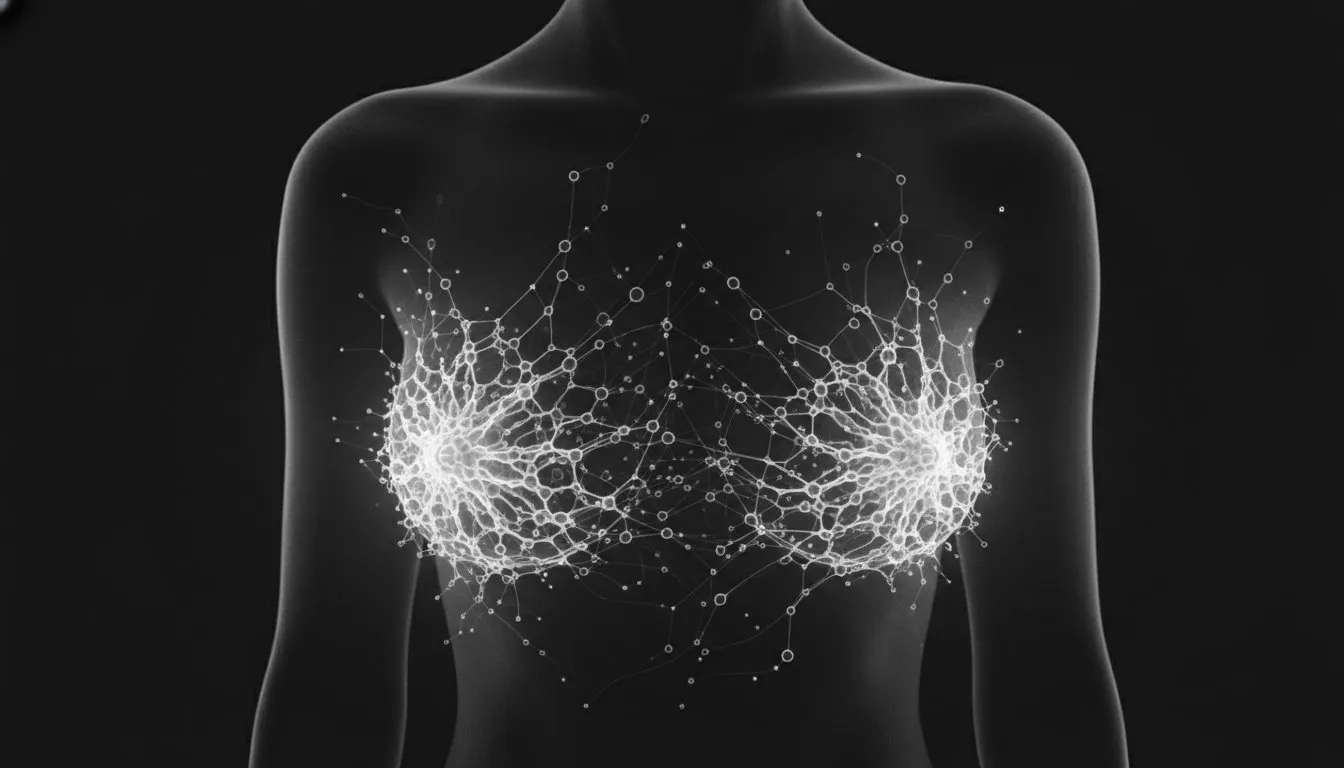
A 2025 prospective study using MRI technology revealed that the average fat transfer breast augmentation survival rate typically stabilizes at approximately 46% after eight months. You might feel a sense of hesitation when seeing those figures, especially if you’re worried about your investment simply disappearing or resulting in the lumpy texture of fat necrosis. It’s completely natural to feel confused by the conflicting percentages found across the internet, but these numbers don’t have to be a source of anxiety.
We believe that successful breast enhancement is a biological partnership between surgical precision and your own cellular vitality. This guide will help you understand the clinical factors that determine graft retention and how to support your body’s natural healing intelligence to optimize your long-term results. We’ll explore the broader 44% to 83% survival range found in systematic reviews, the vital role of weight stability in maintaining your new silhouette, and the actionable steps you can take to ensure your final result is both beautiful and permanent.
Key Takeaways
- Understand how the fat transfer breast augmentation survival rate represents the percentage of tissue that successfully establishes a vital blood supply within your body.
- Discover why viewing your transferred fat as a living transplant allows us to support your body’s natural regenerative processes for a permanent result.
- Learn about the “gentle harvest” and purification protocols designed to protect the delicate cell membranes of your fat cells to optimize retention.
- Find out why results are typically considered stable by the one-year mark and how they remain consistent over time when you maintain a balanced lifestyle.
- Explore an integrative philosophy that focuses on whole-body health to nourish the recipient site and provide the best environment for your new tissue to thrive.
Understanding the Fat Transfer Breast Augmentation Survival Rate
When we discuss the fat transfer breast augmentation survival rate, we’re looking at a deeply personal biological journey. This rate isn’t just a clinical statistic; it’s the percentage of transferred adipose tissue that successfully establishes a vital blood supply within its new environment. Understanding The Biology of Grafting helps us see that this process is a partnership between your body’s natural healing intelligence and surgical precision. While the industry standard range for retention is often cited between 50% and 80%, a 2025 prospective MRI study found that volume retention often stabilizes at approximately 46% after 253 days. A broader systematic review of clinical studies suggests an overall average of 58%.
Once these delicate cells survive the initial three to six month window, they become a permanent part of your breast tissue. They aren’t foreign objects or temporary fillers. Instead, they’re living components of your own body. These survived fat cells behave exactly like the ones you were born with:
- Weight Fluctuations: They will expand or shrink naturally as your body weight changes.
- Longevity: They remain for a lifetime as long as you maintain a stable body weight.
- Consistency: They provide a soft, natural feel that mirrors your existing tissue.
The Critical First 90 Days
During the first three months, your body is busy deciding which cells to nourish and which to reabsorb. This timeline of settling is when the fat transfer breast augmentation survival rate truly defines itself. You’ll notice a significant visual transition as post-operative swelling fades and the stable final volume emerges. Because we anticipate some natural reabsorption, surgeons often choose to strategically overfill the area. This tactical choice ensures that once the dust settles, you’re left with the beautiful, natural volume you desire. It’s a methodical approach to achieving long-term balance.
Permanent Volume vs. Temporary Swelling
The Biology of Grafting: How Transferred Fat Becomes Permanent
Think of your fat as more than just filler. It’s a living, breathing tissue. When we perform Understanding the Fat Transfer Breast Augmentation Procedure, we’re essentially facilitating a living transplant. Unlike synthetic implants, these cells carry your own unique biological signature. They contain adipose-derived stem cells, which act as tiny regenerative engines. These cells don’t just occupy space; they actively participate in the healing process by signaling your body to nourish and integrate the new volume. This cellular communication is the very foundation of a successful fat transfer breast augmentation survival rate. By supporting your body’s natural healing intelligence, we allow these cells to transition from their original location to their new home in the breast tissue, where they can thrive for a lifetime.
- Regeneration: Stem cells encourage the repair of surrounding tissues.
- Integration: The body recognizes the graft as “self,” reducing the risk of rejection.
- Vitality: Living cells maintain a natural softness and warmth that mimics original breast tissue.
Neovascularization: The Lifeline of Your Results
For a fat cell to survive, it must find a new source of life. This process is called neovascularization. It’s the growth of delicate new blood vessels into the graft. Oxygen is the single most vital factor here. Without immediate access to oxygenated blood, a cell can’t maintain its vital functions. This is why we use a specific micro-droplet injection technique. By placing tiny amounts of fat in multiple layers, we ensure every single cell is close to an existing blood supply. This meticulous placement supports your body’s natural healing intelligence, giving each cell the best chance to “take” and become permanent. We focus on maximizing the bioavailability of nutrients at the recipient site, creating an environment where new vessels can flourish quickly.
Why Some Fat Fails to Survive
Not every cell will successfully bridge the gap to a new blood supply. When cells don’t receive enough nourishment, they may undergo fat necrosis. This sounds intimidating, but it’s simply the body’s way of identifying non-viable tissue. Your lymphatic system, acting as a natural cleansing network, safely clears these cells away over several weeks. One common reason for lower retention is “crowding.” If too much fat is injected into a tight space, the pressure can collapse existing blood vessels. This deprives the new cells of the very oxygen they need to thrive. By respecting the biological limits of the recipient site, we protect the overall health of the tissue and avoid the formation of firm lumps, which ultimately stabilizes your fat transfer breast augmentation survival rate. If you’re curious about how this biological approach might work for you, exploring the options for fat grafting to the breasts can provide a clearer path toward natural enhancement.
Key Factors Influencing Your Fat Graft Retention Rate
Achieving a high fat transfer breast augmentation survival rate requires a delicate balance of surgical artistry and biological respect. The journey begins with what we call the “Gentle Harvest.” Unlike traditional high-vacuum methods that can be harsh on delicate tissue, we use low-pressure techniques to preserve the integrity of the cell membranes. If the harvesting pressure is too aggressive, the fat cells may burst, rendering them unable to establish a new blood supply. Research into autologous fat grafting safety and survival rates highlights that the meticulous handling of tissue is the first step toward long-term success.
Once harvested, the tissue undergoes purification protocols to remove unwanted debris like free oil, blood, and lidocaine. This leaves us with “liquid gold,” a concentrated sample of healthy fat cells and regenerative stem cells. Beyond the procedure itself, your own baseline vascularity plays a vital role. Your body’s ability to grow new blood vessels determines how well these cells are nourished. We also emphasize the importance of avoiding post-operative pressure. Tight bras or restrictive clothing can compress the newly placed grafts, effectively starving them of oxygen before they can fully integrate. Protecting the recipient site is non-negotiable for graft survival.
The Surgeon’s Technical Precision
Success in this procedure depends heavily on the practitioner’s experience in fat grafting. It’s not just about the tools; it’s about understanding which areas of the body provide the most resilient cells. We often harvest from hormonally stable regions like the thighs or abdomen, as these cells tend to be more robust. Advanced techniques, similar to those utilized in modern liposuction, ensure that we maximize cell viability from the very start of the process. This methodical approach honors the biological needs of the transplant.
Integrative Health: Supporting the Graft from Within
We view your recovery through a lens of whole-body wellness. Micronutrients and proper hydration are essential for building cellular resilience and supporting neovascularization. Nicotine and smoking are the primary enemies of this process because they constrict blood vessels and deprive your new cells of oxygen. Weight stability is another critical factor. A 2025 study found that patients who lost just one BMI point after surgery saw retention drop to 22%. Conversely, those who maintained or slightly increased their weight by one or two BMI points saw retention rates jump to between 57% and 85%. Maintaining a stable weight ensures you aren’t “starving” the newly placed cells during their most vulnerable phase.

Breast Fat Transfer Results: Stability at 1 Year and 5 Years
By the time you reach your first anniversary after surgery, your results are effectively “locked in.” The initial fat transfer breast augmentation survival rate has finished its primary stabilization phase, and the tissue that remains is a living, integrated part of your anatomy. Systematic reviews involving over 3,700 women show that patient satisfaction remains remarkably high at 92% after one year. Even more encouraging is that five-year follow-up data typically mirrors these one-year results. Unlike synthetic implants that eventually require replacement or may feel static as you age, your natural breast tissue moves and changes in harmony with the rest of your body. It’s a permanent solution that respects your biology.
One of the most beautiful aspects of this procedure is how the breasts age. Because the volume comes from your own cells, they don’t remain frozen in time while the rest of your skin and tissue transition. Instead, they follow the natural contours of your life. This creates a sense of harmony and authenticity that many women find deeply reassuring. You aren’t just adding volume; you’re enhancing your body’s natural architecture with its own resources.
Achieving Long-Term Stability
We often speak about the “Golden Rule” of weight maintenance as the cornerstone of preserving your aesthetic investment. Because we view this procedure through an integrative lens, we focus on keeping the recipient tissue healthy for decades. One of the greatest advantages our patients report is the enduring softness. Over five years, the fat doesn’t just sit there. It maintains a supple texture that synthetic materials simply can’t replicate. It’s a biological solution that supports your body’s natural healing intelligence, ensuring that the movement and feel of your breasts remain natural as the years pass.
Managing Weight Fluctuations Post-Surgery
It’s vital to understand that your “new” breast tissue is still subject to your body’s metabolic signals. If you lose twenty pounds, your breasts will likely lose volume too. This happens because the transferred fat reacts to diet and exercise just like the fat on your hips or stomach. A 2025 MRI study demonstrated this clearly: patients who lost just one BMI point saw their retention drop to 22%, while those who maintained or slightly gained weight saw survival rates between 57% and 85%. We encourage a holistic lifestyle to maintain the sculpted results at your donor site while nourishing the volume in your breasts. If you’re ready to explore a more natural path to enhancement, we invite you to learn more about fat grafting to the breasts and how it fits into your long-term wellness goals.
Maximizing Survival: The Dr. Grossman Integrative Advantage
We view every procedure as a living transplant. Achieving the highest possible fat transfer breast augmentation survival rate isn’t just about the hour spent in the operating room; it’s about the weeks of systemic preparation and recovery. Our integrative approach focuses on optimizing the recipient site by enhancing your body’s natural micro-circulation. By prioritizing whole-body health, we create a fertile environment where your own fat cells can find the nourishment they need to thrive permanently. This biological partnership ensures that the “take” rate of the graft is supported by your body’s own vital functions.
Meticulous, low-trauma harvesting is the cornerstone of our surgical philosophy. We use gentle, low-pressure techniques to protect the delicate cell membranes of your adipose tissue. When fat cells are harvested with minimal trauma, they retain their cellular integrity and regenerative potential. These healthy cells are far more likely to establish the blood supply necessary for long-term survival. By pairing this precise technique with personalized recovery protocols, we protect the living grafts during the critical first ninety days when they’re most vulnerable to oxidative stress.
A Compassionate, Mentor-Led Approach to Surgery
Our consultation process is designed to be educational and reassuring, moving beyond simple aesthetics to assess your unique vascular health. We believe that choosing an elite plastic surgeon requires looking deeply at their biological philosophy. A surgeon should act as a mentor, guiding you through the connection between your lifestyle and your surgical outcomes. We’re committed to creating natural-looking results that harmonize with your total body wellness, ensuring your enhancement feels like a true extension of yourself. This patient-centered focus allows us to demystify the fat transfer breast augmentation survival rate and replace anxiety with a sense of agency.
Your Role in the Biological Partnership
While our technical precision sets the stage, your daily choices during recovery act as the nourishment for your new volume. To support the body’s natural healing intelligence, we provide a clear checklist for our patients:
- Nourish: Prioritize nutrient-dense foods that support tissue repair and bioavailability.
- Hydrate: Maintain optimal fluid levels to support the lymphatic system and micro-circulation.
- Protect: Avoid any external compression or tight clothing that could “starve” the new cells.
- Rest: Allow your body the vital energy it needs to grow new blood vessels into the graft.
By taking charge of these recovery steps, you empower your body to lock in your results. Our goal is to provide a permanent, natural enhancement that supports your quality of life for decades to come. This integrative journey ensures that your breasts age gracefully and naturally, reflecting the vibrant health of your entire body.
Embracing Your Natural Path to Lasting Enhancement
Your journey toward a more balanced silhouette is a biological partnership between modern science and your body’s natural wisdom. We’ve explored how the fat transfer breast augmentation survival rate is influenced by everything from meticulous surgical harvesting to your personal nutritional choices. Once the initial stabilization phase is complete, the results aren’t just temporary improvements. They’re a permanent part of your living tissue that ages and moves in harmony with you. It’s a beautiful way to honor your body’s innate architecture while achieving the volume you desire without the need for synthetic materials.
Dr. Grossman brings over 25 years of expertise in advanced fat grafting techniques, offering a pioneering integrative approach that looks beyond the surgery itself to support your total body wellness. This philosophy ensures natural, permanent volume that remains supple and soft for years to come. You’ll find that having a seasoned practitioner who respects your biology makes all the difference in your recovery and your long-term confidence. You deserve a partner who empowers you to achieve a result that feels truly like your own.
Schedule your integrative consultation with Dr. Grossman to discuss your natural augmentation goals.
Frequently Asked Questions
Is the fat transfer breast augmentation survival rate the same for everyone?
No, this rate varies significantly based on individual factors like vascular health, age, and lifestyle habits. While the general range is 50% to 80%, your unique biological environment determines how well the grafts integrate. Factors such as baseline micro-circulation and systemic inflammation play a quiet but powerful role in the final outcome. We assess these variables during your consultation to create a personalized plan for your success.
What happens to the fat that doesn’t survive the transfer?
Non-viable fat cells are naturally reabsorbed and cleared away by your body’s lymphatic system. This process is a normal part of the healing cycle and typically occurs within the first few weeks after surgery. Your body’s natural cleansing intelligence ensures that these cells are processed safely without causing harm to the surrounding healthy tissue. It’s a gentle, biological resolution that allows the surviving cells to thrive without interference.
Can I improve my fat graft retention rate after the surgery is over?
Yes, you can support your fat transfer breast augmentation survival rate by prioritizing rest and optimal nutrition during the recovery window. Avoiding all external pressure on the breasts and maintaining a stable weight are the most impactful steps you can take. By nourishing your body with essential micronutrients, you provide the building blocks necessary for new blood vessel growth and long-term tissue health.
Will my breasts look “lumpy” if some of the fat doesn’t survive?
Most patients experience a smooth, natural transition because the fat is placed in tiny, strategic droplets. While minor irregularities can occur if fat necrosis happens, our precise injection techniques are designed to prevent large clusters of non-viable tissue. We focus on creating a harmonious distribution that mimics the natural texture of your original breast tissue. This meticulous placement ensures a soft, supple feel even as the volume stabilizes.
Does a higher survival rate mean I will need fewer procedures?
A higher retention rate often allows you to achieve your desired volume in a single session. When more of the “liquid gold” successfully establishes a blood supply, the need for a second touch-up procedure is significantly reduced. This is why we emphasize an integrative approach to prepare your body for the best possible graft integration from the start. Our goal is to achieve your aesthetic vision efficiently and permanently.
How much weight can I lose before it affects my fat transfer results?
Any weight loss that reduces your overall body fat percentage will likely lead to a decrease in breast volume. Because the transferred fat behaves like your natural tissue, it responds to caloric deficits just like any other area of the body. We recommend maintaining a stable weight within a five-pound range to preserve the sculpted integrity of your results. Significant fluctuations can “starve” the cells and alter the shape we’ve carefully created.
Is there a specific diet that helps with fat graft survival?
A diet rich in healthy fats and antioxidants supports the cellular resilience needed for a high fat transfer breast augmentation survival rate. Focusing on bioavailability through whole foods helps reduce oxidative stress during the critical neovascularization phase. Staying well-hydrated is also essential to ensure that nutrients can easily reach the newly placed grafts through the bloodstream. We view this nutrition as vital fuel for your body’s natural healing intelligence.
Does the donor site (thighs vs. stomach) affect how well the fat survives?
Clinical evidence suggests that fat harvested from hormonally stable areas like the thighs or outer hips may have slightly better longevity. These cells are often more resistant to minor metabolic shifts compared to abdominal fat. However, the most important factor is the gentle handling of the tissue during the harvest, regardless of which donor site we choose. We prioritize harvesting from areas that offer the most robust and healthy tissue for your transplant.