Skip to content
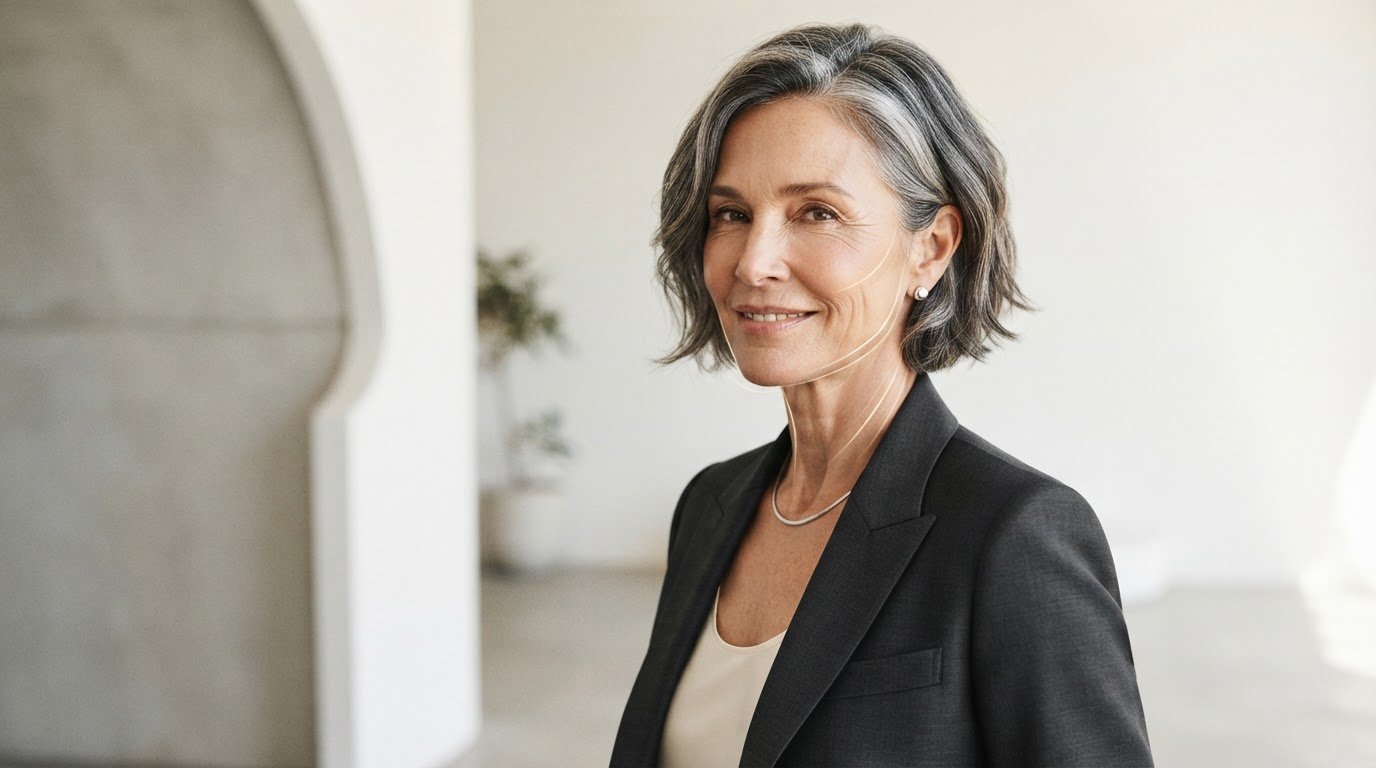
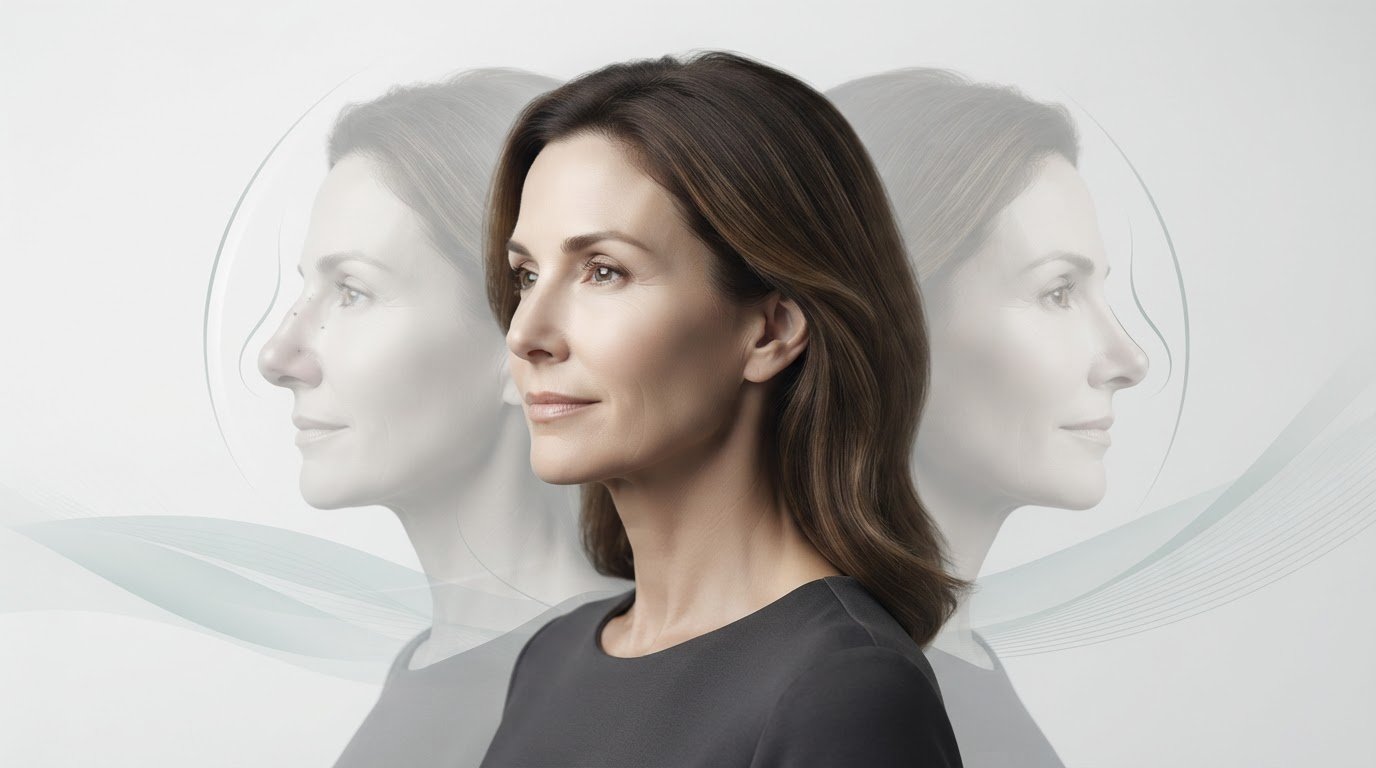
What if natural-looking facelift results aren’t about looking unchanged, but about feeling that your face still looks like you? It’s understandable to worry that surgery could make you look pulled, overdone, or noticeably different. For many people, a refreshed, balanced appearance is the goal, but what feels right depends on your features and personal priorities.
Before-and-after photos can offer useful examples, but they can’t predict your own outcome. Facial features, expression, camera angle, lighting, and framing all shape what you see. Rather than searching for one ideal result, look for qualities that appeal to you and consider which features you’d want to preserve.
This article explains what people mean by natural-looking results, how to view photos with context, and why realistic expectations matter. You’ll also find practical ways to describe your concerns and priorities in a conversation with Dr. Grossman. The aim is to help you feel informed and prepared, not to suggest that any example can guarantee a particular result for you.
Key Takeaways
- Think of natural looking facelift results as a personal aesthetic impression, not a standard or promised outcome.
- Consider facial balance, recognizable features, expression, and your own priorities when describing the look you hope to achieve.
- Compare before-and-after photos thoughtfully, noting whether angles, expressions, lighting, and framing are similar.
- A facelift technique name alone can’t guarantee a natural-looking result. Focus on understanding the approach and its limits.
- Prepare for a conversation with Dr. Grossman by outlining your concerns, prioritizing goals, and bringing examples that help explain your preferences.
What Do Natural-Looking Facelift Results Actually Mean?
Worrying that a facelift could make you look unlike yourself is understandable. The phrase natural looking facelift results can sound as if there’s one correct appearance to aim for, but there isn’t. Your features, priorities, and personal sense of what looks familiar all shape what “natural” means to you. This guide offers a way to think about the idea and discuss your preferences, not a formula or promise.
People may use words like refreshed, balanced, and recognizably themselves to describe the impression they hope for. These are useful conversation goals, not measurements or guarantees. A photo or general description can help you explain an aesthetic preference, but neither can predict how an individual patient will look after surgery.
How can a facelift look refreshed rather than overdone?
Naturalness is a personal impression, not a prescribed facial shape. One person may want a subtle change that makes them feel more rested; another may place greater importance on maintaining a familiar expression or a feature that gives their face its character. Words like “younger” or “perfect” can set expectations that are hard to define. A more useful starting point is to name the change you hope to see and what you’d like to remain familiar.
Try making that distinction concrete. You might say, “I’d like to look less tired, but I want my smile and overall expression to feel like mine.” This communicates both a desired change and a boundary, giving the conversation a clearer focus than simply asking to look younger. The Rhytidectomy (Facelift) Overview offers general background on facelift terminology and approaches, but it can’t determine which result would feel right for you.
Why is there no single definition of a natural result?
People have different facial features, preferences, and ideas of what makes them look like themselves. A change that one person sees as balanced may feel too noticeable to someone else. Naturalness is best discussed through individual priorities rather than treated as a universal standard.
A natural-looking result is an individual impression of a refreshed appearance that still feels consistent with the person’s own features and preferences. Use that definition as a prompt for conversation, not as a claim that an outcome can be objectively measured or guaranteed.
Photographs can help you explain what appeals to you, but they show one person in one set of circumstances. They aren’t templates for another patient, and they may not reveal the person’s preferences or the context behind the result. As you review examples, notice what specifically feels appealing: the overall expression, the degree of visible change, or the features that still seem familiar. Those observations can help clarify your goals without turning someone else’s photo into a prediction.
What Shapes the Impression of a Natural-Looking Facelift?
Once you’ve identified the changes you hope for, consider how they fit into your overall appearance. Facial balance describes the impression created by the face as a whole, not a requirement for perfect symmetry. Features naturally differ from one side to the other, and an identical or idealized look isn’t a universal measure of a good result. The question is whether the qualities you value feel harmonious to you.
How do facial balance and expression affect perceived results?
Look beyond a single feature. Notice how your face reads as a whole, both when relaxed and when expressing yourself. Your smile, familiar expressions, and distinctive features may be central to your sense of recognition. The Mayo Clinic on Facelift Procedures and Results discusses realistic expectations, a useful perspective for keeping personal goals grounded without treating any particular look as objectively ideal.
A practical exercise is to describe your priorities in two columns:
- What I hope to change: For example, “I’d like my face to look less tired.”
- What I want to preserve: For example, “I want my expression and recognizable features to remain familiar.”
This distinction can turn a broad wish for “balance” into a more useful conversation. It doesn’t predict what surgery can achieve; it clarifies what matters to you.
How should personal goals shape the idea of naturalness?
Trends and shorthand terms can be difficult to translate into a personal goal. Instead of asking for a “lifted” or “younger” look, describe what you notice and how you’d like to feel about it. You might say you want a refreshed impression while keeping the features that make your face feel like yours. The facelift guide provides broader procedure context to support that discussion.
Naturalness is a subjective impression shaped by personal goals, familiar features, and what feels balanced to the individual. It isn’t a single facial shape or a promise of a particular appearance. Two people can view the same example differently: one may appreciate the visible change, while another may prefer a subtler impression.
Use your preferences as a starting point, not a demand for a specific template. If you’re considering facelift surgery, a personal conversation with Dr. Grossman about your facelift goals can help you describe what you hope to change, what you value, and which expectations you want to explore.
How to Evaluate Facelift Before-and-After Photos Fairly
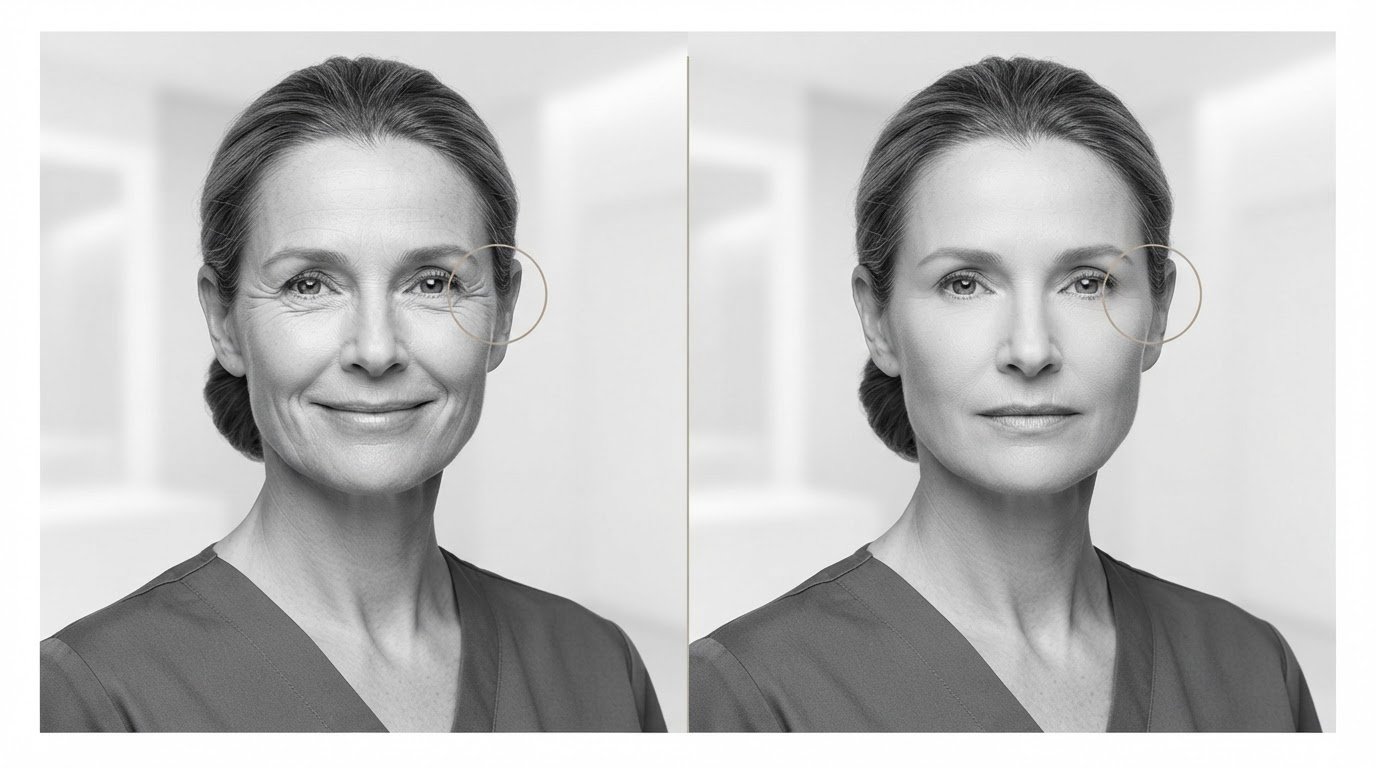
Before-and-after photographs can help you put words to your aesthetic preferences, but they’re most useful when viewed thoughtfully. A striking difference may catch your eye, yet the way images are captured and presented can shape your impression. Use the checklist below to compare what’s visible, while remembering that photos illustrate one person’s experience. They can’t guarantee or forecast your individual result.
What should you compare in facelift photographs?
Look for similar image conditions before deciding what a pair of photographs seems to show. If details aren’t provided, treat that as a limit on comparison, not proof of anything about the result. Focus on the overall appearance and whether it aligns with your preferences, rather than measuring a face against an idealized template.
- Compare the angle. Check whether both images show a similar view of the face. A straight-on photograph and a turned profile can make features appear different, even without any change in the person.
- Notice expression. A relaxed face and a smile aren’t directly comparable. Before interpreting a difference, consider whether the person’s expression looks similar in each image.
- Look at lighting and framing. Shadows, brightness, camera distance, and how much of the face is in frame can influence what stands out. When the information is available, check whether these conditions seem broadly alike.
- Assess the overall impression. Instead of fixating on one area, consider whether the visible change feels consistent with the qualities you value, such as a familiar expression or a refreshed appearance.
What can before-and-after images not tell you?
A photograph captures an appearance at a particular moment. It can’t show every aspect of a person’s experience or care, and an image alone doesn’t establish which technique was used, when it was taken, or what another patient’s outcome may be. Avoid drawing conclusions about an individual prognosis from a gallery example.
Image selection and presentation also affect what viewers notice. A gallery may show only certain angles or examples, so the images offer a partial view. That isn’t, by itself, evidence of manipulation; it’s a reason to avoid treating photographs as a complete record. Ask yourself what you can genuinely see, and separate that observation from what you can’t know from the image.
For natural looking facelift results, photographs may be most useful as a way to explain your preferences. You might point out that you like a rested appearance or want familiar features to remain prominent. Images can support a conversation, but they can’t serve as a personal forecast. Broader considerations for assessing a surgeon and the care experience are covered in this plastic surgeon selection guide.

Does a Specific Facelift Technique Guarantee a Natural Result?
No. A technique name alone can’t guarantee a particular aesthetic outcome for an individual. It describes an approach, but it doesn’t tell you exactly how your face may look afterward or whether you’ll feel the result reflects your preferences. Keep this in mind when you encounter confident claims suggesting one method reliably creates the same look for everyone.
Technique information can still be useful. It may help explain what a procedure involves and provide context for a conversation. Treat it as one part of the discussion, not proof that an outcome is assured. Claims about a method describe an approach; they aren’t promises about your personal result.
What can technique descriptions tell you, and what can’t they?
A description can introduce an approach and help you understand the terms being used. It can’t, by itself, predict how a particular person will look or feel about the result. Be cautious of language that presents any named technique as a universal route to naturalness. A more useful discussion connects information about the approach to your goals, concerns, and realistic expectations.
If a technique claim sounds absolute, bring the conversation back to what it means for you. You could ask:
- What does this approach involve in general terms?
- How does it relate to the changes I’ve described?
- What should I understand about the limits of predicting an individual result?
These questions invite an explanation without assuming that a label alone determines whether natural looking facelift results are possible for you.
How can you discuss concerns about looking overdone?
It’s reasonable to feel uncertain. Uncertainty doesn’t mean you should assume the result will look overdone or that it will meet every preference exactly. It’s a reason to explain your concerns and discuss what is realistic. Use everyday language: “I’m concerned about looking pulled,” or “I want to look rested while keeping my expression familiar.” These statements make your priorities easier to explore than broad requests for a perfect or younger appearance.
You can also describe what you don’t want to lose: a recognizable feature, a familiar expression, or the overall character of your face. A personal consultation is an opportunity to discuss those priorities alongside the limits of predicting a surgical outcome. The goal is a clear, thoughtful exchange, not a promise that every preference can be achieved exactly.
If you’re considering facelift surgery, discuss your facelift goals with Dr. Grossman as part of a personal conversation about your concerns and expectations.
Discussing Natural-Looking Facelift Goals with Dr. Grossman
Once you’ve considered what naturalness means to you and how to view examples, translate those impressions into a thoughtful conversation. You don’t need technical language or a perfectly defined plan. A few clear notes about what concerns you, what matters most, and what you want to understand can help make the discussion more personal and productive.
What should you prepare before discussing facelift goals?
Use this short sequence to organize your thoughts. Keep it simple and bring only what helps you explain your priorities:
- Describe your concerns. Note what you notice in your appearance and how it makes you feel. Plain language such as “I look more tired than I feel” is a useful starting point.
- Prioritize your goals. Identify the changes that matter most, then name the features or expressions you’d like to remain familiar. Separating these can clarify what you mean by a refreshed look.
- Choose reference images thoughtfully. If you bring photographs, use them to point out qualities you like or want to avoid. Treat them as discussion aids, not promises or templates for a matching result.
- Write down questions. Ask what expectations are realistic for your individual situation and what information would help you make a considered decision.
Prioritizing is especially helpful if you have several concerns. You might write “looking less tired” as your main goal and “preserving a familiar expression” as an important preference. This doesn’t set a surgical plan. It gives you and the surgeon a clearer way to discuss what matters and where expectations may need careful consideration.
What does a personalized conversation help clarify?
A personal consultation gives you space to explain your goals, talk through concerns, and better understand the considerations involved in facelift surgery. It can help distinguish what you hope to change from what you’re unsure about. The discussion is not a guarantee of a particular procedure plan, result, recovery, or timeline. Its value is in exploring your priorities and expectations in the context of your own face.
Dr. Leonard Grossman offers facelift surgery. Patient reviews on the practice website include reports of natural-looking results. These are individual experiences, not a promise that another person will have the same outcome. Your discussion can stay focused on your concerns and what can be considered realistically.
To learn more about the practice’s facelift care, explore Dr. Grossman’s facelift care.
Take the Next Step at Your Own Pace
Deciding whether facial rejuvenation is right for you doesn’t need to happen all at once. Give yourself room to reflect on the appearance you hope for, the features that feel important to preserve, and the questions you still have. Those priorities can guide a personal conversation without turning someone else’s photos or a technique label into a promise about your outcome.
Dr. Leonard Grossman earned his medical degree in 1985. If you’re considering facelift surgery, bring your goals and concerns to a consultation and explore what an individualized discussion may clarify. The aim is not to chase a universal ideal, but to understand your options and expectations with care.
When you feel ready, explore Dr. Grossman’s facelift care. A clear sense of what matters to you is a meaningful place to begin, and you can take the next step at a pace that feels right.
Frequently Asked Questions
Is a natural-looking facelift result possible?
Some people describe their preferred outcome as refreshed or more balanced, but “natural” is a personal impression, not a predictable result. A photo can help you point out a quality you like, such as a rested appearance, but it can’t forecast how you’ll look. During a consultation, explain what you hope might change and what you want to remain familiar. Treat examples as conversation aids, not promises.
What makes a facelift look pulled or overdone?
“Pulled” and “overdone” are subjective descriptions of an appearance that feels noticeably different from someone’s expectations, not diagnoses or standardized measures. If those words capture your concern, explain the specific impression you want to avoid. For example, you might say you’re concerned about looking unlike yourself or want your usual expression to feel familiar. Clear personal language is more useful than relying on a trend or broad promise.
Can a facelift look natural at any age?
Age alone can’t determine what result will feel natural to you or whether facelift surgery suits your goals. People have different features, preferences, and reasons for considering facial rejuvenation. This article can’t assess individual candidacy. If you’re considering surgery, discuss your concerns directly with Dr. Grossman and ask what factors are relevant to your situation. Another patient’s photographs or experience can’t predict your own.
How do I know if facelift before-and-after photos look natural?
You can’t determine with certainty from photographs alone, but you can use them to clarify what appeals to you. Look at the overall impression and note whether the images appear to show comparable angles, expressions, lighting, and framing. If you’re unsure what you’re responding to, describe the specific quality you notice rather than labeling the whole result. Photos capture selected moments, not every aspect of care or your likely outcome.
Does a deep-plane facelift guarantee natural-looking results?
No, a deep-plane facelift name can’t guarantee an individual result. Some practices describe deep-plane surgery as an approach intended to address facial contours, but that description doesn’t establish what one person will experience. If you hear a technique discussed, ask what the term means, how the proposed approach relates to your goals, and what remains uncertain. A label isn’t a substitute for a discussion of realistic expectations.
How long do natural-looking facelift results last?
There’s no fixed duration this FAQ can responsibly promise for an individual result. Personal outcomes and expectations vary, so another person’s experience shouldn’t be treated as a timeline for you. In a consultation, ask how expectations may change over time and what information applies to your circumstances. You can also ask what factors the discussion takes into account, rather than relying on a fixed number from an example or general claim.
What should I ask at a facelift consultation if I want natural results?
Ask questions that connect your preferences to realistic expectations. For instance: “How can I explain the features I want to preserve?” “What can photographs help us discuss, and what can’t they show?” and “What should I understand before deciding whether to proceed?” You may bring reference images to clarify a preference, while keeping in mind they don’t promise a matching result. Take time to consider the answers before making a decision.