Skip to content
What if the small, firm knot you discovered during your morning shower isn’t a sign of failure, but rather a natural part of your body’s wisdom in processing new tissue? It’s completely natural to feel a sudden wave of anxiety when you detect unexpected lumps after fat transfer to breast. You likely chose this path to feel more confident and “whole” through a natural, autologous approach. Encountering a physical irregularity can feel like a step backward or even a cause for medical alarm, but we believe your peace of mind is just as vital as your physical results.
In this guide, you’ll discover why these formations are often benign biological responses, such as fat necrosis or oil cysts, and how to distinguish them from complications. We’ll explore the science of how fat grafts integrate into their new environment, providing you with a clear roadmap for monitoring your progress with confidence. By understanding how to support your body’s natural healing intelligence, you can move past the worry and focus on maintaining vibrant, long-term breast health as part of your whole-body wellness.
Key Takeaways
- Understand that discovering lumps after fat transfer to breast is often a natural part of your body’s healing intelligence as it processes and integrates new tissue.
- Learn to identify the biological differences between fat necrosis and oil cysts, helping you shift from post-surgical anxiety to informed observation.
- Discover how integrative steps, such as gentle massage and lymphatic support, can nourish the healing process and promote softer, more natural results.
- Gain confidence in distinguishing benign healing “echoes” from more serious concerns through clear monitoring plans and the role of diagnostic imaging.
- Explore how advanced micro-grafting techniques serve as a vital preventative measure to ensure high fat-cell survival and minimize the risk of lump formation.
Understanding Lumps After Breast Fat Transfer
Finding a firm area or localized node after your procedure often triggers a wave of protective concern. It’s a common experience. Most women discover these small irregularities while applying lotion or performing a self-exam during the first few months of recovery. While your initial instinct might be worry, it’s helpful to view these as signs of the body’s active engagement with the newly introduced tissue. Moving from a state of anxiety to one of informed observation allows you to partner with your body during this delicate transition.
The timeline for these changes is quite specific. In the first few weeks, you’ll likely experience generalized swelling or edema. This is the body’s way of cushioning the surgical site. However, true lumps after fat transfer to breast typically become more noticeable between six weeks and six months post-op. This is the window where the body decides which fat cells have successfully integrated and which require reabsorption. With fat graft survival rates typically ranging between 50% to 70% one-year post-procedure, the body must naturally manage the remaining cells that don’t establish a permanent home.
The Reality of Post-Surgical Breast Tissue
Breast tissue is incredibly dynamic. When you undergo a fat transfer procedure, the tissue must adapt to a significant change in volume and pressure. Using meticulous micro-grafting techniques helps reduce the risk of large-scale lumps after fat transfer to breast, as smaller parcels of fat have a better chance of establishing a blood supply. Initially, your breasts may feel tighter or firmer than expected. This generalized firmness is often a precursor to the natural softening that occurs as the tissue heals. We should distinguish between this broad surgical tightness and specific, localized nodules. Nodules are often small, pea-sized areas that feel distinct from the surrounding tissue, whereas edema feels like a heavy, water-logged sensation across the entire breast.
Integrative Perspective on Tissue Trauma
From a holistic viewpoint, we see surgery as a form of constructive trauma that requires a robust, supported recovery. Your body’s natural inflammatory response isn’t an enemy to be suppressed; it’s the mechanism that brings vital blood flow to the area. This blood supply is what nourishes the newly transferred fat cells, providing them with the oxygen and nutrients needed to survive. If the blood supply is insufficient in a specific spot, the fat may form a small lump known as fat necrosis. Patience serves as your most valuable tool here. By supporting your body’s natural healing intelligence through proper rest and nutrition, you give these areas the best chance to soften and integrate over time.
The Biology of Fat Grafting: Why Lumps Occur
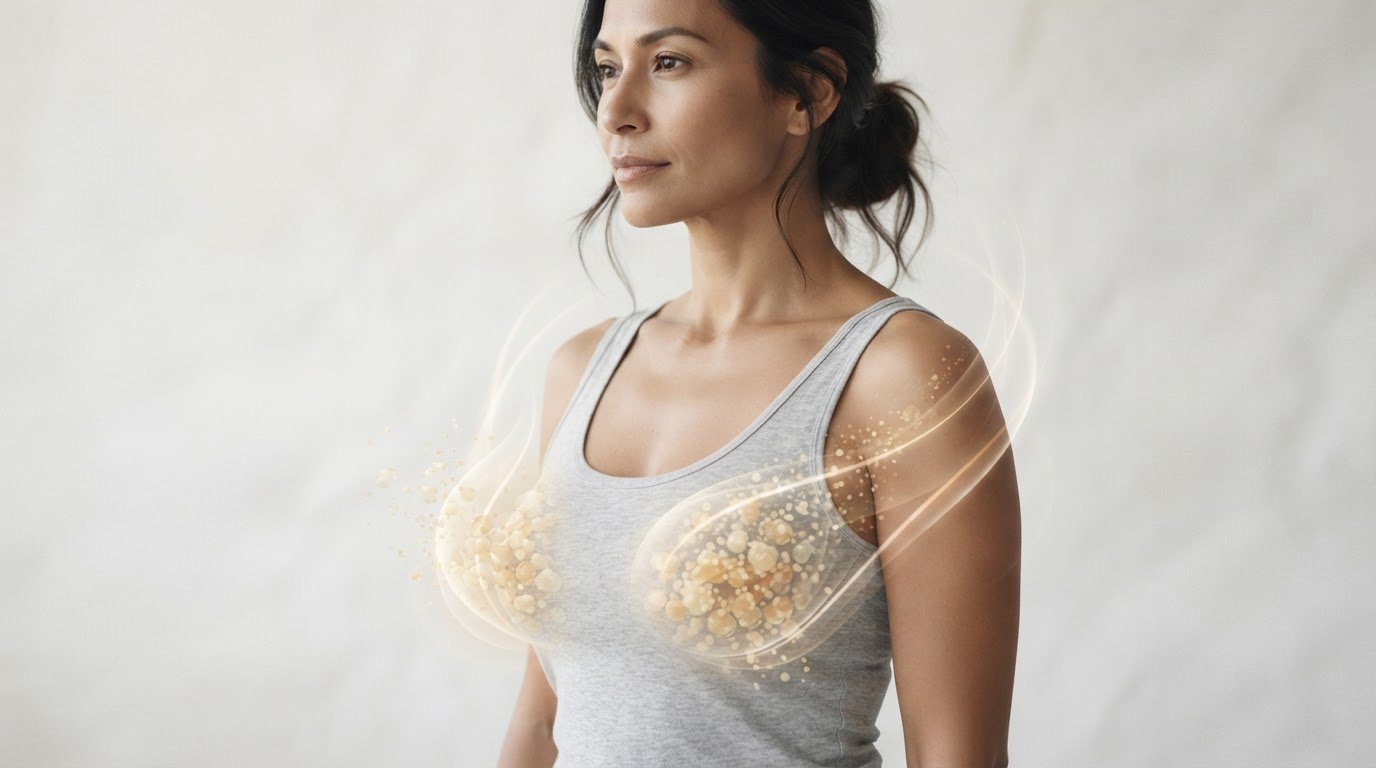
To understand why your body might form a lump, it helps to view fat grafting as a living transplant rather than a simple filler. When fat is moved from one area to another, it enters a high-stakes environment where every cell must quickly establish a connection to your blood supply. This process is often called “fat take.” Current clinical data from 2026 suggests that fat graft survival rates typically land between 50% and 70% one year after the procedure. The remaining percentage of fat that doesn’t “take” must be managed by your body’s internal cleaning crew.
Sometimes, the body chooses to isolate non-viable tissue through calcification. This is simply a way for your system to wall off cells that didn’t survive, creating a small, firm point that stays stationary. While this can contribute to lumps after fat transfer to breast, it is a protective measure. If you are concerned about how your body is responding, choosing a surgeon who prioritizes refined fat grafting techniques can significantly influence how smoothly this biological integration occurs.
What is Fat Necrosis?
Fat necrosis occurs when the grafted fat cells don’t receive enough oxygen to survive. Instead of becoming a permanent part of your breast tissue, these cells undergo a transformation where they are replaced by firm scar tissue. This replacement process is what creates the palpable firmness you might feel. It’s vital to remember that fat necrosis is entirely benign. It isn’t a precursor to cancer; it is simply a physical record of the healing journey. Your body’s natural healing intelligence is merely replacing non-viable fat with a stable, fibrous material to maintain tissue integrity.
The Formation of Oil Cysts
When fat cells break down during the reabsorption process, they can release their lipid contents, forming small, liquid-filled sacs known as oil cysts. These are essentially tiny pockets of natural oil that your body hasn’t yet processed. Your immune system sends specialized cells called macrophages to the site. These cells act as a gentle cleaning crew, slowly breaking down the oil and cellular debris. Because this process is methodical and slow, oil cysts often require several months to resolve. Most of these cysts will eventually soften or disappear entirely as your lymphatic system supports the final stages of tissue remodeling.
Distinguishing Post-Op Bumps from Other Concerns
While discovering any irregularity can feel unsettling, the biological behavior of lumps after fat transfer to breast is fundamentally different from that of malignant growths. Most post-surgical nodules remain stable or even shrink as your body’s natural healing intelligence processes the tissue. In contrast, a concerning growth typically expands over time and may feel fixed to the chest wall. If you find a new spot, notice its mobility. Benign fat necrosis often moves slightly under the skin when pressed, whereas suspicious masses tend to feel rooted and irregular. It’s helpful to remember that healing is a non-linear journey, and your body is simply organizing its new landscape.
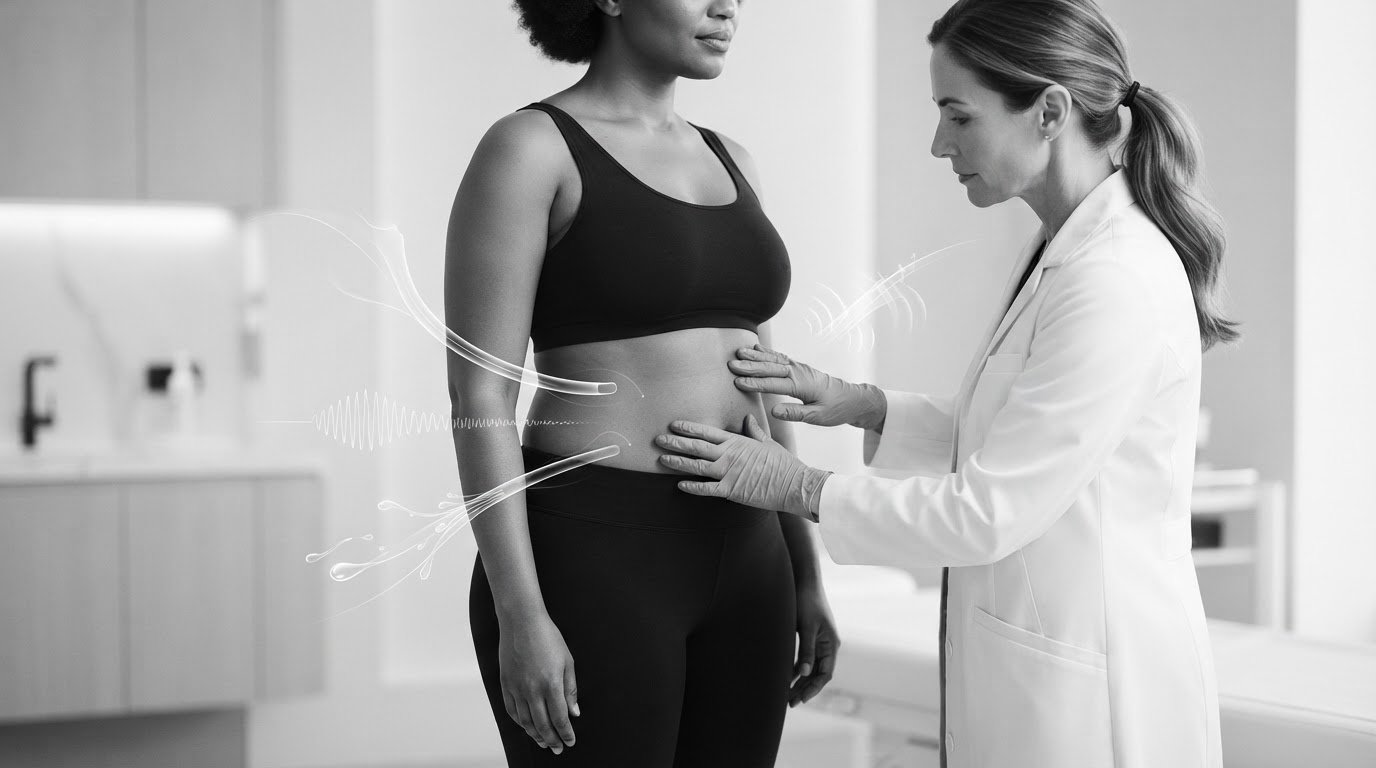
Clear communication with your surgical team is vital. If you discover a localized firm area, don’t hesitate to reach out for a professional assessment. A seasoned practitioner can often distinguish between a benign oil cyst and other tissues through a physical exam. This dialogue replaces anxiety with clinical clarity, ensuring that you feel supported rather than isolated in your recovery. By observing how these areas behave over several weeks, you can often see for yourself that they aren’t following the aggressive path of a health concern.
How Fat Necrosis Appears on Mammograms
Transparency with your radiologist is the foundation of accurate screening. When you undergo imaging, clearly state that you’ve had a fat transfer. This context helps the specialist distinguish between “eggshell calcifications,” which are smooth, round markers of benign fat necrosis, and the clustered, jagged microcalcifications associated with early-stage cancer. If a mammogram shows a complex area, an ultrasound or MRI can provide deeper clarity. These tools easily identify the liquid center of an oil cyst or the characteristic signature of non-viable fat, providing you with definitive peace of mind.
Self-Examination Techniques Post-Transfer
Nurturing a proactive relationship with your body involves regular, gentle self-checks. Wait until the initial surgical edema subsides, usually around three months, to establish your new baseline contours. During your exam, pay attention to skin texture and tenderness. While a healing nodule might feel firm, it shouldn’t cause puckering of the skin or persistent redness. By documenting the size and location of any lumps after fat transfer to breast, you create a clear record. This empowers both you and your surgical team to monitor your progress with calm precision and confidence.

Monitoring and Integrative Treatment Options
In many cases, the most effective path toward resolution is a methodical “wait and see” approach. Your body possesses an inherent intelligence when it comes to tissue remodeling. Small nodules or localized firm areas often soften as the surrounding tissue matures and the lymphatic system clears away cellular debris. By allowing this natural process to unfold over six to twelve months, many patients find that their concerns resolve without any invasive intervention. This period of observation isn’t passive; it’s an active partnership with your body’s healing wisdom.
Supporting the Body’s Healing Intelligence
Supporting your system from the inside out can significantly influence how your body manages lumps after fat transfer to breast. We recommend focusing on nutritional support that emphasizes anti-inflammatory health. Foods rich in antioxidants and healthy fats can help nourish the newly grafted cells while supporting the repair of the surrounding tissue architecture. Hydration is another cornerstone of this process. Adequate water intake ensures that your blood remains at an optimal viscosity, which is essential for the micro-circulation that keeps grafted fat viable.
Integrative therapies, such as gentle lymphatic massage, can also play a supportive role. When performed by a specialist who understands post-surgical tissue, these techniques encourage the movement of stagnant fluids and support the softening of scarred areas. This proactive approach helps maintain tissue harmony and ensures that your lymphatic system can efficiently process any non-viable fat cells. By optimizing your internal environment, you create the best possible conditions for a smooth, natural outcome.
Clinical Interventions for Persistent Lumps
Clinical options are available if a lump remains persistent or causes physical pressure. For symptomatic oil cysts, a simple needle aspiration is often the first line of care. This minimally invasive procedure involves using a fine needle to drain the liquid center of the cyst, which can immediately resolve localized tension. It’s a quick, effective way to assist the body when a cyst is too large to be reabsorbed on its own. Most patients find this provides immediate peace of mind and physical comfort.
Surgical excision is rarely necessary for lumps after fat transfer to breast. This step is typically reserved for large areas of fat necrosis that cause visible contour irregularities or persistent discomfort that doesn’t respond to conservative measures. Choosing a customized follow-up schedule with your plastic surgeon ensures that any changes are monitored with clinical precision. If you’re seeking a practitioner who prioritizes this level of detailed, patient-centered care, you can schedule a consultation with our team to discuss your specific healing journey.
Minimizing Risks Through Advanced Grafting Techniques
The incidence of lumps after fat transfer to breast is often directly linked to the precision of the initial procedure. When fat is placed in large, concentrated volumes, the cells in the center of the mass are shielded from the surrounding blood supply. This lack of oxygen leads to cell death and the subsequent formation of firm nodules. Micro-grafting solves this by distributing adipose tissue in tiny, meticulously placed droplets. This ensures every cell is in close proximity to a nourishing capillary, maximizing survival and minimizing the risk of localized necrosis.
Harvesting technique is equally critical for a smooth recovery. Adipose cells are delicate living structures. If they’re harvested with excessive pressure or processed with aggressive machinery, their cell walls can rupture. This cellular debris is what eventually leads to the formation of oil cysts as the body tries to manage the released lipids. A practitioner who uses gentle, low-pressure harvesting preserves the vitality and integrity of these cells. Choosing an expert who understands this biological fragility is the most significant step you can take to prevent large-scale complications.
The Dr. Grossman Approach to Fat Grafting
Dr. Leonard Grossman emphasizes a meticulous micro-grafting technique that mirrors the complexity of your body’s own tissue architecture. By focusing on multi-planar placement, we ensure that the transferred tissue integrates seamlessly with your existing breast structure. This clinical precision is paired with a compassionate, patient-centered philosophy. We view surgery as an integrative event that impacts your whole-body health rather than just an isolated aesthetic change. This holistic perspective encourages smoother healing and more predictable, natural results by working with, rather than against, your body’s natural systems.
Your Path Forward to Natural Breast Health
Reclaiming confidence in your body after the initial recovery hurdles is a deeply rewarding experience. While synthetic implants often come with long-term concerns regarding capsular contracture or the eventual need for replacement, fat transfer offers a permanent, biocompatible solution. Once the fat has successfully integrated, it behaves like any other natural tissue in your body. It’s soft, responsive, and ages gracefully along with you. By supporting your body’s natural healing intelligence, you can enjoy results that feel like a true extension of yourself. If you’re ready to explore a health-forward approach to your aesthetic journey, we invite you to schedule a consultation to discuss your natural rejuvenation goals.
Embracing the Path to Natural Breast Health
Your journey toward a more natural, confident self is both a physical and emotional transition. While encountering lumps after fat transfer to breast can be startling, it’s often a sign of your body’s active healing intelligence at work. By understanding the biology of fat integration and the value of advanced micro-grafting, you can navigate this phase with a sense of agency. These localized irregularities, whether they are oil cysts or areas of fat necrosis, typically represent the body’s method of organizing new tissue rather than a cause for medical alarm.
Dr. Leonard Grossman, a pioneer in fat grafting and TUBA techniques, emphasizes an integrative approach to surgical recovery that focuses on natural, long-lasting volume. This holistic perspective ensures your results harmonize with your total wellness. If you’re seeking expert guidance to navigate your recovery or wish to explore your options for natural enhancement, we invite you to reach out. Schedule a Consultation with Dr. Grossman for Natural Breast Augmentation to begin your personalized journey. You deserve to feel empowered and informed every step of the way.
Frequently Asked Questions
Is it normal to feel hard lumps after a breast fat transfer?
Yes, it’s completely normal to encounter small, localized firm areas during your recovery. These lumps after fat transfer to breast are typically benign formations like fat necrosis or oil cysts. They occur when the body works to establish a blood supply to the new cells. While they can feel startling, they usually represent the body’s natural healing intelligence rather than a surgical failure or medical complication.
How can I tell the difference between fat necrosis and a tumor?
Fat necrosis usually feels mobile and stays the same size or shrinks over time. Malignant tumors often feel fixed to the chest wall, have irregular borders, and tend to grow. While fat necrosis is a benign response to tissue trauma, any new discovery should be monitored. Diagnostic imaging like ultrasound or MRI can provide definitive peace of mind by clearly identifying the liquid or fibrous nature of a post-surgical lump.
Will lumps from fat grafting go away on their own?
Many post-surgical lumps resolve naturally as your body’s lymphatic system clears away non-viable cells. This process of tissue remodeling can take six to twelve months. Small oil cysts often soften and disappear without any intervention. However, some areas of fat necrosis may persist as stable, firm spots. These are simply your body’s way of walling off non-integrated tissue; they don’t require removal unless they cause physical discomfort.
Do lumps after fat transfer interfere with mammograms or cancer screening?
These formations don’t prevent accurate cancer screenings, provided you inform your radiologist about your procedure. Experts can distinguish the smooth “eggshell calcifications” of fat necrosis from the jagged microcalcifications associated with malignancy. If a mammogram appears unclear, supplemental imaging such as an ultrasound or MRI can easily confirm the benign nature of lumps after fat transfer to breast, ensuring your long-term health remains protected and monitored.
What does fat necrosis feel like in the breast?
Fat necrosis typically feels like a firm, round nodule beneath the skin. It might be slightly tender in the early stages of healing, but it shouldn’t cause puckering of the skin or persistent redness. Some women describe it as feeling like a small pea or a marble. These areas are usually well-defined and move slightly when pressed, reflecting their status as localized points of scar tissue rather than aggressive growths.
Can fat transfer to the breast cause breast cancer?
There is no clinical evidence suggesting that fat transfer causes breast cancer. The procedure involves moving your own living cells from one part of your body to another. While the process can lead to benign changes like fat necrosis, these are purely structural and don’t involve malignant cell transformation. Choosing a surgeon who uses meticulous micro-grafting techniques further supports the health and integrity of your breast tissue during this natural enhancement.
How long after surgery do lumps typically appear?
While generalized swelling is immediate, specific lumps typically become palpable between six weeks and six months post-surgery. This is the window where your body completes the “fat take” process and begins reabsorbing cells that didn’t establish a blood supply. Finding a firm area during this time is a sign that your tissue is actively remodeling. Most of these irregularities stabilize by the one-year mark as the healing journey reaches completion.
What should I do if I find a new lump months after my procedure?
If you discover a new firm area, the first step is to remain calm and observe its characteristics. Note the size, mobility, and any tenderness. Contact your surgical team to schedule a follow-up assessment. A professional exam or diagnostic imaging can quickly confirm if the area is a benign oil cyst or fat necrosis. This proactive communication replaces anxiety with clinical clarity, allowing you to continue your recovery with total confidence.