Skip to content

What if the secret to your long-term results wasn’t just the surgeon’s skill, but how well you nourish your body’s natural healing intelligence in the weeks that follow?
It’s completely natural to feel a sense of anxiety about “losing” your results or feel overwhelmed by the strict rules of sleeping on your stomach and wearing compression garments. You’ve invested in your confidence, and now you want to ensure those newly transferred cells thrive in their new home. We understand that this transition period can feel daunting, especially when you’re balancing physical discomfort with the desire for a perfect outcome.
Understanding the nuances of fat transfer to buttocks recovery is about more than just following a list of restrictions; it’s about an integrative approach that creates an internal environment where your body can successfully protect its new volume. This guide will empower you with the essential protocols and holistic habits needed to master your healing journey and ensure your results remain natural and lasting.
We’ll walk through a clear, day-by-day plan for your recovery, clarify the timeline for returning to your daily rhythm, and provide the clinical insights you need to support fat cell survival for total body wellness.
Key Takeaways
- Learn why cellular integration is a journey rather than a simple healing phase and how your body’s natural “take rate” determines your final volume.
- Master the essential zero-pressure rule during the first 48 hours of your fat transfer to buttocks recovery to protect newly grafted cells from early trauma.
- Discover the vital role of compression garments and BBL pillows in reducing edema while supporting the refined contours of your donor site.
- Support your body’s natural healing intelligence by prioritizing specific healthy fats and hydration to optimize the bioavailability of nutrients for the grafts.
- Understand the three to six month evolution of your results and why maintaining weight stability is the foundation for long-lasting, natural beauty.
The Science of Fat Survival: What to Expect During Recovery
Your journey following a fat transfer to the buttocks isn’t merely a period of closing incisions; it’s a profound biological partnership between your existing tissues and the newly introduced cells. We view the timeline of fat transfer to buttocks recovery as a delicate process of cellular integration rather than just “healing.” During this phase, your body works to welcome and “home” the transferred fat. It’s helpful to understand the “take rate,” which is the percentage of fat that successfully establishes a permanent blood supply. While it’s natural for the body to absorb a portion of the transferred volume, our integrative approach focuses on optimizing your internal environment so the maximum number of cells can flourish.
The first three weeks represent a “golden window” for your long-term results. During these twenty-one days, the fat cells are in a state of transition, relying on the surrounding tissues for oxygen and nutrients before their own blood supply is fully established. Any excessive pressure or lack of circulation during this window can jeopardize the survival of these sensitive cells. By protecting the area now, you’re ensuring the vitality of your results for years to come.
Understanding Neovascularization
This biological process is the cornerstone of The Science of Fat Survival. Neovascularization is the miraculous way your body creates new micro-vessels to nourish the grafted tissue. To support this, we focus on two pillars: stability and circulation. By avoiding direct pressure on the buttocks, you allow the body’s natural healing intelligence to weave these new connections without interruption. When we support the body’s internal vitality through proper hydration and nutrition, we enhance the bioavailability of the building blocks needed for this vascular growth, helping the graft “take” with greater efficiency.
The Dual Recovery: Recipient vs. Donor Sites
You’re essentially managing two different healing stories simultaneously. The donor sites, where liposuction was performed to harvest the fat, often experience more immediate physical feedback. You can expect:
- Bruising and localized swelling at the harvest points.
- A deep tenderness similar to the feeling after an intense workout.
- A gradual refinement of the donor area as the skin retracts.
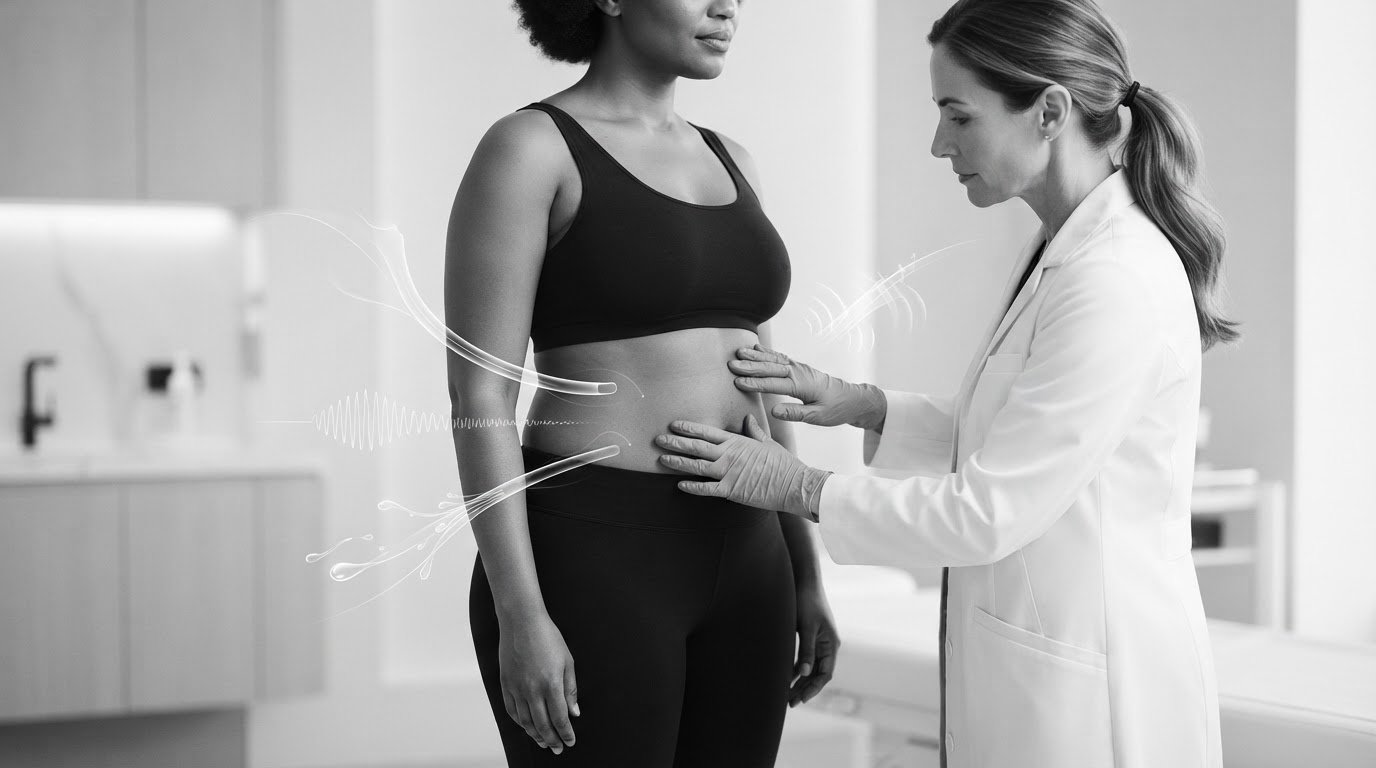
In contrast, the recipient site may feel tight or uniquely heavy as it adjusts to the new volume. Balancing the care for both is vital. You’ll use compression garments to support the donor site’s contour and reduce edema, while simultaneously ensuring the recipient site remains entirely pressure-free. This dual-focused approach ensures that while your donor areas are being sculpted and refined through the “two-in-one” benefit of liposuction, your new curves are being protected and nourished for a natural, harmonious silhouette.
The First 48 Hours: A Protocol for Comfort and Protection
As you transition from the clinical setting to the sanctuary of your home, it’s natural to feel a combination of grogginess and anticipation. During this sensitive window, your primary responsibility is to protect the delicate work that has just been completed. Following a comprehensive Buttock Enhancement Recovery Guide is essential, as the initial sensations of tightness and localized swelling are your body’s way of beginning the restorative process. These first 48 hours serve as the foundational period where the lack of mechanical pressure directly determines the initial survival rate of your newly transferred fat cells.
The “zero-pressure” rule is the most critical protocol to master during these first two days. You must navigate this time without sitting or lying directly on your buttocks. This ensures that the newly grafted cells remain undisturbed while they begin to integrate into their new environment. Instead, you’ll spend your time lying on your stomach or side, using supportive pillows to maintain these positions comfortably. This discipline protects the integrity of the graft and supports the body’s natural healing intelligence.
Gentle movement and hydration are your best allies during this phase. While rest is paramount, taking short, frequent walks around your home helps support circulation and prevents complications. Drinking plenty of water assists your body in processing anesthesia and managing the initial inflammatory response. You may also notice some drainage from the liposuction sites; this is a normal part of the process, and managing your garment changes with a sense of calm and care will help keep you comfortable and supported.
Immediate Post-Op Logistics
Preparation is the key to a peaceful transition. We recommend setting up your “recovery nest” before your procedure, including plenty of pillows and easy access to hydration. Having a dedicated support person for the first 24 to 48 hours is vital. They can assist with garment adjustments and mobility, allowing you to focus entirely on your recovery. If you are still in the planning phase, understanding the nuances of fat grafting to the buttocks can help you prepare your space effectively.
Pain Management and Holistic Comfort
Managing discomfort involves a harmonious blend of clinical support and natural mindfulness. For many, having a reliable support system is the foundation of a stress-free recuperation, and professional providers like WithCare Support Services highlight how high-quality care can ease the transition during periods of limited mobility. While prescribed medications will address physical pain, integrating rhythmic breathing can significantly reduce post-surgical anxiety. Deep breaths promote better blood oxygenation, which is essential for nourishing those new fat cells. By viewing discomfort as a signal of your body’s vital functions at work, you maintain agency throughout your fat transfer to buttocks recovery journey.
The weeks following your initial procedure are a time of patience and physiological refinement. While the acute discomfort of the first few days has likely faded, your fat transfer to buttocks recovery enters a critical phase where consistency becomes your greatest ally. You might notice your silhouette changing daily as edema fluctuates. This emotional rollercoaster is a standard part of the inflammatory response; one day you may feel beautifully contoured, while the next brings a temporary return of swelling. We encourage you to view these shifts not as setbacks, but as evidence of your body’s vital functions working to stabilize and nourish the new volume.
Research published in The Science of Fat Grafting in Buttock Augmentation highlights that the long-term success of the procedure relies heavily on this period of careful management and tissue support. As you begin to reintroduce light daily tasks, remember that your body is still in a state of cellular integration. Gentle walks are encouraged to support circulation, but high-impact activities must wait until the grafts have fully established their new blood supply. This integrative approach ensures that every step you take supports the long-term vitality of your results.
The Nuance of Compression
A properly fitted compression garment is a foundational tool for optimizing your results. Its primary purpose is to aid the skin’s adherence to the new, slimmer contours of your donor site. By applying steady, gentle pressure to the areas treated with liposuction, the garment minimizes fluid buildup and supports the body’s natural sculpting process. It’s essential to ensure the garment fits smoothly without creating deep creases in the skin. We typically transition patients from a Stage 1 garment, designed for maximum support, to a Stage 2 garment as the initial swelling subsides and the focus shifts toward long-term contouring and comfort.
The Art of Not Sitting
Maintaining a pressure-free environment for your buttocks remains the highest priority during this window. Specialized BBL pillows are invaluable, as they allow you to sit by offloading your weight onto your thighs rather than the newly grafted area. This creative positioning is necessary when you must travel in a car or return to a desk-based work environment. When sleeping, continue to prioritize your stomach or side to avoid any mechanical trauma to the fat cells. By mastering these habits, you are directly supporting the survival rate of the graft and ensuring your results remain natural, vibrant, and enduring.

An Integrative Approach to Fat Survival and Vitality
An integrative approach to fat transfer to buttocks recovery recognizes that your body’s internal chemistry is just as important as the external care you provide. While physical protection is essential, the internal biological environment ultimately determines how well those cells thrive. We view this phase as a holistic process where your lifestyle choices nourish the graft from the inside out. By optimizing your body’s natural healing intelligence, you create a fertile landscape for new blood vessels to establish themselves and sustain your new volume.
The Recovery Diet: Building Blocks for Cells
Nourishing the graft requires a strategic focus on nutrient bioavailability. We recommend a diet rich in healthy lipids found in avocados, raw nuts, and wild-caught salmon, as these provide the essential fats your body needs to support cellular membranes during integration. Vitamin C and Zinc aren’t just supplements; they are vital catalysts for collagen synthesis and tissue repair. These micronutrients provide the scaffolding your body needs to secure the graft. Managing your sodium intake is equally crucial. Excessive salt can trigger “rebound” swelling that places unnecessary tension on the recipient site, potentially compromising the delicate micro-circulation.
Hydration plays a silent but powerful role in waste removal and cellular health. When you maintain optimal fluid levels, you support the lymphatic system’s ability to clear post-operative debris and reduce oxidative stress. This internal cleansing process ensures that oxygenated, nutrient-rich blood can reach the newly transferred cells without interference. Don’t underestimate the power of your plate; your nutritional choices carry significant weight in the longevity of your results.
We must also address the non-negotiable mandate: no smoking. Nicotine is a potent vasoconstrictor that effectively starves new fat cells of the oxygenated blood they desperately need to survive. Even minimal exposure can compromise the delicate process of neovascularization, leading to a significantly lower “take rate” and disappointing aesthetic results. Protecting your investment means protecting your circulation.
Circulation and Lymphatic Support
While we protect the recipient site from pressure, the donor sites benefit from gentle, professional lymphatic drainage massage. This specialized technique helps clear post-operative edema and supports the skin’s adherence to its new, sculpted contour. However, we advise you to avoid extreme heat from saunas or hot tubs during the first eight weeks. High temperatures can induce systemic inflammation and vasodilation that may disrupt the stability of the sensitive grafts. Whole-body health directly influences the final aesthetic outcome.
If you’re ready to experience a natural, integrative approach to body rejuvenation, schedule a consultation for fat grafting to the buttocks to begin your journey.
Long-Term Success with Dr. Leonard Grossman’s Method
The journey of fat transfer to buttocks recovery doesn’t end when the initial swelling subsides; it evolves into a permanent part of your physical identity. Unlike synthetic implants, which remain foreign objects within the body, transferred fat is a living, breathing tissue. It responds to your body’s natural rhythms and ages gracefully alongside you. This long-term success is rooted in the integrative protocols you’ve followed, ensuring that the survived cells are fully integrated into your local anatomy. We view this final stage as the blossoming of your results, where your commitment to whole-body health pays its most visible dividends.
As you transition back into a vibrant, active life, you’ll find that your new silhouette feels entirely natural because it is a part of you. This is the ultimate goal of our “Natural Rejuvenation” philosophy. By supporting the body’s natural healing intelligence throughout the process, you’ve moved beyond a quick fix and toward a sustainable transformation. Maintaining this outcome requires a continued focus on the holistic habits you’ve developed, ensuring your body remains a healthy environment for your living grafts.
The Evolution of Your New Contours
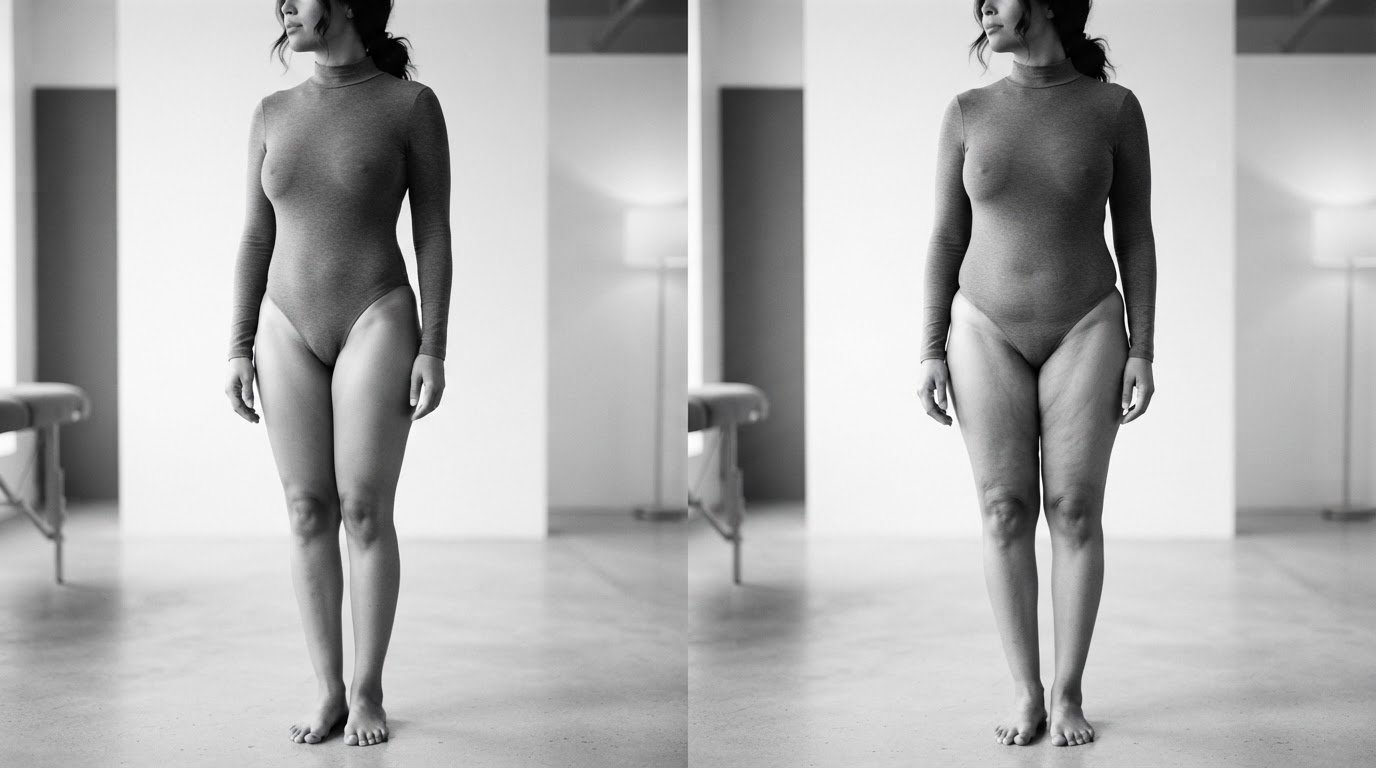
You’ll notice a distinct shift in the texture and appearance of your results around the three-month mark. This is often called the “fluffing” phase. During this time, the initial firmness caused by surgical trauma and edema gives way to a softer, more natural feel. By this milestone, the volume you see is generally what you will keep. It’s the “truth” moment of your fat transfer to buttocks recovery. Integrating this new look with a balanced, holistic lifestyle ensures that your results maintain their vitality and youthful lift for years to come.
A Commitment to Natural Rejuvenation
Dr. Leonard Grossman’s method, backed by over 25 years of experience in fat grafting, focuses on creating harmony rather than a manufactured appearance. Choosing your own tissue over synthetic alternatives eliminates the risks of implant displacement or capsular contracture. However, because this fat is alive, weight stability is paramount. If you experience significant weight loss, the transferred cells will shrink just like any other fat on your body. Maintaining a steady weight is the most effective way to protect your investment. Your final follow-up is more than a clinical check-in; it’s a celebration of your transformation and your dedication to a natural, integrative path to beauty.
Embracing Your Journey to Natural Rejuvenation
Mastering your recovery is a profound act of self-care that requires viewing the process as a partnership with your body’s natural healing intelligence. By strictly adhering to the zero-pressure rule and supporting cellular bioavailability through integrative nutrition, you ensure that your new contours settle into a natural, vibrant silhouette. Your diligent commitment to fat transfer to buttocks recovery during these critical months transforms a surgical procedure into a lasting investment in your personal vitality and confidence.
With over two decades of expertise in integrative plastic surgery, Dr. Leonard Grossman offers a path toward natural-looking results without the need for synthetic implants. His approach centers on compassionate, patient-centered care that honors the connection between your aesthetic goals and whole-body wellness. You deserve a result that feels as natural as it looks, supported by a practitioner who values the longevity of your health and the integrity of your living tissues.
Begin your journey toward natural rejuvenation by scheduling a consultation with Dr. Leonard Grossman today. We look forward to supporting you as you step into this next chapter of your life with renewed energy and a silhouette that truly belongs to you.
Frequently Asked Questions
How long do I have to wait before I can sit normally after a fat transfer to the buttocks?
You should wait at least eight weeks before sitting directly on your buttocks without a specialized pillow. The first two weeks require zero pressure to ensure the delicate grafts establish a blood supply. After this initial window, you can use a BBL pillow to offload weight onto your thighs. This gradual transition protects the survival of the cells while your body continues its natural journey of cellular integration and healing.
Is it normal to feel lumps or hardness in the buttocks during recovery?
Feeling localized hardness or small lumps is a frequent part of the early healing response. These sensations often stem from post-operative edema or the initial settling of the transferred tissue as it integrates. Most of these areas soften naturally over three to six months as your body’s healing intelligence refines the area. If you notice persistent hardness accompanied by redness or heat, please contact our office for a compassionate evaluation of your progress.
Can I sleep on my back after the first few weeks of healing?
We recommend waiting until the eight week mark before returning to sleeping on your back. During the first two months, your newly transferred cells are highly sensitive to mechanical pressure. Sleeping on your stomach or side protects the graft from being compressed; this is vital for long-term volume retention. Maintaining these positions ensures that the micro-circulation remains undisturbed while the fat cells fully home into their new environment.
When can I return to the gym and start doing squats or heavy lifting?
You can usually resume light cardiovascular activities after four weeks, but heavy lifting and squats should be avoided for at least eight weeks. High-impact exercises can increase systemic inflammation and put mechanical stress on the donor and recipient sites. We encourage gentle walking immediately after surgery to support circulation. Gradually reintroducing more intense movements allows your body to maintain vital functions without compromising the delicate neovascularization process.
How much of the transferred fat will actually stay permanently?
Typically, about 60% to 80% of the transferred fat establishes a permanent blood supply and stays long-term. This take rate depends on your body’s natural healing response and how well you follow the post-operative protocols. During your fat transfer to buttocks recovery, your body naturally absorbs the cells that don’t integrate. The remaining fat becomes a living, permanent part of your anatomy that responds naturally to your future lifestyle and weight stability.
What are the warning signs of a complication during BBL recovery?
While most patients heal smoothly, you should watch for specific signals from your body that require clinical attention. These include:
- A fever higher than 101 degrees Fahrenheit.
- Sudden, asymmetrical swelling or intense, localized heat.
- Redness that spreads away from the incision sites.
- Pus-like discharge or an unusual odor from the donor areas.
Early identification of these symptoms allows us to provide the necessary support to protect your health and results.
Do I need to eat a special diet to help the fat survive?
Prioritizing a diet rich in healthy fats and anti-inflammatory nutrients significantly supports the vitality of your grafts. Foods like avocados, walnuts, and fatty fish provide the lipids necessary for cellular health. We also emphasize hydration to assist in waste removal and maintain optimal bioavailability of nutrients. This integrative approach to nutrition nourishes the body’s natural healing intelligence, creating an internal environment where your new fat cells can successfully thrive and settle.
When can I fly on an airplane after having fat grafting to the buttocks?
Most patients should wait at least three weeks before flying after their fat transfer to buttocks recovery begins. Air travel involves prolonged sitting, which places prohibited pressure on the graft, and the cabin pressure can exacerbate post-operative swelling. There is also an increased risk of deep vein thrombosis during long flights. If you must fly, using a BBL pillow and walking frequently in the aisle is essential to maintain healthy circulation.