Skip to content
Did you know that the popularity of using your own tissue for enhancement jumped by 72% in a single year? This surge reflects a meaningful shift toward regenerative aesthetics, where we prioritize the body’s natural healing intelligence to achieve soft, harmonious results. If you’ve spent hours looking at fat transfer breast augmentation before and after galleries, you probably desire the dual benefit of liposuction and enhancement but worry about how much volume your body will actually keep. It’s common to feel anxious about whether the results will justify the investment or if the fat might simply be reabsorbed.
We’re here to demystify this process and show you how autologous fat grafting restores natural volume while respecting your biological reality. This guide will help you align your aesthetic goals with what’s medically achievable, providing a clear path toward a more confident version of yourself. You’ll learn about the typical 58% retention rate for transferred fat and what to expect regarding cup size increases. By understanding the science of how your body nourishes these new cells, you can move forward with a sense of hope and agency in your surgical journey.
Key Takeaways
- Learn how to interpret fat transfer breast augmentation before and after galleries by focusing on proportional harmony and the essential oblique view rather than just cup size.
- Understand how adipose-derived stem cells nourish your new volume, allowing the transferred tissue to integrate seamlessly into your body’s natural architecture.
- Discover the “don’t smoke, don’t poke” rule for post-surgical care to support the long-term vitality and permanence of your results.
- Explore an integrative philosophy that views breast enhancement as a partnership between clinical precision and your body’s innate healing intelligence.
Visualizing Change: What Fat Transfer Breast Augmentation Before and After Photos Really Show
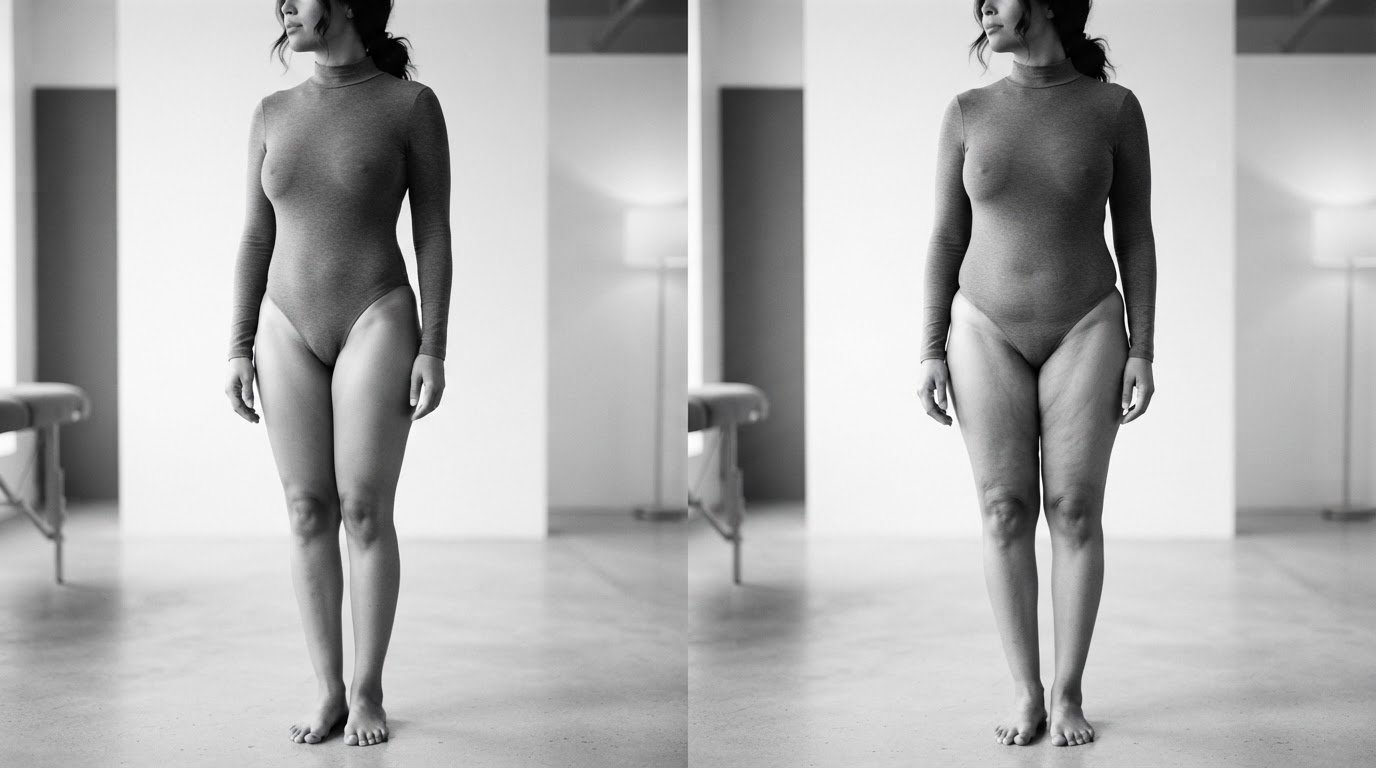
When you begin exploring a gallery of fat transfer breast augmentation before and after results, you’re viewing more than a simple cosmetic change. You’re witnessing a biological partnership between surgical technique and your body’s ability to heal. This procedure is a two-stage autologous journey. It begins with the gentle harvesting of your own living tissue and concludes with the precise grafting of that tissue to enhance breast volume. Unlike the static nature of synthetic implants, this method relies on the vitality of your own cells to create a soft, harmonious result.
The “before” photos in a clinical gallery establish the essential baseline of your existing breast tissue and the available volume at the donor site. It’s helpful to understand how fat transfer works as a holistic process; we aren’t just adding volume, we’re reorganizing your body’s natural resources. The “after” photos you see typically represent the 3-to-6-month mark. This is the crucial window when the transferred fat has stabilized and developed its own blood supply. At this stage, the results offer a truly natural look characterized by soft edges, realistic movement, and the complete absence of visible implant borders.
The Evolution of a Result: From Swelling to Stability
It’s natural to feel a surge of excitement immediately after surgery, but it’s important to remember that your breasts will look their largest during the first two weeks. This is due to the body’s initial inflammatory response and the presence of temporary swelling. As this fluid subsides, you enter a “settling” phase. During this time, your body works to nourish and integrate the healthy adipose cells. While most stabilization occurs within six months, long-term follow-up photos from one year or later remain the gold standard. These images prove that the integrated fat has become a permanent part of your anatomy.
The Dual Benefit: Contouring the Donor Site
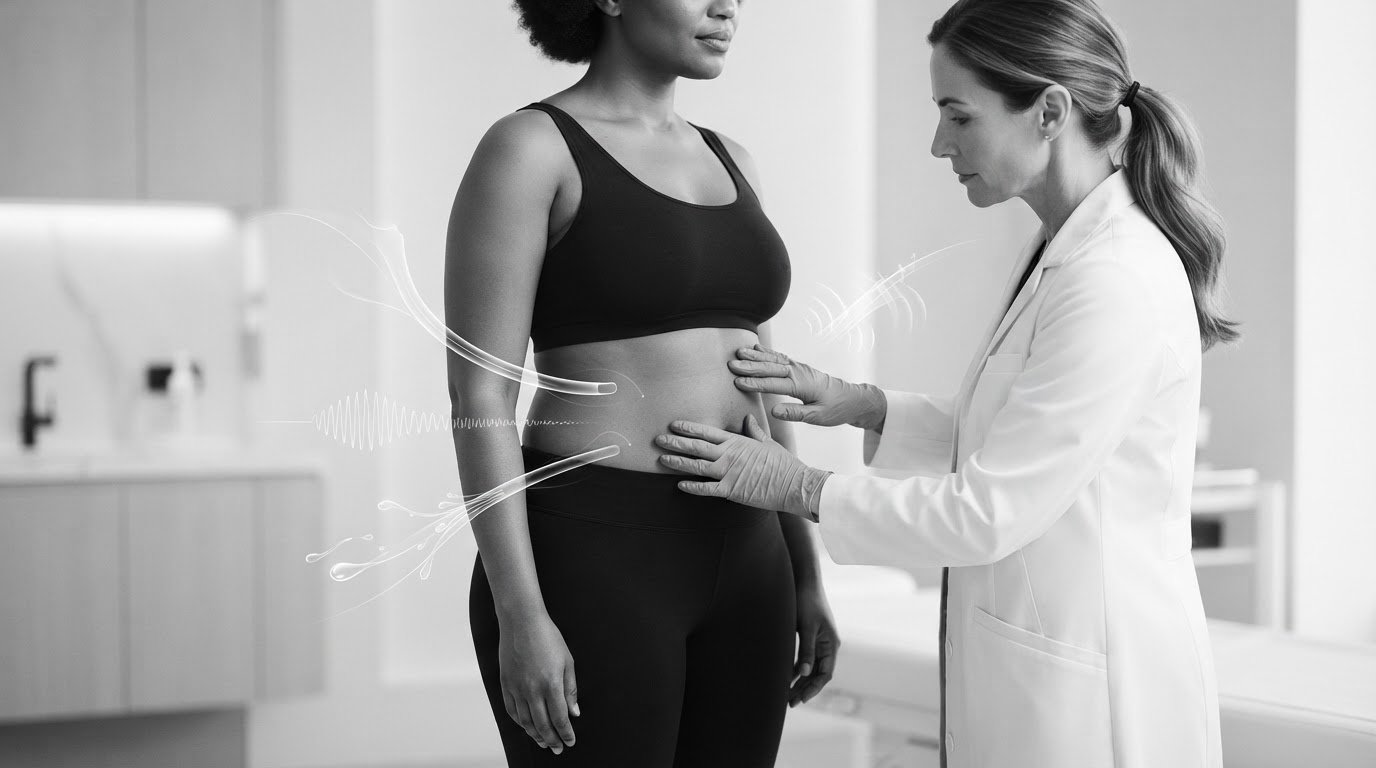
A comprehensive set of fat transfer breast augmentation before and after images should always include a view of the donor site, such as the abdomen, flanks, or thighs. If you only focus on the chest, you’re missing half of the transformation. By using liposuction to harvest the graft material, we simultaneously sculpt the donor area to create a more refined silhouette. This dual benefit ensures that the new breast volume is in proportional harmony with a slimmer midsection or smoother thighs. It’s a total body approach that emphasizes your natural curves rather than focusing on a single isolated area.
The Biological Foundation: How Fat Grafting Works with Your Body
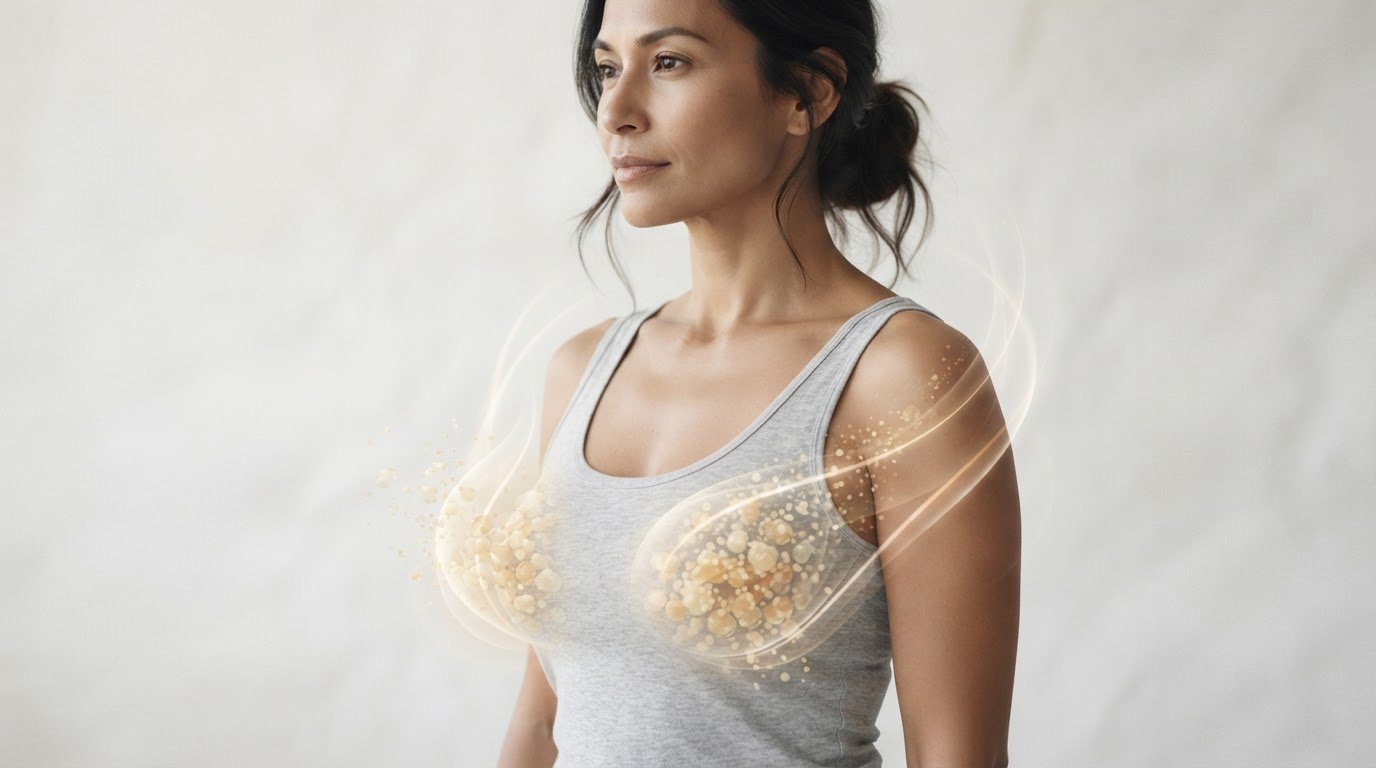
Successful fat grafting is rooted in a biological partnership. By using autologous fat, which is your own living tissue, we can nourish and expand breast volume in a way that feels entirely natural. This method avoids the adversarial nature of introducing foreign materials. Instead, it supports your body’s natural healing intelligence. This integrative approach is the reason why fat transfer breast augmentation before and after results look so harmonious; the tissue is already a part of you.
Adipose-derived stem cells are the “secret ingredient” in this transformation. These cells do more than just add bulk. They actively contribute to tissue rejuvenation and skin quality. However, the survival of these cells, often called the “take rate,” isn’t guaranteed. Research indicates that while an average of 58% of the volume is retained, surgical precision is what maximizes this viability. Studies on Patient Satisfaction Outcomes highlight that when the body successfully integrates the graft, the long-term results are far more rewarding than traditional synthetic options.
Harvesting with Care: Preserving Cell Integrity
To keep the harvested fat cells alive, we prioritize gentle manual or low-pressure liposuction techniques. High-pressure systems can rupture delicate cell membranes, rendering them useless for grafting. Once we harvest the tissue, it undergoes a purification process through centrifugation or filtering to isolate the healthiest cells. This meticulous care is quite different from TUBA breast augmentation, which focuses on implant placement through a navel incision. In fat grafting, the focus is entirely on the life cycle of the cell.
Integrative Support for Tissue Integration
For the new fat to survive, it requires immediate access to a blood supply. We achieve this through micro-droplet injection techniques, placing tiny amounts of fat in multiple layers of the breast tissue. This prevents clumping and allows for better nutrient absorption. Neovascularization is the process where the body creates new blood vessels to feed the transferred fat. Your whole-body health plays a massive role in this stage. When your system has high bioavailability of essential nutrients, the integration process is much smoother. If you want to learn more about preparing your body for this journey, you can explore our integrative health resources.
Evaluating Your Potential Outcome: A Guide to Reading Procedure Galleries
When you begin your journey by looking at a gallery of fat transfer breast augmentation before and after photos, it’s easy to get lost in the search for a specific cup size. However, the most successful outcomes are defined by proportional harmony rather than a simple measurement. You’re looking for results that honor your unique frame and create a balanced silhouette. Instead of focusing solely on the front-facing view, pay close attention to the oblique, or three-quarter, perspective. This view is essential for assessing how the new volume tapers into the chest wall and provides realistic projection. According to a clinical study on fat grafting, the ability to mimic the natural slope of the breast is one of the procedure’s primary advantages.
It’s helpful to find “before” images that mirror your own anatomy. Whether you’re navigating postpartum changes or have a naturally smaller frame, seeing how similar tissue responds to grafting can offer a sense of hope and agency. Look for signs of successful cellular integration, such as smooth transitions between the chest wall and the breast tissue. You shouldn’t see visible ridges or evidence of palpable lumps. A high-quality result looks like it has always been a part of you, reflecting a seamless partnership between surgical skill and your body’s innate healing capacity.
Assessing Symmetry and Cleavage
One of the greatest strengths of autologous tissue is its precision. Fat grafting allows for the correction of natural breast asymmetry with a level of detail that implants often can’t match because we can add specific, varying amounts to each side. In high-quality galleries, look for the “inner-breast” fill. This creates a soft, natural cleavage that avoids the “bolted-on” look. A successful result often features a gentle tear-drop shape, which is a hallmark of natural beauty.
The Texture and Feel: Beyond the Visual
While photos are two-dimensional, the “after” result should imply a soft, “pinchable” texture. Unlike synthetic implants, which may cause visible rippling in patients with thin tissue, fat grafting integrates directly into your anatomy. This creates a result that moves naturally with your body. For women seeking a more comprehensive transformation, fat grafting can be combined with a Breast Lift to address both volume and skin laxity. This integrative approach ensures your results are both vibrant and resilient.

Ensuring Lasting Vitality: Post-Surgical Care and Fat Retention
One of the most frequent questions we hear is whether the results of this procedure are truly permanent. It’s a valid concern; nobody wants to invest in their confidence only to see the volume vanish months later. The reassuring reality is that once the transferred fat cells successfully integrate and establish a blood supply, they are a permanent part of your anatomy. When you examine fat transfer breast augmentation before and after photos from one or two years post-op, you’re seeing living tissue that behaves exactly like the rest of your body. These cells will grow or shrink if your weight fluctuates, which is why maintaining a stable weight is the foundation for long-term satisfaction.
We view the recovery period as a time for nourishing new life rather than simply healing a surgical site. To protect these delicate cells during their most vulnerable phase, we emphasize the “don’t smoke, don’t poke” rule for at least six weeks. Pressure on the breasts can physically crush the new grafts before they’ve had a chance to anchor. Similarly, nicotine constricts the very blood vessels your body is working so hard to create. By avoiding these stressors, you’re supporting your body’s natural healing intelligence and ensuring the highest possible retention rate.
Nutritional Support for Adipose Survival
Lifestyle Adjustments for Optimal Results
During the first few weeks, your primary job is to be a gentle guardian of your results. Sleeping exclusively on your back is critical to prevent accidental pressure on the graft sites. While we encourage light walking to support circulation, high-impact exercise should be avoided until your surgeon gives the clear. It’s also important to remember that liposuction recovery at the donor site will impact your overall mobility. Caring for the areas where fat was harvested is just as important as caring for your breasts to achieve a balanced, total-body transformation. If you’re ready to begin your own journey toward natural enhancement, schedule a consultation with our team to discuss a personalized plan.
The Integrative Approach to Breast Enhancement with Dr. Leonard Grossman
The philosophy of Dr. Leonard Grossman is built on the belief that aesthetic surgery is not an isolated event but a significant chapter in your broader wellness story. This approach blends clinical authority with compassionate holism, moving away from the detached nature of conventional medicine. When you review a portfolio of fat transfer breast augmentation before and after results, you are seeing more than just physical change. You’re observing the culmination of a process that respects the body’s natural architecture and its innate capacity for rejuvenation. By prioritizing natural beauty over the artificial “quick fix,” Dr. Leonard Grossman ensures that your results don’t just look good today but remain vibrant for years to come.
A seasoned practitioner understands that the “whole-body” impact of surgery extends far beyond the operating room. We don’t just see a patient; we see a biological system that requires specific support to optimize outcomes. This perspective allows us to demystify the complex biological processes involved in fat grafting, replacing anxiety with a feeling of empowerment. We invite you into a consultation that feels less like a sales pitch and more like a collaborative partnership in your health journey.
Why a Holistic Perspective Matters in Plastic Surgery
Dr. Leonard Grossman evaluates the intimate connection between your lifestyle, nutrition, and surgical success. We believe that your internal vitality directly influences how well your body can nourish and protect a new fat graft. This commitment to whole-body health often leads us to minimize invasive techniques whenever possible, favoring autologous solutions that work with your biology rather than against it. Each fat transfer plan is deeply personalized, reflecting your unique anatomy and the specific way your body integrates living tissue. This ensures that the enhancement feels like a natural extension of your own form.
Taking the Next Step Toward Natural Confidence
Your journey toward enhancement should be rooted in clarity and scientific grounding. During your consultation, we focus on setting realistic goals and demystifying the science behind tissue integration. Selecting the right expert is a vital part of this process. For more insights on what to look for in a provider, we encourage you to view our Elite Plastic Surgeon Guide. This resource helps you navigate the criteria for excellence in integrative care. If you’re ready to explore how autologous grafting can restore your natural volume and support your long-term wellness, schedule your integrative consultation with Dr. Leonard Grossman today.
Embracing Your Natural Transformation
We have navigated the journey from cellular harvesting to the final settling of your new contours. By choosing to work with your body’s innate healing intelligence, you are opting for a result that is as resilient as it is beautiful. Understanding the nuances of fat transfer breast augmentation before and after results allows you to move forward with a grounded sense of expectation. This procedure is a partnership between surgical precision and your own biological vitality, resulting in a soft, integrated silhouette that synthetic alternatives simply cannot replicate.
Dr. Leonard Grossman brings over 25 years of specialized experience in fat grafting to this delicate process. As a pioneer in non-adversarial surgical techniques, he prioritizes an integrative approach that focuses on your whole-body wellness. This ensures that every cell has the best possible environment to thrive and integrate into its new home. You deserve the peace of mind that comes from working with a practitioner who views your aesthetic goals through the lens of total health and long-term prevention.
Begin your journey to natural rejuvenation—schedule a consultation with Dr. Leonard Grossman.
Frequently Asked Questions
How many cup sizes can I gain with fat transfer breast augmentation?
You can typically expect a modest increase of one-half to one full cup size per procedure. This limit exists because the breast tissue can only safely nourish a certain amount of new fat at once. If you desire a more significant transformation, multiple sessions may be necessary to build volume incrementally. This approach respects your body’s biological reality and ensures the most natural-looking results in your fat transfer breast augmentation before and after journey.
Is fat transfer to the breasts safer than traditional implants?
Fat transfer is often considered a safer, non-adversarial alternative because it eliminates the risks of implant rupture, capsular contracture, or BIA-ALCL. While it carries its own specific considerations, such as the potential for oil cysts or fat necrosis, it avoids the introduction of foreign synthetic materials. By using your own living tissue, we support your body’s natural healing intelligence and minimize the long-term inflammatory responses often associated with traditional breast implants.
What happens to my results if I lose or gain weight after the procedure?
Your results will fluctuate naturally with your weight because the transferred fat cells behave exactly like the tissue in the rest of your body. If you gain weight, these cells will expand; if you lose weight, they will shrink. This is why maintaining a stable lifestyle and focusing on whole-body health is so vital for preserving your silhouette. Significant weight changes can alter the proportional harmony we worked so hard to achieve during your surgery.
How long does the fat actually stay in the breasts?
Once the fat cells successfully integrate and develop a blood supply, the results are permanent. The stabilization process usually takes between three and six months, after which the surviving tissue remains for life. It’s important to remember that while the volume is lasting, your breasts will still undergo natural aging processes over the decades. This longevity is a primary reason why many patients feel empowered by this regenerative approach to aesthetic enhancement.
Will I have visible scars after a fat transfer procedure?
Scarring is remarkably minimal because the procedure is performed through tiny, puncture-like incisions rather than large surgical cuts. We use specialized thin cannulas to harvest the fat and even smaller ones to inject it into the breast tissue. These small marks typically fade into the natural contours of your skin over time. This approach is ideal for those who feel anxious about the prominent linear scars often associated with traditional augmentation or lift surgeries.
Can fat transfer correct breast asymmetry better than implants?
Yes, fat grafting offers a level of precision that is difficult to achieve with static implants. We can micro-target specific areas of the breast to add volume exactly where it’s needed, correcting subtle or significant differences in shape and size. This personalized approach allows us to create a more symmetrical and balanced appearance. It’s an excellent solution for patients who want to harmonize their silhouette without the limitations of pre-shaped synthetic shells.
How do I know if I have enough donor fat for this surgery?
We determine if you have sufficient donor fat during a physical evaluation of your pinchable tissue in areas like the abdomen, thighs, or flanks. Generally, you need enough excess fat to harvest roughly double the amount we intend to inject to allow for purification. If you have a very low BMI, you might not be a candidate for a full augmentation, but you could still benefit from smaller-scale grafting to refine your natural contours.
What is the “integrative” approach to post-op recovery?
Our integrative approach focuses on optimizing your internal environment to support the survival of every transferred cell. This involves a multifaceted strategy that includes specific nutritional guidance, hydration protocols, and lifestyle adjustments to reduce oxidative stress. We believe that a healthy, well-nourished body is more capable of creating the new blood vessels needed to feed the graft. This whole-body perspective replaces the quick fix mentality with a sustainable path toward vibrant, natural rejuvenation.