Skip to content
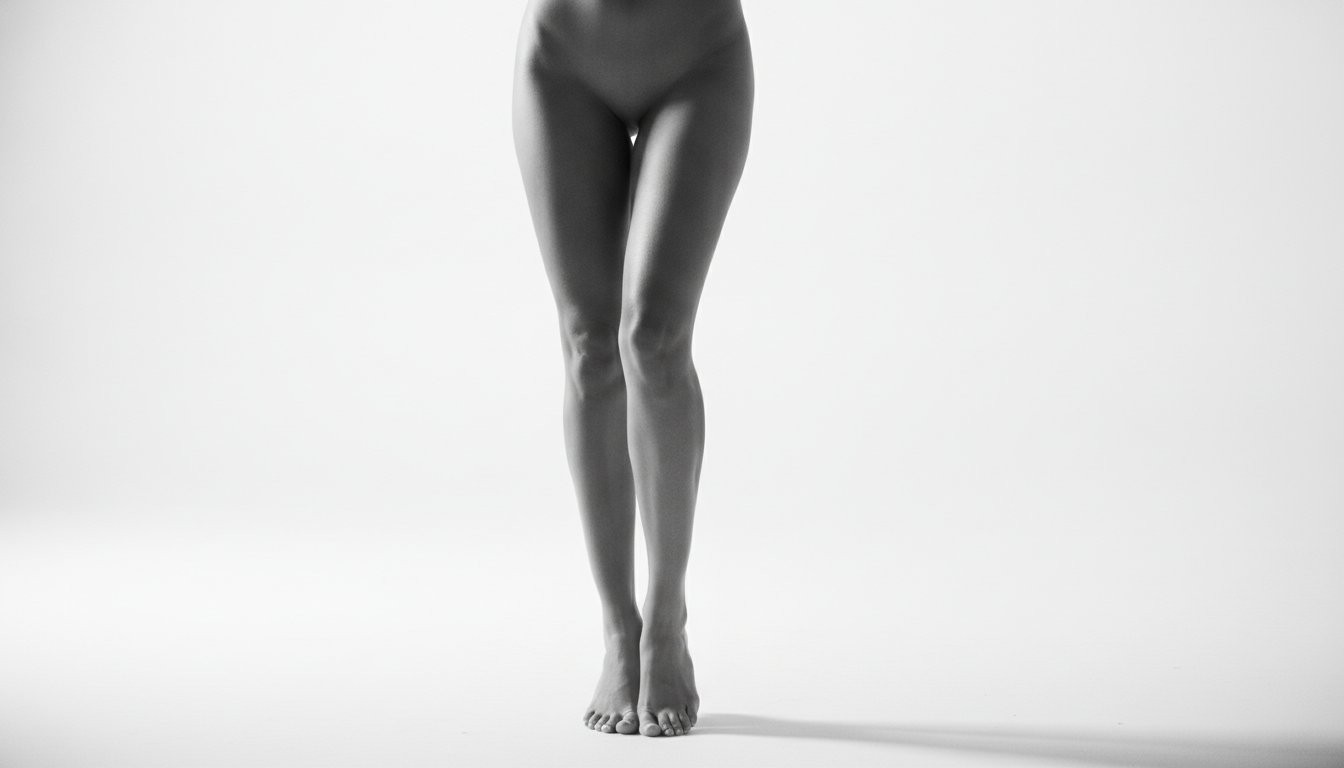
What if the secret to correcting the silhouette of bow legs had nothing to do with your bones at all? For many, the journey toward feeling confident in shorts or swimwear feels like an uphill battle. You likely feel frustrated that specific leg exercises haven’t closed the gap between your knees, or perhaps you feel a sense of dread when considering traditional orthopedic surgery. The reality of breaking bone and facing a recovery that can last up to a year is naturally overwhelming.
We believe in supporting your body’s natural beauty through integrative and gentle solutions. This article explores how modern bow leg correction is being transformed by cosmetic fat grafting. You’ll discover how we can use your body’s own vital tissue to harmonize your leg contours, offering a natural and minimally invasive alternative to the structural approach of traditional surgery. We will look at the science of fat transfer and how it supports your desire for symmetrical results without the long, painful downtime often associated with bone-based procedures.
Key Takeaways
- Understand the distinction between skeletal curvature and “pseudo-bowing” to better identify the root cause of your leg’s silhouette.
- Discover how advanced fat grafting provides a gentle method for bow leg correction by using your own living tissue to fill gaps and harmonize contours.
- Compare the recovery timelines of traditional orthopedic procedures against minimally invasive cosmetic solutions that prioritize your comfort and mobility.
- Learn why an integrative approach to body sculpting focuses on natural rejuvenation and long-term vitality rather than aggressive surgical intervention.
Understanding Bow Legs (Genu Varum): Why the Gap Persists in Adulthood
Many adults look in the mirror and notice a distinct space between their knees, even when their ankles are touching. This physiological alignment, clinically known as Genu Varum, is characterized by an outward bowing of the legs. While it’s a natural phase of development in toddlers, its persistence into adulthood often creates a lingering sense of self-consciousness. It’s not just about the physical gap; it’s about how that silhouette affects your sense of vitality and confidence when you move through the world. Understanding the “why” behind this alignment is the first step toward a path of empowerment and relief.
Unlike the pliable structures of a growing child, adult bones have reached their peak density and fixed alignment. This is why interventions like braces or simple stretching routines, which might support a youngster’s development, often fail to provide significant bow leg correction for adults. Once the growth plates have closed, the skeletal architecture is essentially set. Trying to “stretch” your way into straight legs can lead to frustration and unnecessary strain on the joints without actually altering the underlying bone structure. We believe in acknowledging these biological realities while offering hope through modern, integrative solutions.
Skeletal vs. Structural Bowing
Identifying the root of the curve is essential for a holistic approach to care. True skeletal bowing usually involves the tibia (shin bone) or the femur (thigh bone) having a permanent outward arc. However, some individuals experience “pseudo-bowing,” where the legs appear curved due to the distribution of muscle and soft tissue rather than bone deformity. Your genetics play a significant role here, dictating the silhouette of your lower limbs from a young age. Whether the issue stems from hip rotation or a structural bend in the tibia, recognizing these nuances helps in choosing a solution that respects your body’s unique map.
The Limitations of Traditional Physical Therapy
Traditional Orthopedic Surgery vs. Integrative Cosmetic Correction
Deciding how to approach bow leg correction is a deeply personal journey. You’re often faced with two vastly different philosophies. One path seeks to physically realign the skeletal structure through intensive surgery, while the other aims to harmonize the leg’s appearance by working with the body’s soft tissue. Understanding these differences helps you choose a route that aligns with your health goals and lifestyle. It’s about finding a solution that offers both clinical efficacy and a sense of personal empowerment.
Traditional medicine often focuses on the structural “fix,” which can feel cold or detached from the patient’s daily experience. We prefer a more compassionate, mentor-like approach that looks at the whole person. While some may truly require bone-level intervention for functional reasons, many others are simply looking for a way to restore their confidence and feel balanced in their own skin. By exploring both the invasive and the integrative, you can make an informed choice that supports your long-term vitality.
What is a Tibial Osteotomy?
A traditional orthopedic approach often involves a high tibial osteotomy for genu varum. During this procedure, a surgeon cuts the tibia bone to change its angle. The bone is then held in place with metal plates and screws. While this is sometimes necessary for those experiencing severe joint degeneration or pain, it remains a major medical event. The recovery is significant; patients typically spend months on crutches and face a year of bone remodeling. For those whose primary concern is the visual gap rather than functional joint failure, the risks of infection or hardware complications may feel disproportionate to the desired outcome.
The Rise of Cosmetic Leg Contouring
Many individuals are now seeking a more gentle, integrative path. Cosmetic bow leg correction focuses on the silhouette rather than the bone itself. By using fat grafting, we can harvest your body’s own adipose tissue from one area and strategically place it to fill the “gap” at the inner knees and calves. This “camouflage” technique creates a straight, symmetrical visual line without the need to break bone or introduce foreign hardware into your system. It supports the body’s natural healing intelligence by using your own living cells to sculpt the form you desire.
The difference in daily life is striking. Instead of a year of rehabilitation, most people experience only a few days of mild soreness. This approach prioritizes your quality of life and long-term vitality. It’s about nourishment and optimization rather than aggressive correction. If you’re looking for a way to feel confident in your own skin without the trauma of major surgery, you might consider how natural body contouring can restore balance to your legs. This method honors your body’s integrity while providing the aesthetic harmony you’ve been searching for.
Fat Grafting for Bow Leg Correction: The Natural Solution
While traditional methods often focus on structural realignment through invasive means, we believe in a more integrative path that honors your body’s existing architecture. Modern bow leg correction can be achieved through the artistry of fat grafting, a process that uses your own living tissue to harmonize your silhouette. This approach doesn’t just address the visual gap between the knees; it supports the body’s natural healing intelligence by using familiar, biocompatible material to create balance. It’s a gentle way to restore your confidence while prioritizing your total body wellness.
The journey begins with a “two-in-one” benefit that many find deeply rewarding. Through a precise liposuction process, we harvest donor fat from areas where you may have a surplus, such as the abdomen, hips, or outer thighs. This tissue is then purified, ensuring that only the most vital and healthy cells are prepared for transfer. Unlike synthetic implants, which can feel foreign or shift over time, your own adipose tissue acts as a living filler. It integrates seamlessly with your existing anatomy, providing a soft, natural feel that moves as you do. By choosing this holistic route, you’re optimizing your form without the need for hardware or bone-breaking procedures.
The Science of Fat Cell Survival
The success of this method relies on what we call bioavailability, or the “take” of the transferred cells. We don’t just move fat; we carefully place it in a way that encourages the surrounding tissue to nourish and support the new cells. Our specialized techniques prioritize the longevity of your results by ensuring the fat cells establish a healthy blood supply in their new home. This focus on cell survival means that once the initial healing phase is complete, the results are intended to be a permanent part of your body’s landscape. It’s a sophisticated way to support your body’s vital functions while achieving aesthetic harmony.
Sculpting the Lower Leg Silhouette
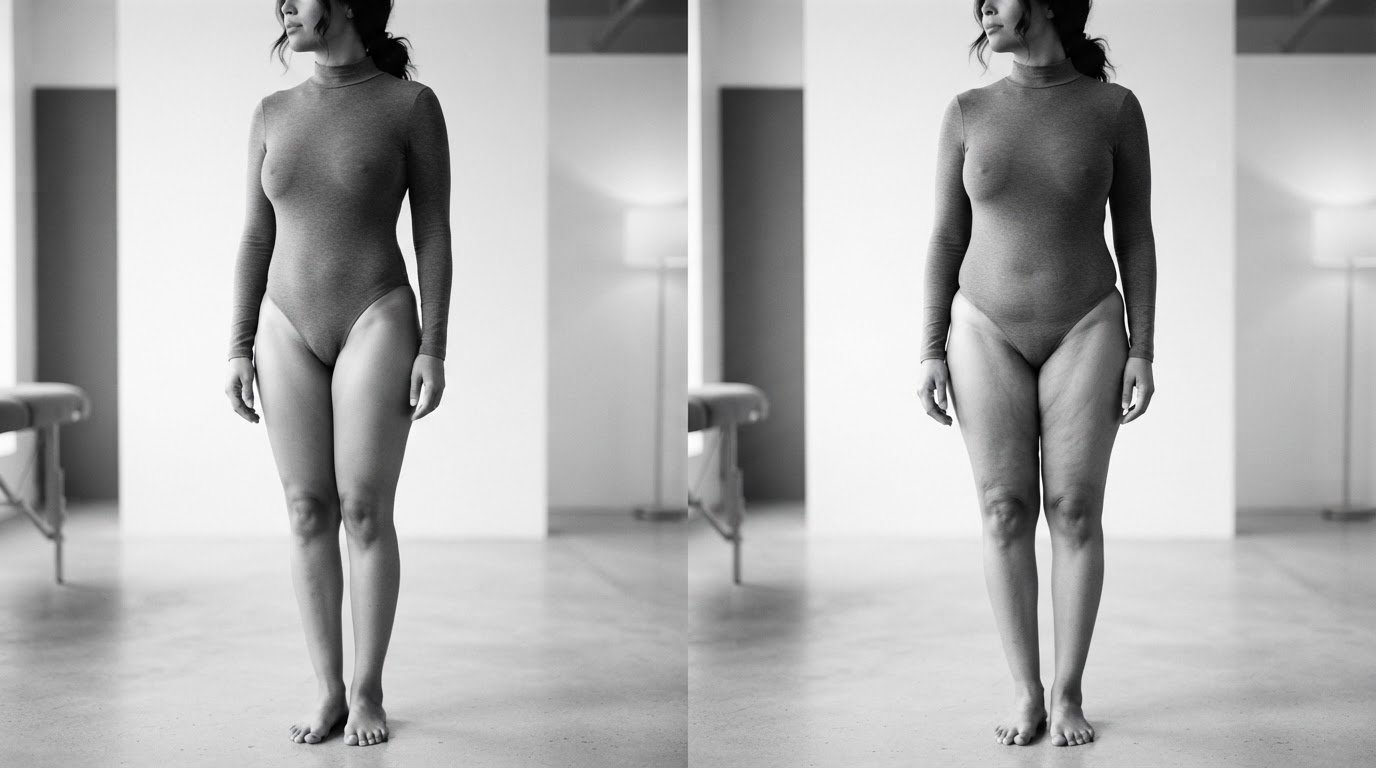
To achieve a truly symmetrical result, we focus on strategic placement in the medial, or inner, calf area. This is where the visual “gap” is most prominent in those seeking bow leg correction. By adding volume to these specific soft tissue contours, we can effectively close the gap and create the straight visual line you’ve been looking for. This precision allows for a level of volume restoration that feels and looks entirely natural. Because we’re using your own tissue, the results are soft to the touch and maintain the natural rhythm of your gait. It’s about creating bodily harmony through a non-aggressive, health-forward alternative that respects your unique form.

Is Cosmetic Leg Correction Right for You? Candidacy and Expectations
Choosing a path for bow leg correction requires a thoughtful assessment of your unique anatomy and wellness goals. While structural bone surgery is a major medical undertaking, the cosmetic approach offers a gentler alternative for those who find the visual gap between their knees to be a source of self-consciousness. Ideal candidates are typically healthy adults who have finished their skeletal growth and present with mild to moderate bowing. Since this method relies on fat transfer, having a sufficient amount of donor tissue is a primary requirement. It’s also vital to have realistic expectations. We aren’t breaking and resetting the bone, but rather harmonizing the soft tissue silhouette to create a straighter, more balanced appearance that supports your overall confidence.
Your health journey is about more than just a physical change; it’s about reclaiming a sense of vitality and agency. We look for individuals who are committed to a holistic recovery and who understand that while the bone remains in its natural position, the visual result can be transformative. A thorough consultation serves as the foundation for this process, allowing us to demystify the procedure and ensure it aligns with your body’s natural healing intelligence. This patient-centered approach ensures you feel empowered rather than sold to, prioritizing long-term satisfaction over a quick fix.
Assessing Your Donor Fat Potential
The beauty of this integrative method lies in its ability to refine multiple areas of the body at once. We typically look to the abdomen, flanks, or thighs as donor sites. The process of liposuction in these donor areas allows us to harvest the vital cells needed for your legs while simultaneously sculpting a more contoured midsection or thigh. If you have very low body fat, we’ll need to explore whether enough tissue can be safely collected to achieve a meaningful result. In cases where body fat is exceptionally low, the “take” or survival of the fat may be limited, making a detailed physical assessment essential.
The Recovery Journey: An Integrative Approach
Your healing phase is a time to nourish your body and support its natural wisdom. During the first few days, you’ll likely experience mild soreness and swelling, which are natural signals that your body is working to protect and integrate the new tissue. We encourage gentle movement to support healthy circulation and optimize the bioavailability of the transferred fat cells. Most people find they can return to normal daily activities within a week, though we suggest waiting about a month before resuming high-impact exercise. By focusing on whole-body health—including proper hydration and nutrient-dense foods—you provide the environment your legs need to maintain their new, symmetrical contours. If you feel ready to explore how this gentle method can support your silhouette, we invite you to schedule a personalized consultation to discuss your path forward.
The Dr. Grossman Approach: Precision, Artistry, and Vitality
Our philosophy centers on the belief that true beauty and health are deeply interconnected. When we approach bow leg correction, we don’t see a structural “defect” to be aggressively fought. Instead, we see an opportunity for natural rejuvenation. By applying our integrative principles to body contouring, we focus on supporting your body’s natural healing intelligence. This non-adversarial atmosphere allows us to optimize your physical form while maintaining the vital functions and integrity of your tissue. It’s a compassionate path that replaces the anxiety of traditional surgery with a feeling of empowerment and agency.
We choose to offer health-forward alternatives because we believe that long-term prevention and gentle care are the foundations of quality of life. Using your own tissue to harmonize your silhouette aligns perfectly with our mission of whole-body health. This method nourishes the treated areas and respects the sophisticated biological processes that allow for successful volume restoration. When you choose a path that works with your body rather than against it, you’re not just changing your appearance; you’re supporting your total body wellness and long-term vitality.
A Legacy of Fat Grafting Expertise
Achieving symmetry in the lower limbs is a delicate art that requires a deep understanding of tissue behavior. With decades of experience in fat grafting, our approach is rooted in scientific grounding and a gentle, humanistic touch. We prioritize the bioavailability of every cell we transfer, ensuring that the results feel natural and remain stable over time. A seasoned practitioner is essential for this specific type of bow leg correction because the calves and knees require precise volume placement to look and move authentically. Our commitment to excellence means we take the time to absorb the science of your unique anatomy before presenting a tailored solution.
Your Path to Confident Alignment
We believe in demystifying medical procedures through educational transparency. Your journey toward confident alignment begins with a personalized, mentor-like consultation where we listen to your concerns and evaluate your candidacy. This methodical process ensures that you feel informed and cared for rather than sold to. We’ll discuss how we can use your body’s own resources to protect and optimize your leg contours, creating a plan that fits your lifestyle and recovery needs. Reclaiming your quality of life and feeling at home in your body is a vital part of your health journey. If you’re ready to explore an integrative approach to your silhouette, we invite you to schedule a comprehensive evaluation to discover how we can support your path toward a more balanced, vital self.
Embracing a Harmonious Path to Leg Alignment
Choosing the right path for your body is an act of self-care and empowerment. You’ve seen how modern bow leg correction has evolved beyond invasive orthopedic procedures into a gentle, integrative art. By prioritizing your body’s natural healing intelligence, we can harmonize your leg contours using your own living tissue. This approach avoids the long recovery of traditional surgery while providing the symmetrical, natural-looking results you’ve been seeking. It’s about finding a solution that respects your anatomy and supports your long-term vitality.
Dr. Grossman brings over 25 years of fat grafting expertise to every procedure, offering a pioneering integrative approach to cosmetic surgery. Our focus remains on achieving natural, long-lasting results that support your total body wellness and confidence. We believe that every patient deserves a mentor-like experience that demystifies the process and offers a clear path toward relief. To start your journey toward a more balanced silhouette, we invite you to schedule your integrative consultation with Dr. Grossman today. You deserve to move through the world with a sense of ease and renewed confidence.
Frequently Asked Questions
Can bow legs be corrected in adults without surgery?
Adult bones are fully developed and fixed, so they don’t respond to braces or physical therapy for structural change. While these methods support joint health and improve gait, true bow leg correction in adults requires an intervention that either realigns the bone or harmonizes the silhouette. Cosmetic fat grafting offers a way to close the knee gap without the trauma of breaking bone.
How long does fat grafting for bow legs last?
The results are generally long-lasting once the transferred fat cells establish a healthy blood supply. We focus on the bioavailability of the tissue to ensure the fat “takes” successfully during the healing phase. Because the fat is your own living tissue, it remains a permanent part of your body’s contours, though it will naturally respond to significant weight changes just like your existing fat.
Is fat transfer to the legs safer than calf implants?
Using your own tissue is widely considered a more integrative and safer option than synthetic calf implants. Because we’re not introducing a foreign object, there’s no risk of the body rejecting the material or the implant shifting out of place. This approach supports your body’s natural healing intelligence and results in a soft, authentic feel that moves naturally with your muscles and skin.
How much fat is needed to correct bow legs?
The amount of fat required depends entirely on the specific volume of the gap between your knees and calves. During a consultation, we assess your donor sites to ensure there’s enough tissue to achieve a symmetrical outcome. We focus on precision and artistry to ensure the added volume creates a balanced silhouette that looks and feels appropriate for your unique body frame.
Will I have scars from the bow leg correction procedure?
Scarring is minimal because the procedure uses very small cannulas for both harvesting and placement. These tiny entry points are usually only a few millimeters wide and are placed in discreet locations. As your skin heals, these small marks typically fade significantly, supporting a natural-looking result that doesn’t reveal the path taken to reach your new leg contours.
Can I walk immediately after cosmetic leg contouring?
You are encouraged to walk gently immediately following the procedure to support healthy circulation and reduce swelling. While you’ll need to avoid high-impact activities or heavy lifting for several weeks, movement is a vital part of the recovery process. This gentle approach helps the body integrate the new cells and maintains your overall vitality as the tissue settles into its new home.
Does insurance cover cosmetic bow leg correction?
Insurance providers generally do not cover bow leg correction when it’s performed for cosmetic reasons. Because fat grafting is considered an elective aesthetic procedure rather than a medically necessary structural repair, it’s typically an out-of-pocket investment. We recommend checking with your specific provider if you have functional concerns regarding joint degeneration that might require orthopedic intervention.
What is the difference between fat grafting and bone surgery for legs?
Bone surgery, known as an osteotomy, is an invasive procedure that involves cutting and realigning the skeleton to change the leg’s angle. In contrast, fat grafting is a soft-tissue approach that uses liposuction and strategic injection to “fill” the visual gap. This cosmetic method focuses on the silhouette, offering a much shorter recovery time and avoiding the use of metal plates or screws.