Skip to content

Looking younger in your 50s isn’t about finding one miracle cream. There’s no reliable skin care formula that can promise you’ll look 10 years younger, but a consistent routine can support healthier-looking skin. If you’re wondering how to look younger in your 50s, daily sun protection is a practical place to start: use broad-spectrum, water-resistant sunscreen with SPF 30 or higher on skin not covered by clothing.
It’s understandable to want softer lines, more even-looking skin, or a fresher appearance, especially as sun exposure and natural changes in skin elasticity become more visible. The encouraging part is that protecting your skin and caring for it gently can help address some signs of premature aging, even if they’re already present. This article explains what sun safety and a steady skin care routine may do, what they can’t change on their own, and how factors such as collagen loss and facial volume influence the way skin looks in your 50s.
Key Takeaways
- A younger-looking appearance isn’t defined by a guaranteed number of years; learn which concerns skin care may improve and when professional procedures address changes it can’t.
- Build sun safety into your daily routine with sunscreen, shade, protective clothing, and sunglasses.
- Remove makeup with gentle cleansing and choose a consistent routine that supports your skin without causing irritation.
- Understand how sun exposure, lifestyle, and age-related changes such as collagen and facial volume loss can shape your appearance.
1. Can you really look 10 years younger at 50?
No skin care routine or cosmetic treatment can promise that you’ll look 10 years younger. At 50, visible changes may include wrinkles, reduced elasticity, facial volume loss, under-eye hollowing, and less defined contours. Treatments can soften particular concerns, but results depend on what is causing them. A medical-grade facial may refresh the skin’s appearance, while a dermatologist can recommend targeted options for texture, pigmentation, or lines.
For expression lines, some people consider injectable treatments; dermal fillers may address areas affected by volume loss. These are different approaches, and neither replaces sun protection or changes every sign of aging. A dermatologist or cosmetic surgeon can explain which concern a treatment addresses, how it works, and its risks. Remember, a facial treatment may improve surface appearance, while deeper folds or loose skin may call for a different plan.
Retinoids can improve skin texture and bounce, and retinol is one option used in night creams. They can also irritate skin, so introduce them cautiously and stop if products cause burning or stinging. Vitamin C products are used in routines targeting uneven tone, but no topical product should be treated as a guaranteed way to erase wrinkles or age spots. Avoid scrubbing irritated skin, and keep sunscreen in your routine.
Sun exposure contributes to premature skin aging, including visible sun damage. The American Academy of Dermatology recommends broad-spectrum, water-resistant sunscreen with SPF 30 or higher each day on skin not covered by clothing. Shade, protective clothing, and sunglasses add practical barriers. Sun safety also matters for reducing skin cancer risk, not just for protecting a youthful-looking facial appearance. Avoiding intentional tanning helps limit UV exposure.
Alcohol can dehydrate skin, while smoking and a diet high in refined carbohydrates may contribute to faster visible aging. These factors are part of the picture, but they don’t replace a treatment plan. A consistent routine and sun protection support skin health; cosmetic treatments address specific concerns rather than preventing all future changes.
In the United States, choose a dermatologist or cosmetic surgeon whose training and experience match the treatment you’re considering. During consultation, expect a clear discussion of benefits, risks, alternatives, and how the plan addresses your specific concern.
How a dermatologist can advise on daily sun protection and avoiding sun exposure
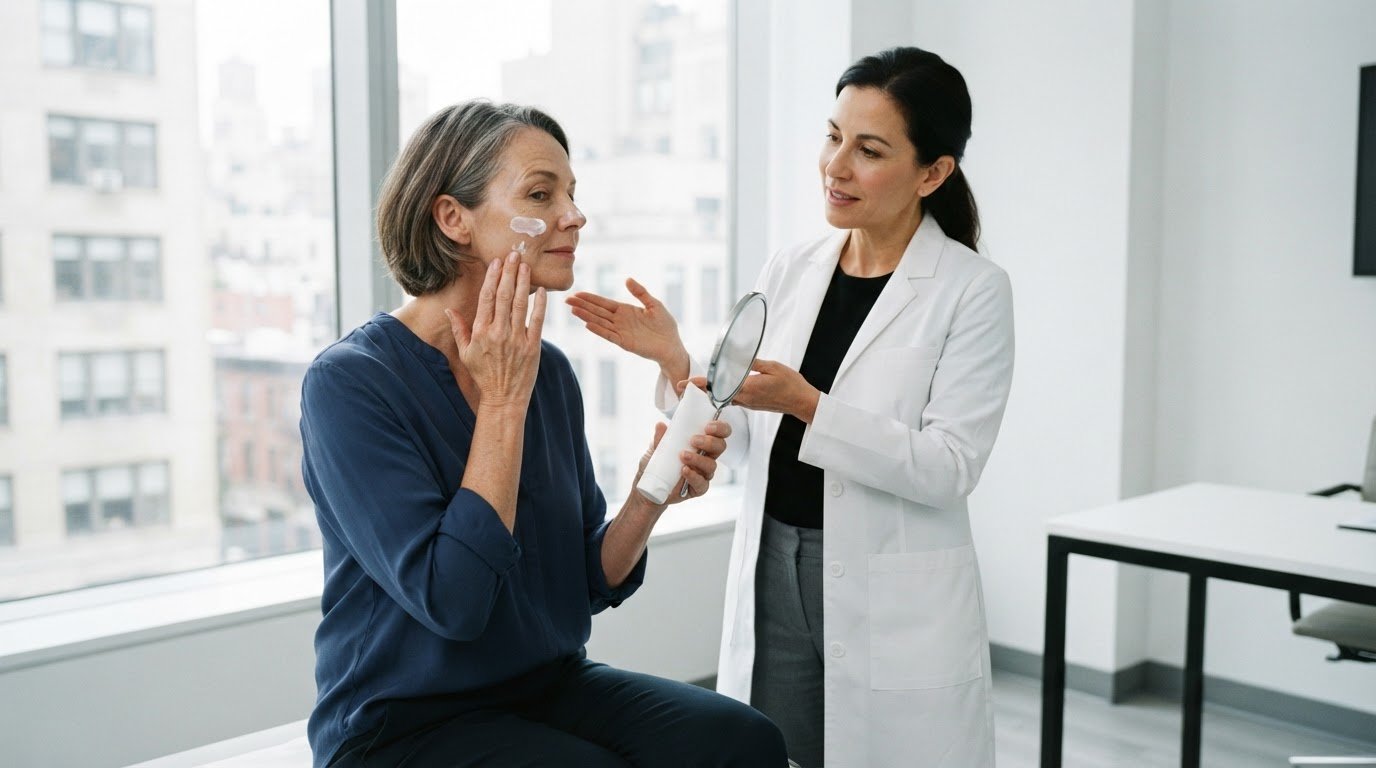
A dermatologist can help tailor sun protection to your skin, routine, and outdoor activities. Bring examples of your current sunscreen and moisturizer, along with details about products that irritate you. This gives the professional useful context for recommending a routine you can maintain. Shade, protective clothing, and sunglasses can complement sunscreen, particularly during time outdoors. If you’re weighing how to look younger in your 50s, consistent protection helps address one contributor to premature skin aging.
At an appointment, describe how much time you spend outside, whether you wear makeup, and which areas tend to receive sun. A dermatologist can help you choose a sunscreen texture that feels comfortable and suits your habits. Sunscreen isn’t a reason to spend longer in direct sunlight. Seeking shade and covering exposed skin help limit UV exposure, while sunglasses can reduce squinting. A professional can also discuss how to notice skin changes and when they warrant attention.
Healthy skin is influenced by lifestyle as well as skincare. Sleep, exercise, diet, and quitting smoking can support a healthier appearance. Moderate exercise may improve circulation, and smoking speeds skin aging. Aim for 7 to 8 hours of sleep per night, and choose activity suited to your fitness and mobility. A healthcare professional can tailor exercise and strength training to your health, weight, and goals. Planning how to look younger in your 50s can include these whole-body habits, not just topical care.
Dental care also contributes to a cared-for appearance. Brushing, flossing, and using mouthwash twice a day supports oral hygiene and a healthy-looking smile. A dental professional can advise on care suited to your oral health and help you maintain a sustainable routine.
Individualized advice matters because skin sensitivity, daily activities, and lifestyle vary. A dermatologist can help you choose protection you’ll use consistently, while other health professionals can guide exercise, nutrition, sleep, and dental care. These habits support overall health and appearance without promising a specific age-reversing result.

How a skincare professional can help you remove makeup and maintain a skincare routine
A consistent evening routine can include removing makeup and cleansing your face. The American Academy of Dermatology recommends washing your face twice a day and after heavy sweating. Use a gentle cleanser to lift makeup, pollution, and residue without scrubbing, then apply facial moisturizer to help trap water in the skin. If foundation or eye makeup remains, cleanse carefully rather than rubbing delicate areas. Scrubbing and products that sting can irritate skin and make signs of aging more noticeable.
For texture and fine lines, a professional may discuss retinol, which increases cell turnover and can improve skin texture and bounce. Other ingredients may also be used in night creams. Introduce active products thoughtfully, since irritation can undermine a routine. If a product causes burning or stinging, pause it and seek personalized guidance. A simple cleanser, moisturizer, and daytime sun protection can provide a practical foundation before adding targeted treatments.
A makeup artist can adapt application to your features rather than covering your face with heavy layers. Use concealer sparingly beneath the eyes, blend foundation smoothly, and apply powder lightly where shine appears. Soft contour can define cheekbones without creating harsh lines. A small amount of eye makeup can emphasize the eyes, while a heavy line across the forehead may draw attention to expression wrinkles. A professional can demonstrate placement and suggest shades and textures suited to your skin.
Dark circles and eye bags don’t always have the same cause. Bags may relate to fluid retention, protruding fat pads, skin laxity, or a combination, so treatment for the delicate under-eye area should be conservative and individualized. Makeup can soften their appearance, but it doesn’t correct the underlying cause. Apply sunscreen before daytime makeup to keep sun protection in your routine. Makeup with sun-protection labeling can complement that step, while shade and sunglasses offer additional coverage. These practical choices can support a youthful appearance without promising to erase every change.
4. Causes of facial aging, including collagen loss and sun damage
Facial aging reflects several processes, not one isolated change. Collagen provides structural support, and age-related changes can contribute to reduced elasticity and fine lines. Sun exposure adds cumulative damage, which may appear as uneven tone, rough texture, and wrinkles. Repeated facial movements also matter: contracting the same muscles over many years can make expression lines more persistent. Because these causes overlap, one skincare product rarely addresses every visible change.
UV exposure is a major factor people can influence. It contributes to premature skin aging, and sunscreen helps limit exposure on uncovered skin. Shade, protective clothing, and sunglasses add practical layers. Avoiding intentional tanning is another useful step. Sun safety matters beyond appearance, too, because UV exposure is associated with skin cancer risk. Notice changes in your skin and discuss concerning spots with a healthcare professional.
Smoking can speed visible aging, contributing to wrinkles and a dull, sallow complexion. Diet and alcohol can affect skin, too: eating a diet high in sugar or refined carbohydrates may accelerate aging, while alcohol can dehydrate skin and damage it over time. These factors don’t affect everyone in the same way, but they help explain how lifestyle can influence skin’s appearance alongside sun damage.
For volume changes, dermal fillers are one treatment option to discuss as part of an individualized facial plan. They address volume, not sun damage, skin cancer risk, or every fine line. Understanding the cause helps match the response to the concern. If facial volume loss is your focus, explore facial volume treatment with dermal fillers as a possible next step.
Dr. Leonard Grossman
Dr. Leonard Grossman offers options for people considering a procedure to address specific facial changes that skin care alone may not resolve. For facial volume loss, Fat Grafting to the Face may be relevant; for changes around the eyelids, Eyelid Surgery may be an option to discuss. These procedures address different concerns, so the right next step depends on what you hope to change and which treatment fits that goal.
Consider a professional discussion if you’re weighing a procedure alongside sun protection and a consistent skin care routine. It can help clarify which visible changes matter most to you and whether a surgical approach is worth considering. Contact Dr. Leonard Grossman to discuss your concerns and possible options.
Choose a next step that reflects your priorities
A thoughtful approach to how to look younger in your 50s starts with deciding what you want to change, not chasing every visible sign of aging. You might focus on maintaining skin health, softening a particular concern, or exploring whether a procedure fits your goals. Those aims are different, and separating them can help make a conversation about care more useful.
Before considering treatment, identify the change that matters most to you and what you hope will look or feel different. A consultation can connect that concern with possible options and clarify what each approach can and cannot address. If skincare alone hasn’t resolved the facial changes you’re concerned about, a conversation with a qualified cosmetic surgeon can help you understand whether a procedure suits your priorities.
If you’re ready to discuss your goals, contact Dr. Leonard Grossman. Taking an informed next step can help you make choices that feel considered, personal, and grounded in your own definition of looking refreshed.
Frequently Asked Questions
Can you really look 10 years younger at 50?
No routine or procedure can promise that you’ll look 10 years younger. A more useful goal is choosing a change that fits your own features and priorities. For example, note whether your main concern is a tired appearance, uneven tone, or facial volume, then discuss that concern during a professional consultation. This makes it easier to understand which options could address it and what they cannot change.
What skincare routine helps skin look younger in your 50s?
A practical routine pairs gentle cleansing, moisturizer, and daily sun protection, with targeted products added gradually. In the morning, cleanse as needed, moisturize, then apply sunscreen before makeup. In the evening, remove makeup and wash gently; introduce a retinoid slowly if it suits your skin. If irritation develops, simplify the routine and seek guidance. Consistency and comfort matter more than layering many active products.
What cosmetic treatments reduce wrinkles in your 50s, and how much do they cost in the U.S.?
Botox may soften expression lines, while dermal fillers can address facial volume loss. Laser skin resurfacing is another option to discuss for skin concerns. Costs depend on the case and are provided after a quote request; factors include the treatment selected, areas addressed, and the individual treatment plan. A consultation can help clarify which concern a procedure targets before you weigh the financial commitment.
How do Botox, dermal fillers, laser resurfacing, and chemical peels compare for mature skin?
These treatments serve different purposes. Botox is used to soften expression lines caused by repeated facial movement, while dermal fillers may restore facial volume. Laser resurfacing and chemical peels are skin-focused options that a professional can explain in relation to your concerns. The right comparison depends on whether you’re addressing movement lines, volume changes, or skin appearance, as well as your health and treatment goals.