Skip to content
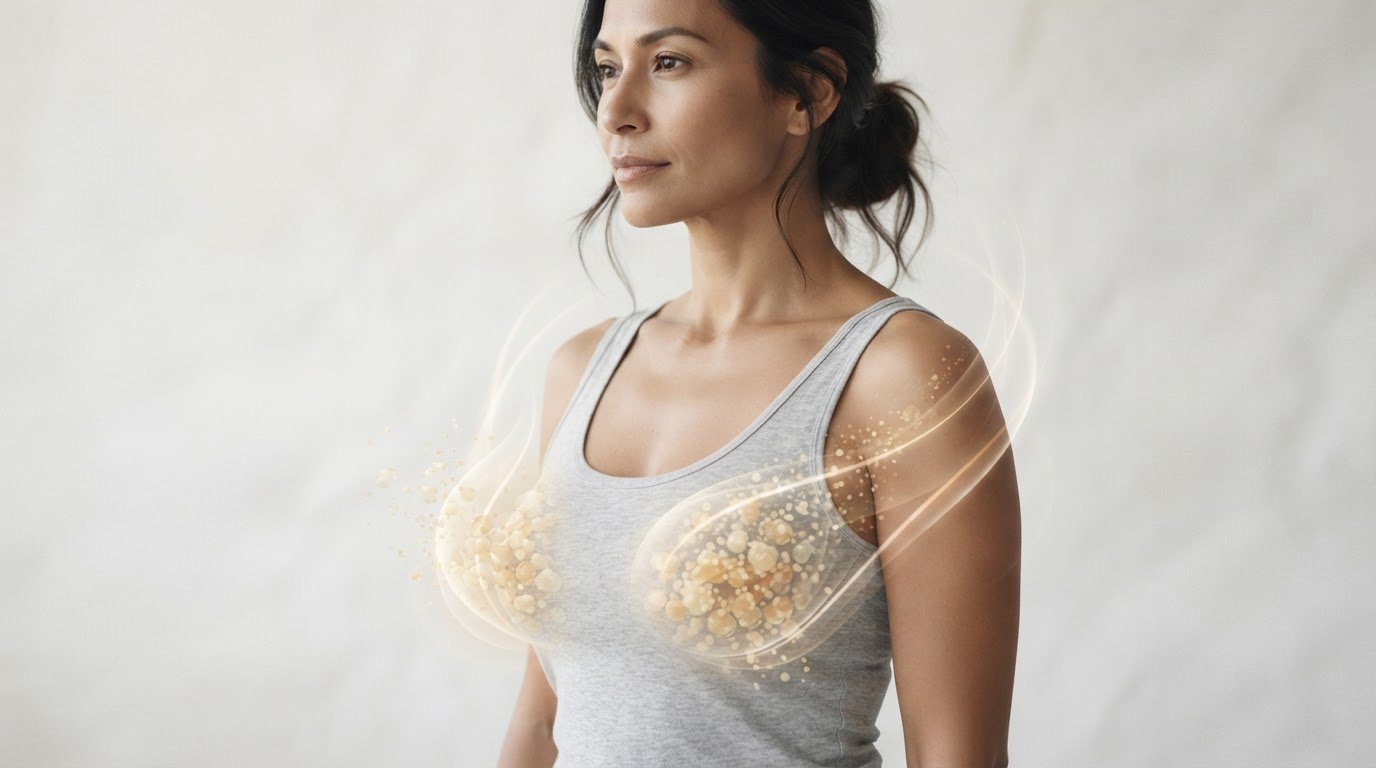
What if breast fat grafting doesn’t have a fixed expiration date? If you’re asking “how long does fat grafting to breasts last,” it helps to know that early changes don’t necessarily reflect your lasting result. Some transferred fat is absorbed as the body heals, while fat that successfully establishes a blood supply can remain for the long term.
It’s understandable to want a clear answer, especially when fat survival varies and changes in weight or aging may affect breast volume. The result isn’t guaranteed to stay exactly the same, but it also doesn’t simply disappear on a set schedule. Your healing, the surgical approach, and weight stability can all play a role.
This article explains how results evolve as the grafted fat settles, when breast volume is generally easier to assess, and what may influence retained fat over time. You’ll also learn why natural changes in your body can alter breast shape and fullness, even after the transferred fat has stabilized. A consultation with Dr. Grossman can help connect these factors to your goals and support realistic expectations for breast fat grafting.
Key Takeaways
- How long does fat grafting to breasts last? Fat that establishes a blood supply may remain long term, though the amount of retained volume varies.
- Early swelling and healing changes may not reflect your settled result. Your surgeon can advise when it makes sense to assess it.
- Procedure-related factors, individual healing, and changes after surgery can all influence how much transferred fat remains.
- Follow your surgeon’s personalized recovery instructions and attend follow-up appointments to support healing and review your progress.
- Consider how your goals, health history, and expectations align with the potential for a natural-looking result and variable volume retention.
How Long Does Fat Grafting to the Breasts Last? The Short Answer
Breast fat grafting can create long-lasting results, but the amount of volume that remains varies from person to person. Some transferred fat is reabsorbed during healing. Fat cells that establish a blood supply in their new location may survive and become part of the breast’s living tissue. In practical terms, “long-lasting” refers to those surviving cells, not a promise that breast size and shape will stay unchanged forever.
If you’re wondering how long does fat grafting to breasts last, there isn’t a single expiration date. The retained fat can remain for the long term, while weight changes, aging, pregnancy, and other natural shifts in the body may alter breast fullness and shape. Those changes affect the overall appearance, but they don’t necessarily mean the surviving grafted fat has disappeared.
What does “permanent” mean after breast fat transfer?
Unlike an implant, transferred fat doesn’t have a device lifespan. Once the fat cells receive enough blood supply to survive, they behave much like fat elsewhere in your body and can change with weight gain or loss. The amount that successfully survives, and the final volume, can’t be predicted precisely for an individual. For a general overview of the procedure and why some fat may be reabsorbed, see fat transfer, also known as fat grafting or lipomodelling, moves a person’s own fat from one area of the body to another.
So, “permanent” describes the potential longevity of surviving cells, not a permanent breast shape. Your body continues to change over time, and your breasts may respond to those changes whether or not you’ve had fat grafting.
When can you judge the lasting result?
Early appearance can be misleading. Swelling and healing affect breast volume, and some transferred fat may be absorbed as the graft settles. The breasts generally need several months to evolve. Around six months is commonly used as a point to assess a more settled result, though individual healing and follow-up plans vary.
Follow-up visits give your surgeon a chance to monitor healing and changes in volume rather than relying on an early snapshot. They’re also an opportunity to discuss what you’re noticing and how your progress compares with your goals. A consultation before breast fat grafting can help set realistic expectations, while follow-up guidance can help you understand your result over time.
How Transferred Fat Survives and Settles in the Breasts
Transferred fat is living tissue, so its long-term survival depends on what happens after it’s placed in the breast. The cells need access to oxygen and nutrients through a blood supply in the surrounding tissue. Cells that receive enough support may survive; others may be reabsorbed as the body heals. This process helps explain why the final volume can differ from the volume seen soon after surgery.
What happens to fat after it is transferred?
At a high level, breast fat grafting involves collecting fat from another area of the body, preparing it for transfer, and placing it in the breasts. The surrounding tissue then supports the transferred cells as they adapt to their new location. As described in this overview of fat transfer and graft survival, transferred fat can be reabsorbed, while established cells may persist in the recipient area. The exact amount that remains varies, so an early appearance can’t predict an individual’s final volume precisely.
Why does breast volume change during healing?
Swelling can make the breasts look fuller at first. As that swelling subsides, some of the initial volume naturally changes, and the surviving grafted fat becomes easier to assess. This gradual settling isn’t automatically a sign that the procedure has failed. It reflects the difference between temporary healing changes and fat cells that establish themselves in the tissue.
Healing conditions differ from person to person. The characteristics of the recipient tissue and each individual’s recovery can affect how the transferred fat settles, which is one reason there’s no single pattern or timeline that applies to everyone. This biological variation is central to understanding how long does fat grafting to breasts last: lasting volume depends in part on which cells survive and how your body changes afterward.
Give your body time to heal before judging the result. Follow your surgeon’s specific recovery instructions, and share questions or concerns at follow-up visits. Your surgeon can assess your healing and evolving volume in context, rather than relying on an early visual impression. If you’re considering breast fat grafting, an individualized consultation about breast fat grafting can help you discuss your goals and what to expect from the process.
What Influences How Long Breast Fat Grafting Results Last?
There isn’t one factor that determines how long breast fat grafting results last. The amount of fat that survives depends partly on how the procedure is planned and performed, and partly on individual healing. Later, changes in body weight and natural aging can affect breast volume and shape, even if some transferred fat cells remain. Understanding these influences helps distinguish graft survival from changes in appearance.
How do technique and individual healing affect retention?
Fat must be collected, prepared, and placed with care so the cells have an opportunity to receive support from the surrounding tissue. Planning also takes into account the breast tissue and the enhancement being considered. These considerations can influence how the graft settles, but no particular technique can guarantee a specific amount of retained volume. Individual tissue characteristics and healing also vary, so two people can have different results even with careful surgical planning.
Can weight changes and aging alter the result?
Yes. Established grafted fat behaves like other body fat, so substantial weight loss may reduce fullness and weight gain may increase it. A change in volume doesn’t automatically mean the graft has been lost or the procedure has failed. Aging and other natural changes in the body can also influence breast shape over time. Maintaining a relatively stable weight may help make the result more consistent, though it can’t prevent every natural change.
It may help to think about the outcome in two parts:
| What you’re considering | What it means |
|---|---|
| Established graft survival | Fat cells that receive a blood supply may remain as living tissue in the breasts. |
| Changes in breast appearance | Weight shifts, aging, and other body changes may alter fullness or shape, whether or not grafted cells survive. |
After surgery, follow your surgeon’s individualized instructions and attend recommended follow-up visits. Recovery guidance supports healing, while follow-ups allow your surgeon to assess how your result is evolving. Before deciding, a consultation for breast fat grafting can help you discuss personal factors, goals, and realistic expectations.

How to Support Healing and Evaluate Your Results
Recovery is easier to navigate when you follow a plan rather than trying to judge your result day by day. Healing and changes in breast volume take time, and your surgeon’s instructions should guide your individual care. For broader context about the procedure, read the complete fat grafting guide.
What should you expect at different recovery stages?
Think of recovery in stages, not as a universal calendar. Early on, swelling and other healing changes can affect how your breasts look and feel. As healing progresses, swelling may ease and the transferred fat continues to settle. Later, your surgeon can help assess the result at the point they consider appropriate for you. These stages vary, so general online timelines shouldn’t replace individualized medical guidance.
To support healing and evaluate your progress:
- Follow your surgeon’s instructions. Use the specific guidance provided for your procedure and recovery rather than adopting advice intended for someone else.
- Attend follow-up visits. These appointments let your surgeon review healing and discuss changes in volume or shape.
- Assess the result at the advised time. Early appearance may not represent the settled outcome, so ask your surgeon when an evaluation will be meaningful for you.
These steps can’t guarantee a particular result, but they help you receive care suited to your recovery and avoid drawing conclusions too early.
When should you discuss a change with your surgeon?
Bring up changes that feel persistent, unexpected, or concerning to you. You might ask about swelling that isn’t improving as expected, a new or noticeable difference in breast shape, a change in skin appearance, a lump, or discomfort that concerns you. These observations don’t by themselves identify a complication. Your surgeon can assess them in the context of your procedure and recovery.
Contact your surgical team promptly if you develop symptoms your discharge instructions identify as needing urgent attention, or if you’re unsure how quickly to report a change. An examination is needed to understand what’s happening in your individual case. Keeping notes about when a change began and how it has evolved can make follow-up discussions clearer.
If you’re considering breast fat grafting, an individual consultation about your goals and candidacy can help you discuss realistic expectations and how your progress would be evaluated.
Is Breast Fat Grafting Right for Your Long-Term Goals?
Breast fat grafting may suit people seeking a subtle enhancement using their own tissue, but it can’t guarantee a particular amount of retained volume or an unchanged breast shape over time. Fat that survives may remain as living tissue, while the final volume varies and can shift with weight changes, aging, and other natural changes in the body. Suitability depends on what you hope to achieve, your health history, and a surgical assessment.
What expectations are realistic for breast fat transfer?
Because the procedure uses your own fat, it offers a natural-tissue approach to adding fullness. It may be a better fit for someone seeking a modest change than for someone expecting a dramatic increase in breast size. Outcomes differ, however. No specific cup-size change, degree of symmetry, or duration can be promised, and some transferred fat may not remain.
Before deciding, consider both the change you’d like and the uncertainty you’re comfortable with. Describe the proportions or areas you hope to refine, then discuss what may be realistic for your anatomy. For a wider look at approaches to breast enhancement, explore breast augmentation options.
What can you discuss during a consultation?
A consultation gives you space to review your goals alongside the details that shape a personalized plan. You can discuss your health history, the healing process, and factors that may influence how much transferred fat remains. If you’re weighing how long does fat grafting to breasts last against your expectations, bring that question forward. Dr. Grossman can discuss breast fat grafting in relation to your individual goals and help clarify what the procedure may and may not offer.
There’s no need to rush a decision. A thoughtful conversation can help you understand the potential for lasting natural tissue, the variability in retained volume, and how the procedure aligns with your long-term preferences. To explore whether breast fat grafting may fit your goals, schedule a consultation with Dr. Grossman.
Make an Informed Plan for Your Breast Goals
So, how long does fat grafting to breasts last? Fat cells that establish a blood supply may remain for the long term, but the amount of retained volume varies. Early healing changes aren’t the final picture, and weight shifts or aging can influence breast shape even after the graft has settled.
The most useful next step is to weigh those possibilities against your personal goals. Breast fat grafting uses your own tissue and may offer a natural-looking change, but it can’t guarantee a fixed volume or shape. Dr. Grossman provides fat grafting to the breasts and TUBA breast augmentation. An individual discussion can help you understand how an option may align with your expectations and health history.
Discuss your breast fat grafting goals with Dr. Grossman to get guidance tailored to your situation. With clear information and realistic expectations, you can move forward thoughtfully and choose the path that feels right for you.
Frequently Asked Questions
How long does fat grafting to the breasts last?
Breast fat grafting results can be long-lasting, but the amount of volume retained varies between individuals. Some transferred fat is absorbed during healing; fat cells that establish a blood supply may remain in the breasts over the long term. If you’re asking how long does fat grafting to breasts last, there’s no fixed expiration date. Weight changes and aging can still alter breast fullness and shape later.
Is breast fat transfer permanent?
Surviving transferred fat may remain as living tissue, so its longevity can be considered permanent. That doesn’t mean the overall breast shape or volume will stay exactly the same throughout life. The fat can change with body weight, and breasts naturally change over time. Since the amount of fat that survives differs from person to person, your final volume can’t be guaranteed or predicted precisely.
When do breast fat grafting results look final?
Results generally become easier to assess after healing and early changes have settled. Swelling can affect breast volume at first, while the body also reabsorbs some transferred fat. Results are generally considered more stable around six months, but this isn’t a universal deadline. Your surgeon can advise when to evaluate your result based on your healing and follow-up findings.
Can fat grafting to the breasts lose volume over time?
Yes, breast volume can change over time. Some transferred fat may be reabsorbed as healing progresses, and later changes in weight or aging can affect fullness and shape. A change in appearance doesn’t automatically mean the procedure has failed or that all grafted fat has disappeared. If a change seems persistent, unexpected, or concerning, discuss it with your surgeon, who can assess your individual result.
Does weight loss affect breast fat transfer results?
It can. Transferred fat that survives behaves like other fat in the body, so substantial weight loss may reduce fullness in the breasts. Weight gain may increase fullness. These shifts don’t necessarily indicate graft loss or a problem with the procedure; they may reflect how your body’s fat changes overall. Maintaining a relatively stable weight may help keep your appearance more consistent, though it can’t prevent every natural change.
Can breast fat grafting be repeated if some fat does not survive?
A further fat grafting procedure may be considered in some situations, but it isn’t automatically appropriate for everyone. Your surgeon would need to assess your healing, the volume that remains, your goals, and your health history before discussing next steps. Allow time for the initial result to settle before drawing conclusions about retained volume. An individual assessment can help clarify whether another procedure may fit your circumstances.
How can I help my breast fat grafting results last?
Follow your surgeon’s recovery instructions, attend recommended follow-up visits, and ask when your result should be assessed. Once healing is complete, keeping your weight relatively stable may help limit changes in fullness because transferred fat can respond to weight shifts. No action can guarantee a specific retained volume or unchanged breast shape. If you notice a change that concerns you, discuss it with your surgeon rather than trying to diagnose it yourself.