Skip to content
What if the most sophisticated material for enhancing your silhouette wasn’t a synthetic implant, but rather your own living tissue? It’s a question more women are asking as they seek a more integrative path to self-confidence. If you’ve felt a sense of unease about placing foreign objects in your body, you aren’t alone. Many patients today prioritize a subtle, natural-looking volume that feels like a true extension of themselves. Identifying the best candidates for fat transfer breast augmentation involves looking beyond just cup sizes; it’s about understanding how your body’s natural healing intelligence can repurpose donor fat from areas like the abdomen or thighs to nourish and shape your breasts.
You might wonder if you have enough donor tissue or if the results will truly last. It’s common to feel a mix of excitement and anxiety when considering such a personal transformation. In this article, we’ll demystify the process of autologous fat grafting and explain why tissue vitality is the foundation of a successful outcome. You’ll learn how to evaluate your skin elasticity and donor site health to see if your goals align with this holistic technique. By the end, you’ll have a clear, science-backed perspective on whether this harmonious approach can help you achieve the balanced, contoured look you desire.
Key Takeaways
- Identify the three critical physical markers that define the best candidates for fat transfer breast augmentation, focusing on donor site availability and skin envelope receptivity.
- Learn why sufficient donor fat in areas like the abdomen or thighs is essential for both body sculpting and providing the volume needed for a natural enhancement.
- Discover how an implant-free approach uses your own living tissue to correct minor asymmetries and create a subtle, harmonious increase in cup size.
- Understand the vital connection between whole-body health, microcirculation, and the long-term survival of transferred fat cells to ensure lasting results.
- Explore the Grossman Method’s focus on natural rejuvenation, which prioritizes your body’s unique anatomy to achieve an integrative and safe surgical experience.
Understanding Fat Transfer Breast Augmentation and Candidate Suitability
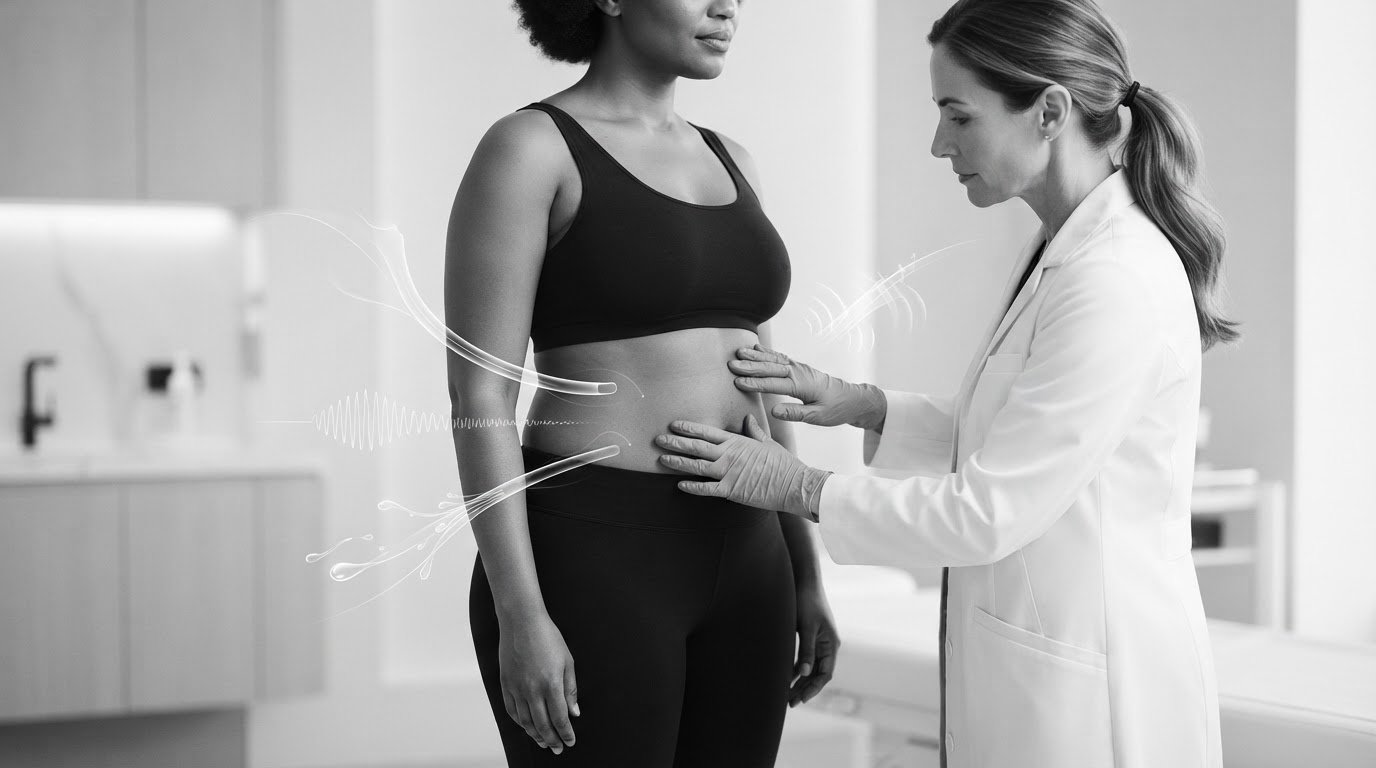
Fat transfer breast augmentation is a sophisticated, two-part procedure designed to harmonize your body’s proportions using its own natural resources. This process begins with gentle liposuction to harvest excess fat from areas where it’s less desired, such as the abdomen, flanks, or thighs. Once the tissue is collected, it’s purified and carefully grafted into the breasts to add volume. This method aligns perfectly with the philosophy of Natural Rejuvenation. It avoids the use of foreign objects, instead relying on your body’s innate ability to integrate its own living cells. It’s vital to understand that this procedure isn’t a replacement for a breast lift. While it’s excellent for refining shape and increasing fullness, it doesn’t provide a significant lift for sagging tissue. The best candidates for fat transfer breast augmentation are typically those seeking a subtle, harmonious increase, usually ranging from 1 to 1.5 cup sizes.
The Mechanics of Autologous Fat Grafting
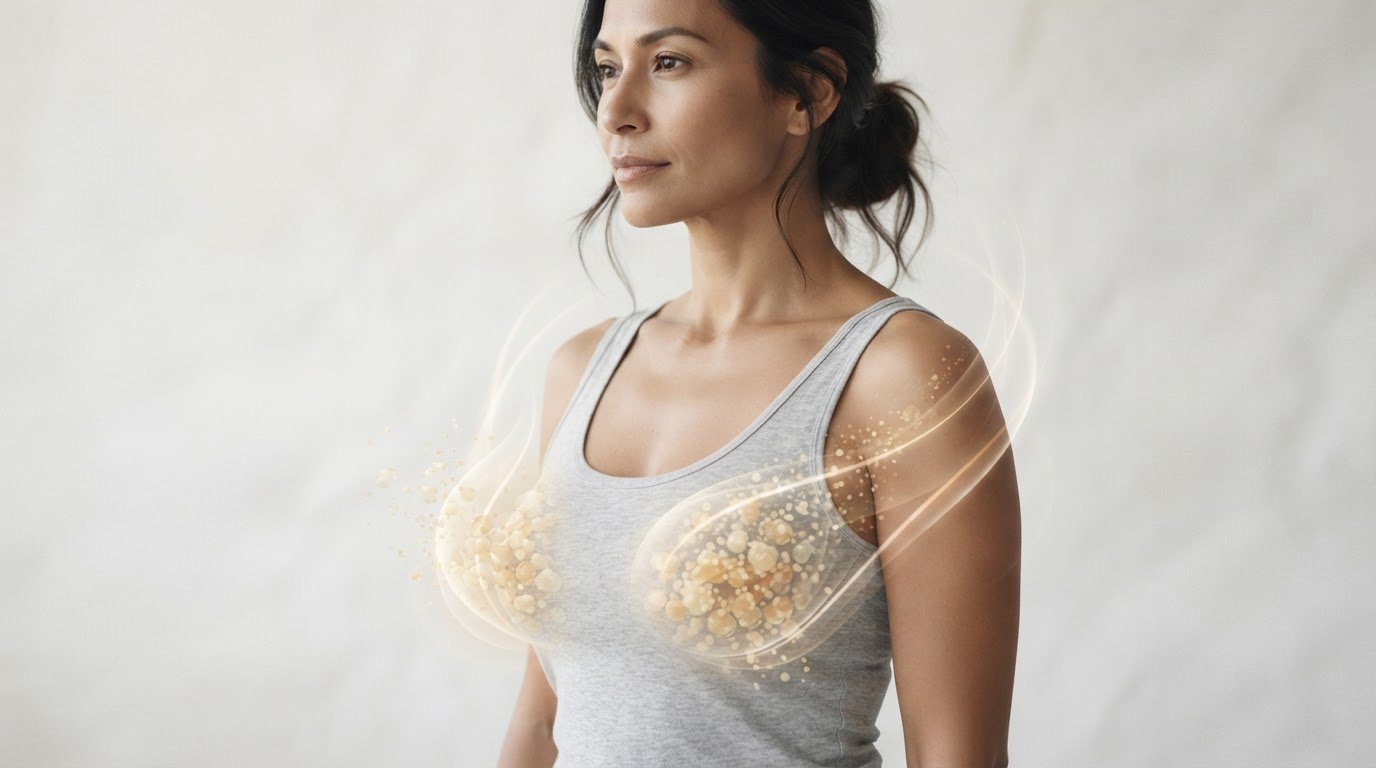
Using your own, or autologous, fat is often considered the gold standard for achieving a truly natural feel. After the fat is harvested, it undergoes a meticulous purification process. This step is essential to ensure that only the most viable, high-quality fat cells are used for the graft. The success of the procedure depends heavily on vascularization. This is the process where the transferred fat cells establish a new blood supply within the breast tissue. When we nourish and support the body’s natural healing intelligence, these cells can thrive. They become a permanent part of your anatomy, responding to your body’s natural changes just like any other fat cell would.
Fat Transfer vs. Synthetic Implants: A Candidate’s Perspective
Choosing a fat transfer procedure over synthetic implants offers a distinct experience in both feel and movement. Natural fat behaves exactly like the rest of your body; it softens, shifts, and moves as you do. Because you aren’t introducing a foreign material, the risk of capsular contracture is eliminated. This is a condition where the body creates a tight, painful shell of scar tissue around an implant. Additionally, the surgical experience is often less invasive. Instead of the larger incisions required for silicone or saline shells, fat grafting uses tiny entry points for a narrow cannula. This integrative approach minimizes trauma and supports a more straightforward recovery, allowing the body to focus its energy on protecting and optimizing the newly placed tissue.
The 3 Critical Physical Markers of an Ideal Candidate
Determining who represents the best candidates for fat transfer breast augmentation involves more than a simple desire for change; it requires a synergy of specific physical traits. While the procedure is remarkably gentle, your body must possess the right “raw materials” to ensure a safe and beautiful outcome. We look for three primary markers: a healthy reservoir of donor tissue, receptive skin, and a stable physiological baseline. Each of these factors plays a vital role in how well your body can nourish and support the newly placed cells.
The “Fat Harvest” Requirement: Do You Have Enough?
The most common question patients ask is whether they have enough fat to achieve their goals. To increase breast volume by one full cup size, a surgeon often needs to harvest double or triple that amount of raw fat. This is because the purification process removes oils, water, and damaged cells, leaving only the most vital tissue for grafting. Very lean individuals with a low Body Mass Index (BMI) might find they lack the necessary stores in common areas like the abdomen, flanks, or thighs. The quality of this fat matters too. Tissue from the outer thighs or lower stomach is often rich in the regenerative cells needed for successful integration. If you’re very athletic or naturally thin, we must carefully assess if your donor sites can provide the volume needed for a meaningful change.
The Importance of Breast Tissue and Skin Quality
Your breast skin acts as an “envelope” for the new volume. If the skin is exceptionally tight or has never been stretched, there’s limited physical space to safely inject the fat. High pressure within a tight breast pocket can actually pinch off the tiny new blood vessels trying to nourish the transferred cells. Identifying the best candidates for fat transfer breast augmentation often comes down to the suppleness of this skin envelope. Women who have experienced previous pregnancies or moderate weight loss often have the ideal “pocket” for grafting. This existing laxity allows the fat to settle comfortably without being compressed. You can check your own skin laxity by gently pinching the tissue; if it moves easily and feels supple, you’re likely a strong candidate for fat transfer breast augmentation.
A stable body weight is the final piece of the puzzle. Since transferred fat cells behave like the rest of your body’s fat, significant weight fluctuations after surgery will change your results. We also prioritize non-smokers, as nicotine severely restricts the microcirculation necessary for fat cell survival. Supporting your body’s natural healing intelligence requires a commitment to a healthy lifestyle. If you’re ready to see how your unique anatomy can support a natural transformation, you can begin your journey toward aesthetic harmony by evaluating these markers during a clinical assessment.
Evaluating Your Aesthetic Goals: When Fat Transfer Surpasses Implants
Deciding between synthetic materials and your own living tissue often involves a shift in perspective. While implants are effective for those desiring dramatic, high-profile changes, the best candidates for fat transfer breast augmentation are usually women who value artistic precision and a soft, natural feel. This approach offers a unique two-in-one benefit. You can gently contour donor areas like the abdomen or flanks while simultaneously enhancing the bust. This synergy supports a sense of whole-body health, as the procedure repurposes your own resources to create a more balanced silhouette.
Another significant advantage is the freedom from long-term maintenance. Synthetic implants aren’t lifetime devices; they typically require monitoring and eventual replacement surgeries. In contrast, successfully integrated fat becomes a permanent part of your anatomy. Once the tissue establishes a blood supply, it behaves like any other fat cell in your body. There’s no risk of “silent rupture” or the anxiety associated with foreign objects. This creates a more peaceful, integrative experience for patients who want to avoid the cycle of implant exchange surgeries.
Achieving Subtle, Refined Volume
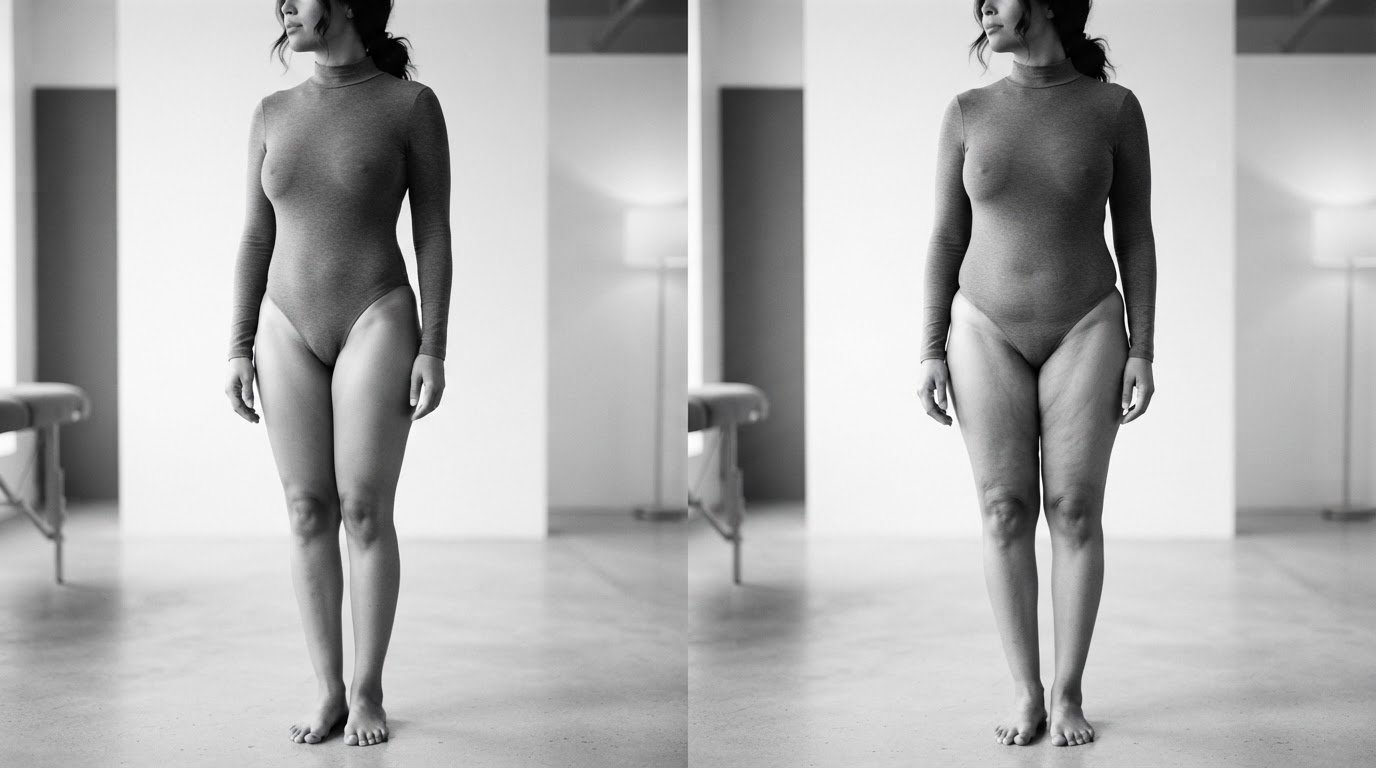
If your goal is a modest increase of about one cup size, fat grafting is often the ideal path. It provides a soft-touch result that mimics natural tissue perfectly because it is your own tissue. Patients seeking a very specific “bolus” look or extreme projection may still find implants more suitable. However, for those who want a tapered, integrated curve that moves naturally when they lie down or exercise, fat transfer offers a level of realism that synthetic shells cannot replicate. It’s about enhancing what you already have rather than adding something entirely separate.
Correcting Asymmetry and Tuberous Breasts
Precision is where fat transfer truly shines. It acts as a biological filler, allowing for strategic placement to correct minor breast asymmetry or congenital irregularities like tuberous breasts. We can tailor the volume to specific areas, such as the cleavage or the upper pole, to create a more harmonious shape. This level of customization is impossible with fixed-shape implants. We even use this technique to smooth out the visible edges of existing implants in a hybrid approach. By supporting the body’s natural healing intelligence, we can use fat to refine and polish your silhouette, ensuring your results feel as good as they look.

The Role of Integrative Health in Fat Grafting Success
While physical markers like skin laxity and donor fat are essential, the internal environment of your body ultimately determines how well the transferred tissue thrives. The best candidates for fat transfer breast augmentation understand that successful grafting is an integrative process. It requires a body that is primed for vascularization, which is the formation of new blood vessels to nourish the transferred cells. Without robust microcirculation, the newly placed fat cannot establish the blood supply it needs to survive. By focusing on whole-body health, you create a fertile landscape where your body’s natural healing intelligence can protect and optimize the results of your procedure.
Nourishing the Graft: Pre-Surgery Preparation
Preparing your body for surgery begins weeks before the actual procedure. Hydration and a diet rich in micronutrients are vital for maintaining vascular health and reducing oxidative stress. We often recommend increasing your intake of healthy fats and vitamins that support tissue repair. Smoking cessation is a non-negotiable requirement; nicotine is a potent vasoconstrictor that starves the grafting site of oxygen and significantly lowers the survival rate of the fat cells. Integrative health optimizes surgical outcomes by fostering a systemic environment rich in nutrients and oxygen, which allows the body to seamlessly incorporate autologous tissue as its own. This proactive approach ensures that your circulatory system is ready to support the new volume from day one.
The Science of Fat Survival (The “Take” Rate)
It’s important to have realistic expectations regarding the “take” rate, or the percentage of fat that successfully integrates. In most cases, between 60% and 80% of the transferred fat survives the transition. Because some natural absorption is expected, surgeons often use a precise “over-filling” technique. This involves placing slightly more volume than the final desired result, allowing the body to naturally prune away less viable cells while maintaining the intended shape. Maintaining a stable weight after the procedure is also critical. Since these are living fat cells, they will shrink or expand with your body’s natural fluctuations. A stable physiological baseline ensures that your new contours remain harmonious and well-defined over the long term.
Post-operative care is just as much about what you don’t do as what you do. For the first few weeks, it’s vital to avoid any compression on the breasts. Tight bras or sleeping on your chest can pinch off the delicate new blood vessels before they’ve fully formed, leading to fat loss. An anti-inflammatory lifestyle, supported by gentle movement and proper rest, allows your body to focus its energy on healing. If you’re committed to a holistic recovery that prioritizes cell survival, you can schedule a consultation to discuss your integrative health plan and see if you are among the best candidates for fat transfer breast augmentation.
The Grossman Method: A Holistic Path to Natural Breast Enhancement
Dr. Leonard Grossman has pioneered the field of autologous tissue transfer since 1995, developing a philosophy centered on “Artistry First.” This approach recognizes that your body is a masterpiece of interconnected systems. Identifying the best candidates for fat transfer breast augmentation requires more than a clinical checklist; it requires a practitioner who views body sculpting as a way to restore natural harmony. By choosing a path of natural rejuvenation, you avoid the introduction of synthetic materials, instead relying on your body’s own living cells to enhance your silhouette. This commitment to an implant-free experience ensures that your results feel as authentic as they look, supporting your long-term wellness and self-confidence.
Beyond the Operating Room: Compassionate Holism
Transformation is a deeply personal journey that extends far beyond the physical changes. Our team adopts a mentor-like role, providing a reassuring environment that demystifies the surgical process while honoring the emotional aspects of your transition. We believe in empowering you with the agency to make informed decisions about your health. This means focusing on long-term vitality rather than quick fixes. When evaluating potential providers for your care, resources such as Choosing an Elite Plastic Surgeon: An Integrative Buying Guide can serve as a vital resource in understanding the standards of excellence. We strive to maintain the vital functions of your tissue throughout the grafting process, ensuring that every cell is nurtured to its fullest potential within its new environment.
Your Consultation: Building a Personalized Roadmap
The first step toward achieving your aesthetic goals is a comprehensive candidacy assessment. Whether you are a local patient or one of our many national travelers, this consultation serves as a foundation for your personalized roadmap. We take the time to absorb your medical history and understand your lifestyle, looking for the “Whole-Body” markers of success we’ve discussed. You should prepare for this evaluation by identifying your primary goals and any questions you have about the integrative healing process. For those who wish to explore the technical nuances of the procedure further, The Ultimate Guide to Fat Grafting and Natural Rejuvenation provides a wealth of educational depth. We are here to support your body’s natural healing intelligence, helping you navigate the path toward a more balanced and vibrant version of yourself.
If you feel your goals align with this non-adversarial approach to plastic surgery, the next step is reaching out for a clinical evaluation. We’ll examine your donor site health and skin receptivity to ensure you are among the best candidates for fat transfer breast augmentation. Together, we can create an enhancement that honors your anatomy and protects your long-term health through the power of natural rejuvenation.
Embracing Your Journey Toward Natural Aesthetic Harmony
Your path toward a more balanced silhouette is a unique expression of your body’s natural potential. We’ve explored how identifying the best candidates for fat transfer breast augmentation requires a careful evaluation of donor tissue, skin receptivity, and systemic health. By choosing a method that prioritizes your own living cells over synthetic materials, you support your body’s innate healing intelligence and achieve a soft, harmonious result. Dr. Grossman’s pioneering techniques, refined over 30 years of surgical expertise, focus on this integrative connection between aesthetic goals and whole-body vitality. His national reputation for holistic care ensures that your transformation is handled with clinical authority and compassionate concern.
If you’re ready to discover if your anatomy and wellness goals align with this natural approach, we’re here to guide you. You can Schedule Your Integrative Fat Transfer Consultation with Dr. Grossman to begin building your personalized roadmap. Trusting in your body’s ability to rejuvenate and adapt is the first step toward a more confident, vibrant version of yourself. We look forward to supporting you on this empowering path to self-enhancement.
Common Questions About Natural Breast Enhancement
How much fat do I need to have for a breast transfer?
You typically need about twice the volume of fat that you wish to see in your final results. For a modest increase, this usually involves harvesting 500cc to 1000cc of raw fat through gentle liposuction. This ensures that after the purification process, only the most vital cells remain. The best candidates for fat transfer breast augmentation are those with localized deposits in the abdomen or thighs to provide this necessary reservoir.
Is fat transfer breast augmentation permanent?
The results are considered permanent once the transferred fat cells establish a healthy blood supply. While about 20% to 40% of the fat may be naturally absorbed by the body in the first few months, the surviving cells become a lasting part of your anatomy. These cells will behave exactly like other fat cells in your body, responding to your natural aging processes and lifestyle changes over time.
Can I get fat transfer if I have a low BMI?
Individuals with an exceptionally low BMI may not have sufficient donor fat to achieve a noticeable change in volume. Success depends on having enough “pinchable” fat in areas like the flanks or outer thighs to harvest. If your body fat percentage is very low, we’ll need to carefully assess if your donor sites can provide enough tissue to nourish the grafting site and achieve your aesthetic goals effectively.
Will the fat in my breasts grow if I gain weight?
Yes, the transferred fat cells will expand and contract just like the fat in other parts of your body. If you experience significant weight gain after the procedure, your breasts may increase in size accordingly. This is why maintaining a stable physiological baseline is vital for preserving the harmonious contours achieved during your surgery. It’s an integrative approach that relies on your body’s natural response to nutrition and weight.
How does fat transfer affect mammograms and breast cancer screening?
Modern fat grafting techniques minimize the risk of calcifications that could interfere with screenings. It’s essential to inform your radiologist that you’ve had a fat transfer so they can accurately interpret your results. Digital mammography and ultrasound are highly effective at distinguishing between natural fat tissue and other findings. This ensures your long-term breast health remains a top priority while you enjoy your natural-looking enhancement.
What happens if I lose weight after the procedure?
Significant weight loss after your surgery will likely cause the transferred fat cells to shrink, which may reduce the volume of your enhancement. To protect your results, it’s best to be at or near your goal weight before the procedure. Staying within a stable weight range helps maintain the vital functions and appearance of the grafted tissue, ensuring your new silhouette remains balanced and beautiful for years.
Can fat transfer fix sagging breasts or do I need a lift?
Fat transfer is designed to add volume and refine shape, but it cannot correct significant skin laxity or sagging. If your goal is to reposition the nipple or remove excess skin, a breast lift may be necessary. We often combine these techniques in an integrative approach to restore both the youthful position and the natural fullness of the breasts, supporting your body’s natural healing intelligence for a complete rejuvenation.
How many cup sizes can I realistically gain with fat grafting?
Most patients can expect a realistic increase of one-half to one full cup size per session. Because the best candidates for fat transfer breast augmentation prioritize a subtle and natural look, this procedure is ideal for those seeking refinement rather than dramatic changes. If you desire a more substantial increase, we can schedule multiple sessions to allow the tissue to safely accommodate more volume while ensuring the survival of the grafted cells.