Skip to content
What if the most sophisticated material for enhancing your silhouette isn’t a synthetic implant, but the living tissue your body already creates? Many women feel a deep sense of unease regarding foreign materials and the anxiety of “fake-looking” results, yet they still desire a gentle restoration of volume. If you’ve felt frustrated by stubborn fat in your midsection while wishing for a more balanced profile, you’re likely seeking a solution that works with your biology rather than against it. Identifying the best candidates for fat transfer breast augmentation requires a careful look at how your body can nourish and support new cell growth in a way that aligns with your total wellness.
It’s important to understand that your body’s natural healing intelligence plays a vital role in this process. We’ll help you discover if your health profile and aesthetic goals harmonize with the requirements for a successful, implant-free enhancement. This guide previews the essential criteria for donor fat availability and explains how this integrative approach offers the dual benefit of body sculpting through liposuction. You’ll learn exactly what to expect as you move toward a modest, biocompatible increase in volume that feels entirely like your own.
Key Takeaways
- Identify if you have sufficient donor tissue in areas like the abdomen or flanks to meet the necessary harvest-to-transfer ratios for a successful result.
- Learn why the “one-cup rule” is the clinical gold standard for achieving a subtle, modest increase that looks and feels entirely natural.
- Discover the specific health requirements, such as nicotine avoidance and weight stability, that define the best candidates for fat transfer breast augmentation.
- Understand how an integrative consultation evaluates your recipient site “real estate” to ensure your body can successfully nourish the transferred fat cells.
- Gain clarity on the dual benefits of body sculpting through liposuction while achieving a biocompatible, implant-free breast enhancement.
What is Fat Transfer Breast Augmentation and Why Selection Matters?
Fat transfer breast augmentation is a sophisticated procedure that utilizes your body’s own resources to enhance volume and refine contours. Unlike traditional methods that rely on synthetic materials, this approach harvests autologous fat from areas where it’s less desired, such as the abdomen or thighs, and relocates it to the breasts. In 2026, we’ve seen a significant shift toward this method as more women prioritize biocompatible aesthetics. They seek to avoid the potential anxieties of foreign objects while embracing a result that looks, moves, and feels entirely natural. This isn’t just a cosmetic choice; it’s an integrative solution that honors the body’s unique composition.
Understanding who qualifies as the best candidates for fat transfer breast augmentation is a biological requirement rather than a simple preference. For the procedure to be successful, the body must have the capacity to support and nourish the newly relocated cells. It’s truly a “two-in-one” benefit that provides a harmonious transformation. You receive the dual advantage of targeted body contouring through liposuction while simultaneously achieving a modest, elegant increase in breast volume. This synergy between donor and recipient sites is the foundation of a successful, long-term outcome.
The Science of Fat Grafting: A Living Tissue Transfer
The core of this procedure lies in the understanding of fat as a living filler. Fat transfer isn’t a static injection; it’s a transplant of living tissue that requires a healthy blood supply to thrive in its new environment. Once the fat is harvested, it undergoes a meticulous purification process. This step is vital to ensure only the most robust, healthiest cells are used for the graft. By transferring purified cells, we optimize the survival rate and support the body’s natural aesthetic harmony. If the recipient site is well-prepared and the cells are vibrant, the result is a soft, permanent volume that integrates seamlessly with your existing tissue.
Fat Transfer vs. Implants: Choosing Your Path
When you explore various breast augmentation options, the primary distinction often comes down to the “feel” and the “source” of the volume. Silicone and saline implants are excellent for dramatic changes, but they remain foreign bodies. In contrast, fat grafting offers a soft, warm, and biocompatible alternative. It doesn’t carry the risks associated with implant rupture or certain immune responses. This shift toward natural solutions reflects a broader movement in modern plastic surgery where we prioritize long-term wellness and “anatomy-first” planning. For those seeking a subtle enhancement of one-half to one full cup size, your own tissue provides a level of authenticity that synthetic materials simply cannot replicate.
The Donor Site Requirement: Do You Have Sufficient Harvestable Fat?
The success of a natural enhancement depends heavily on the “Goldilocks Zone” of your body’s fat reserves. To achieve a meaningful increase in volume, a surgeon typically needs to harvest significantly more fat than what will ultimately remain in the breasts. This is because the American Society of Plastic Surgeons notes that a portion of the transferred fat is naturally absorbed by the body during the healing phase. Research suggests that while survival rates can reach 60% to 80% under optimal conditions, a 3:1 or 4:1 harvest-to-transfer ratio is often necessary to ensure enough viable tissue remains to meet your goals.
Identifying high-quality donor sites is a collaborative part of the consultation. The abdomen, flanks, and “saddlebags” on the outer thighs are the most common areas because they tend to store fat that is rich in regenerative cells. However, the “skinny candidate” dilemma is a real consideration. If you have a very low BMI, you might not have enough harvestable tissue to achieve the volume you desire. In these cases, we look for every available pocket of soft tissue to determine if you are among the best candidates for fat transfer breast augmentation. It’s about finding that balance between what your body can spare and what the recipient site can support.
The essential first step in this journey is liposuction. This isn’t just about fat removal; it’s a precise harvesting method designed to protect the integrity of the living cells. By using gentle techniques, we ensure the harvested fat maintains its vital functions before it is purified and prepared for its new location.
Why Fat Quality Matters More Than Quantity
The Dual Benefit: Sculpting the Donor Area
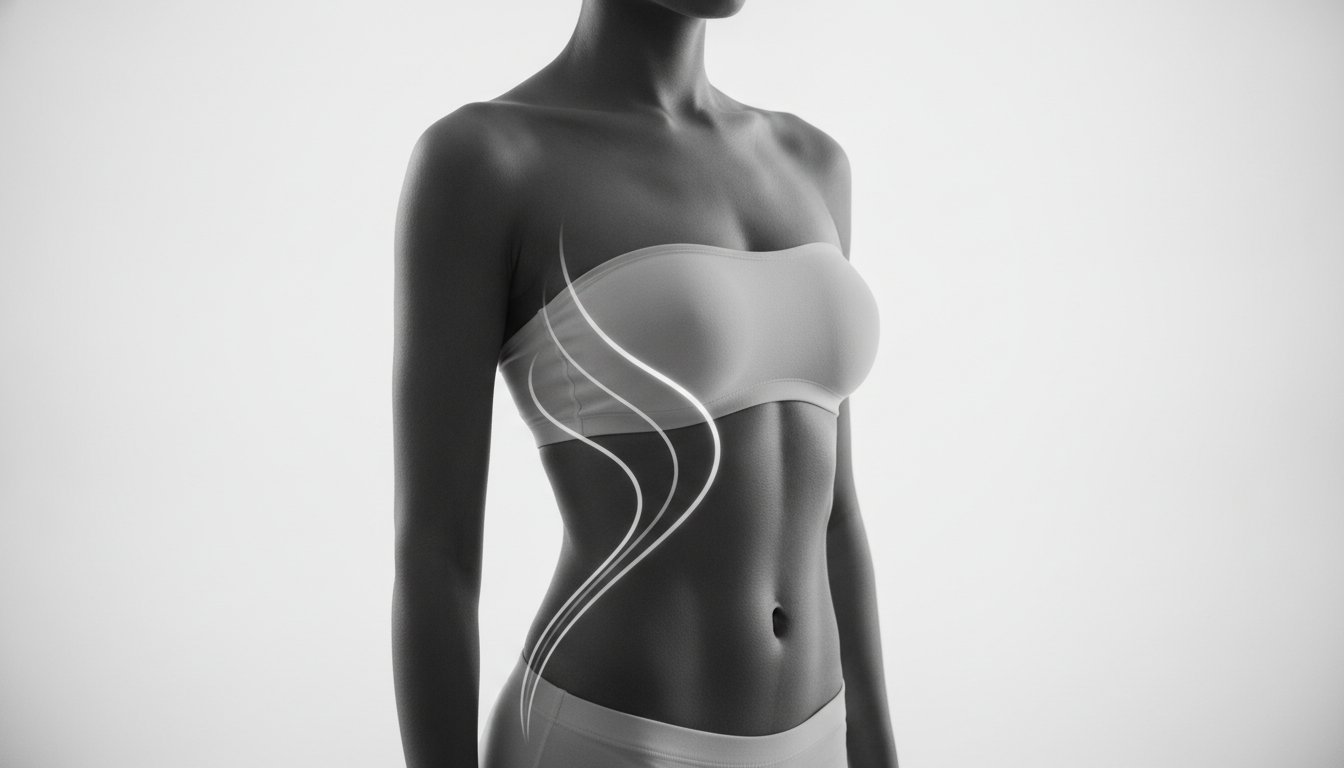
One of the most rewarding aspects of this procedure is the secondary benefit of body contouring. By strategically removing fat from the midsection or thighs, we can help you achieve an hourglass silhouette that complements your new breast volume. This holistic approach ensures that the best candidates for fat transfer breast augmentation enjoy an improved overall body harmony. Recovery in the donor areas typically involves mild swelling and bruising, but the long-term result is a more sculpted, proportionate frame. If you’re curious about how your unique anatomy might respond to this transformation, you can explore our approach to natural volume restoration to see if it aligns with your wellness goals.
Setting Realistic Expectations: Volume, Shape, and the ‘One-Cup’ Rule
Achieving a successful outcome begins with a grounded understanding of what autologous tissue can realistically accomplish. While traditional implants can provide a dramatic shift in size, the best candidates for fat transfer breast augmentation are typically looking for a subtle, elegant enhancement of one-half to one full cup size. This “One-Cup” rule isn’t a limitation of the technology, but a reflection of the body’s natural capacity to nourish new cells. As highlighted in a comprehensive review of fat grafting applications, the survival of the graft depends on the recipient site’s ability to provide a consistent blood supply to each individual fat cell.
The concept of “real estate” within the breast is essential for long-term success. If your breast tissue is naturally very tight or hasn’t been stretched by pregnancy or previous augmentation, there may be limited physical space to house the new fat safely. In contrast, women with a slight degree of skin laxity often provide a more receptive environment for the graft. It’s also vital to remember that once the fat integrates, it behaves exactly like the rest of your body’s fat. It will expand or contract with weight fluctuations, meaning maintaining a stable weight is the best way to protect your results and ensure they last a lifetime.
Ideal Aesthetic Goals for Fat Transfer
This procedure excels at refining the nuances of your silhouette rather than completely reinventing it. It is particularly effective for correcting minor asymmetry or filling in “hollowness” at the top of the breast, often referred to as the upper pole. Some women choose a hybrid approach, using fat grafting to smooth the edges of existing implants for a softer, more natural transition. By carefully layering the tissue, we can achieve a teardrop shape that mimics natural anatomy. Understanding these nuances helps determine if you’re among the best candidates for fat transfer breast augmentation, especially when seeking to correct subtle imperfections while supporting the body’s inherent harmony.
When Fat Transfer Isn’t Enough
There are instances where your goals might require a multifaceted strategy. If you’re experiencing significant sagging, or ptosis, simply adding volume with fat won’t address the position of the tissue. In these cases, a breast lift is often necessary to reposition the breast before or during the volume restoration. There’s a biological “natural limit” to how much fat the tissue can safely hold in a single session; exceeding this can lead to complications like fat necrosis. If your desired outcome involves a dramatic increase of two or three cup sizes, implants may remain the more logical choice to ensure a safe and predictable result.

Health and Lifestyle Factors: Who is Physically Ready for Fat Grafting?
Your body’s internal environment is the most critical factor in determining how well a natural graft will thrive. While the surgical technique is vital, the biological “soil” where the cells are planted must be healthy and receptive. This is why the best candidates for fat transfer breast augmentation are those who prioritize a holistic approach to their wellness before stepping into the operating room. Success isn’t just about the procedure itself; it’s about supporting your body’s innate ability to nourish and protect new tissue.
Nicotine is undoubtedly the greatest adversary to fat cell survival. It acts as a potent vasoconstrictor, narrowing the tiny blood vessels that must reach out and provide oxygen to the newly transferred tissue. When blood flow is restricted, the living fat cells are starved of vital nutrients, leading to higher resorption rates or even fat necrosis. For this reason, being a non-smoker isn’t just a suggestion; it’s a fundamental requirement. Clinical standards in 2026 also emphasize that patients must be at least 18 years old, ensuring that the body has reached full physical maturity before we begin this restorative process.
Weight stability is another pillar of candidacy. Since transferred fat cells retain their original properties, they’ll grow or shrink alongside your natural fluctuations. To ensure your new contours remain proportionate, you should ideally be at your “forever weight”—a stable point you can comfortably maintain. Supporting this stability through integrative nutrition and proper hydration encourages angiogenesis, the process where your body creates new blood vessels to support the vital functions of your enhanced silhouette. Finally, a clear, recent mammogram serves as an essential baseline, ensuring that your journey toward natural beauty begins from a place of confirmed health. If you’re ready to see how your health profile aligns with this transformative procedure, you can consult with a specialist in natural volume restoration to begin your personalized journey.
The Role of Microcirculation in Fat Survival
Healthy microcirculation is the lifeline of a successful fat graft. For the “living” fat cells to integrate permanently, they must be met with robust blood flow at the recipient site. Certain systemic conditions, such as uncontrolled diabetes or advanced vascular issues, can impair this delicate process and may disqualify some individuals. We emphasize a “rest and recovery” mindset during the initial 48 hours to minimize stress on these fragile new connections, allowing your body’s natural healing intelligence to take the lead without interruption. This period of quietude is essential for ensuring the highest possible bioavailability for the transferred cells.
Psychological Readiness and Expectations
Embracing a natural path requires a specific psychological outlook. It’s normal for the body to absorb a portion of the transferred fat, typically between 20% and 40%, as the tissue settles into its new environment. This means the immediate post-operative volume isn’t the final result. You’ll need patience as the swelling subsides and the grafts fully integrate, a process that usually takes three to six months. Commitment to post-operative care, such as avoiding pressure on the breasts, is a vital part of protecting your investment and ensuring the surviving cells remain a permanent part of your body. Understanding this timeline is what truly defines the best candidates for fat transfer breast augmentation.
The Consultation: Navigating Your Path to Natural Volume
The journey toward natural volume begins with a thoughtful, one-on-one conversation. While digital research provides a necessary foundation, a physical examination is the only method to truly determine the viability of your donor and recipient sites. During this time, we assess the elasticity of your breast tissue and the quality of your available fat reserves to see if they align with your aesthetic vision. Identifying the best candidates for fat transfer breast augmentation is a nuanced process that requires a seasoned eye to balance your current anatomy with your desired outcome. It’s a moment to move beyond generalities and focus on your specific biological potential.
Choosing the right partner for this transformation is essential for your peace of mind. You should seek a plastic surgeon who views the procedure through an integrative lens, understanding how body contouring and volume restoration work in tandem to support your total wellness. Specialization in fat grafting ensures that the harvesting and purification techniques used are designed to maximize cell survival and bioavailability. Dr. Leonard Grossman’s approach prioritizes this natural harmony, focusing on long-term health rather than temporary fixes. This clinical authority, combined with a compassionate understanding of your goals, creates a foundation of trust that is vital for a successful surgical experience.
Preparation is empowering. To make the most of your consultation, consider asking specific questions that delve into the surgeon’s experience and philosophy:
- How do you determine which fat cells are the healthiest and most vibrant for transfer?
- What specific techniques do you use to support and nourish blood vessel growth in the recipient site?
- How do you ensure the final result complements my unique body frame and natural proportions?
These inquiries help you gauge if the practice supports the body’s natural healing intelligence or simply follows a one-size-fits-all model. A mentor-like practitioner will take the time to demystify these biological processes for you.
Personalized Mapping of Your Procedure
Your body tells a unique story, and the mapping process honors that narrative. We identify the best donor sites, such as the abdomen, flanks, or saddlebags, based on your specific tissue density and silhouette goals. This is also the time to discuss the exact “look and feel” you desire during the assessment. Some women find that a holistic plan, perhaps incorporating other rejuvenation procedures, provides the most comprehensive sense of wellness. This step ensures that your transformation feels integrated and authentic to your whole self, protecting your vitality for years to come.
Taking the Next Step Toward Natural Confidence
Transitioning from a candidate to a patient is a significant milestone in your wellness journey. It’s a choice to embrace a biocompatible solution that honors your body’s existing tissue while alleviating the anxiety often associated with synthetic materials. Natural breast augmentation isn’t just about volume; it’s an empowering decision to align your outward appearance with your inner sense of vitality. If you feel that you are among the best candidates for fat transfer breast augmentation, we encourage you to seek a compassionate, expert opinion. Taking this step is an act of self-care that can lead to a lifetime of natural confidence and improved body harmony.
Embracing Your Journey Toward Natural Harmony
Choosing a path that works with your body’s natural healing intelligence is an empowering step toward lasting confidence. It’s clear that a successful outcome relies on the synergy between sufficient donor fat and a receptive recipient environment. By prioritizing integrative health factors like weight stability and robust microcirculation, you ensure that your living tissue has the optimal environment to thrive. Determining the best candidates for fat transfer breast augmentation is a deeply personalized process that honors your unique biology and aesthetic goals.
With decades of aesthetic excellence and a specialized focus on natural fat grafting, Dr. Leonard Grossman offers an integrative surgical philosophy that prioritizes your long-term wellness. You’re deserving of a result that feels as authentic as it looks. Schedule your natural breast augmentation consultation with Dr. Grossman today to discover how your own anatomy can support a beautiful, biocompatible transformation. Your journey toward a more balanced silhouette is a vital step in supporting your whole-body health and natural vitality.
Frequently Asked Questions
How much fat is needed for a fat transfer breast augmentation?
You typically need three to four times the volume of the desired enhancement to account for purification and natural resorption. For a modest increase, this often requires harvesting 600cc to 1000cc of fat via liposuction. This ensures that the best candidates for fat transfer breast augmentation have enough donor tissue to support a successful graft while maintaining the body’s natural proportions.
Can I get a fat transfer if I have a very low BMI?
Patients with a very low BMI may struggle to find sufficient harvestable donor tissue for a meaningful change. While we look for every available pocket of soft tissue, a certain amount of subcutaneous fat is necessary to achieve a visible result. If your body fat percentage is exceptionally low, we may need to discuss alternative paths to ensure your safety and aesthetic satisfaction.
Is the fat transfer to breasts permanent?
Yes, the fat cells that successfully integrate and establish a blood supply are considered permanent. While your body naturally absorbs about 20% to 40% of the initial graft during the first few months, the surviving cells remain indefinitely. These cells will continue to behave naturally, expanding or contracting if your overall body weight changes significantly as you age.
Will the breasts sag more after a fat transfer?
Fat transfer does not typically cause increased sagging; in fact, it can improve skin quality and fill minor laxity. However, because fat is softer than a silicone implant, it cannot provide a significant mechanical lift for heavy or drooping tissue. If you have significant ptosis, an integrative approach combining fat grafting with a surgical breast lift may be the most effective solution for your silhouette.
How many cup sizes can I gain with fat grafting?
Most patients achieve a modest increase of one-half to one full cup size in a single session. This limitation exists because the recipient site can only nourish a specific amount of new tissue at once. Attempting to transfer too much fat can compromise bioavailability and lead to complications, which is why we prioritize your long-term health and safety over dramatic volume changes.
Does fat transfer to the breasts interfere with mammograms?
Modern fat grafting techniques do not typically interfere with breast cancer screenings, provided you choose an experienced specialist. While small calcifications can occasionally occur, a skilled radiologist can easily distinguish these from suspicious lesions. We always recommend a baseline mammogram before the procedure to ensure your breast health is fully supported and documented before we begin the enhancement process.
What is the recovery time for a fat transfer breast augmentation?
Most women return to light activities within a week, though full tissue integration takes several months. You’ll likely experience mild swelling and bruising at both the donor and recipient sites for the first ten to fourteen days. We advise avoiding strenuous upper body exercise for at least four weeks to protect the delicate new blood vessels as they nourish and support the grafts.
Can fat transfer fix breast asymmetry?
Fat grafting is an exceptional tool for correcting minor breast asymmetry and refining natural contours. By strategically injecting different volumes into each breast, we can create a more harmonious and balanced silhouette. This makes the procedure a popular choice for the best candidates for fat transfer breast augmentation who seek subtle, customized corrections to support their body’s inherent aesthetic harmony.