Skip to content

What if the most effective way to restore your breasts’ youthful vitality didn’t involve a single synthetic material or silicone implant? Many women find that after breastfeeding or significant weight loss, their breasts lose that vital upper pole fullness and begin to sag. It’s a common experience that can lead to feelings of disconnect from your own body. If you’re feeling anxious about the potential for breast implant illness or simply prefer a holistic approach, a fat transfer with breast lift offers a sophisticated, biological solution. This integrative method focuses on supporting your body’s natural healing intelligence rather than fighting against its natural changes.
In this guide, you’ll discover how we can use your own autologous fat to nourish and reshape your profile. We’ll look at why this hybrid approach is the gold standard for achieving a perkier look in 2026, especially for those navigating changes after using GLP-1 medications. You’ll learn about the regenerative benefits of using your own tissue, the reality of fat survival rates which typically range from 60% to 80%, and how modern liposuction can simultaneously refine your donor areas. It’s time to move beyond the quick fix and embrace a path that prioritizes your long-term wellness and confidence.
Key Takeaways
- Understand how the integrative synergy of a fat transfer with breast lift addresses both structural sagging and volume loss using your body’s own living tissue.
- Learn the biological process of “The Take” and how adipose-derived stem cells support skin quality while helping newly grafted cells establish a vital blood supply.
- Discover why this implant-free alternative is ideal for those seeking a subtle, natural volume increase of up to one full cup size without synthetic materials.
- Gain essential insights into the recovery journey, including the vital “no pressure” rule to protect and nourish your newly transferred fat cells during the first six weeks.
- Explore a holistic surgical philosophy that prioritizes whole-body health and the preservation of your body’s natural healing intelligence for lasting rejuvenation.
What is a Breast Lift with Fat Transfer? The Hybrid Approach
True rejuvenation often requires a multifaceted approach that honors the body’s existing architecture. A fat transfer with breast lift is a sophisticated hybrid procedure designed to address the two main concerns of an aging or changing breast: sagging and volume loss. This integrative technique combines a surgical mastopexy, which corrects the position of the breast, with autologous fat grafting to restore youthful fullness. When we combine these methods, we aren’t just changing an appearance; we are performing a biological integration that supports the body’s natural healing intelligence.
The synergy between these two procedures is what makes the results so compelling. The breast lift provides the structural “envelope” or shape by removing excess skin and tightening the internal tissue. Meanwhile, the fat transfer provides the youthful “softness” and texture that a lift alone cannot replicate. This approach is particularly valued in 2026 because it involves no foreign bodies, no risk of rupture, and no need for the long-term maintenance associated with synthetic implants. It’s a path toward restoration that prioritizes your whole-body health.
The Limitations of a Standard Breast Lift
A standard mastopexy is a powerful tool for correcting the effects of gravity, breastfeeding, or significant weight loss. It works by removing redundant skin and tightening the internal tissue to raise the breast to a more youthful position on the chest wall. However, many women find that a lift alone leaves the upper portion of the breast looking “empty” or deflated. Removing skin doesn’t replace lost glandular volume; it simply tightens the remaining tissue. This can sometimes lead to a “pancaked” appearance where the breast is higher but lacks a gentle, natural curve. By opting for a Fat transfer during the lift, we can address this “upper pole” deflation. The injected fat acts as a biological solution, nourishing the area with living cells to create a subtle, beautiful contour.
The “Two-for-One” Benefit of Autologous Grafting
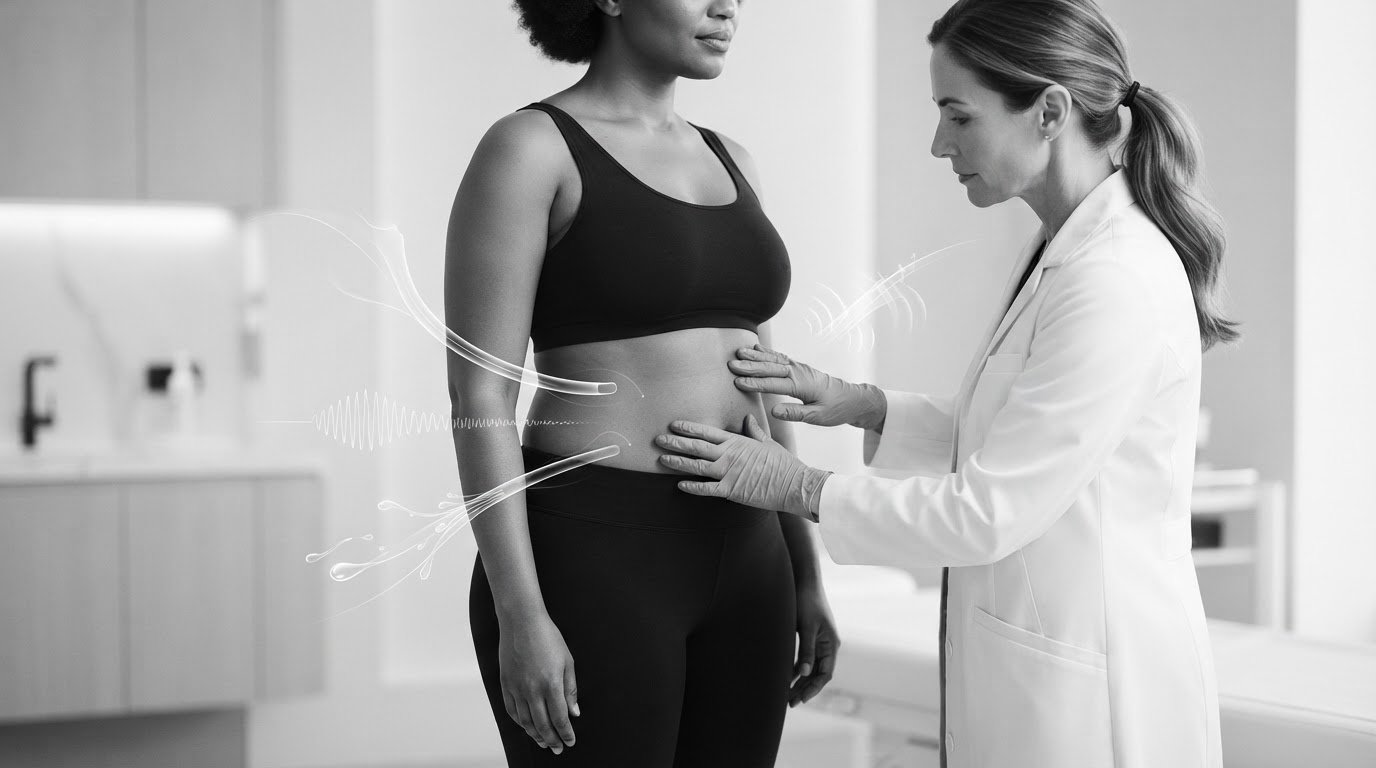
The beauty of autologous grafting lies in its dual nature. The process begins with gentle liposuction to harvest healthy donor fat from areas like the abdomen, flanks, or thighs. This creates a unique “two-for-one” benefit: we can refine and contour a donor site while simultaneously enhancing the breasts. This holistic method offers several advantages:
- Natural Integration: Because the tissue is your own, your body recognizes and accepts it without the risk of rejection.
- Body Contouring: Liposuction helps create a more harmonious overall physique by removing stubborn fat from other areas.
- Regenerative Properties: Fat tissue is rich in regenerative cells that can improve the quality and elasticity of the overlying skin.
- Peace of Mind: Many patients experience less anxiety when they know their rejuvenation journey doesn’t involve synthetic materials.
The Science of Fat Survival: How Your Body Nourishes the Graft
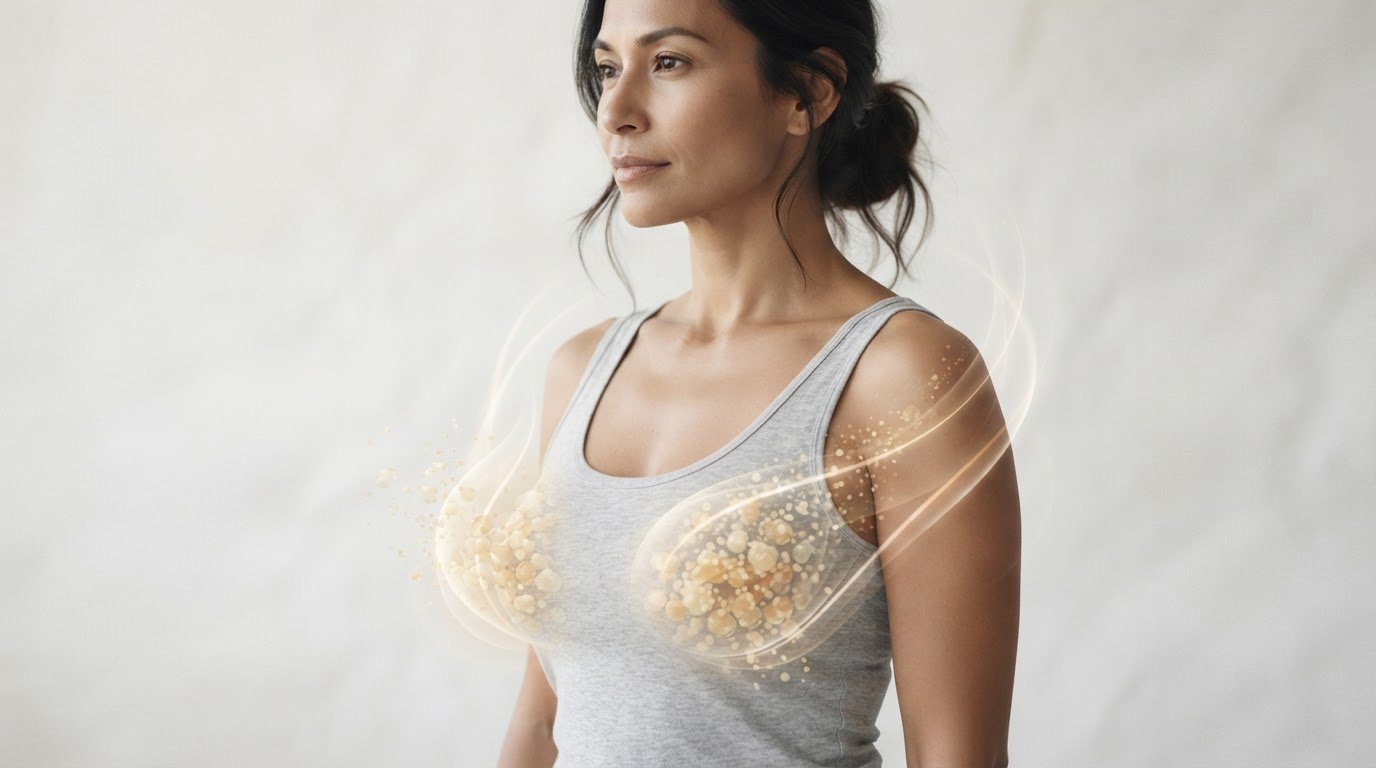
When we perform a fat transfer with breast lift, we aren’t just moving volume from one place to another; we’re asking your body to accept and nourish new living cells. This biological integration, often referred to as “The Take,” depends entirely on how well these cells settle into their new environment. It’s a delicate partnership between the surgical technique and your body’s natural healing intelligence. To ensure the highest success, the harvested fat must undergo a meticulous purification process. By filtering or spinning the fat to remove excess oils and fluids, we concentrate the healthiest adipose cells and regenerative stem cells. These stem cells do more than just provide shape; they help optimize the surrounding tissue, often leading to a noticeable improvement in skin texture and elasticity.
The method of delivery is just as critical as the purification itself. Instead of injecting large amounts of fat at once, we use a multi-planar injection technique. This involves placing the fat in tiny, microscopic droplets throughout the breast tissue. By doing this, we maximize the surface area of each droplet, ensuring that every cell has the best possible chance to connect with a nearby blood supply. According to the American Society of Plastic Surgeons, Fat transfer breast augmentation is a reliable way to achieve subtle enhancement while utilizing the body’s own resources. If you’re curious about how your unique physiology might respond to this restorative process, you can explore our approach to Fat Grafting to the Breasts to learn more about the possibilities.
Angiogenesis: Building a New Life Support System
For the transferred fat to become a permanent part of your body, it must establish a new blood supply through a process called angiogenesis. This is the formation of new blood vessels that reach out to “cradle” and nourish the newly placed cells. The most critical window for this connection is the first 48 hours to two weeks post-surgery. During this time, your body identifies the new cells and begins the vital work of supporting their survival. It is a beautiful example of how the body maintains vital functions and supports growth when provided with the right conditions.
Why Not All Fat Survives
It’s important to have realistic expectations regarding the volume that stays. On average, surgeons expect a survival rate of 60% to 80% under optimal conditions, meaning that 20% to 40% of the fat may be naturally reabsorbed by the body. To account for this, we often overfill the area slightly during the initial procedure. We also emphasize an integrative approach to recovery, focusing on whole-body health and proper nutrition to support higher retention rates. When you nourish your body with the right nutrients, you provide the building blocks necessary for your new tissue to thrive and integrate seamlessly into your profile.
Candidacy and Comparison: Is This Procedure Right for You?
Identifying your candidacy involves looking at your current anatomy and your long-term wellness goals. The ideal patient for a fat transfer with breast lift is typically someone experiencing mild-to-moderate sagging, perhaps after breastfeeding or weight loss, who also possesses enough donor fat to facilitate the transfer. As noted by the American Society of Plastic Surgeons on breast lifts with fat grafting, this combination is particularly beneficial for mothers looking to restore their pre-pregnancy profile without the use of foreign objects. It’s a way to reclaim your form while honoring the body’s natural composition.
It’s vital to have realistic expectations regarding the final volume. While implants can offer a dramatic increase in size, this integrative approach focuses on a more subtle, proportional enhancement. Most patients can expect an increase of roughly half to one full cup size. This isn’t about creating a “new” look so much as it is about restoring the youthful fullness you’ve lost. If you’re seeking a significant jump in cup size, a hybrid approach with a smaller implant might be discussed, but for those prioritizing a purely autologous result, the fat transfer is the gold standard.
Stability is the foundation of surgical success. We strongly recommend that patients be at a stable weight for at least six months before the procedure. Since fat cells expand and contract with weight fluctuations, staying steady ensures your results remain harmonious with your body’s contour. You’ll also consider the trade-off of incisions. While the lift requires traditional patterns like the lollipop or anchor to reshape the tissue, the fat transfer portion only requires tiny nicks for the liposuction cannula, which typically fade into the natural folds of the skin.
Fat Transfer vs. Synthetic Implants with a Lift
The choice between fat and silicone often comes down to the “feel” and longevity. Fat transfer provides a texture that’s indistinguishable from your natural breast tissue because it is your natural tissue. Unlike synthetic implants, which may eventually require replacement due to wear or capsular contracture, transferred fat is permanent once it successfully integrates into your blood supply. While fat necrosis is a minor risk where some cells don’t survive, it avoids the more complex concerns sometimes linked to synthetic materials, such as BIA-ALCL or breast implant illness. This makes it a lower-anxiety path for many women.
Assessing Your Donor Sites
You don’t need to be “overweight” to have enough donor fat. Many patients find they have sufficient deposits in the flanks, inner thighs, or abdomen. The quality of this fat is paramount; we use gentle techniques to preserve the vitality of the cells during harvest. To understand how we refine these areas to support your overall shape, you can read our Liposuction: An Integrative Guide for more on the harvesting process. By choosing a fat transfer with breast lift, you’re not just enhancing one area; you’re harmonizing your entire silhouette.

The Rejuvenation Journey: Recovery and Maximizing Results
The success of your fat transfer with breast lift doesn’t end when you leave the operating room; it’s a journey that continues through the initial healing phase and into the months of integration that follow. During the immediate post-operative period, your body will naturally respond with swelling in both the breast area and the liposuction donor sites. This is a sign that your natural healing intelligence is at work, directing resources to the areas that need them most. Managing this inflammation requires patience and a commitment to protecting the delicate new cells as they establish their life support system.
One of the most critical aspects of your recovery is the “No Pressure” rule. For the first six weeks, you must avoid sleeping on your stomach and refrain from wearing underwire bras. Any direct, prolonged pressure can compress the newly grafted fat, potentially cutting off the burgeoning blood supply we discussed earlier. Think of these cells as seedlings in a garden; they need a stable, undisturbed environment to take root and flourish. We also emphasize the importance of maintaining a stable weight. Because these are living fat cells, they will respond to weight loss just like fat in any other part of your body. If you lose weight, your breasts lose weight.
The timeline for your final results is methodical. While you’ll see a perkier profile almost immediately, the true shape emerges as swelling subsides, typically around the three-month mark. We confirm the final fat survival rate at six months, at which point the results are considered permanent. Choosing a fat transfer with breast lift is an investment in your long-term confidence. If you’re ready to begin this transformative journey, we invite you to schedule a consultation for a Breast Lift to discuss your personalized path to rejuvenation.
Nourishing Your New Volume
Supporting the metabolic needs of your healing tissue through an integrative nutritional approach is vital. Your body requires specific building blocks to optimize collagen production and blood flow. We recommend a diet rich in Vitamin C and healthy fats, such as those found in avocados and walnuts, to nourish the skin and support cellular integrity. Conversely, smoking is the #1 enemy of fat transfer survival. Nicotine constricts blood vessels, which can starve the new fat cells of the oxygen they desperately need to survive the “Take” process.
Activity and Exercise Guidelines
While light walking is encouraged as early as the first few days to support circulation, high-impact cardio must be restricted. Excessive bouncing or jarring movements can disrupt the early stages of fat cell attachment. We typically follow a gradual return-to-gym schedule over six to eight weeks:
- Weeks 1-2: Gentle walking only to support lymphatic drainage.
- Weeks 3-4: Increased walking pace; light lower-body movements are usually permissible.
- Weeks 6-8: Gradual reintroduction of upper-body exercise and light jogging, provided you’re wearing a supportive, non-underwire sports bra.
The Grossman Philosophy: An Integrative Approach to Breast Health
At the heart of our practice is a fundamental belief: aesthetic success is inseparable from whole-body health. Choosing a fat transfer with breast lift is a decision that extends beyond the surface; it is an investment in your long-term vitality. Dr. Grossman’s approach is rooted in the preservation of your body’s natural healing intelligence. Rather than treating surgery as a mechanical “cut and fill” operation, we view it as a partnership with your biology. This philosophy ensures that every technique used is designed to nourish and support the tissue, allowing your body to maintain vital functions while achieving a more youthful, harmonious form.
We believe that a bridge must exist between advanced surgical techniques and holistic wellness. This means we don’t just look at the breasts in isolation. We consider how your nutrition, lifestyle, and overall systemic health will impact the longevity of your results. By prioritizing the body’s ability to regenerate and heal, we create an environment where transferred fat cells can truly thrive. This patient-centered focus replaces the anxiety often associated with traditional surgery with a sense of empowerment and hope.
Why an Integrative Surgeon Matters
Many traditional practices follow what might be called an “assembly line” approach, focusing on volume and speed. In contrast, Dr. Grossman provides methodical, compassionate care that treats you as a whole person. His expertise in both fat grafting and lifting allows him to create a result that is biologically sound and aesthetically balanced. Because he understands the sophisticated connection between total body wellness and surgical outcomes, he emphasizes long-term prevention over quick, temporary fixes. This mentor-like guidance helps you understand the “why” behind every recommendation, from your pre-op supplements to your post-op activity levels.
Scheduling Your Consultation
Taking the first step toward rejuvenation should feel like an invitation to reclaim your agency. During your initial evaluation, we perform a thorough tissue assessment to align your aesthetic goals with your biological reality. We’ll discuss your donor sites, the health of your skin, and how we can best support your body’s natural healing process. If you are still exploring the right path for your needs, you may find it helpful to review our guide on Breast Augmentation Options to gain a wider perspective on modern, innovative techniques. We are here to provide the clinical authority and compassionate support you need to make an informed, health-forward decision for your future.
Embracing Your Natural Path to Restoration
As a pioneer in autologous fat grafting with over 30 years of aesthetic surgical expertise, Dr. Grossman focuses on delivering natural, implant-free results that align with your whole-body wellness. It’s about your vitality. He is dedicated to supporting your body’s natural healing intelligence through every stage of this transformative process. If you’re ready to reclaim your confidence through a holistic and health-forward method, we invite you to take the next step in your rejuvenation journey.
Schedule Your Integrative Consultation with Dr. Grossman today to begin a personalized evaluation. We look forward to helping you achieve a harmonious and empowered version of yourself.
Frequently Asked Questions
How long does a breast lift with fat transfer last?
Once the transferred fat cells establish a blood supply during the first few months, the results are permanent. Unlike synthetic implants that typically require replacement every 10 to 15 years, your own tissue becomes a living part of your body. It will age naturally with you as you move through life’s different stages. While the lift corrects sagging by removing excess skin, the fat transfer provides a lasting foundation of volume that doesn’t leak or rupture.
Will I have visible scars from the fat transfer and lift?
A fat transfer with breast lift involves two distinct types of incisions. The lift portion requires traditional patterns, such as the lollipop or anchor shape, to effectively raise and reshape the breast tissue. The fat grafting portion only requires tiny nicks, usually about 2 to 3 millimeters wide, where the liposuction cannula harvests and reinjects the fat. These small marks are strategically placed and typically fade into the natural contours of your skin over time.
How much volume can I actually gain with fat grafting to the breasts?
Most patients achieve a subtle and proportional increase of roughly half to one full cup size. This procedure isn’t designed for those seeking a dramatic jump in size, but rather for women who want to restore the “upper pole” fullness that often deflates after breastfeeding or weight loss. It provides a soft, natural curve that looks and feels indistinguishable from your original breast tissue.
Is fat transfer to the breasts safe for future mammograms?
Yes, the procedure is safe for future screenings, though it’s vital to inform your radiologist that you’ve had the surgery. While fat necrosis can occasionally create small calcifications, modern digital mammography and ultrasound allow specialists to easily distinguish these from other concerns. We often recommend a baseline mammogram before your procedure to support clear and accurate comparisons for your long-term breast health.
Can fat transfer fix tuberous or asymmetrical breasts during a lift?
This hybrid approach is an excellent solution for correcting asymmetry or tuberous breast shapes. Because fat can be precisely injected into specific areas, we can “sculpt” the breast to create a more balanced and harmonious appearance. The lift addresses the external skin envelope, while the fat transfer nourishes the internal volume where it’s needed most to achieve symmetry.
What happens if I gain or lose weight after my fat transfer?
The transferred fat cells will behave exactly like the other fat cells in your body. If you gain weight, these cells can expand; if you lose weight, they may shrink. This is why we emphasize the importance of being at a stable weight before your surgery. Maintaining a steady weight helps protect the refined shape we’ve created and ensures your results remain consistent over time.
How many sessions of fat grafting will I need to achieve my goal?
The majority of patients achieve their aesthetic goals in a single session. If you desire a more significant volume increase, a second session can be planned once the first graft has fully integrated, usually after six months. This staged approach allows us to protect the blood supply and optimize the survival rate of the newly transferred cells.
Is the procedure more painful than a regular breast lift?
You won’t necessarily feel more pain, but you’ll experience soreness in more areas of your body. In addition to the typical tightness of a breast lift, you’ll feel localized tenderness at the liposuction donor sites, such as the abdomen or thighs. Most patients find this manageable with rest and our integrative recovery protocols, which focus on supporting your body’s natural healing intelligence.