Skip to content

What if the most important phase of your breast augmentation doesn’t happen in the operating room, but while you are quietly dreaming? When you choose a natural enhancement, those newly transferred cells are like delicate seeds that need the right environment to take root. It’s completely normal to feel a bit of anxiety about protecting your “liquid gold” fat grafts, especially when you’re used to curling up on your side or stomach. Learning how to sleep after fat transfer to breasts is not just about comfort; it’s a vital physiological “incubation” period where your body’s natural healing intelligence secures the survival of your results.
We understand that the dual discomfort from both the breast area and your liposuction donor sites can make a restful night feel out of reach. This guide offers the reassurance and practical techniques you need to navigate this transition with ease. You’ll discover the specific safe sleeping window required for optimal graft survival and master the art of staying on your back throughout the night. By supporting your body’s vital functions during this recovery, you can ensure a beautiful, lasting outcome while enjoying the restorative rest you deserve.
Key Takeaways
- Understand the critical “incubation period” of neovascularization, where newly transferred fat cells require a pressure-free environment to establish a vital blood supply.
- Learn exactly how to sleep after fat transfer to breasts by utilizing the 45-degree incline rule to reduce post-operative swelling and protect your grafts.
- Discover how to manage the “double recovery” of both donor and breast sites, ensuring that compression and positioning work together for your comfort.
- Explore integrative tools and natural sleep aids that foster a restorative environment, supporting your body’s natural healing intelligence throughout the night.
- Recognize how your dedication to protective sleeping habits during the first three months secures the longevity of your natural, harmonious results.
The Biology of Fat Survival: Why Sleep Position Matters
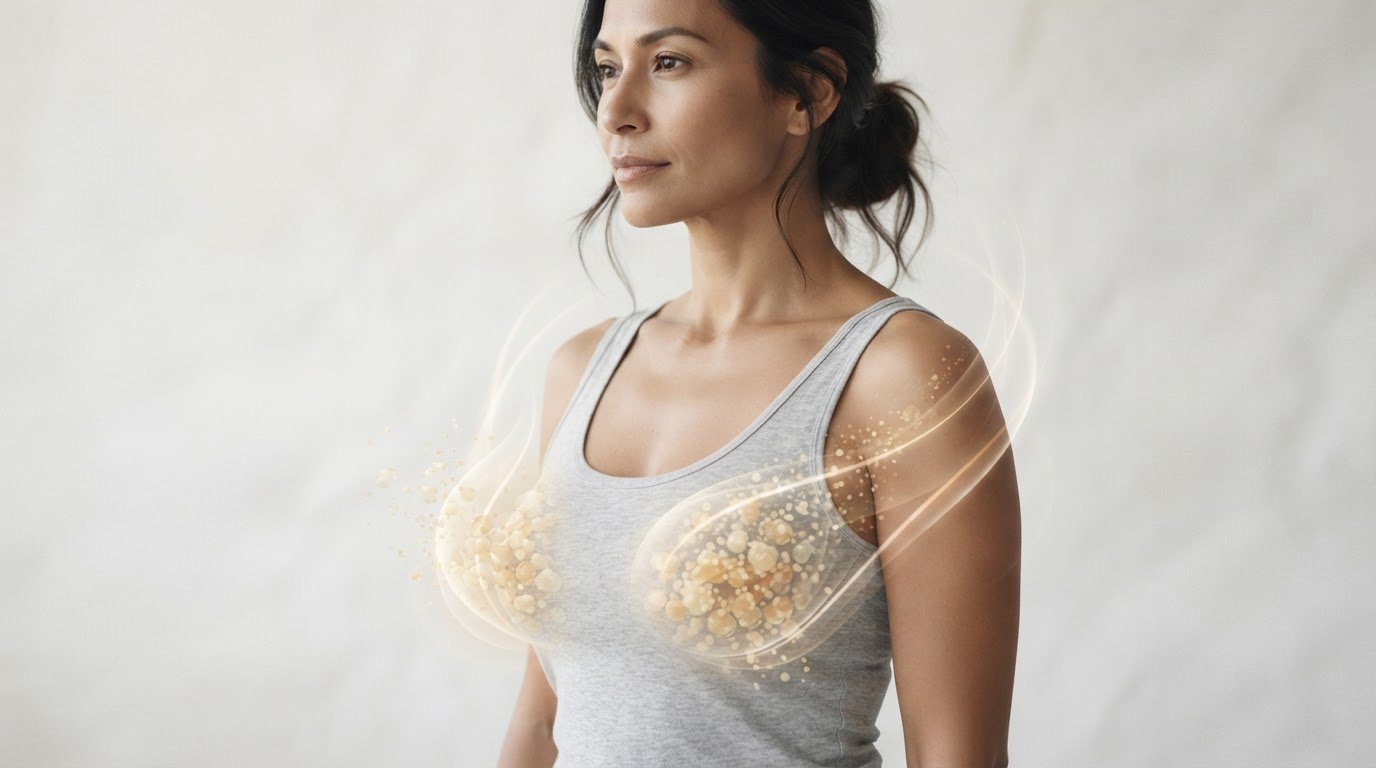
Every newly transferred fat cell is a living entity searching for a lifeline. During the initial weeks after your procedure, these cells, known as adipocytes, enter a delicate incubation period. They are not yet part of your breast’s permanent architecture; instead, they rely on the surrounding tissue for survival through a process of diffusion. This is why the way you rest is so critical to your final result. When patients ask how to sleep after fat transfer to breasts, the answer is rooted in cellular biology rather than just simple comfort. We are essentially protecting a living graft while it finds its new home.
The Fragility of “Liquid Gold”
Unlike traditional silicone or saline implants, which are inert medical devices, a fat transfer involves moving your body’s own biological material. This “liquid gold” is significantly more delicate than an implant during the first month because it lacks an immediate, dedicated blood supply. For the grafts to thrive, they must receive constant oxygenation and nutrient delivery from the surrounding tissue. Neovascularization is the vital process where the body weaves a new blood supply into the transferred fat. This biological integration is a slow, methodical journey that requires a stable, pressure-free environment to succeed. If this process is interrupted, the body cannot nourish the new cells, leading to a loss of the very volume you worked so hard to achieve.
What Happens When You Put Pressure on Grafts?
When you apply external pressure by sleeping on your chest or even slightly on your side, you compress the fragile new vessels before they have a chance to mature. This mechanical stress restricts blood flow, which can lead to fat necrosis. This is a condition where the fat cells die and form firm lumps or oil cysts instead of soft, natural breast tissue. These complications are often avoidable if you understand the risks of compression during the first 3 to 6 weeks, which is the most critical window for graft survival.
If you inadvertently roll onto your stomach, you also risk creating asymmetrical results. Because the body is still processing post-operative swelling, it can be difficult for a patient to distinguish between normal fluid reduction and actual graft loss in the early stages. By maintaining a back-sleeping position, you ensure that the pressure remains neutral and consistent. This proactive approach supports your body’s natural healing intelligence, protecting the delicate work performed during surgery and optimizing your long-term aesthetic wellness.
- Fat Necrosis: The loss of fat cells due to lack of blood flow, which can create firm areas.
- Oil Cysts: Small pockets of fluid that form when fat cells break down rather than integrate.
- Asymmetry: Uneven volume loss caused by sleeping more on one side, leading to a lack of harmony between the breasts.
By viewing this recovery period as a partnership with your body’s regenerative capabilities, you can approach your sleep with a sense of purpose. Protecting your grafts isn’t just a post-op rule; it’s the foundation of your new silhouette.
The Gold Standard: How to Sleep on Your Back Post-Surgery
Adopting a supine position is the cornerstone of a successful recovery. For a minimum of 3 to 4 weeks, sleeping on your back isn’t just a suggestion; it’s a clinical requirement. This position ensures that no external weight or friction disturbs the delicate incubation of your fat grafts. To optimize this rest, we recommend the “45-Degree Rule.” By keeping your head and chest elevated at a slight incline, you harness the power of gravity to encourage lymphatic drainage. This simple adjustment moves fluid away from the surgical sites, which significantly reduces post-operative swelling and tension. Understanding how to sleep after fat transfer to breasts is the first step toward a peaceful night and a beautiful result.
Many patients worry about inadvertently rolling over in their sleep. Creating a physical barrier is the most effective way to alleviate this anxiety. According to the American Society of Plastic Surgeons, proper post-operative care is just as vital as the surgical technique itself for achieving harmonious outcomes. If you’re concerned about your specific recovery path, discussing a personalized plan for natural breast augmentation can provide the clarity you need.
Step-by-Step Setup for a Safe Night
Setting up your sleep sanctuary before surgery day is a proactive step toward wellness. A high-quality wedge pillow is an essential tool to maintain a consistent 30 to 45 degree elevation without slipping. To prevent rotation, construct a “Pillow Fortress” by placing long body pillows or rolled-up blankets on either side of your torso. These act as gentle reminders to stay centered. Finally, tuck a medium-firm pillow under your knees. This small addition tilts the pelvis and alleviates the lower back strain that often accompanies long-term back sleeping.
Transitioning for Side and Stomach Sleepers
If you’ve spent a lifetime sleeping on your stomach or side, the thought of weeks on your back might feel daunting. Start practicing this new position 10 to 14 days before your procedure. This allows your body to adjust to the sensation and identifies any areas of discomfort early. Using a U-shaped travel neck pillow can also be a game-changer. It keeps your head stable and prevents the shifting that often leads to side-rolling. Most patients find they can gradually reintroduce side sleeping after the 6-week mark, once the grafts have securely integrated. Until then, remember that every night on your back is an investment in your “liquid gold.” Knowing how to sleep after fat transfer to breasts doesn’t have to be a struggle; it’s simply a new rhythm for your body’s healing phase.
Managing the “Double Recovery”: Sleep with Liposuction and Breast Grafts
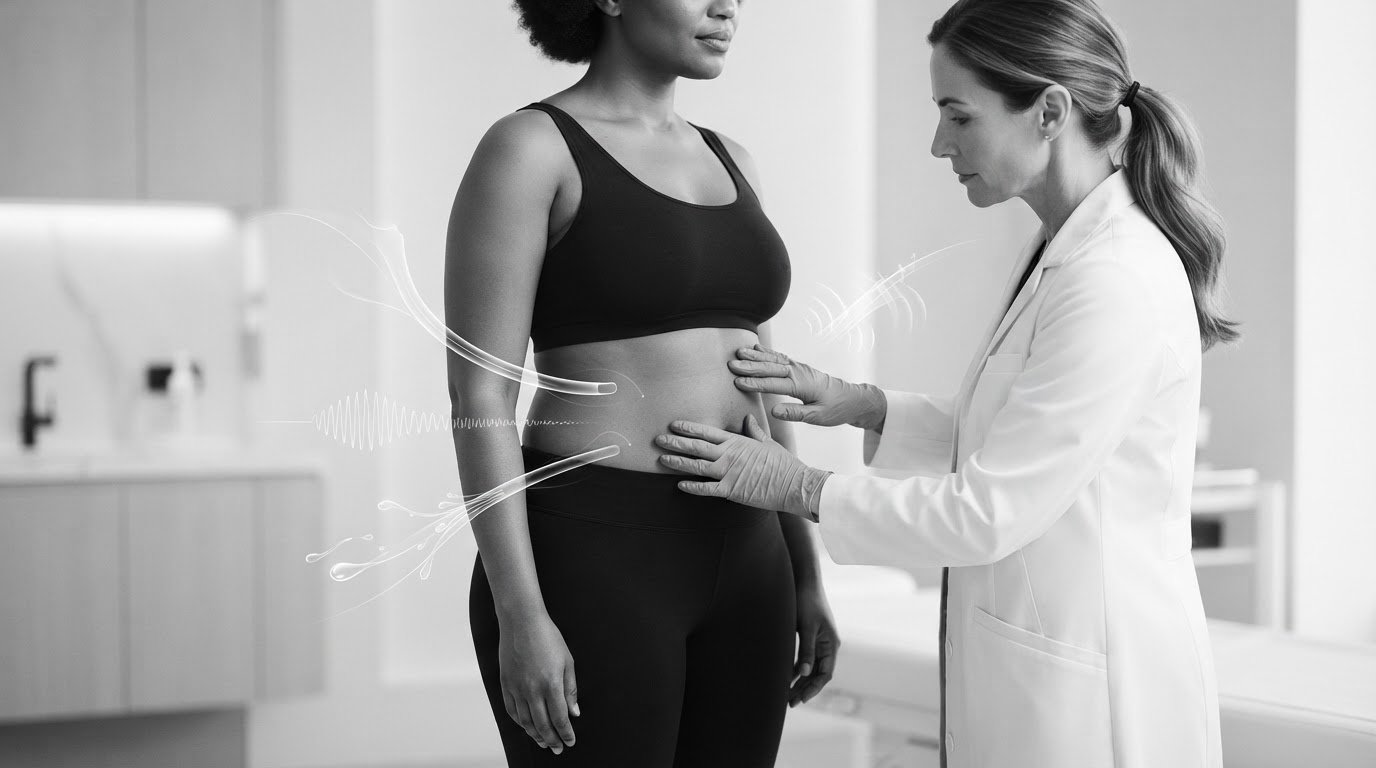
A fat transfer is a beautiful, integrative journey that involves two distinct surgical sites working toward a single aesthetic goal. While much of your focus is naturally on protecting the delicate cells in your breasts, we must also address the sensitivity of your donor areas, typically the abdomen, flanks, or thighs. This “double recovery” requires a balanced approach to ensure that your donor site heals smoothly without compromising the survival of your grafts. If your back or sides are tender from liposuction, finding a restful position can feel like a complex puzzle. Mastering how to sleep after fat transfer to breasts involves coordinating the care of both regions simultaneously, allowing your body’s natural healing intelligence to flourish in both areas.
The Role of Compression Garments at Night
Your compression garment is a vital tool for your recovery. Wearing it 24/7, including during sleep, is non-negotiable for proper skin retraction and to minimize fluid accumulation. Before you settle in for the night, take a moment to ensure the fabric is completely smooth against your skin. Any folds or bunches can leave permanent “crease” marks in the newly contoured donor area, as the tissue is quite malleable during this phase. During the first 48 hours, you may experience some drainage from the liposuction sites. Placing absorbent pads or an old towel over your sheets can help you manage this without having to disrupt your rest, keeping your sleep environment calm and restorative. This steady support protects the work done during your liposuction procedure while you focus on resting your upper body.
Movement and Mobility
Moving your body with intention is just as important as the position you sleep in. To protect your pectoral area and the newly placed grafts, you must avoid using your arms to “push up” from the bed. This action engages the chest muscles and can put unnecessary pressure on the fat cells during their critical integration phase. Instead, focus on using your core and legs for stability while keeping your upper body relaxed. A gentle, five-minute walk around your home before bed is also beneficial. This light movement supports healthy circulation and helps prevent stiffness or the risk of blood clots, ensuring your body remains a vibrant environment for healing.
The “log roll” method is a specific technique where you keep your torso straight and roll your entire body as one unit to transition out of bed, which protects both the donor and recipient sites from strain. By adopting these methodical habits, you support your body’s vital functions and ensure that both your new contours and your breast volume are protected throughout the night. Knowing how to sleep after fat transfer to breasts is ultimately about creating a sanctuary for your total-body wellness.

The Integrative Sleep Sanctuary: Tools for Restorative Healing
Rest is a biological mandate, not a luxury. During deep REM sleep, your body focuses its energy on repairing cellular structures and supporting the delicate “take” of your new fat cells. Creating a sanctuary that supports the body’s natural healing intelligence is just as important as the surgery itself. One of the most effective ways to reduce post-operative inflammation is to regulate your environment’s temperature. Keeping your bedroom between 65 and 68°F encourages a steady heart rate and minimizes the vasodilation that can contribute to swelling. When you master how to sleep after fat transfer to breasts, you realize that your bedroom environment is actually a vital extension of your clinical care.
Holistic Support for Post-Op Rest
Back sleeping can sometimes create unfamiliar tension in the neck and shoulders. We often recommend Magnesium as a natural muscle relaxant to help ease this discomfort and support a calm nervous system without the grogginess of pharmaceutical aids. Staying hydrated throughout the day is equally essential, though you should taper your intake in the evening to avoid disrupting your sleep cycles. Avoiding caffeine after midday keeps your internal environment stable and prevents cortisol spikes that can interfere with tissue regeneration. Simple calming rituals, such as deep breathing or gentle meditation, can further lower your stress hormones, providing a peaceful internal landscape where your “liquid gold” can flourish.
Essential Recovery Tools
Investing in the right tools can make the difference between a restless night and a restorative one. While an adjustable bed is the gold standard for precise positioning, a high-quality wedge pillow is a more accessible and highly effective alternative for maintaining the necessary 45-degree elevation. To protect your skin, which may feel more sensitive after surgery, consider using silk or satin pillowcases to reduce friction and irritation. If you share your bed with a partner or pets, a soft chest protector or a “mastectomy pillow” acts as a gentle shield against accidental contact during the night. These small adjustments provide a sense of security, allowing you to drift off without the fear of compromising your results.
For those seeking a truly patient-centered and holistic experience, you can schedule a consultation with Dr. Grossman to discuss how an integrative approach can protect your aesthetic investment and support your total-body wellness. By prioritizing your sleep hygiene today, you’re ensuring the long-term vitality of your natural enhancement.
Long-Term Results and Dr. Grossman’s Philosophy
The choices you make during your initial recovery don’t just affect your comfort today; they dictate the longevity of your enhancement for years to come. While the first few weeks are the most critical, the way you manage your body during the first 90 days essentially sets the stage for the next decade of your aesthetic health. Dr. Grossman’s philosophy is rooted in a deep respect for the body’s natural architecture. By providing an environment where your own fat cells can thrive, we achieve a harmonious volume restoration that moves and feels completely natural. Understanding how to sleep after fat transfer to breasts is a short-term commitment that yields a lifelong reward, ensuring your “liquid gold” remains a permanent part of your silhouette.
Consistent follow-up care is a cornerstone of our integrative approach. These appointments allow us to monitor the neovascularization process and ensure that your tissue health remains optimal. We view the recovery period as a partnership, where our clinical expertise meets your dedication to self-care. While the temporary shift to back sleeping may feel like a challenge, it’s a vital investment in your body’s healing intelligence. We don’t just want you to look different; we want your body to feel supported and optimized throughout the entire healing journey.
Graduating to Your Preferred Position
Next Steps with Dr. Grossman
Every individual’s anatomy and healing rhythm are unique. This is why we provide personalized, mentor-like support that guides you through every phase of your journey, from the initial harvest to the final integration. We’re here to demystify the complexities of how to sleep after fat transfer to breasts and offer practical solutions tailored to your life. If you’re ready to explore a path toward natural, health-forward enhancement, we invite you to take the next step in your wellness journey. Schedule your integrative consultation with Dr. Grossman today and discover how a holistic approach can empower your beauty and confidence through advanced fat grafting techniques.
Securing Your Natural Results Through Restorative Care
Your journey toward a more harmonious silhouette doesn’t end when you leave the surgical suite. It continues through every night of restorative rest as your body weaves new lifelines into your transferred fat cells. By prioritizing a supine position and creating an integrative sleep sanctuary, you’re actively supporting the neovascularization process that ensures your results are both beautiful and permanent. Learning how to sleep after fat transfer to breasts is a temporary adjustment that protects your “liquid gold” during its most vulnerable phase.
As a top-rated NYC surgeon serving patients nationwide, Dr. Grossman brings over 25 years of experience to every procedure. His pioneering expertise in fat grafting ensures that your recovery is managed with a personalized, whole-body approach that honors your natural healing intelligence. If you’re ready to explore a natural enhancement guided by a mentor-like practitioner who prioritizes your total wellness, we’re here to help you navigate every step of the process.
Book an Integrative Consultation for Natural Breast Augmentation
Trust in your body’s ability to heal and know that these quiet nights of back sleeping are the foundation of your lifelong confidence and natural beauty.
Frequently Asked Questions
How long do I have to sleep on my back after fat transfer to breasts?
You should plan to sleep on your back for at least 3 to 4 weeks following your procedure. This timeframe allows the newly transferred fat cells to establish a stable blood supply without the interference of external pressure. While some patients may receive clearance sooner, adhering to this window protects the delicate neovascularization process essential for long-term volume retention.
What happens if I accidentally roll onto my stomach during the night?
If you wake up on your stomach, simply reposition yourself onto your back immediately and check for any unusual discomfort or localized swelling. A single, brief instance of rolling over is unlikely to ruin your results, but persistent pressure can lead to fat necrosis or oil cysts. Using a pillow fortress as discussed earlier acts as a vital sensory reminder to stay supine.
Can I sleep on my side if I use a special pillow?
Even with specialized pillows, side sleeping is generally discouraged during the first month because it still places lateral pressure on the breast tissue. When you’re learning how to sleep after fat transfer to breasts, it’s safer to remain strictly on your back to ensure symmetrical graft survival. Special pillows are better used to support your back and neck while you remain in the gold-standard supine position.
How many pillows do I need for a proper post-op sleep setup?
A proper setup typically requires four to five pillows to ensure complete stability and comfort. You’ll need one large wedge pillow for 45-degree elevation, two long body pillows for your sides to prevent rolling, and one medium-firm pillow placed under your knees to relieve lower back tension. This multifaceted arrangement supports your body’s natural alignment while protecting the recipient sites from accidental compression.
When can I stop wearing the compression garment to sleep?
Most patients must wear their compression garment 24/7, including during sleep, for the first 4 to 6 weeks. This consistent support is necessary to manage swelling at the liposuction donor site and to encourage the skin to retract smoothly over the new contours. We’ll provide specific instructions during your follow-up visits regarding when you can transition to part-time wear based on your tissue’s healing intelligence.
Is it normal to have trouble sleeping due to donor site pain?
It’s very common to experience more sensitivity at the liposuction donor sites than in the breasts during the first week of recovery. This discomfort is a natural part of the inflammatory response as your body begins to heal the harvest areas. Using magnesium as a natural relaxant and maintaining a cool room temperature can help soothe this tenderness and allow for more restorative rest.
Can I take melatonin or other sleep aids after my fat grafting surgery?
Natural sleep aids like melatonin are typically safe to use, but you should always confirm this with our team during your pre-operative consultation. These supplements can support your circadian rhythm without the heavy sedative effects of traditional medications. When considering how to sleep after fat transfer to breasts, prioritizing natural solutions helps maintain a stable internal environment for your grafts to flourish.
How soon can I return to my normal sleep routine after breast fat transfer?
You can typically return to your preferred sleep routine, including side or stomach sleeping, after 6 to 8 weeks. By this point, the integrated fat cells have become a permanent part of your anatomy and are no longer at risk from standard physical pressure. We’ll monitor your progress closely during the first 90 days to ensure your grafts have fully matured before granting final clearance.