Skip to content
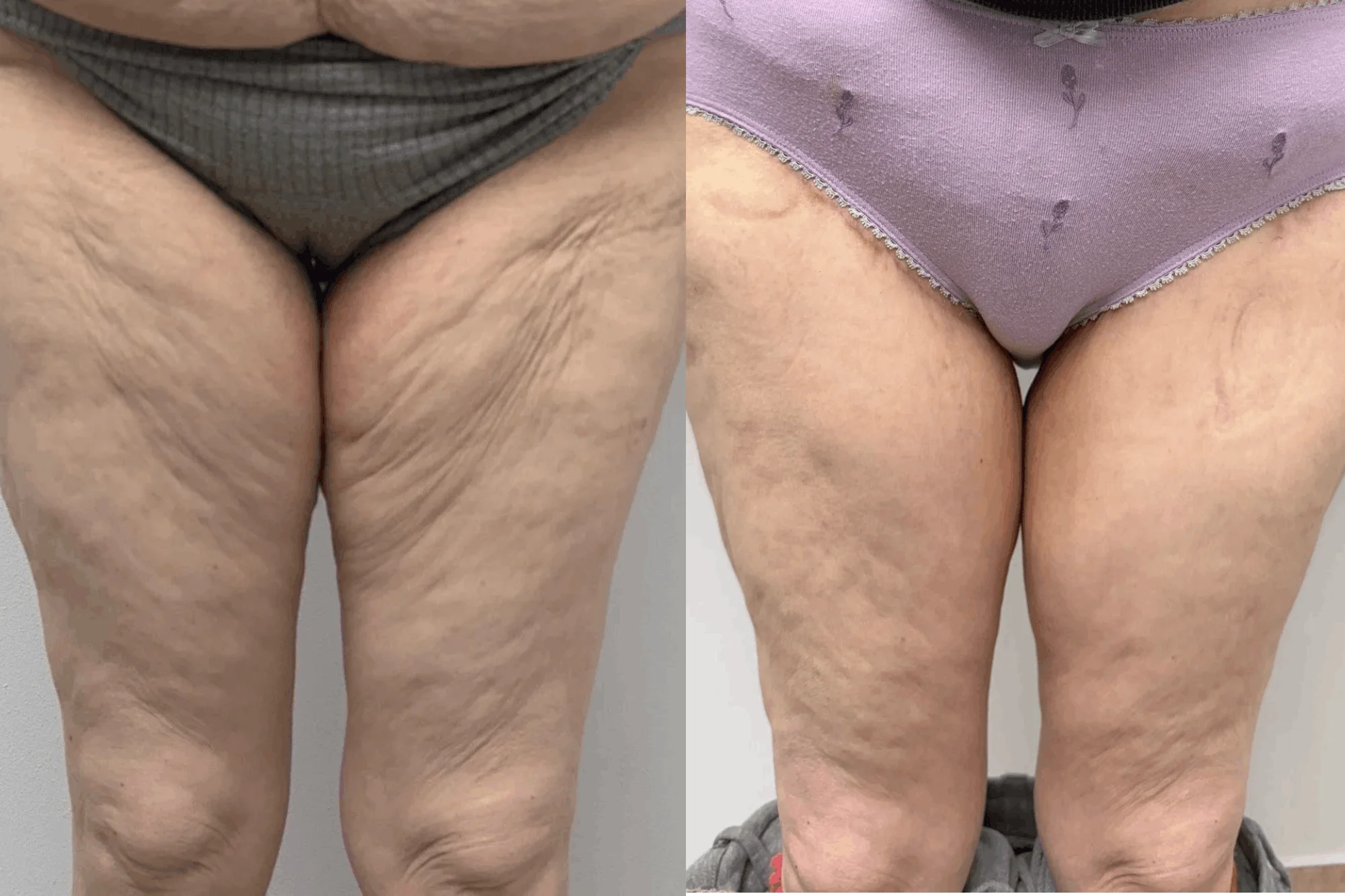
Table of Contents
Thigh lift before and after results can show the kind of change many patients are looking for after weight loss, aging, or loss of skin firmness: smoother inner thighs, less sagging, reduced rubbing, and a more balanced leg contour.
When exercise cannot correct loose skin, thighplasty offers a surgical option to remove excess skin and fat, tighten deeper support tissue, and reshape the thighs for a firmer, more proportionate appearance with results that feel aligned with the patient’s natural body shape.
What Before and After Photos Can Show
Before and after photos give patients a practical way to understand the type of improvement a thigh lift can provide. They can show how the inner thighs look once loose skin has been removed and the remaining tissues have been repositioned.
The most useful photos are often those that resemble the patient’s own body type and concerns. A patient with mild skin looseness may see a more subtle change. Someone who has lost a significant amount of weight may notice a more visible transformation since there is more excess tissue to remove.
Photos can also help patients understand scar placement, contour changes, and the gradual nature of healing. They should not be viewed as a promise of a specific result. A consultation is still needed to determine what is realistic for each patient.
Why Loose Inner-Thigh Skin Develops
The inner thighs are especially prone to loose skin because the tissue in this area can stretch and thin over time. Weight fluctuation, pregnancy, genetics, aging, and bariatric surgery can all contribute to sagging.
Following a weight loss, the body may become smaller, but the skin may not contract enough to match the new shape. This can leave folds that rub together when walking, exercising, or wearing fitted clothing. Some patients could also experience irritation, chafing, or discomfort due to skin-on-skin contact.
A thigh lift is a type of skin-tightening surgery that addresses loose tissue directly. Non-surgical treatments may offer mild firming for select patients, but they cannot remove significant excess skin. When sagging is moderate to severe, surgery is often the more appropriate option.
The Pre-Operative Consultation
The consultation is an important part of the thigh lift process because it helps determine if the procedure is suitable and what type of surgical plan is needed.
During the pre-operative consultation, Dr. Leonard Grossman reviews the patient’s medical history, current weight, skin condition, and personal concerns. He evaluates the inner-thigh area and discusses the patient’s goals, including comfort issues, cosmetic concerns, and expectations for recovery.
This step also allows patients to ask questions about the procedure, incision placement, healing, activity restrictions, and expected outcome. A clear plan helps patients feel more prepared before moving forward. It also allows Dr. Grossman to recommend an approach that fits the patient’s anatomy rather than using the same plan for everyone.
The Thigh Lift Procedure
The thigh lift procedure could typically take about two hours. Dr. Grossman begins by removing excess skin and fat from the inner thigh area. He then tightens the fascia layer over the muscle, which helps improve support beneath the skin. The remaining skin and fat are then redraped to create a smoother shape.
This process requires careful planning because the goal is not simply to remove tissue. The surgeon must also consider proportion, scar placement, skin tension, and how the thighs will heal over time.
One important part of Dr. Grossman’s technique is that he does not use drain tubes. Drains can be uncomfortable and may increase the risk of irritation or infection. Avoiding them can make the recovery process more comfortable for many patients.
No compression garments are typically required after surgery. This is another detail that can make recovery feel more manageable compared with procedures that require tight post-surgical garments for an extended period.
What to Expect After Surgery
Recovery is individualized, but Dr. Grossman’s technique is designed to make the early healing period more comfortable and less burdensome for patients. Many patients are able to walk immediately after the procedure, which can help support circulation during recovery.
Dr. Grossman’s approach also eliminates the need for drain tubes, compression garments, pillows, or routine narcotic pain medication in many cases. Discomfort is typically manageable, and patients are given clear postoperative instructions tailored to their specific procedure and healing needs.
Patients are often able to shower the next day and may resume driving within a few days, depending on how they are healing and Dr. Grossman’s guidance. Light activity is usually introduced gradually, while strenuous exercise and heavy lifting should be avoided until the patient is cleared to return to those activities.
Leg Lift Cost and What Affects Pricing
Patients often ask about leg lift cost during the research phase. Pricing can vary because each procedure is based on the patient’s anatomy and the amount of correction needed.
Several factors can affect cost, including the extent of loose skin, whether liposuction is included, surgical complexity, anesthesia, facility fees, and follow-up care. A patient needing a limited correction may have a different price than someone who requires a more involved post-weight-loss thigh lift.
The most accurate estimate comes from an in-person consultation. This allows Dr. Grossman to evaluate the thighs, explain the recommended plan, and provide pricing based on the actual procedure being considered.
Dr. Leonard Grossman’s Thigh Lift in NYC
Dr. Leonard Grossman is a plastic surgeon based in New York, NY, with more than 25 years of experience and over 12,000 successful operations. His work has been featured in television programs and publications, and his practice is known for a thoughtful approach to body procedures.
His thigh lift in NYC is often suited for patients who have loose or sagging inner-thigh skin after weight loss through diet, exercise, or bariatric surgery. These patients may feel that their thighs no longer reflect the progress they have made, especially when excess skin causes rubbing or discomfort.
During the procedure, Dr. Grossman removes excess skin and fat from the inner thighs, tightens the fascia layer over the muscle, and redrapes the remaining tissue. This method supports a smoother and more proportionate contour while keeping the result natural-looking.
He may also combine the procedure with liposuction when extra fat needs to be refined along with skin removal. Liposuction can support better inner thigh contouring, but it is not a replacement for skin removal when sagging is the main concern.
Ready to feel confident in your skin? Schedule a consultation today to discuss your body contouring goals.
Frequently Asked Questions
What can thigh lift before and after photos show?
Thigh lift before and after photos can show improvements in loose skin, inner-thigh contour, and overall leg proportion, though results vary by patient.
Who is a good candidate for thighplasty?
A good candidate for thighplasty is someone with loose or sagging inner-thigh skin, often after weight loss, aging, or changes in skin elasticity.
How long does Dr. Leonard Grossman’s thigh lift procedure usually take?
Dr. Grossman’s thigh lift procedure typically takes about two hours, depending on the patient’s anatomy and surgical plan.
Is downtime usually extensive after a thigh lift?
Recovery is individualized, but Dr. Grossman’s technique is designed to support a smoother recovery, with walking often possible soon after surgery.