Skip to content
What if the most effective way to restore your complexion isn’t by forcing a change, but by speaking the language of your body’s own regenerative cells? Many people feel a deep sense of hesitation when considering laser skin resurfacing. You might feel frustrated by sun damage or uneven texture, yet remain anxious about the idea of “burning” the skin or facing long, uncomfortable recovery times. With the sheer variety of CO2, Erbium, and Fractional options, it’s easy to feel more confused than empowered.
I want to reassure you that modern technology has evolved into a sophisticated, integrative tool. You’ll discover how these advancements work with your skin’s natural healing intelligence to restore texture, tone, and youthful resilience from the inside out. This guide demystifies the different laser types and explains the regenerative process so you can move forward with confidence. We’ll explore how to achieve smoother, firmer skin that looks naturally refreshed by supporting your body’s vital functions rather than fighting against them.
Key Takeaways
- Understand how modern light-energy therapy acts as a regenerative tool to remodel the dermis through precision bio-stimulation.
- Learn to distinguish between ablative gold standards for deep repair and non-ablative technologies that promote change from within.
- Discover the importance of matching specific laser wavelengths to your unique skin biology, particularly when addressing delicate zones like the eyelids.
- Redefine your recovery as an active period of cellular reconstruction that can be optimized through integrative nutrition and hydration.
- Explore how an integrative surgical perspective enhances laser skin resurfacing by aligning surface vitality with the body’s underlying structural anatomy.
Beyond the Surface: Understanding Laser Skin Resurfacing as a Regenerative Tool
Traditional approaches to laser skin resurfacing often emphasize the removal of damaged tissue as if it were a simple mechanical process. We prefer to view this technology through an integrative lens. Instead of focusing solely on “aggressive peeling,” modern techniques prioritize precision bio-stimulation. This shift represents a move toward supporting the body’s natural healing intelligence rather than overwhelming it with trauma. By using targeted light energy, we can initiate a profound remodeling of the dermis, the skin’s structural foundation, to restore its inherent vitality.
The success of any regenerative treatment depends on the depth and quality of the collagen response. Skin isn’t a static surface; it’s a living organ that responds to specific environmental cues. A skilled practitioner acts as a conductor, “tuning” the laser’s wavelength, pulse duration, and intensity to match your unique skin biology. This personalized calibration ensures that the energy delivered is exactly what your cells need to trigger renewal without causing unnecessary stress. When we optimize these settings, we create a harmonious environment for long-term skin health.
The Science of Controlled Micro-Injury
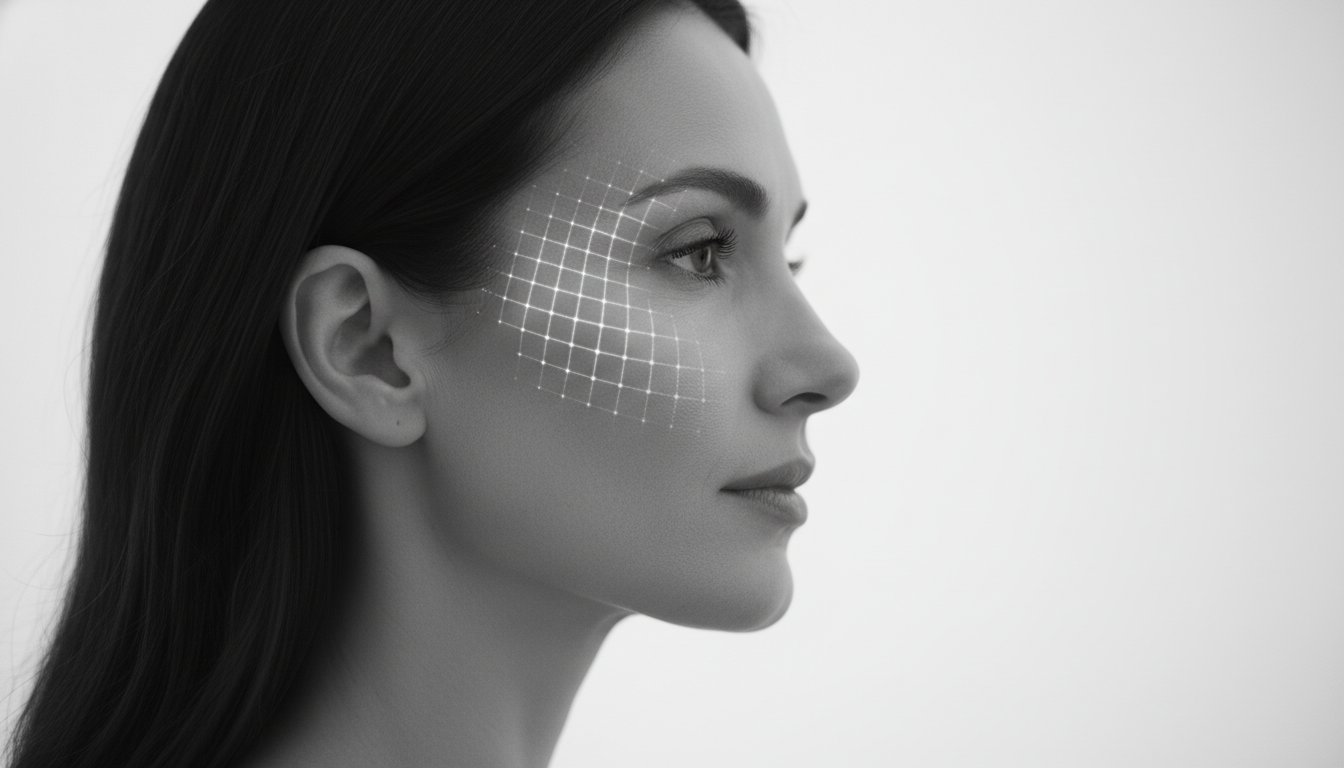
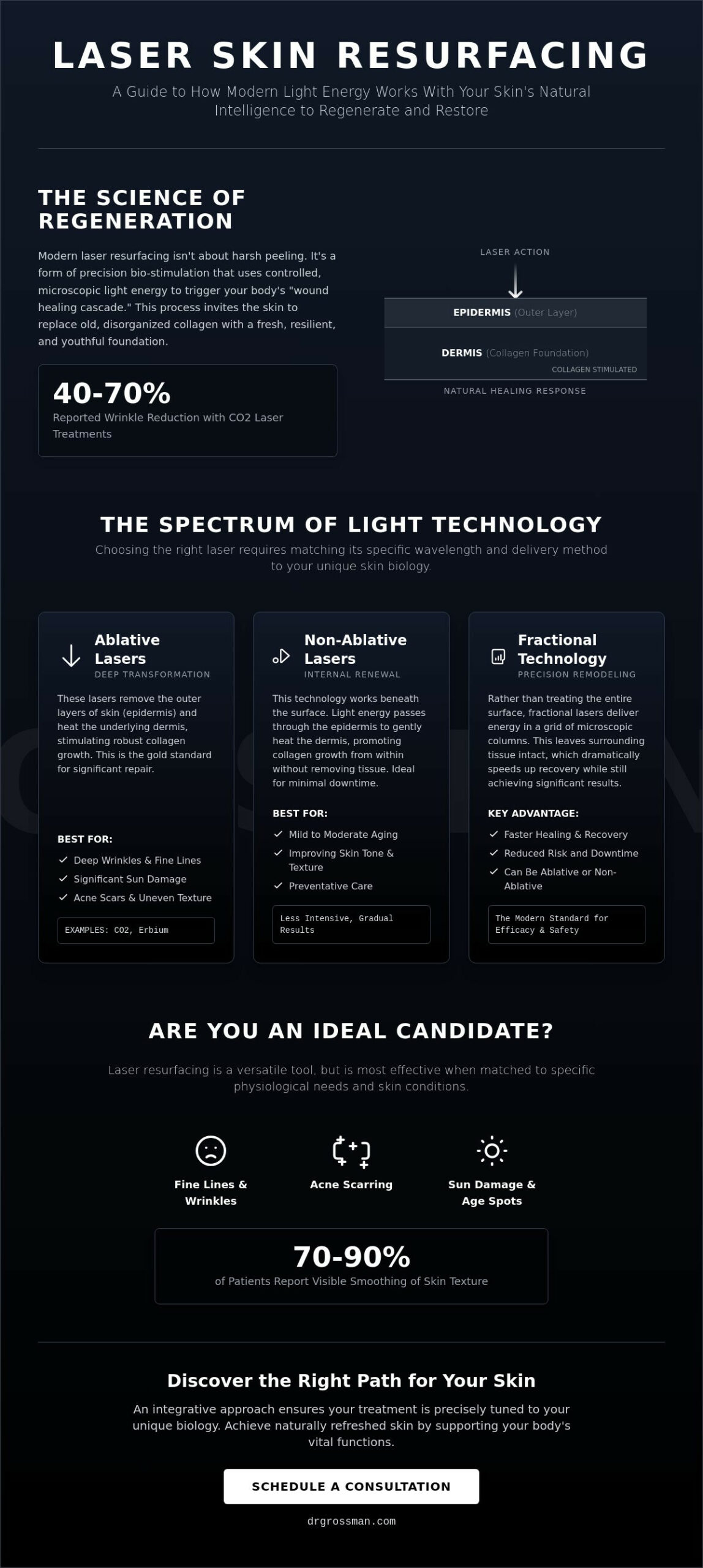
At the heart of skin regeneration is the concept of a “wound healing cascade.” Laser energy creates controlled, microscopic thermal injuries that signal the body to begin a process of active reconstruction. This isn’t the same as traditional trauma; it’s a strategic invitation for the skin to replace old, disorganized fibers with fresh, resilient collagen. This process of photorejuvenation works at a cellular level to slow down the visible signs of aging by maintaining the vital functions of the dermis. Clinical data shows that CO2 laser treatments can reduce wrinkles by 40-70%, demonstrating the power of this focused biological reset.
Who is the Ideal Candidate for Skin Regeneration?
While laser skin resurfacing is a versatile tool, it’s most effective when matched to specific physiological needs. Ideal candidates are often those seeking to address fine lines, acne scarring, or solar lentigines, commonly known as age spots. Studies report visible smoothing of the skin in 70-90% of patients following treatment, which highlights its efficacy for texture concerns. However, safety is our primary concern. We use the Fitzpatrick scale to assess skin type; this determines how your pigment-producing cells will react to light energy. It’s also essential to distinguish between surface texture issues and structural sagging. While lasers excel at refining the “canvas,” deeper structural changes may require a multifaceted, integrative approach to achieve total facial harmony.
The Spectrum of Light: Comparing Ablative, Non-Ablative, and Fractional Technologies
Choosing the right path for skin renewal requires an understanding of how light interacts with your unique physiology. Light isn’t a blunt instrument; it’s a precise language. By selecting specific wavelengths, we can communicate with different “chromophores” in the skin, such as water, melanin, or hemoglobin. In the context of laser skin resurfacing, we primarily target the water within your skin cells to initiate a controlled regenerative response. This targeted approach allows us to address specific concerns while respecting the surrounding healthy tissue.
According to the Mayo Clinic on laser resurfacing, these technologies are generally categorized by how they interact with the skin’s surface. Some methods are designed for deep, structural repair, while others prioritize a gentle, internal stimulation with minimal disruption to your daily life. If you’re unsure which technology matches your current skin vitality, a personalized laser skin resurfacing assessment can provide the clarity you need to move forward with confidence.
Ablative Lasers: The Deep Transformation
Ablative lasers are often considered the gold standard for addressing significant sun damage and deep wrinkles. These devices, which include CO2 and Erbium lasers, work by removing the outer layers of the skin while simultaneously heating the underlying dermis. This dual action triggers a robust collagen response. CO2 lasers are incredibly powerful for treating deep-seated texture issues, whereas Erbium lasers offer a higher degree of precision for fine lines with a slightly shorter recovery period. While the process is more intensive, the outcome is often a dramatic, single-session transformation that restores a youthful resilience to the skin’s architecture.
Non-Ablative and Fractional Solutions
For those who prefer a more gradual evolution or have limited downtime, non-ablative and fractional technologies offer a sophisticated alternative. Fractional technology was a true game-changer for patient safety. Instead of treating the entire skin surface, it delivers energy in a pixelated pattern. This leaves “bridges” of untouched, healthy tissue between the microscopic treatment zones, which significantly speeds up the body’s natural healing intelligence. Non-ablative lasers work entirely beneath the surface, stimulating collagen without wounding the top layer. This approach is ideal for younger patients or those looking to maintain vital functions through a series of gentle, cumulative sessions rather than one aggressive treatment.
Designing Your Treatment: Matching Laser Precision to Unique Skin Biology
One size never fits all in aesthetic medicine. Your skin’s biology determines how it absorbs energy and how efficiently it repairs itself. If we ignore these individual factors, we risk suboptimal results or unnecessary stress on the tissue. By matching the specific laser wavelength to your concerns, we can achieve a harmonious balance between correction and care. This integrative approach ensures that we aren’t just treating a symptom but are instead supporting the long-term vitality of your skin’s natural architecture.
Targeting Specific Concerns with Precision
Every skin concern has a different biological signature that requires a tailored response. For sun-damaged skin and “liver spots,” we target the excess melanin that’s accumulated over years of environmental exposure. When addressing the complex texture of acne scars, we rely on the laser’s ability to remodel disorganized tissue. Clinical studies report that these targeted treatments can lead to visible smoothing in 70% to 90% of patients. For fine expression lines and enlarged pores, we use refined precision to tighten the skin’s surface and encourage a more youthful, polished appearance without compromising the skin’s natural character.
The Integrative Consultation
The consultation is where we bridge the gap between your aesthetic goals and your skin’s physiological reality. We pay special attention to “delicate zones,” such as the eyelids and the area around the mouth. These regions require a nuanced touch because the skin is thinner and the underlying anatomy is more complex. We also consider how your whole-body health, including nutrition and hydration, impacts your healing capacity. As you begin this journey, it’s vital to identify the best plastic surgeon who understands these integrative principles. A seasoned expert will help you set realistic expectations, distinguishing between a healthy, vibrant “glow” and the deep structural changes that might require a more comprehensive approach.
The Integrative Recovery Path: Supporting Your Skin’s Natural Healing Intelligence
Recovery after laser skin resurfacing shouldn’t be viewed as a period of passive waiting. Instead, we see it as a vital phase of active cellular reconstruction. Your body is working tirelessly to build new, healthy tissue. To support this internal effort, we advocate for an “inside-out” approach. This means prioritizing deep hydration and a diet rich in collagen-building blocks like Vitamin C and amino acids. By nourishing your system, you provide the raw materials necessary for the dermis to remodel itself effectively. When we fuel the body correctly, we aren’t just healing; we’re optimizing the very foundation of your skin’s future vitality.
Managing the common anxiety regarding “social downtime” starts with a shift in perspective. While older technologies often left the skin raw for weeks, modern fractional methods significantly reduce this burden. You might experience a sensation similar to a sunburn, but this is a sign that your skin’s natural healing intelligence is engaged. If you’re ready to start your journey toward a naturally refreshed look, you can schedule a consultation for laser skin resurfacing to discuss a personalized recovery plan tailored to your lifestyle.
The Immediate Post-Treatment Phase
Redness and swelling are natural indicators that the healing cascade is in motion. During this critical window, your “baby” skin is exceptionally vulnerable to environmental stress. We recommend a “less is more” philosophy regarding topical products. Avoid harsh acids or retinols that might overwhelm the healing tissue. Instead, focus on soothing, non-toxic protocols that protect the skin’s delicate barrier. Sun avoidance is absolutely non-negotiable for at least 4 to 6 weeks. New skin lacks the melanin required to protect itself from UV damage. Exposure can lead to post-inflammatory hyperpigmentation, a risk that varies by skin type. Research shows an incidence of 5% to 10% in lighter skin types and 15% to 30% in darker skin tones, making consistent protection a top priority.
Long-Term Maintenance of Results
Elevating Results: Why an Integrative Surgical Perspective Matters
While laser skin resurfacing is a transformative tool for the skin’s surface, its true potential is realized when we consider the underlying anatomy. A surgeon’s deep understanding of facial structure ensures that light therapy isn’t just applied as a blanket treatment. Instead, it’s used to enhance the natural contours and vital functions of the face. This perspective allows us to see beyond the surface, recognizing that skin vitality is deeply connected to the health of the tissues beneath. By choosing a practitioner who prioritizes your long-term health over quick fixes, you ensure that your results are both safe and sustainable. Patients seeking a comprehensive plan for total facial renewal may benefit from exploring facial plastic surgery NYC options that integrate structural restoration with surface refinement.
True rejuvenation often requires a multidimensional approach that addresses both texture and volume. We find that combining light with volume creates a more harmonious and authentic outcome. For example, integrating fat grafting nyc techniques with laser treatments allows us to restore lost fullness while simultaneously refining the skin’s canvas. This synergy supports the body’s natural healing intelligence, providing the structural support needed for the skin to glow from within. When we nourish the deeper layers of the face, the surface reflects a more vibrant, resilient health.
Beyond the Laser: The Multi-Modality Approach
We often see the most remarkable transformations when we harmonize different modalities. Lasers can beautifully complement the results of a facelift or eyelid surgery by refining the skin that has been surgically repositioned. While surgery addresses the position of the tissue, laser skin resurfacing addresses the quality of that tissue. This distinction is vital for achieving a natural look; it prevents the “pulled” appearance that can occur when surface damage is left untreated. The Dr. Grossman philosophy is centered on this balance, ensuring that advanced technology works in concert with human biology to protect and optimize your appearance.
Your Next Steps Toward Skin Clarity
As you prepare for a consultation, I encourage you to look at your aesthetic goals through a whole-person lens. An “Elite” choice in care involves more than just identifying a wrinkle; it requires understanding how your lifestyle, nutrition, and anatomy interact. When you meet with a practitioner, come prepared with questions that address your specific skin biology and how an integrative plan can support your long-term wellness. We believe that every patient deserves a clear, methodical path toward renewal that respects their unique identity. If you’re ready to map out your own journey, we invite you to schedule a consultation to explore how these regenerative tools can restore your skin’s natural vitality.
Embracing Your Path to Lasting Skin Vitality
Modern skin rejuvenation is far more than a cosmetic correction; it’s a profound act of supporting your body’s natural healing intelligence. We’ve explored how laser skin resurfacing acts as a catalyst for deep dermal remodeling, turning back the clock by encouraging your cells to rebuild from within. By matching precise wavelengths to your unique skin biology and supporting the process through integrative nutrition, you can achieve a naturally refreshed look that honors your individual anatomy. This journey is about more than just surface texture; it is about harmonizing your appearance with your total body health.
With over 25 years of experience in pioneering integrative plastic surgery, our approach combines clinical precision with a compassionate understanding of whole-body wellness. We focus on customized protocols that prioritize your long-term vitality over temporary fixes. You deserve a plan that protects your skin’s health while restoring its youthful resilience. Our expertise in combining surgical precision with non-invasive light therapy ensures that every treatment is as unique as the person receiving it.
Begin your journey to radiant skin with a consultation at Dr. Grossman’s clinic.
Take the first step toward a complexion that reflects your inner health and vitality. Your skin has an incredible capacity for renewal, and we are here to help you unlock it with care and clinical excellence.
Frequently Asked Questions
Is laser skin resurfacing painful, and what does it feel like during the procedure?
Most patients describe the sensation of laser skin resurfacing as a series of quick snaps or a warm prickling feeling. We prioritize your comfort by using topical numbing creams and integrated cooling systems during the procedure. This approach ensures that the bio-stimulatory process remains a positive experience. While every individual’s sensitivity is unique, most find the modern process much more tolerable than older, more aggressive technologies.
How long does it take to see the final results after a laser treatment?
You’ll likely notice initial surface improvements within 10 to 14 days, but the final results emerge over three to six months. This duration allows the skin to complete its internal remodeling and collagen synthesis. Because we are supporting your body’s natural healing intelligence, the transformation is a gradual, healthy progression. Patience is key as your cells work to restore the structural integrity and youthful resilience of the dermis.
Can laser resurfacing fix sagging skin or “jowls” effectively?
Laser treatments primarily address surface texture, fine lines, and pigment rather than significant structural sagging or jowls. While the heat from the laser provides some modest tissue contraction, it cannot replace the lifting effects of a surgical procedure. For patients with significant laxity, we often suggest an integrative approach that combines skin refinement with structural support. This ensures we treat both the skin’s quality and its underlying position.
What is the difference between fractional CO2 and traditional CO2 lasers?
Traditional CO2 lasers remove the entire top layer of skin, while fractional CO2 lasers treat only a percentage of the surface in a pixelated pattern. By leaving small bridges of untouched tissue, fractional technology allows for much faster healing and reduced social downtime. This innovation has made laser skin resurfacing safer and more accessible for a wider range of patients while still providing significant clinical improvements in texture and tone.
Are there specific risks for patients with darker skin tones?
The primary risk for patients with darker skin is post-inflammatory hyperpigmentation, which occurs when pigment-producing cells overreact to thermal energy. Statistics show this risk is 15% to 30% for darker skin tones, significantly higher than for lighter types. We manage this by using specific wavelengths and pre-treatment skin conditioning. This careful calibration protects your natural pigment while still allowing the deeper layers of the skin to benefit from the regenerative light energy.
How many sessions of laser skin resurfacing will I typically need?
The number of treatments you’ll need depends on whether we use an ablative or non-ablative approach. A single session of an ablative CO2 laser can often achieve dramatic results for deep wrinkles and sun damage. However, gentler non-ablative or fractional treatments usually require three to five sessions spaced several weeks apart. We determine the ideal frequency by evaluating your skin’s thickness, hydration levels, and the specific concerns we are addressing.
Can I combine laser resurfacing with Botox or dermal fillers?
It’s very common to combine light therapy with Botox or dermal fillers to address different layers of facial aging. While the laser focuses on the skin’s surface vitality, injectables manage muscle movement and volume loss. We typically recommend waiting a specific period between these treatments to allow the skin’s inflammatory response to subside. This integrative strategy creates a more comprehensive and natural-looking rejuvenation by treating the face as a whole, living system.
What should I avoid doing immediately after my laser treatment?
Immediately following your session, you should avoid direct sunlight, hot showers, and any skincare products containing retinols or exfoliating acids. Your skin is in a state of active cellular reconstruction and needs a calm, protected environment to heal correctly. We advise using only approved, non-toxic moisturizers and physical sunblock. Avoiding strenuous exercise for the first 48 hours is also essential to prevent excess swelling and support the body’s vital functions.