Skip to content
Table of Contents
If you’re researching fat transfer in NYC, you’re likely comparing it to fillers, implants, or other volume-enhancing procedures. The appeal is obvious—using your own tissue to create a more natural result.
But here’s the reality: fat transfer is not just a “natural filler.” It’s a technique-sensitive procedure where outcomes depend heavily on surgical precision, patient anatomy, and how well the transferred fat survives.
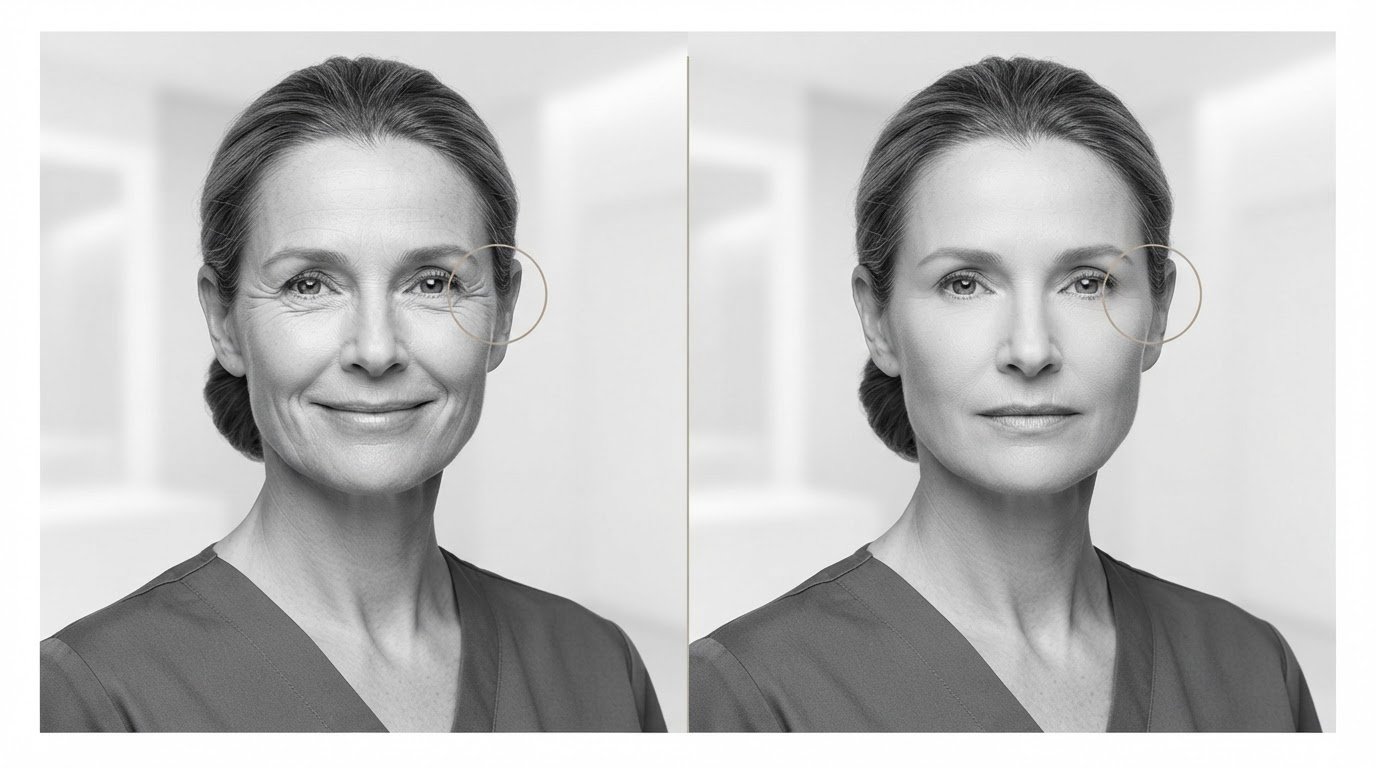
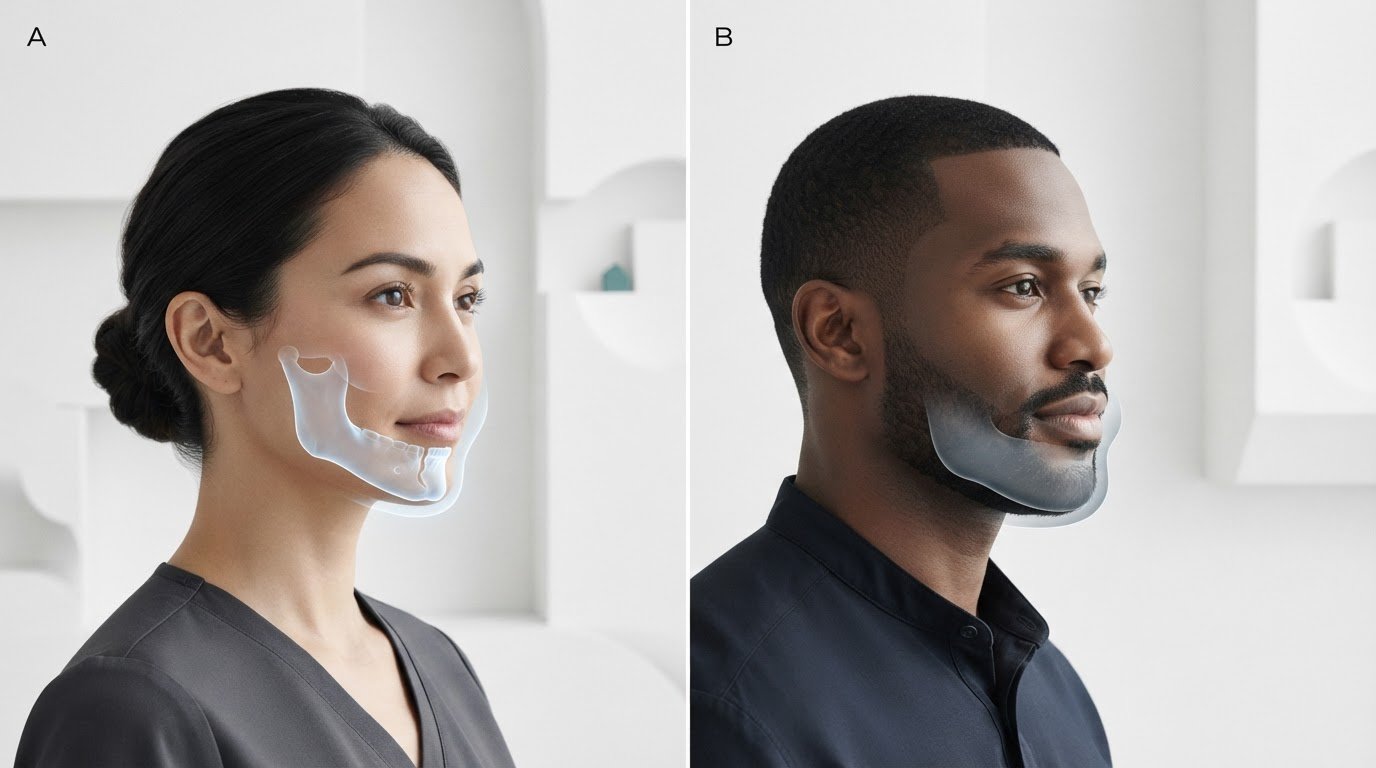
Dr. Leonard Grossman performs fat grafting for patients seeking natural-looking volume restoration and contour improvement in the face and body, including the cheeks, jawline, breasts, buttocks, calves, and hands.
What should patients know before choosing fat transfer in NYC?
Answer: Fat transfer in NYC is a procedure that uses your own fat to restore volume and improve contour in areas such as the face and body. It can be a strong option for patients who want natural-looking enhancement, but results depend on the treatment area, the quality of the donor fat, the surgeon’s technique, and how well the transferred fat survives during healing. A personalized consultation is the best way to determine candidacy, expected recovery, and whether fat transfer is the right fit for your goals.
What Is Fat Transfer (Fat Grafting)?
Fat transfer, also called fat grafting, is a procedure that moves fat from one area of your body to another to restore volume and improve contour.
The process involves:
- Removing fat from a donor area (not exclusively abdomen, flanks, thighs)
- Purifying and preparing the fat
- Injecting it precisely into the target area
The critical factor is fat survival. Despite the fact that Google says that half of the fat is supposed to die, it is wrong. This statistic comes from a number of studies where the surgeon’s experience was very limited. Dr. Grossman claims nearly 100% fat survival. The long-term result depends on how much of the graft successfully establishes blood supply.
This is why technique—not just the concept—determines outcome quality.
What Areas Can Be Treated With Fat Transfer?
Fat transfer is commonly used in both facial rejuvenation and body contouring:
Face
- Cheeks
- Temples
- Under-eye hollows
- Jawline
Body
- Breasts
- Buttocks
- Calves
- Hands
- Chest and contour irregularities
It’s also effective for correcting asymmetry or volume loss from aging, weight changes, or prior procedures.
Fat transfer can act as a longer-term alternative to fillers, but it is not interchangeable in every case. Some patients benefit more from a combination approach.
Who Is a Good Candidate for Fat Transfer?
You may be a strong candidate if you:
- Have enough quality donor fat for harvesting
- Want a natural alternative to implants or repeated fillers
- Prefer proportionate enhancement
- Have realistic expectations about variability in results
Patients who are very lean or seeking dramatic volume increases may not achieve predictable outcomes with fat transfer alone.
The goal is not just adding volume—it’s achieving balance that fits your anatomy.
Fat Transfer Recovery Timeline
Recovery varies depending on the areas treated, but most patients can expect:
- First few days: swelling, bruising, mild discomfort
- 1-3 days return to daily activities
- 10 days avoid strenuous exercise
- Several weeks: gradual reduction in swelling
You are recovering from both the liposuction of the donor site and the injection site, which is often overlooked.
Early healing matters. Excessive pressure, aggressive exercise, or poor aftercare can reduce fat survival.
When Will You See Results?
Fat transfer results evolve over time:
- Immediately: increased volume (partially swelling)
- Weeks 1–6: swelling decreases, some fat may be reabsorbed
- 3–6 months: final results stabilize
Only the fat that successfully integrates will remain long-term, permanently.
The surviving fat behaves like normal tissue, meaning it can respond to weight changes.
How Long Does Fat Transfer Last?
The portion of fat that survives is generally permanent.
However:
- Not all transferred fat may survive
- Results depend on technique and individual biology
- Weight fluctuations can affect the outcome
This is why experienced surgeons often plan for a conservative, staged approach when needed.
Is Fat Transfer Safe?
Fat grafting is considered extremely safe when performed by an experienced surgeon.
Key advantages:
- Uses your own tissue
- No risk of allergic reaction to foreign materials
- Minimal scarring
That said, safety is highly technique-dependent—especially in procedures like gluteal fat transfer. Proper anatomical knowledge and injection technique are critical.
Fat Transfer vs Fillers vs Implants
Patients often compare these options:
Fat Transfer
- Natural tissue
- Long-lasting
- Requires donor fat
- Variable survival with inexperienced surgeons
Dermal Fillers (NOT to be used in breasts EVER)
- Predictable, immediate results
- Temporary
- No surgery
Implants
- Fixed volume
- More invasive
- More complications
The right choice depends on your anatomy, goals, and tolerance for downtime and variability.
What Makes Dr. Leonard Grossman’s Approach Different?
Dr. Leonard Grossman has performed more than 12,000 fat grafting procedures over 25+ years, with a focus on natural and proportionate outcomes.
His approach emphasizes:
- Strategic placement for improved fat survival
- Avoiding overfilling and unnatural contours
- Detailed, pre-procedure planning
A distinctive element is incorporating patient-driven visualization, including drawings or AI-assisted imaging, to clarify goals before surgery. This reduces misalignment between expectation and outcome.
Questions to Ask at Your Consultation
To get real value from your consultation, ask:
- How much fat survival is realistic in my case?
- Do I have enough donor fat?
- What result should I expect after swelling resolves?
- Would a combination approach improve my outcome?
- How many sessions might I need?
Clear answers here prevent disappointment later.
Schedule Your Fat Transfer Consultation in NYC
Fat transfer is one of the most powerful tools for natural-looking enhancement—but only when applied appropriately.
If you’re considering fat transfer in NYC, the next step is a personalized evaluation of your anatomy, goals, and treatment options. For patients considering fat transfer in Brooklyn or Manhattan, choosing an experienced surgeon is an important part of achieving safe, natural-looking results.Schedule your consultation with Dr. Leonard Grossman to get clear, experience-based recommendations and a plan tailored to you. Stay connected with Dr. Grossman on Instagram and Facebook for before-and-after highlights and patient education.