Skip to content
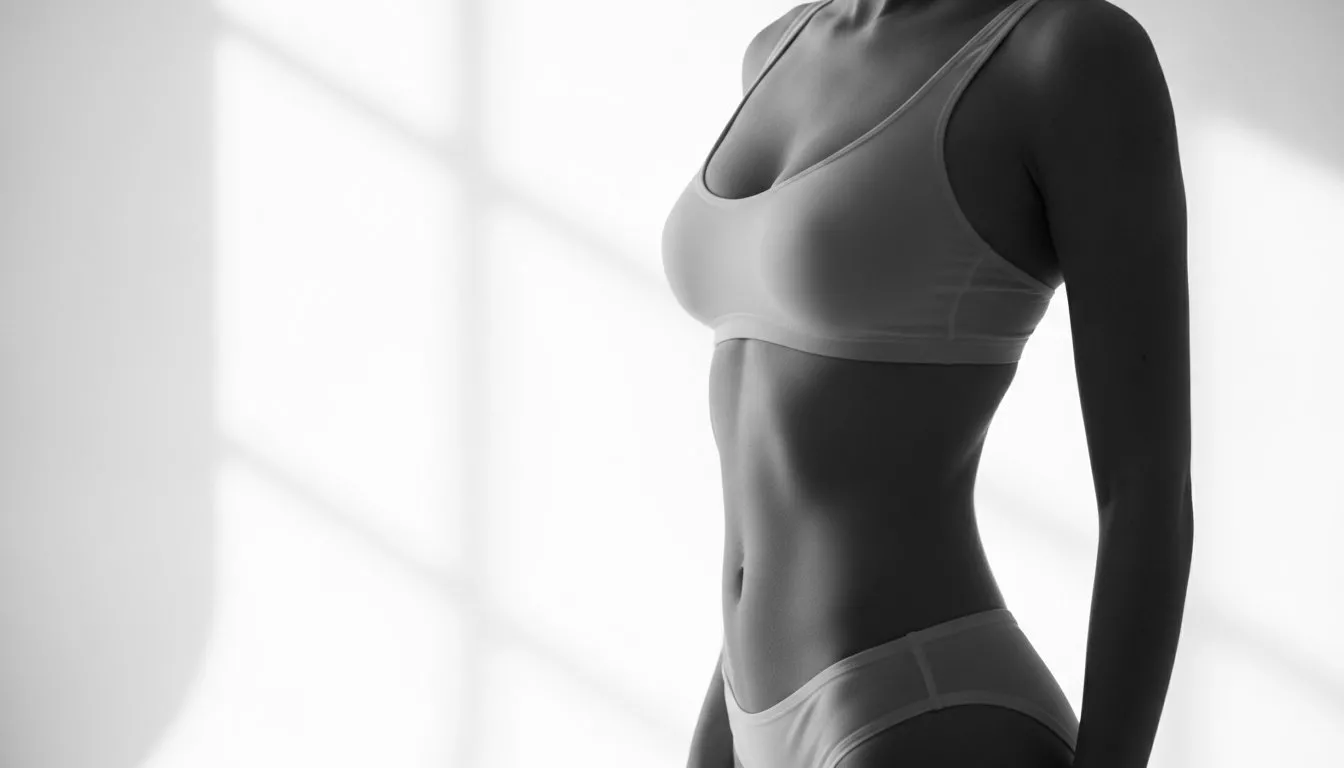
What if the most sophisticated material for enhancing your silhouette isn’t a synthetic implant, but your own living tissue? Many women are moving away from foreign materials due to concerns about “breast implant illness”; however, they often worry they lack enough “liquid gold” to achieve their goals. If you’ve asked how much fat is needed for breast transfer, you’re likely seeking a balance between natural aesthetics and clinical reality. It’s common to feel anxious about whether donor sites like the thighs or abdomen can provide the volume necessary for a visible change.
I agree that the conversion between CCs and cup sizes can be confusing. You deserve a clear explanation that respects your unique biology while providing the restorative results you envision. This guide will demystify the “fat math” and the vital survival rate of transferred cells. We’ll explore BMI requirements, purification techniques, and how an integrative approach to whole-body health ensures your results remain vibrant and permanent. By understanding how we nourish and protect these living grafts, you can move forward with confidence in your journey toward a more harmonious, natural silhouette.
Key Takeaways
- Understand the biological reality that only 60% to 80% of transferred fat typically becomes a permanent part of your body.
- Learn exactly how much fat is needed for breast transfer based on your unique BMI and available donor sites like the abdomen or thighs.
- Discover why achieving a one-cup size increase usually requires 150cc to 200cc of surviving fat per breast.
- Identify the integrative steps needed during the critical first 48 hours to nourish the “living seeds” of your new tissue and optimize nutrient absorption.
- Explore Dr. Grossman’s biocompatible approach that prioritizes whole-body vitality and natural harmony over synthetic alternatives.
The Math of Breast Fat Transfer: Harvested vs. Injected Volume
Understanding the biology of autologous fat transfer begins with viewing fat as a living, breathing community of cells rather than a static filler. This restorative procedure follows a rhythmic three-stage journey: gentle harvesting, meticulous purification, and precise injection. If you’re wondering how much fat is needed for breast transfer, the answer lies in the distinction between what we remove and what eventually thrives. We don’t just move volume; we transplant life.
Fat cells are delicate. Unlike synthetic implants that maintain a fixed shape, transferred fat depends entirely on its ability to establish a new blood supply within your breast tissue. Typically, between 60% and 80% of the injected fat remains permanent once the initial healing phase concludes. Because some cells won’t survive the transition, we must harvest roughly two to three times the amount of material we plan to eventually place. This ensures the final “take” provides the natural, soft volume you desire while supporting the body’s natural healing intelligence.
The Purification Process: Why Quality Matters More Than Quantity
The material collected during liposuction isn’t pure fat; it’s a mixture of healthy adipose cells, tumescent fluid, lidocaine, and oil from damaged cells. We use centrifugation or specialized filtration to separate these elements, focusing only on the most robust, viable cells. This stage is vital because impurities can cause inflammation or interfere with the nutrient absorption of the graft. By using gentle harvesting techniques, we preserve the integrity of the cell walls. Pure cells have a significantly higher chance of establishing a new blood supply, which is the foundation of a successful, long-lasting result.
Calculating the Total Volume Needed
To achieve a meaningful change, a surgeon might inject between 250cc and 400cc of purified fat into each breast during a single session. This sounds straightforward, but the math behind how much fat is needed for breast transfer involves the entire body. To yield 600cc to 800cc of injectable “liquid gold,” we often need to harvest over 1000cc of total material from your donor sites. Your final aesthetic result is determined by this “living take.” It’s not about the sheer volume injected, but about how many of those cells your body can successfully nourish and protect in their new environment.
Assessing Your Candidacy: Do You Have Enough Donor Fat?
Determining if you’re a candidate for this procedure begins with a gentle assessment of your body’s “living reserves.” While many believe they need to be significantly overweight to provide enough material, the ideal “sweet spot” for body mass index (BMI) is typically between 22 and 30. This range generally ensures enough subcutaneous fat is available to harvest while maintaining the healthy metabolic environment needed for the cells to thrive after relocation. If your BMI is on the lower end, you might wonder how much fat is needed for breast transfer to make a noticeable difference. Even athletic or thin individuals often have “pockets” of viable tissue that can be meticulously harvested by an experienced practitioner who understands the nuances of thin-patient fat harvesting.
Weight stability is a fundamental prerequisite for a successful outcome. Because fat cells expand and contract with your weight, we want to ensure we’re working with your body’s natural baseline. If you’re in the middle of a significant weight loss journey, it’s often best to reach your goal before proceeding. This ensures the volume we transfer reflects your long-term silhouette and that the newly placed cells aren’t immediately subjected to a caloric deficit, which could hinder their ability to establish a permanent home.
Primary and Secondary Donor Sites
The most reliable “gold mines” for high-quality donor material are the abdomen and the flanks, often called “love handles.” These areas tend to store hormone-resistant fat that maintains its volume well over time. The inner and outer thighs serve as excellent secondary sources, providing a significant volume of soft, harvestable tissue. A unique advantage of this process is that liposuction at these donor sites provides a dual benefit. We aren’t just enhancing the breasts; we’re simultaneously sculpting the donor areas to create a more contoured, balanced profile that highlights your natural vitality.
Metabolic Health and Fat Quality
The vitality of your adipose tissue is just as critical as the total amount available. When considering Fat transfer breast augmentation, we evaluate the “softness” or “fibrous” nature of the fat. Soft fat is often easier to harvest and has a better survival rate. Factors like smoking and poor nutrition can compromise the micro-circulation required for the “take,” making it harder for cells to establish a blood supply. By optimizing your nutrition and supporting your body’s natural healing intelligence, you improve the bioavailability of nutrients to the newly placed grafts. A personalized assessment is the most reliable way to determine how much fat is needed for breast transfer in your specific case while ensuring your whole-body wellness remains the priority. If you’re ready to explore your options, learning more about our sculpting techniques can be your first step toward a more harmonious silhouette.
Volume vs. Cup Size: Setting Realistic Expectations
One of the most common questions in our consultation room is how specific volumes of “liquid gold” translate to a physical bra size. While every woman’s anatomy is unique, a general biological rule of thumb is that 150cc to 200cc of surviving fat typically equals a one-cup size increase. It’s important to remember that we aren’t just placing a static object like an implant; we’re transplanting living tissue that must find a home. Most patients achieve a 1 to 1.5 cup size increase in a single session. If you are calculating how much fat is needed for breast transfer, you must account for the initial absorption phase. Practitioners often utilize a strategic “over-filling” technique, injecting slightly more than the target volume to ensure that once the body naturally reabsorbs some material, the remaining “take” meets your aesthetic goals.
The primary limitation to how much we can transfer at once is your “skin envelope.” Your breast tissue can only accommodate a certain amount of pressure before the delicate micro-circulation is compromised. If we inject too much fat into a tight space, the cells may not receive the oxygen and nutrients they need to survive. According to the American Society of Plastic Surgeons, respecting these physiological boundaries is what leads to the most natural, soft, and safe results. We prioritize the health of the tissue over sheer volume, ensuring your enhancement feels like a part of you.
The “Session” Approach to Augmentation
For women seeking a more significant transformation, such as moving from an “A” to a “C” cup, we often recommend a multi-session approach. Spacing procedures about six months apart allows the skin to gently expand and the blood supply to flourish. Interestingly, the first session often “primes” the area, creating a more vascular environment that supports even better fat survival during the second stage. This gradual path toward natural breast augmentation avoids the sudden, “operated” look often associated with large implants, favoring a subtle evolution that honors your body’s vitality.
Mapping CCs to Visual Results
To help you visualize how much fat is needed for breast transfer, consider this general framework for surviving volume:
- 150cc: A modest boost, perfect for filling out the upper pole or correcting minor asymmetry.
- 300cc: A full, noticeable cup size increase that enhances cleavage and overall softness.
- 450cc+: A significant enhancement that usually requires multiple sessions to ensure cell longevity.
Factors like your breast base width and existing tissue density will influence the final “look.” While implants provide more projection, fat transfer excels at providing upper-pole fullness and natural cleavage. It’s a restorative process that enhances your silhouette while maintaining the soft, moving quality of natural breasts.

Optimizing the “Take”: Integrative Preparation and Recovery
Achieving your aesthetic goals involves more than just calculating how much fat is needed for breast transfer; it requires a commitment to nourishing the new tissue once it arrives. Think of each transferred fat cell as a delicate seedling. For these seeds to grow and thrive, the “soil” of your breast tissue must be nutrient-rich and receptive. This biological connection is what we call the “take,” and its success depends heavily on your body’s natural healing intelligence during the initial recovery phase.
The first 48 hours are the most critical. During this window, the cells survive through a process known as plasmatic imbibition. This is a sophisticated way of saying they “drink” nutrients from the surrounding tissue fluids before new blood vessels have a chance to form. To support this vital absorption, you must strictly adhere to the “No Pressure” rule. Compressing the area with underwire bras or sleeping on your stomach can collapse the tiny spaces where these fluids flow, starving the grafts before they can establish a permanent home. We want to protect and optimize every CC of volume we’ve carefully placed. Every cell counts.
The Anti-Inflammatory Diet for Fat Survival
Your internal environment dictates the longevity of your results. A diet rich in Omega-3 fatty acids and antioxidants helps reduce graft-damaging inflammation, creating a calm landscape for vascularization. Hydration is equally essential. Water acts as the primary transport for cellular nutrients. We often recommend specific supplements that support tissue repair while carefully avoiding those that might increase bleeding risks. By nourishing your body from the inside out, you provide the bioavailable resources necessary for new blood vessel growth. This is the foundation of whole-body wellness.
Post-Operative “Graft Care” Protocol
Temperature regulation plays a surprising role in cellular health. Excessive heat from saunas or extreme cold from ice packs can damage the fragile cell walls of newly transferred fat. We also emphasize the absolute necessity of avoiding nicotine. Nicotine constricts blood vessels, effectively cutting off the oxygen supply to your new “seedlings.” Choosing an elite plastic surgeon ensures you receive a customized recovery plan that accounts for these integrative nuances. While a consultation helps determine how much fat is needed for breast transfer, your daily habits determine how much of that volume you keep. If you’re ready to prioritize your results, consulting with a practitioner who prioritizes whole-body health is the most effective way to protect your investment.
The Grossman Philosophy: A Biocompatible Path to Enhancement
Dr. Leonard Grossman’s approach is rooted in the fundamental belief that true aesthetic enhancement should never come at the cost of your internal harmony. By prioritizing autologous fat over synthetic implants, he honors your body’s natural composition and biological integrity. This biocompatible path ensures that every procedure supports “Body Vitality” and “Facial Harmony,” treating the breasts as part of a larger, living system rather than an isolated area. When patients ask how much fat is needed for breast transfer, the conversation shifts from mere numbers to the quality of the integration. This integrative fat grafting technique is designed to minimize common complications, such as fat necrosis, by ensuring each cell is placed into an environment where it can truly flourish and establish a permanent blood supply.
Choosing your own tissue means choosing a result that ages naturally with your body. Unlike implants that may eventually require replacement or cause systemic inflammation, your own fat cells remain a living part of you. They respond to your body’s natural rhythms, maintaining a soft, authentic feel that synthetic materials simply cannot replicate. This philosophy prioritizes long-term prevention and restorative aesthetics over quick, mechanical fixes.
Why Autologous Fat is the “Gold Standard”
Autologous fat is often considered the “gold standard” because it carries zero risk of rejection or “implant illness.” Since the material is your own tissue, your immune system recognizes and welcomes it, facilitating a smoother healing process. Beyond safety, there’s the undeniable benefit of texture and movement. Natural fat behaves like natural tissue because it is natural tissue. It moves with you, feels soft to the touch, and provides a level of comfort that is unmatched. Additionally, the procedure offers a unique form of total body rejuvenation. We aren’t just adding volume to the breasts; we’re simultaneously refining the donor areas through sculpting, creating a more balanced and vibrant silhouette that reflects your overall health.
Next Steps: Your Consultation
Your journey begins with a comprehensive clinical evaluation where we listen to your goals and assess your body’s “living reserves.” During this time, Dr. Grossman carefully evaluates the quality and quantity of your donor sites. He doesn’t use a one-size-fits-all formula to decide how much fat is needed for breast transfer. Instead, he looks at your unique anatomy, skin elasticity, and existing tissue density to calculate a bespoke volume plan. This consultation is an opportunity to demystify the process and align the procedure with your personal wellness goals. We encourage you to view this as a journey toward holistic self-confidence. You’re supporting your body’s natural healing intelligence to achieve a result that is both beautiful and restorative.
Embracing Your Natural Silhouette through Biocompatible Enhancement
Transitioning from synthetic options to a natural approach is a journey of reclaiming your body’s innate vitality. By now, you understand that the question of how much fat is needed for breast transfer is about more than just volume; it’s about the quality of the living cells and the health of the tissue receiving them. We’ve explored how a BMI between 22 and 30 often provides the ideal donor material and why the first 48 hours are essential for nutrient absorption. Every step of this process is designed to nourish and protect your own living tissue.
As a pioneer in autologous fat grafting, Dr. Leonard Grossman utilizes an integrative approach to ensure your surgical recovery is as restorative as the results themselves. He is nationally recognized for creating natural-looking results that harmonize with your unique anatomy. If you’re ready to see how your own “liquid gold” can transform your silhouette, Schedule a Consultation with Dr. Grossman to Determine Your Fat Transfer Candidacy. Your path toward a more balanced, vibrant self is a collaborative journey that honors your whole-body health. We look forward to supporting you through every phase of this transformation.
Frequently Asked Questions
Can I gain weight before the procedure to have more fat for the transfer?
Gaining weight intentionally is usually not recommended before the procedure. While it might seem helpful to provide more donor material, these “new” fat cells are often unstable. If you lose that weight after your surgery, the transferred cells will shrink along with the rest of your body. It’s much better to arrive at your natural, stable weight so your results remain consistent with your long-term biology.
What happens if I lose weight after a breast fat transfer?
Your transferred fat cells will behave exactly like the other fat cells in your body. If you experience significant weight loss after the procedure, these cells will shrink in volume, which can diminish the appearance of your augmentation. We emphasize weight stability because it protects the “living take” and ensures your new silhouette remains harmonious and vibrant for years to come.
Is 200cc of fat enough to see a difference in breast size?
Yes, 200cc of surviving fat is typically enough to achieve a visible and modest boost in size. This volume often translates to roughly one cup size increase, depending on your existing tissue density. When calculating how much fat is needed for breast transfer, we focus on this “surviving” volume rather than the total amount injected to ensure your expectations align with your biological reality.
How long does the transferred fat take to become permanent?
Transferred fat is generally considered a permanent part of your body after about six months. The first few weeks are essential for the cells to establish a blood supply, but once they are integrated, they function as living tissue. By the six-month mark, initial swelling has subsided. The cells that remain have successfully “taken” and will age naturally alongside your other tissues.
Can fat transfer fix breast asymmetry or tuberous breasts?
Fat grafting is a highly effective restorative tool for correcting breast asymmetry or tuberous breast shapes. Because the fat is a living, biocompatible material, we can place it with great precision to fill specific hollows or deficits. This allows us to sculpt a more balanced and symmetrical profile. It’s a gentle way to support your body’s natural harmony without the need for synthetic implants.
What if I don’t have enough fat on my stomach or thighs?
We can often identify several secondary donor sites if your abdomen or thighs don’t have enough volume. Fat can be harvested from the back, arms, flanks, or even around the knees. Dr. Grossman’s expertise in thin-patient harvesting means we can usually find enough “liquid gold” even in athletic individuals. Every body has unique reserves that can be utilized for a natural enhancement.
Does fat transfer to the breasts interfere with mammograms?
Modern fat grafting techniques are designed to avoid interfering with breast cancer screenings. When fat is placed into the subcutaneous layers rather than the breast gland itself, it is easily identified as separate from native breast tissue. You should always inform your radiologist about your procedure. This allows them to use the most precise imaging techniques to ensure your ongoing health and peace of mind.
Is the recovery for fat transfer easier than traditional breast implants?
Many patients find the recovery from fat transfer more manageable than traditional implant surgery because there are no large incisions or muscle disruptions. You will experience some soreness at the donor and injection sites, but the absence of a foreign object reduces systemic inflammation. When determining how much fat is needed for breast transfer, we also plan a recovery protocol that nourishes your cells and supports your vitality.