Skip to content
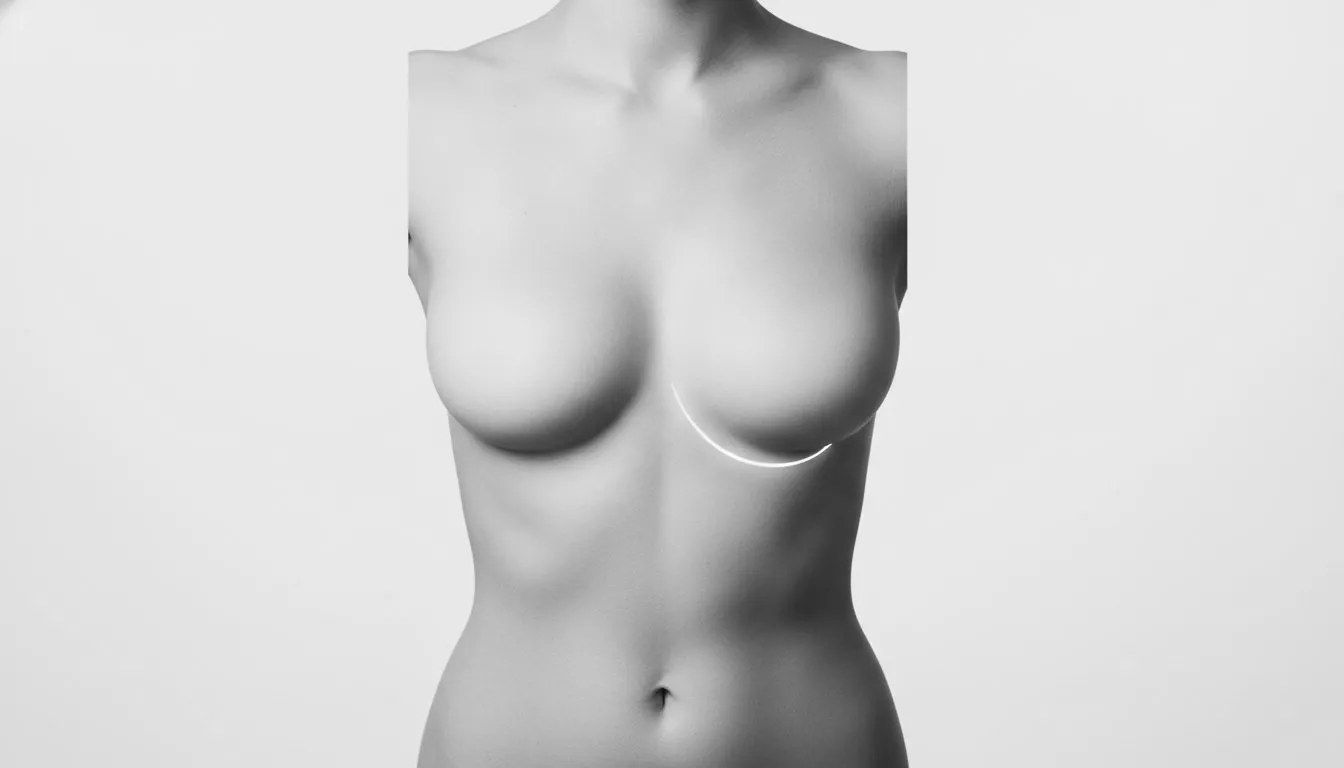
What if you could achieve the fullness of an implant and the soft, organic feel of your own tissue without a single incision ever touching your breasts? Many women find themselves caught between the desire for a fuller silhouette and the fear of visible surgical scars or the “rippling” effect of traditional implants. You deserve a path that respects your body’s integrity while fulfilling your aesthetic goals. By combining fat transfer with TUBA breast augmentation, we’ve developed an integrative approach that replaces surgical anxiety with a sense of empowerment.
Discover how the innovative combination of TUBA and fat grafting delivers voluminous, natural-looking breasts without a single incision on the breast tissue. In this guide, we’ll explore how using your own purified tissue supports a seamless, undetectable finish that traditional methods simply can’t match. You’ll gain a holistic understanding of the procedure, from the advanced fat purification techniques to the gentle recovery process. We’ll demystify how this hybrid technique supports your body’s natural healing intelligence to create a result that feels as natural as it looks.
Key Takeaways
- Understand how the TUBA method utilizes a single navel entry point to eliminate incisions on the breast, ensuring your surgical results remain entirely undetectable.
- Learn how combining fat transfer with TUBA breast augmentation provides an extra layer of autologous tissue to soften implant edges and prevent visible rippling.
- Discover the “Skin Pinch Test” used to assess your upper pole thickness and determine if you have sufficient donor fat for a successful hybrid procedure.
- Explore the two-step surgical process that pairs gentle liposuction with precise internal tunneling to harmonize your body’s natural contours.
- Gain insights into an integrative recovery path that focuses on nourishing newly grafted fat and supporting your body’s natural healing intelligence for long-term vitality.
The Synergy of TUBA and Fat Transfer: A New Era of Natural Breast Enhancement
Traditional surgical methods often present a difficult choice for women. Many feel they must decide between achieving their desired volume and accepting visible scars on their breast tissue. Dr. Grossman’s approach moves beyond these limitations by combining fat transfer with TUBA breast augmentation. This method represents a shift toward what we call Integrative Breast Enhancement. It is a philosophy that respects the body’s natural architecture by utilizing a single, hidden entry point and your own living tissue to create a harmonious, balanced result. By prioritizing the body’s integrity, we can achieve fuller proportions that look and feel entirely authentic.
What is TUBA Breast Augmentation?
TUBA, or Trans-Umbilical Breast Augmentation, is a specialized technique that bypasses the breast area entirely during the initial placement. Instead of making incisions on the chest, the surgeon creates a small, discreet entry point within the natural folds of the navel. A thin tunnel is carefully guided from the belly button to the breast pocket, allowing for the placement of a saline implant. These implants are inserted empty and filled with sterile salt water only once they are securely in position. This approach significantly reduces trauma to the delicate breast glands and nerves. Because the breast skin remains untouched by a scalpel, patients often experience a swifter, more comfortable recovery compared to traditional sub-mammary or periareolar techniques.
The Role of Fat Grafting in Hybrid Procedures
While the implant provides the foundational volume, fat grafting provides the soft, nuanced artistry. The process begins with gentle liposuction to harvest donor fat from areas where it is naturally more abundant, such as the abdomen or thighs. This tissue is then carefully purified to ensure maximum bioavailability, a term that describes how well the transferred cells can survive and integrate into their new home. In the context of a fat-graft breast augmentation, this autologous tissue acts as a “biologic filler.” It is meticulously placed around the implant to smooth the transition between the device and your natural chest wall. This extra layer of your own tissue effectively masks the edges of the implant and prevents the “rippling” often seen in very thin patients. By combining fat transfer with TUBA breast augmentation, we nourish the area with living cells that support a soft, organic feel that an implant alone cannot replicate.
This hybrid strategy is rooted in a commitment to whole-body health. It recognizes that the most beautiful results occur when we support the body’s natural healing intelligence rather than fighting against it. By avoiding breast incisions and using your own fat to optimize the contour, we provide a solution that is as much about your long-term wellness as it is about your aesthetic goals. This is the promise of the scar-free breast: a result that is yours alone, with no surgical markers to tell the story.
The Surgical Artistry: How the Procedure is Performed Without Breast Incisions
Achieving a harmonious, natural result requires a choreographed sequence that respects your body’s existing architecture. Unlike traditional surgeries that focus solely on the breast area, combining fat transfer with TUBA breast augmentation is an integrative process that addresses the whole silhouette. This approach allows us to sculpt the body in stages, ensuring that the final result feels like a natural extension of your own form. The procedure follows a methodical path designed to minimize trauma and maximize your body’s natural healing intelligence.
Harvesting and Refining Your Natural Resource
The journey begins with the collection of your own living tissue. We use gentle, low-pressure liposuction to harvest fat from donor areas like the abdomen or thighs. This specialized technique is vital because it protects the integrity of the fat cells, ensuring they remain viable for transfer. Once harvested, the fat undergoes a meticulous filtration process to remove impurities and excess oils. This purification ensures that only the healthiest, most robust cells are used to nourish your breast tissue. This stage offers a dual benefit: it subtly contours your donor site while providing the “biologic filler” needed to perfect your breast shape. By focusing on the bioavailability of these cells, we support long-term graft survival and a softer, more organic feel.
The TUBA Advantage: Navel to Breast
While the fat is being prepared, we begin the TUBA portion of the procedure. A small, discreet entry point is made within the natural folds of the navel. From here, we create a gentle tunnel that leads to the breast pocket. This method offers several distinct advantages for your recovery and long-term health:
- Muscle Preservation: We position the implant without unnecessarily cutting through the pectoralis muscle, which preserves your natural strength and reduces internal scarring.
- Tissue Integrity: Because we avoid incisions on the breast skin, the delicate glandular tissue and nerve endings remain undisturbed.
- Precise Customization: We use saline implants that are placed empty and then filled to the exact volume that complements your frame.
The final step involves the strategic “micro-grafting” of your purified fat. We carefully inject this tissue into the cleavage area and the upper poles of the breast. This final stage of combining fat transfer with TUBA breast augmentation allows for a level of customization that standard surgery cannot achieve. It smooths the transition between the implant and your chest wall, effectively masking any edges for an undetectable finish. If you’re curious about how this specific sequence might work for your unique anatomy, you can explore our integrative surgical approach to see if this path aligns with your wellness goals. This methodical transition from navel to breast ensures that your results are as enduring as they are beautiful.
Hybrid Breast Augmentation vs. Traditional Methods: Why Coverage and Contour Matter
When you’re considering enhancement, the goal isn’t just volume; it’s the quality and longevity of the result. For patients with low body fat, a traditional “implant only” approach can sometimes lead to visible edges or a “bolus” look that feels disconnected from the body. This is where the artistry of combining fat transfer with TUBA breast augmentation becomes a vital tool. We use a simple assessment called the “Skin Pinch Test” to evaluate the thickness of your natural tissue, specifically in the upper pole of the breast. If the pinch is thin, an implant alone might not have enough natural coverage to remain undetectable. Adding a layer of your own living tissue provides the necessary buffer to ensure the results look as natural as they feel.
Solving the Saline Ripple Concern
Saline implants are the cornerstone of the TUBA technique because they’re filled after placement, allowing for a much smaller, navel-based entry point. While safe and effective, saline can sometimes exhibit “rippling” or visible waves along the edges, especially in athletic women with minimal breast tissue. Fat grafting acts as a natural cushion. By layering your own purified fat over the saline device, we create a soft, seamless transition. This “softness factor” transforms the feel of the breast, making it nearly impossible to distinguish from natural tissue. It also allows us to nourish the cleavage area, providing a subtle, graceful boost that implants alone often struggle to achieve without looking artificial.
Weight and Longevity: The Benefit of Smaller Implants
One of the most significant long-term benefits of this hybrid method is the ability to use smaller implants. By adding volume through fat grafting, we can achieve your desired cup size without the burden of excessive weight. Heavy implants can lead to premature sagging, or ptosis, as gravity pulls on the breast tissue over time. Using a smaller implant supported by living tissue protects the structural integrity of your chest wall. It’s a proactive choice for your future self. When combining fat transfer with TUBA breast augmentation, we’re not just adding size; we’re optimizing the weight distribution of the breast. Integrative surgery focuses on long-term structural integrity over short-term volume. This approach ensures your results remain graceful and athletic for years to come while supporting your body’s natural healing intelligence.

Determining Your Candidacy: Is the Combination Approach Right for Your Body?
Deciding on a surgical path is a deeply personal journey that begins with a thorough understanding of your unique anatomy. While many women are drawn to the idea of combining fat transfer with TUBA breast augmentation, the first step is a clinical evaluation of your existing tissue quality. We utilize the “Skin Pinch Test” to measure the thickness of the upper pole of your breast. Generally, if the tissue pinch is less than 20 millimeters, your body will benefit significantly from the added coverage provided by fat grafting. This ensures the implant remains hidden beneath a healthy layer of your own living cells, supporting a result that is both soft and undetectable.
The Ideal Candidate Profile
The most successful outcomes often belong to women who seek a modest yet meaningful enhancement. If you’re looking for a 1 to 1.5 cup size increase and prioritize a completely scar-free breast, this hybrid approach is likely your best path. We often encounter the “skinny-fat” paradox, where even lean patients possess enough donor fat for a successful transfer. Because we only need a strategic amount of high-quality tissue to nourish the cleavage and upper poles, small deposits in the abdomen or outer thighs are usually sufficient. This allows us to sculpt your donor site while simultaneously optimizing the contours of your breasts.
Potential Limitations to Consider
It’s vital to approach this procedure with a focus on your body’s natural healing intelligence. While the results are transformative, there are factors that can influence the longevity of the graft. Research indicates that typically 50% to 70% of transferred fat survives long-term. This means that patients seeking “extreme” volume or maximum projection may still require traditional methods. Your lifestyle choices also play a significant role in your results. For instance, nicotine use introduces oxidative stress that can compromise the bioavailability of the fat cells, making it harder for them to thrive in their new environment. Additionally, if you’ve had previous breast surgeries, the TUBA pathway must be carefully evaluated to ensure the internal tissues can support the new placement. If you’re ready to discover how your anatomy can be harmonized through this technique, you can schedule a personalized consultation to discuss your specific goals. Understanding these nuances helps replace anxiety with a sense of agency as you move toward your desired silhouette.
An Integrative Path to Recovery: Supporting Your Bodys Natural Healing Intelligence
Recovery is not merely a period of waiting; it’s an active, vital phase where you partner with your body to ensure the best possible outcome. When combining fat transfer with TUBA breast augmentation, your system manages two distinct healing sites simultaneously. The donor areas, where gentle liposuction was performed, require a different type of care than the recipient sites in the breasts. By adopting a whole-body health perspective, we can optimize the environment in which your new tissue thrives. This integrative approach replaces the traditional “wait and see” mindset with a proactive strategy that supports your long-term vitality.
The donor sites typically require the use of specialized compression garments. These tools are essential for soothing the tissues, reducing fluid accumulation, and helping your skin conform beautifully to its new, sculpted contours. While the donor sites benefit from gentle pressure, the breasts require the exact opposite. We must protect the newly grafted fat from any compression to allow the delicate process of revascularization to occur undisturbed. This careful balance ensures that both areas heal in harmony with your body’s natural rhythms.
Protecting the Graft: The First 30 Days
The first month is the most critical window for the survival of your transferred fat cells. During this time, the body works to establish a new blood supply to nourish the living tissue. You’ll need to avoid sleeping on your chest or wearing restrictive underwire bras that could impede this delicate process. Maintaining a stable weight is also paramount. Significant fluctuations can stress the newly integrated cells before they’ve fully settled. Bioavailability in this context refers to the efficiency with which nutrient-rich blood flow reaches and sustains the newly transplanted fat cells. By keeping your circulation robust and your pressure points clear, you give every cell the best chance to flourish and remain a permanent part of your silhouette.
Holistic Support for Surgical Success
Your nutritional choices serve as the foundation for your recovery. We recommend a diet rich in anti-inflammatory foods, such as leafy greens, wild-caught fish, and colorful berries, to help soothe post-operative swelling and support tissue repair. Proper hydration is equally important, as it maintains the elasticity of the skin and aids in the efficient transport of nutrients throughout the body. This is where Dr. Grossman’s personalized approach truly shines; we don’t just look at the surgical site, but at the woman as a whole. For deeper insights into how you can optimize your body’s response to this procedure, you can consult our Ultimate Guide to Fat Grafting. By combining fat transfer with TUBA breast augmentation and a dedicated wellness plan, you aren’t just changing your appearance; you’re investing in a healthier, more confident version of yourself.
Embracing a Future of Undetectable, Natural Confidence
Choosing to enhance your silhouette shouldn’t mean compromising your body’s natural integrity or accepting visible surgical markers. By combining fat transfer with TUBA breast augmentation, you’re opting for a path that respects your anatomy through a single, hidden navel entry. This hybrid technique ensures that your results aren’t just voluminous, but also soft and authentic to the touch. We’ve explored how your own purified tissue acts as a biologic shield, masking implant edges and supporting your long-term whole-body health. It’s a method that prioritizes your wellness as much as your aesthetic goals.
Dr. Grossman is a pioneer in TUBA surgery and a specialist in high-survival fat grafting, dedicated to providing compassionate, holistic surgical care that empowers every patient. You don’t have to navigate these choices alone. Schedule your integrative consultation with Dr. Grossman to discuss your scarless breast enhancement journey. Taking this step allows you to replace uncertainty with a sense of agency and hope. Your path to a more confident, naturally beautiful self is ready to begin, supported by decades of expertise and a commitment to your total well-being.
Frequently Asked Questions
Is fat transfer to the breasts permanent?
Yes, the fat cells that successfully integrate into their new environment are permanent. Once these cells establish a blood supply through revascularization, they become a living part of your breast tissue. Clinical data indicates that typically 50% to 70% of the transferred fat survives long-term. These surviving cells will respond to your body’s natural weight fluctuations just like the fat in any other area of your body.
Will the TUBA procedure leave a visible scar in my belly button?
The incision for the TUBA approach is meticulously placed within the deep, natural folds of the navel. This strategic positioning ensures that once the area has healed, the mark is virtually invisible to the naked eye. Because we utilize this single umbilical entry point, your breasts remain entirely free of surgical scars, preserving the organic beauty of your skin.
How much fat is typically transferred during a hybrid augmentation?
When combining fat transfer with TUBA breast augmentation, the volume of fat used is tailored to your specific anatomy and goals. We generally transfer between 150cc and 300cc of purified fat per breast. This amount is optimized to provide a soft, natural layer of coverage over the saline implant, ensuring the edges are undetectable and the cleavage area looks nourished and full.
Can I combine a breast lift with TUBA and fat transfer?
A traditional breast lift involves removing excess skin through incisions on the breast, which is a different philosophy than the scarless TUBA approach. For patients with mild skin laxity, the internal structure provided by the implant and the strategic placement of fat can offer a subtle, rejuvenating lift. If your goal is significant lifting, we’ll discuss an integrative plan that balances your desire for volume with the need for structural support.
What happens if I lose weight after the fat transfer?
Because the transferred tissue is composed of your own living cells, it behaves exactly like the fat in your donor sites. If you experience significant weight loss, those fat cells may shrink in size, which could lead to a slight reduction in breast volume. We encourage patients to reach a stable, healthy weight before the procedure to protect the long-term consistency of their results.
Is the TUBA approach safer than traditional breast augmentation?
The TUBA method is often seen as a gentler alternative because it avoids direct trauma to the breast’s glandular tissue and nerve endings. By entering through the navel, we significantly reduce the risk of nipple sensation loss and avoid cutting through the pectoralis muscle. This preservation of your natural architecture supports a swifter recovery and respects your body’s natural healing intelligence.
How soon can I return to exercise after a combined TUBA and fat grafting procedure?
Most women feel comfortable enough to resume light walking within three to five days. However, you should avoid strenuous upper-body exercise and high-impact activities for at least four to six weeks. This period is vital to ensure the newly grafted fat is not disturbed by muscle contractions or pressure, allowing the cells to optimize their bioavailability and settle permanently.
Does fat grafting interfere with mammograms or cancer detection?
Current fat grafting techniques, when performed by an expert, do not typically interfere with breast cancer screenings. While fat transfer can occasionally cause small calcifications, experienced radiologists can easily distinguish these from suspicious masses. Combining fat transfer with TUBA breast augmentation is a recognized method, but you should always inform your mammography technician about your history so they can use the most effective imaging views for your anatomy.