Skip to content

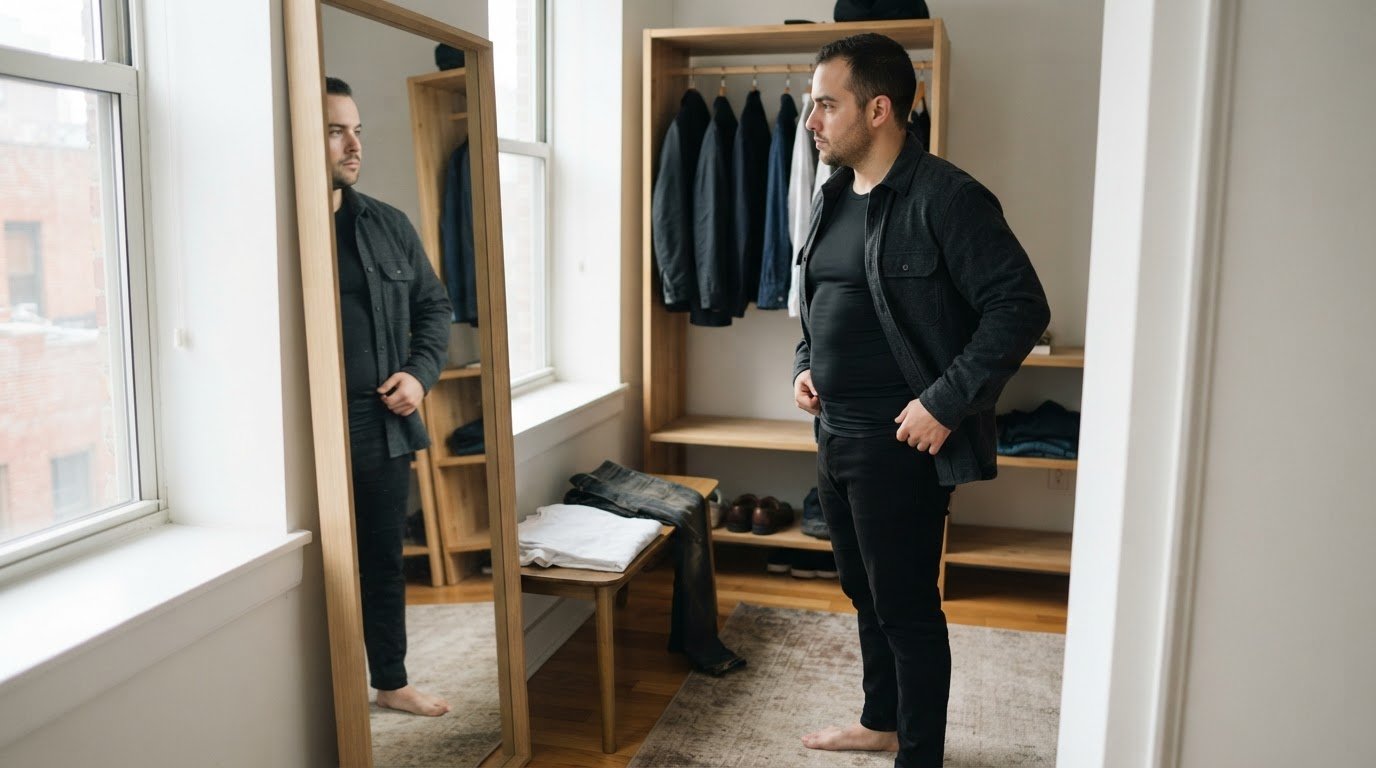
An oversized shirt can make a fuller chest more noticeable, rather than less. To learn how to hide gynecomastia, start with a correctly sized compression shirt or a well-fitting, structured top. Heavier, matte fabrics and darker colors can also soften the chest’s outline.
It’s understandable to want clothing that helps you feel more at ease, but concealment and treatment are different things. Gynecomastia is excess breast tissue. Common causes include hormonal changes, some medications, and puberty; extra chest fullness can also be related to being overweight. In some cases, an underlying health issue may contribute.
This guide explains how compression, fabric weight, fit, color, and texture affect chest visibility, with practical ideas for dressing at the gym and in professional settings. It also covers common causes of enlarged male breasts, so you can better understand when clothing strategies may help and when it may be useful to learn more about the underlying cause.
Key Takeaways
- Choose compression that fits accurately rather than sizing down, and consider how a compression shirt differs from a regular undershirt.
- Use fabric structure, a comfortable fit, and thoughtful color or texture choices to soften chest outlines.
- Plan outfits for the gym or work, then see how they look when you move, sit, and raise your arms.
- Learn how hormonal changes, medications, and other factors can contribute to enlarged male breasts, and when gynecomastia surgery may be a next step.
1. Do Compression Shirts Actually Hide Gyno?
Compression garments can make an enlarged chest less noticeable by applying pressure and smoothing its outline. They don’t remove breast tissue, but a well-fitting layer can help clothing sit more evenly. For example, a compression shirt beneath a work shirt may reduce visible movement and create a flatter profile.
A compression tank covers the torso without sleeves, making it a practical base layer beneath short-sleeved shirts. A compression shirt adds sleeve coverage and may stay in place during exercise or daily activity. Compression vests offer another option, with a broader panel across the chest. Choose a style that feels comfortable beneath the clothes you plan to wear.
Regular undershirts absorb sweat and reduce friction, but usually don’t apply the same firm pressure as compression shapewear. Shapewear is designed to smooth the torso, while compression shirts focus on a closer, more supportive fit. A standard undershirt may work beneath a structured shirt, but is less likely to flatten chest contours on its own.
For the best fit, follow the garment’s sizing guidance instead of automatically buying a smaller size. A too-tight layer can roll, dig into the skin, or make breathing uncomfortable. Try it beneath your usual shirt, then sit, reach, and walk to see whether it stays smooth. Compression shirts and vests can also help conceal the chest during physical activity.
Chest binders can compress the chest, but they shouldn’t cause pain or make breathing difficult. There isn’t one wear duration that suits everyone. Follow the garment’s directions and remove it if you feel discomfort, numbness, or restricted breathing.
Tape may irritate or injure skin, especially if pulled tightly or removed forcefully. Tight compression can also cause discomfort and restrict breathing or movement. Avoid wrapping tape around the chest, and stop using any method that causes pain, skin changes, or difficulty taking a full breath.
2. How fabric weight, weave, stretch, fit, color, and texture affect chest visibility
Clothing that drapes away from the body can soften chest contours without adding excessive bulk. Try a matte, tightly woven cotton shirt with a straight cut instead of thin, clingy jersey. A little ease through the chest lets the fabric fall smoothly; an oversized shirt can fold and billow, drawing attention instead. Dark or neutral colors usually create less visual contrast than white or pale shades.
Fabric weight offers a useful starting point, though it can’t guarantee concealment. Fabric under 160 GSM is very light and may follow the chest, especially when stretchy or pale. At 160–200 GSM, fabric has light-to-medium structure and can work with a relaxed cut and matte surface. Shirts in the 200–240 GSM range offer more substantial drape without becoming extremely heavy. A 230 GSM T-shirt may hold its shape better than a lightweight tee, while fabric above 240 GSM can feel warmer or bulkier.
Weave and stretch affect how fabric sits. A tightly woven shirt tends to hold its shape better than a loose, thin knit. High-stretch fabric can pull across the chest and outline contours, so a non-clingy shirt with moderate ease is often a better choice. Check the fit at the shoulders and chest, then raise your arms. Fabric that pulls taut may reveal more than a comfortable, structured cut.
Texture and pattern can break up the chest’s outline. Small, low-contrast checks or subtle heathering can draw the eye across the garment rather than toward one area. A second layer, such as an open overshirt over a matte T-shirt, adds structure. Avoid a tight outer layer, which can compress both garments and highlight the shape beneath.
A new chest lump should be evaluated by a healthcare professional, especially if it causes discomfort or emotional distress. A medical assessment can help determine whether the enlargement is gynecomastia and inform appropriate treatment options.
3. Concealment at the gym and in professional settings
At the gym, choose a top that allows full movement without pulling tightly across the chest. A compression shirt beneath a breathable workout shirt can provide a smoother base layer. If you prefer one layer, choose a structured athletic shirt that doesn’t cling when you bend or stretch. To hide gynecomastia during exercise, test your outfit with familiar movements, such as reaching overhead or using a rowing machine, since activity can shift fabric across the chest.
For an office or meeting, a structured blazer can create a straighter outline over a button-down shirt. Choose a jacket that sits smoothly at the shoulders and closes without pulling across the chest. Narrow pinstripes can reinforce vertical lines, while similar colors for your shirt and trousers create a more continuous look. For example, a dark navy shirt with matching trousers avoids a strong visual break at the waist.
Posture also affects how clothing falls. Stand tall with your shoulders comfortably back, rather than rounding forward or forcing your chest outward. A relaxed, upright stance can make the chest profile less prominent and help a jacket or shirt hang evenly. Try the complete outfit while standing, sitting, walking, and lifting your arms. A shirt that looks smooth in the mirror may pull when you reach for a shelf.
If you’re considering how to hide gynecomastia in professional settings, think about how your outfit performs in different situations. A fitted polo may work for a casual lunch, while a blazer adds structure for a presentation. At the gym, check that your top stays in place during warm-ups and exercise without restricting breathing. Avoid sizing down to force a flatter shape, since tight clothing can emphasize contours and feel uncomfortable. If visible chest tissue remains a source of distress despite clothing adjustments, a medical discussion can help clarify the cause and available options.

4. Gynecomastia and common causes of enlarged male breasts
Gynecomastia means excess breast tissue in males, and it can affect an estimated 30-60% of men at some point. The chest can also look fuller because of excess body fat, so appearance alone doesn’t identify the cause. Understanding this distinction helps explain why clothing changes or exercise may alter appearance without resolving glandular tissue.
Hormones are one common factor. Gynecomastia can develop when estrogen increases or testosterone decreases, including during puberty. Breast tissue changes related to puberty can resolve naturally. Hormonal shifts can also occur alongside certain health conditions, so a persistent change deserves attention beyond wardrobe adjustments.
Some medications and drugs can affect hormone levels and contribute to breast tissue growth. Steroids and anti-androgens are examples; other medications can also be involved in adolescents and adults. Don’t stop a prescribed medication on your own. If chest changes begin after starting a medicine, discuss the timing and medication with a healthcare professional.
Body weight is another factor, because extra body fat can add fullness across the chest. Exercise, including push-ups, can strengthen chest muscles and may reduce the appearance of fullness, but it doesn’t establish whether the underlying tissue is glandular. In rare cases, tumors or problems involving the liver, kidneys, or testicles can contribute to gynecomastia. These less common possibilities are one reason a new or persistent change shouldn’t be assessed through clothing fit alone.
A healthcare professional can help identify the cause and discuss appropriate options, including medication or surgery when suitable. Seek an assessment if breast changes cause significant discomfort or emotional distress. Share when the change began, any medicines or supplements you take, and whether one or both sides are affected. This history can help frame a focused discussion about the breast tissue and possible causes.
Dr. Leonard Grossman: Gynecomastia Surgery
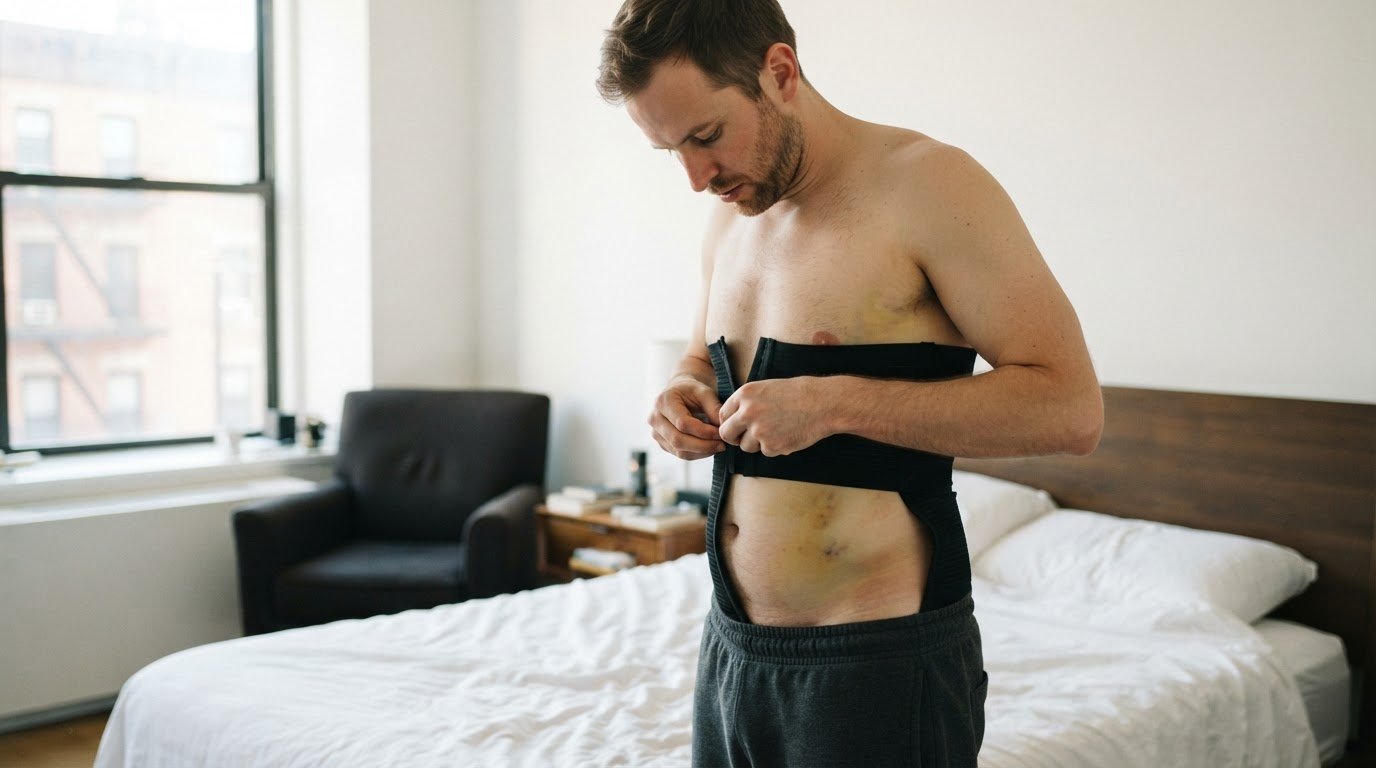
Dr. Leonard Grossman offers Gynecomastia Surgery for people considering treatment beyond clothing adjustments. Gynecomastia surgery may involve liposuction or mastectomy to remove excess breast tissue. A discussion about surgery may be a next step if chest fullness causes ongoing discomfort or emotional distress, or if a healthcare professional has identified gynecomastia.
Clothing can change how the chest looks, but it doesn’t address the underlying tissue. Learning about surgical options can help you consider whether treatment aligns with your needs and goals. The appropriate approach depends on the cause and tissue involved, so begin with a conversation about your concerns and treatment options.
Contact Dr. Leonard Grossman to discuss Gynecomastia Surgery and whether it may suit your situation.
Choose a next step that fits your goals
Clothing choices can support comfort in specific settings, while your longer-term goals may lead you to consider another path. A useful next step is to clarify what matters most to you: feeling more comfortable at work, during exercise, or in everyday situations. That distinction can help shape a thoughtful conversation about your concerns and possible treatment.
As you decide how to hide gynecomastia, remember that managing chest visibility and addressing its underlying cause are separate goals. Take time to consider which matters most and what questions you’d want answered before making a decision. If you’re considering surgery, a personal discussion can help you explore whether it aligns with your needs.
Discuss your goals with Dr. Leonard Grossman and take the next step at your own pace.
Frequently Asked Questions
What is gynecomastia?
Gynecomastia is enlargement caused by excess breast tissue in males. It can occur during puberty, when hormonal changes may later resolve naturally, or alongside other hormone changes. Chest fullness from body fat can look similar, but it isn’t the same thing as excess breast tissue. If the difference is unclear, a healthcare professional can assess the change rather than relying on appearance alone.
Do Compression Shirts Actually Hide Gyno?
Yes, compression shirts can make chest contours less noticeable by applying pressure and smoothing the outline beneath clothing. They change appearance, not the underlying breast tissue. For example, a compression top may create a smoother base beneath a uniform or workout shirt. If you’ll wear one all day, consider comfort while sitting and moving, not just how it looks in a mirror.
First: Is It Gynecomastia, Chest Fat or Shirt Visibility?
Appearance alone can’t reliably distinguish gynecomastia from chest fat or fabric clinging to the chest. A thin, stretchy shirt may outline the body, while added body fat can contribute to chest fullness. Gynecomastia involves excess breast tissue, and a healthcare professional can help determine the cause. Note whether the change is new, whether it affects one or both sides, and what clothing makes it more visible.
What About Exercise, Weight Loss or Surgery?
Exercise can strengthen chest muscles, and push-ups may reduce the appearance of fullness, but they don’t determine whether breast tissue is present. If excess body weight contributes to chest fullness, weight management may affect its appearance. A healthcare professional can discuss suitable treatment options, including medication for some hormone-related cases or surgery. Gynecomastia surgery may involve liposuction or mastectomy to remove excess breast tissue.
How can posture and layering make a protruding chest less noticeable?
Standing upright with your shoulders comfortably back can help clothing fall more evenly across the torso. For a practical outfit, try an open overshirt over a smooth base layer, or a structured blazer over a button-down. Check the result while seated and reaching forward, since fabric can shift during everyday movement. Choose layers that allow comfortable movement rather than pulling tightly across the chest.
Do compression shirts or gynecomastia vests work, and how should you choose the right size?
Compression shirts and vests can help flatten the chest’s appearance under clothing. Choose a garment that fits beneath your usual outfit, then follow its sizing guidance instead of automatically buying a smaller size. A suitable fit should feel supportive without digging into the skin or making movement uncomfortable. Try it beneath the shirt you plan to wear and check whether it stays smooth as you move.