Skip to content

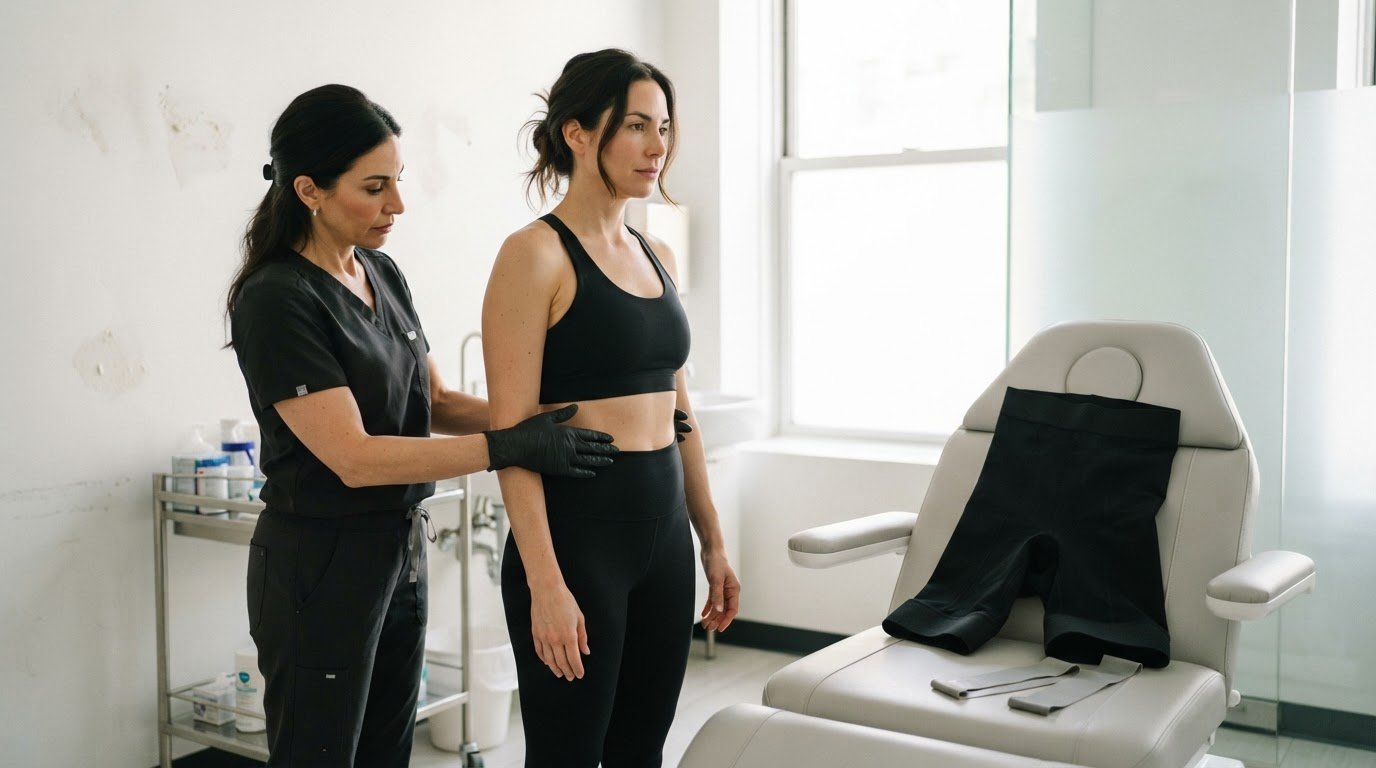
Your long-term shape depends on sustainable habits, not a quick fix. Maintaining results after liposuction means following your recovery instructions, wearing compression garments for the period your surgeon recommends, and making balanced eating and regular activity part of daily life. Liposuction removes fat cells from treated areas, but remaining fat cells can enlarge with weight gain. It contours the body rather than serving as a weight-loss method.
It’s understandable to want your new contours to last, particularly as swelling settles and your body heals. This guide covers recovery, returning to exercise, and how weight changes may affect treated and untreated areas. It also offers practical ways to build sustainable routines without relying on restrictive diets or overly strenuous workouts.
Key Takeaways
- Build meals around fruits, vegetables, whole grains, and lean protein, and stay hydrated to support sustainable eating habits.
- Return to structured exercise after healing and surgeon clearance; regular cardio and strength training can help support your contours.
- Remember that remaining fat cells can enlarge with weight gain, including in treated areas, so aim for steady, healthy habits.
- Support long-term routines with quality sleep, stress management, and follow-up with your surgeon; adults are advised to aim for 7-9 hours of sleep each night, according to Dr. Leonard Grossman.
1. What’s the Best Way to Maintain Liposuction Results?
A practical foundation for maintaining results after liposuction is an eating pattern you can sustain. Build meals around vegetables, fruit, whole grains, and lean protein, such as beans with brown rice or fish with roasted vegetables. Rather than relying on restrictive diets, limit sugary foods, refined carbohydrates, and foods high in saturated fat. Several smaller meals may help you maintain energy and feel satisfied throughout the day.
Liposuction permanently removes fat cells from treated areas. Non-surgical fat-reduction methods use different approaches to address localized fat, and their effects depend on the method. Neither replaces stable habits that support your overall shape. A consultation can help you understand how a treatment relates to your goals and what it is intended to address.
To maintain results after liposuction, pair balanced meals with regular physical activity once your recovery allows. Choose practical options you can repeat, such as oatmeal with fruit, lentil soup, or a dinner with protein and vegetables. Keep processed and sugary foods occasional rather than daily. Regular activity supports weight stability, which can help preserve your contours. Follow your surgeon’s recovery instructions before changing your routine.
Hydration is another part of maintaining results after liposuction. Drinking water regularly supports digestion and overall wellness, and may help you distinguish thirst from hunger. Keep water available during the day and drink with meals, especially when you’re active. Fluid needs vary with activity, climate, and individual circumstances, so there is no single amount that suits everyone. A consistent hydration routine alongside balanced nutrition supports your health as you care for your contours over time.
2. Cardiovascular exercise and strength training
In the first days and weeks after liposuction, gentle walking adds movement without requiring vigorous exercise. Walk as your recovery allows. Movement can help prevent blood clots and other complications, but your surgeon’s instructions should guide your activity. Short walks around the home can be a practical starting point. Don’t treat early recovery as a time to push through pain or fatigue.
Strenuous exercise should wait. People recovering from liposuction are advised to avoid it for at least 2-4 weeks after the procedure, and vigorous workouts aren’t appropriate during the early postoperative period. Healing varies, so the calendar alone doesn’t determine readiness. Let proper recovery guide your pace, rather than trying to return immediately to your previous routine or burn off excess calories.
Once fully healed and cleared by your surgeon, build toward at least 150 minutes of moderate-intensity exercise per week. Brisk walking, cycling, or swimming can provide cardiovascular activity when each fits your recovery and clearance. Spread activity across the week in realistic sessions. Taking stairs, stretching, and adding a short walk also make movement easier to sustain between planned workouts.
Strength training can complement cardio by making your routine more varied and supporting overall fitness. Start with manageable resistance and controlled movements after you’ve healed and received clearance. Increase effort gradually rather than jumping straight into heavy lifting or high-intensity classes. A routine might pair walking with body-weight exercises, then add resistance as your strength and comfort improve. Pair activity with balanced meals that include vegetables, and remember that exercise supports body contours but doesn’t prevent every change in shape. For guidance on activity alongside aesthetic care, explore plastic surgery guidance as you plan your next steps.
3. Effects of weight gain on treated and untreated areas
Yes, fat can return after liposuction. The procedure permanently removes fat cells in treated areas, but remaining cells can enlarge with weight gain. Because treated areas have fewer fat cells, untreated areas may accumulate more fat and change your overall shape. Weight gain can affect your contours even if the treated area still looks different than before surgery.
A sustained increase matters more: the American Society of Plastic Surgeons states that gaining 10% or more of your total body weight can affect liposuction results. The visible effect also depends on body frame, since some patients may gain 5-20 pounds before changes to their initial results become obvious.
To support a stable weight after treatment, focus on repeatable habits rather than reacting to every change on the scale. For example, establish a routine of balanced meals with fruit and protein, and add strength training after recovery and clearance. Notice longer-term patterns in how your clothes fit and how your body feels. That provides more useful context than treating a single day’s reading as a verdict.
Age, pregnancy, and weight fluctuations can all influence body shape over time. Aging may reduce skin elasticity and muscle tone, while pregnancy can bring changes in weight and contours. Significant weight loss may leave loose skin, particularly when elasticity is reduced by aging or genetics. Substantial weight gain can enlarge remaining fat cells and alter treated and untreated areas. Gradual, sustainable habits are more supportive than repeated cycles of losing and gaining weight.
There’s no need to obsess over modest fluctuations, but maintaining a stable, healthy weight before and after treatment helps support the shape achieved. If your weight changes substantially, skin elasticity, the amount of change, and the distribution of remaining fat cells all influence how your contours may look. Liposuction reshapes selected areas; it doesn’t prevent future weight gain or body changes associated with aging and pregnancy.

4. Maintaining liposuction results
Long-term results depend on everyday choices after the plastic surgery procedure, not a short post-surgery reset. Keep a routine that combines balanced meals, regular activity, and steady sleep. Adults are advised to aim for 7-9 hours of quality sleep each night to support appetite regulation and metabolism, according to Dr. Leonard Grossman. These repeatable habits help support the body shape achieved in treated areas.
Give healing time to unfold before judging the outcome. Swelling after liposuction can take three to six months to completely resolve, and final results may not be visible until 6-12 months after surgery. Track progress with occasional photos or how clothing fits, rather than reacting to daily changes. This makes it easier to distinguish temporary swelling from longer-term changes in contours.
Make your routine sustainable. Plan balanced meals, keep processed and sugary foods occasional rather than daily, and manage stress with practical steps such as walking or taking quiet time. Alcohol adds calories, so limiting it can support broader lifestyle goals. During recovery, follow your surgeon’s instructions and attend follow-up visits. These appointments help assess healing and address concerns early.
Recovery habits matter, too. Avoid smoking during recovery because it can impair healing and increase the risk of complications. Protect treated areas from direct sun, using protective clothing or sunscreen outdoors to reduce the risk of discoloration. Wait until incisions have fully healed before using hot tubs, saunas, or steam rooms. These precautions support recovery, while consistent habits can help maintain results over the long term.
The key is to focus on patterns you can maintain, not perfection. If your weight, activity, or sleep routines shift, return to manageable habits rather than making extreme changes. A balanced diet, gradual exercise after recovery, and scheduled follow-up care work together to support your long-term contours.
Dr. Leonard Grossman: Liposuction
Dr. Leonard Grossman offers liposuction to address localized fat deposits when the goal is body contouring rather than weight loss. If you’re considering treatment for a specific area, a consultation is an opportunity to discuss your goals, health, and whether liposuction fits your needs. The procedure removes fat from selected areas; maintaining a stable weight and healthy routines supports your shape over time.
Liposuction may be worth discussing if exercise and balanced habits haven’t changed the areas you’d like to contour. A consultation can clarify what the procedure can address and how recovery may fit into your plans. Contact Dr. Leonard Grossman to discuss whether liposuction aligns with your goals.
Plan Your Next Step With Confidence
Maintaining results after liposuction can be part of a broader conversation about how you want your appearance to evolve. Your priorities may change over time, so consider each goal separately rather than expecting one procedure to address every concern. A discussion with a plastic surgeon can help you understand which options relate to your goals and what questions to consider before deciding.
Dr. Leonard Grossman offers Fat Grafting to the Breasts, Fat Grafting to the Face, and Fat Grafting to the Buttocks for patients considering changes in those areas. These are distinct procedures, considered according to the area and desired change. You don’t need to decide on everything at once. Start with the concern that matters most to you, then take time to understand the options.
If you’re ready to discuss your goals and possible next steps, contact Dr. Leonard Grossman. A clear, thoughtful conversation can help you move forward with confidence and care.
Frequently Asked Questions
What’s the Best Way to Maintain Liposuction Results?
Steady habits help support the shape achieved with liposuction. A typical day might include meals with whole grains and lean protein, water throughout the day, and movement suited to your recovery and exercise clearance. Don’t treat one meal or a missed workout as a setback. A repeatable routine is more practical than a strict plan you can’t sustain.
What happens if I gain weight after liposuction?
Weight gain can enlarge fat cells in treated and untreated areas, changing body contours. For example, if liposuction treated your abdomen, weight gain may be more noticeable elsewhere, such as the hips or thighs. The pattern depends on where your body stores fat. Focus on longer-term changes rather than interpreting a single daily scale reading as a lasting shift.
Is liposuction permanent?
Liposuction permanently removes fat cells from treated areas, but it doesn’t stop remaining cells from enlarging. The distinction matters: removed cells don’t return, while weight gain can still alter your shape. Liposuction is for body contouring, not weight loss. A stable weight helps support the change, while aging can also affect skin elasticity and muscle tone.
What happens to the body years after lipo?
Years after liposuction, treated areas still have fewer fat cells, while normal aging and weight changes can influence your overall shape. Skin elasticity and muscle tone may decline over time, so contours can look different even without a major weight change. Keep perspective by considering your appearance over time rather than expecting your body to remain unchanged indefinitely.
Why do I look bigger 3 weeks after lipo?
Swelling can make a treated area look fuller during early recovery, including at three weeks. The body needs time for swelling to resolve, and final contours may take months to emerge. Follow your surgeon’s recovery guidance instead of judging the outcome from a single look in the mirror. If a change concerns you, discuss it at a follow-up visit.
How long do liposuction results last?
Liposuction results can last for years when supported by a stable weight and consistent, healthy routines. The procedure permanently removes fat cells in treated areas, but weight gain can enlarge remaining cells and change contours. Results also evolve with aging, which can affect skin elasticity and muscle tone. Think of liposuction as a lasting contour change, not a guarantee that your body will never change.