Skip to content


Feeling anxious before cosmetic surgery doesn’t mean you’re making the wrong choice, and you don’t have to manage those feelings alone. Talking openly with your surgeon, sharing concerns with someone you trust, and understanding what to expect during recovery can help. A clear plan can make the next steps feel more manageable.
It’s understandable to worry about the procedure, discomfort, or how you’ll feel about changes in your appearance. This article explores what may be behind pre-surgery anxiety, how to prepare for a useful conversation with your surgeon, and where to find reliable recovery information. You’ll also learn why adjustment takes time and how to be patient with yourself as you heal.
Key Takeaways
- Name the specific concern behind your anxiety and approach it with self-compassion rather than trying to force yourself to feel calm.
- Tell your surgeon how you’re feeling, and consider bringing someone you trust to help listen and remember important information.
- Prepare focused questions about the procedure and recovery so you can build a clearer picture of what to expect.
- Give yourself room to adjust as healing unfolds; early feelings about appearance may shift over time.
1. Accepting and understanding pre-surgery anxiety
Feeling anxious before cosmetic surgery can reflect specific fears, not a flawed decision. Start by naming the concern: results, complications, anesthesia, pain, recovery, finances, or guilt about prioritizing yourself. Writing down one worry in a sentence can make it easier to discuss directly.
Plastic surgery can feel emotionally significant because it involves your body, expectations, and a period of healing. Try separating practical questions from imagined outcomes. For example, “I’m worried about anesthesia” gives you a clear topic to discuss, while “Something will go wrong” may feel harder to address. Acknowledging nervousness without judging yourself is more useful than demanding instant calm.
Anxiety may show up physically as chest pain, a racing heart, nausea, or sweating. These sensations can make an upcoming procedure feel more threatening, while stress and heightened pain perception may complicate recovery. If symptoms are intense or unfamiliar, tell your surgeon rather than assuming they are simply nerves. Noting when they occur and what triggers them can help clarify what support you need.
Concern about “cosmetic surgery addiction” may arise when you’re considering a procedure. Wanting one operation doesn’t, by itself, mean there’s a problem. Take repeated procedures, persistent distress about your appearance, or hopes that surgery will resolve broader emotional pain seriously. Share these concerns before scheduling. A mental health professional can help you explore your motivation and expectations without judgment.
Can medication or therapy help with surgery-related anxiety? Therapy can help you understand fears and develop coping strategies, while medication may be an option after an appropriate clinical discussion. Tell your surgeon about any medications you take, and don’t start, stop, or change them without medical advice.
What signs of severe anxiety mean you should postpone cosmetic surgery? If panic, relentless distress, or difficulty functioning makes it hard to consider the procedure clearly, contact your surgeon before proceeding. Severe anxiety may hinder recovery, and your surgeon may refer you to a mental health professional before scheduling.
Start by writing down your main fear and one question about it. Then share both with your surgeon or someone you trust. Slow breathing or a quiet walk may ease physical tension as you prepare for that conversation.
2. Discussing concerns with friends and the surgeon
Choose someone you trust who can listen without deciding for you. A spouse, friend, or family member may accompany you to a surgical appointment, take notes, and help recall details afterward. Before the visit, explain what would help: listening quietly, asking about recovery, or reminding you to raise a particular concern. Their role is to support you, not pressure you to proceed.
Share your reasons for considering plastic surgery with someone who respects your choices. Explain, for example, what change you hope to see and what worries you most. Ask your friend to reflect back what they heard instead of immediately offering solutions. This can help you recognize whether a fear comes from your own expectations or someone else’s opinion.
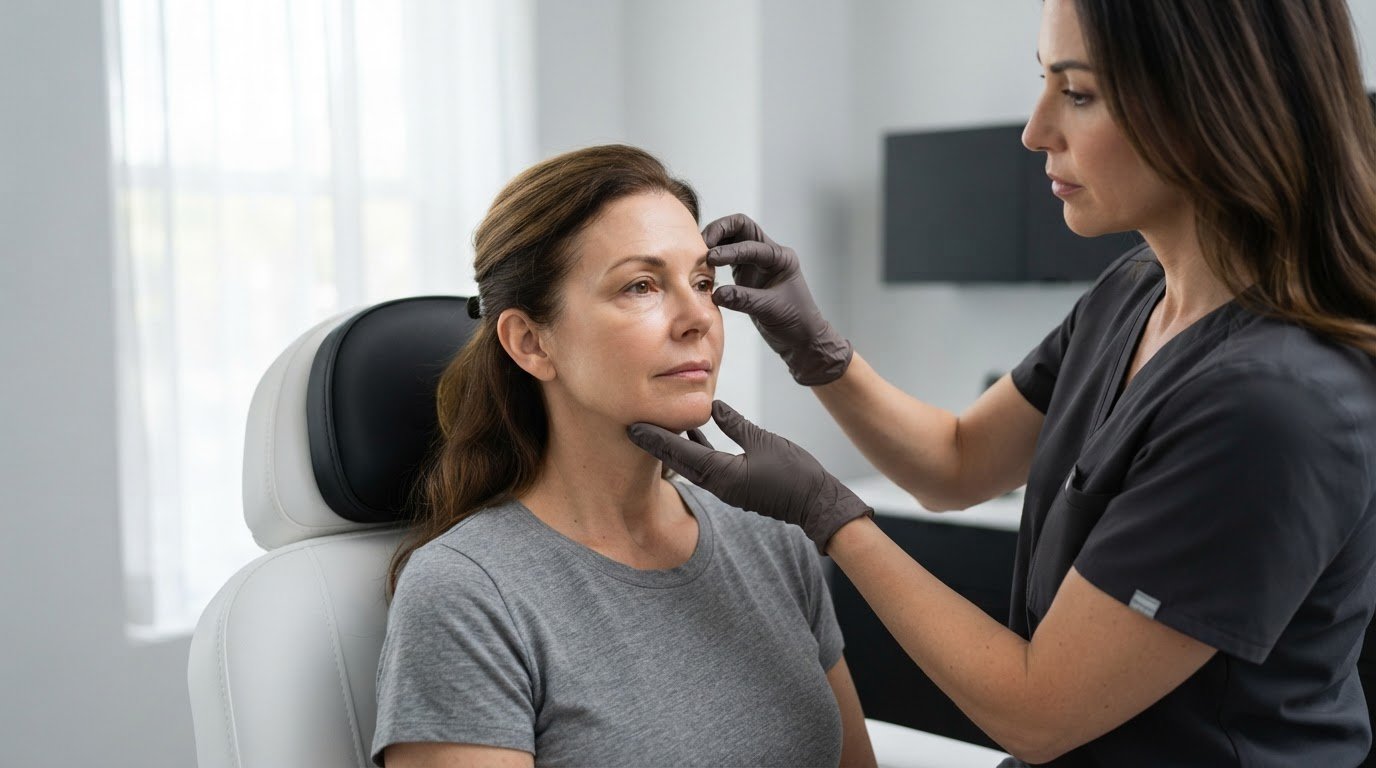
Tell your surgeon directly how you feel, even if the concern is difficult to explain. Be specific: “I’m worried about pain after surgery,” or “I’m unsure what recovery will look like.” A clear example gives the conversation a starting point. You can also explain what information would help, such as details about the procedure, follow-up plan, and approach to pain management.
How can you manage anxiety before cosmetic surgery? Write down your main concerns and reasons for choosing the procedure, then bring the list to your appointment. Slow, steady breathing before the discussion may also help you focus on one question at a time.
What questions should you ask your cosmetic surgeon before surgery? Ask what will happen during the operation, what sensations may occur during recovery, and how follow-up care and pain management work. If you’re unsure how to begin, talk through your surgical concerns as part of a conversation about your procedure.

3. Getting accurate information about surgery and recovery
Reliable details can replace frightening guesses with practical expectations. Ask what the procedure involves, what anesthesia may be used, and what follow-up care includes. The U.S. Government Publishing Office advises patients to understand facility medical standards, provider training and credentials, and postoperative care. According to the American Society of Plastic Surgeons, its members are board certified by the American Board of Plastic Surgery and practice in accredited facilities.
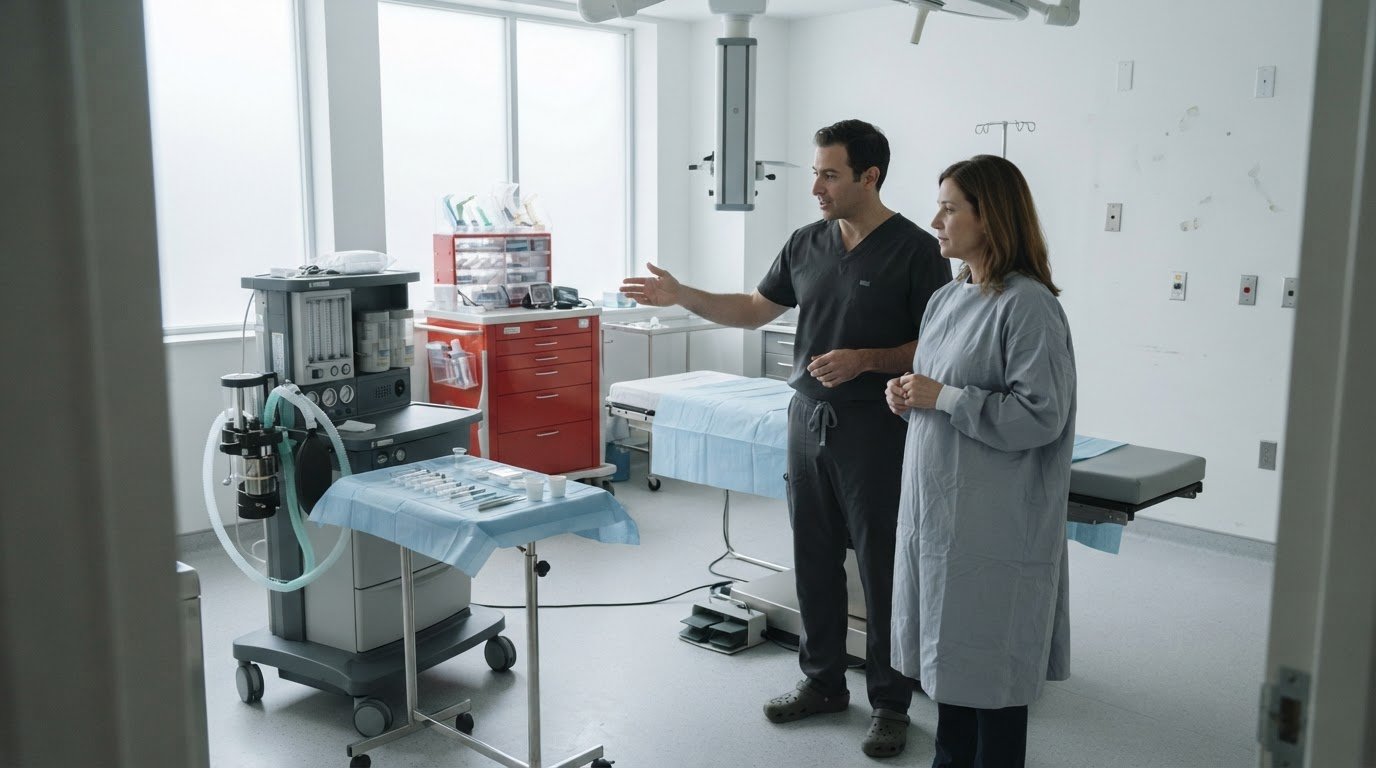
What should you expect during a cosmetic surgery consultation? Expect to discuss your goals, health history, procedure options, anesthesia, and recovery. Bring written questions, including what sensations are common and how pain management and follow-up are handled.
Ask for a recovery plan specific to your procedure. Some patients need to limit movement and rest for several weeks. Swelling and bruising commonly last for two weeks, while final results after some procedures may take 12 to 18 months. These different timelines describe healing and visible outcomes, so ask what applies to your planned operation.
Practical preparation can make recovery feel less uncertain. Arrange transportation to postoperative appointments until you’re cleared to drive, and have someone available at home after hospital discharge. Follow your surgeon’s pre- and postsurgery instructions. These may include stopping smoking, changing certain medicines, or maintaining a healthy weight. Don’t change medication or diet without medical guidance.
How can you prepare mentally and practically for cosmetic surgery? Write down questions, organize help at home, and make a calm plan for the first days. Avoid late-night searches that expose you to extreme stories; rely on information from your surgeon and reliable medical sources instead.
For a clearer conversation, group questions by topic: the operation, anesthesia, pain control, activity limits, and follow-up. Ask what symptoms should prompt a call and whom to contact. Early recovery may include a five-pound lifting limit, so ask whether that restriction applies to your procedure. Knowing the plan helps you prepare without treating someone else’s recovery story as a prediction.
Body image and adjusting to appearance changes
After surgical changes, your reflection may feel unfamiliar before it feels settled. Some patients find adjustment difficult during the first month or two. Regret during early healing can happen, too; it doesn’t automatically mean the decision was wrong. Notice what feels difficult today, then name it: swelling, changed contours, or uncertainty about the outcome.
Timing matters. After breast or body surgery, visible evidence of results may begin around 3-6 weeks after surgery. It often takes 6 weeks or longer before patients can see results and feel glad they chose surgery. Closely scrutinizing changes may continue for 2-3 months after surgery. These stages can overlap, so one early look isn’t the whole story.
Keep expectations grounded in what surgery can and cannot do. Plastic surgery may change your appearance, but it can’t promise perfection or determine how you’ll feel about your body. It also can’t make other people respond differently. Before comparing yourself with an idealized image, return to the specific goals you discussed with your surgeon. Ask whether your current concern fits your stage of healing and your plan.
An alarmed feeling after cosmetic surgery can last from days to several weeks. Try a simple daily note: record what feels better, what still worries you, and what question you want answered. This can help you notice patterns over time. If distress remains intense or you’re concerned about a possible complication, tell your surgical team promptly.
If facial appearance is part of your concern, discuss your dermal filler goals as part of a thoughtful conversation about your expectations.
Dr. Leonard Grossman
Dr. Leonard Grossman offers patients considering cosmetic surgery a chance to discuss their goals and concerns. If you’re weighing options such as TUBA Breast Augmentation or Fat Grafting to the Face, talk about what you hope to change and ask about the procedure and recovery. A thoughtful conversation can help you understand which options relate to your goals and identify questions that still need answers. You don’t need to feel completely calm before discussing surgery; being open about uncertainty can make the conversation more useful. Dr. Leonard Grossman also offers Fat Grafting to the Breasts and Fat Grafting to the Buttocks. Contact Dr. Leonard Grossman to discuss your concerns and next steps.
Take your next step with confidence
Feeling anxious before cosmetic surgery can be a reason to pause, reflect, and make space for an honest conversation. You don’t need to resolve every concern before asking about your options. Instead, focus on what matters to you, what you hope to change, and what information would help you make a considered decision.
Dr. Leonard Grossman offers Fat Grafting to the Breasts, Fat Grafting to the Face, and Fat Grafting to the Buttocks. If one of these procedures relates to your goals, a conversation can help you discuss your priorities and understand the next steps. You can bring someone you trust or write down questions beforehand, so your concerns have room to be heard.
Contact Dr. Leonard Grossman to start a conversation about your goals and questions. Moving forward at a pace that feels thoughtful can help you approach your decision with greater clarity and confidence.
Frequently Asked Questions
Do I have support after the procedure?
Support can come from your surgical team and someone you trust who can help with everyday needs. Before surgery, clarify how follow-up questions are handled and whom to contact if something worries you. You might also ask your support person to help organize meals, keep your written instructions nearby, or note questions that arise during recovery.
Why am I feeling like this?
Anticipating a major change can bring several emotions at once: hope, uncertainty, and concern about how you’ll feel afterward. You may also be responding to someone else’s pressure or expectations shaped by edited images. Try identifying what has affected your mood today. That context can help you separate your own wishes from outside influences.
Is it normal to feel anxious before cosmetic surgery?
Yes, nervousness before an elective procedure is a common response to uncertainty and change. You might notice repeated thoughts, tension, or difficulty settling as the date approaches. Those feelings don’t automatically mean you should proceed or cancel. Consider whether you can discuss your decision calmly and understand the recovery plan. Tell your surgeon if anxiety feels overwhelming.
What are common causes of anxiety before cosmetic surgery?
People may worry about anesthesia, discomfort, complications, results, or recovery. Some also feel uneasy about spending time and resources on themselves or wonder how others will react. These concerns can overlap. For example, fear of visible swelling may connect both to recovery and to worries about returning to work or social activities.
Can preoperative anxiety affect cosmetic surgery outcomes or recovery?
Strong anxiety may make recovery feel more difficult by adding stress and intensifying pain perception. It doesn’t, by itself, mean a complication will happen or predict the final appearance. If distress affects your sleep, concentration, or ability to follow preparation instructions, tell your surgeon so you can discuss the concern before surgery.
When should I tell my surgeon about anxiety or panic attacks?
Tell your surgeon as soon as anxiety or panic attacks arise, including before scheduling if they’re already affecting your decision. Describe what happens, what seems to trigger it, and whether the episodes are changing. Mention any support or treatment you’re receiving. Sharing these details gives your surgical team a clearer picture and time to discuss appropriate next steps.