Skip to content

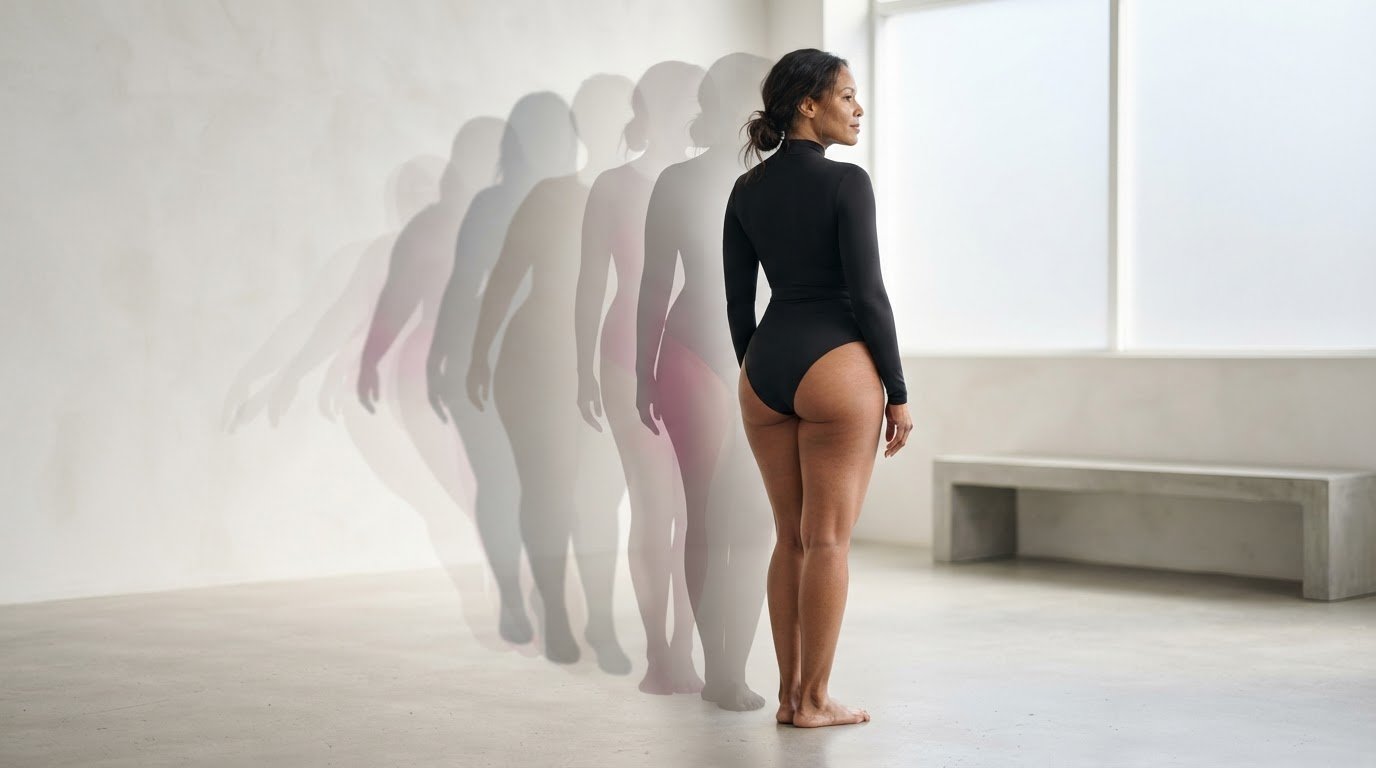
A decade-old BBL reflects both the fat that remains and the body’s changes over time. If you’re wondering what bbl results after 10 years may look like, transferred fat that survives the initial healing period can remain long term, but it continues to respond to weight changes and natural aging like other body fat. “Permanent” doesn’t mean frozen in time.
It’s understandable to want a clear answer about whether your results will last or change. The reality is personal: weight changes can affect fullness and proportions, while changes in skin firmness can influence contour. A change in appearance doesn’t necessarily mean the procedure has stopped working.
This article explains what can influence a BBL’s appearance over time, how to assess long-term photos, and how to prepare questions about your goals. It also covers what an individualized conversation with board-certified plastic surgeon Dr. Leonard Grossman can help you consider.
Key Takeaways
- A BBL result can remain noticeable after a decade without looking exactly as it did after recovery.
- Volume, contour, skin firmness, and overall proportions are different aspects of appearance. A change in one doesn’t explain the others by itself.
- Photos can provide visual context, but they cannot measure retained fat or predict your bbl results after 10 years.
- Prepare for a consultation by noting your goals, relevant timeline, and questions about changes in your body.
- Compare your current appearance with your own goals, not someone else’s photos.
What Can BBL Results Look Like After 10 Years?
A Brazilian Butt Lift result a decade later can look different from one person to the next. Some transferred fat may remain, while changes in weight and aging can affect the overall appearance. Lasting doesn’t mean unchanged: a result can endure without preserving the same silhouette over time.
A decade-long BBL result is the appearance of the buttocks years after fat grafting, shaped by retained transferred fat and changes in the body over time. This describes a possible long-term outcome, not a promise of a specific volume, contour, or amount of fat retention.
What does a BBL change?
A BBL transfers a patient’s own fat to the buttocks to add volume and alter contour. The intended shape is tailored to the person rather than based on a single standard. For a general overview of the procedure and its considerations, see the Brazilian Butt Lift reference. The focus here is what that result may look like years later, which cannot be captured by one expected silhouette.
Why is there no single ten-year outcome?
People begin with different anatomy, body proportions, and goals, and their bodies change in different ways. The amount of transferred fat that remains is one influence. Later weight changes can affect fat cells, while aging can affect skin firmness and the way contours appear. These factors are related, but they are not interchangeable.
For example, a change in fullness doesn’t explain by itself whether contour or skin has also changed. Overall proportions may look different even when the buttocks retain noticeable volume. Looking at one feature alone can give an incomplete picture of a decade-old result.
General patterns can frame expectations, but they can’t forecast one person’s exact appearance. “BBL results after 10 years” describes a point in time, not a uniform medical outcome. A useful assessment considers a person’s starting anatomy, goals, and subsequent body changes rather than assuming every difference is due to the procedure.
A long-lasting result can still evolve naturally. The sections that follow distinguish changes in volume from changes in contour, skin firmness, and proportions. Considering each separately can help you describe what you see without treating one visible feature as proof of the whole story.
How Transferred Fat and Natural Body Changes Shape Long-Term BBL Results
A decade later, the visible shape reflects more than the fat transferred during surgery. Some grafted fat may remain, while some may not survive. Weight and age can also change the surrounding body. Because these factors affect different parts of the result, a change in fullness alone doesn’t explain every change in contour or proportions.
What may happen to transferred fat over time?
Transferred fat is living tissue. Some may be reabsorbed as the body heals, while fat that remains can continue to behave like fat elsewhere in the body. The American Society of Plastic Surgeons’ overview of buttock enhancement describes fat transfer as using a patient’s own fat to augment the buttocks. How much transferred fat remains varies, and a person’s appearance years later cannot reveal the exact amount retained.
Visible volume is not a direct measurement of how much grafted fat survived. If you notice less fullness than expected, appearance alone cannot establish why. Overall body shape, later weight changes, skin, and natural aging all contribute to what is visible. One person’s result therefore cannot precisely forecast another’s.
How can weight and aging affect the silhouette?
Fat that remains after transfer may respond to later weight changes along with other body fat. Weight gain or loss can influence fullness and proportions, though the degree and distribution of change differ between individuals. Changes in overall proportions may alter how the buttocks look even if the transferred area still has volume.
Skin and contour tell a separate part of the story. With natural aging, skin firmness can change, and gravity may influence how tissues sit over time. These gradual changes can affect the outline of the buttocks without showing that the procedure has failed. Volume, skin firmness, and overall shape are connected, but they are not interchangeable measures of an outcome.
Retained transferred fat may persist while the skin and body around it continue to change. This is a useful way to understand bbl results after 10 years: appearance at a particular point reflects both the grafted tissue that remains and the body’s later changes. It doesn’t establish exactly how much fat was retained or identify one cause for every visible difference.
If you’re considering how these factors relate to your own goals, an individualized conversation can help put them in context. Dr. Leonard Grossman offers Brazilian Butt Lift surgery, and a consultation about BBL expectations can provide a setting to discuss your anatomy and long-term concerns.
How to Assess BBL Results After 10 Years Without Misreading the Evidence
Photos can make long-term changes easier to see, but they’re useful only when you consider what they show and what they leave out. A single image captures one person, in one pose, at one moment. It can’t establish how typical a result is or explain why the body looks a certain way. Use images as visual context, not as a forecast for your own bbl results after 10 years.
Separate the features you’re comparing. Volume describes fullness; contour refers to the outline and distribution of shape. Skin firmness and overall proportions add different information. A difference in one feature doesn’t automatically explain a change in another.
| Observable feature | Possible influence | What cannot be concluded |
|---|---|---|
| Volume or fullness | Retained transferred fat and later body-weight changes | A photo cannot measure how much grafted fat remains. |
| Contour or outline | Changes in fullness, posture, and how the body is positioned | A changed outline alone doesn’t identify its cause. |
| Skin firmness | Natural changes in skin over time | An image cannot establish the condition of the underlying tissue. |
| Overall proportions | Changes in the buttocks relative to the rest of the body | Different proportions don’t prove that the procedure succeeded or failed. |
Which details are useful when reviewing long-term photos?
Start with the timeline: do the images identify when they were taken, and do they show the same person? A comparison between an early image and one taken years later is more informative when both dates are clear. Then compare angles, lighting, posture, and clothing. The same person may appear different when photographed from behind in even lighting than when photographed at an angle, in shadow, or with a different stance. Camera distance and pose can also affect how shape appears.
These details don’t make a photo a complete record, but they help limit misleading comparisons. If key context is missing, treat apparent differences cautiously rather than filling the gaps with assumptions.
What can a photograph not tell you?
An image shows visible appearance, not surgical details, the amount of fat retained, or whether the result represents a typical outcome. It also can’t tell you how the person feels about their appearance or how satisfied they are. Those experiences are personal and cannot be reliably inferred from a pose or expression. Selected images and testimonials may offer individual perspectives, but they don’t guarantee what another person will experience.
One person’s decade-old BBL result can illustrate a possibility, but it can’t predict another person’s outcome. Compare images thoughtfully, then focus on your own goals and questions.

What to Consider When Setting Expectations for a Decade-Long BBL Result
Thinking about a result years into the future raises practical questions: what might stay similar, and what could change as your body changes? There’s no precise way to forecast a decade-long appearance, but defining your goals and uncertainties can make a conversation more useful. Compare your current appearance with your own priorities, not a stranger’s photographs.
Questions that clarify personal expectations
Before a consultation, consider which aspects of your hoped-for result matter most, such as added fullness or a change in contour. Think about what you understand may evolve over time, too. These reflections aren’t a test or a prediction. They give you a clear starting point for discussing your anatomy, goals, and questions with a plastic surgeon.
A simple framework can help organize that discussion:
- Define your goal. Describe the change you hope to see in your own words. Focus on the features that matter to you rather than trying to match a particular image.
- Set the timeline. Explain that you’re thinking about long-term appearance, not only the initial result. Ask what can reasonably be discussed about how results may evolve, recognizing that no consultation can guarantee or precisely forecast your appearance years later.
- Consider body changes. Share questions about how later weight changes or aging could relate to your goals. These factors are personal, so general information can’t replace an individualized assessment.
- Bring specific questions. Ask which parts of your expectations are realistic to discuss, what remains uncertain, and how to think about visible changes without assuming a single cause.
For broader background, Dr. Grossman’s fat grafting guide explains the context of fat-grafting procedures. If you’re also trying to understand how contouring relates to fat transfer, the liposuction guide offers related perspective. These resources can inform your questions, but they can’t determine what an individual result will look like a decade later.
When later changes prompt new questions
A difference in appearance can be a reason to seek individualized information, not proof that the procedure failed. Note what seems different and what you’d like clarified, then discuss it with a plastic surgeon who can consider your circumstances. Photos or general descriptions alone can’t identify the cause or establish which options, if any, are appropriate.
Future decisions require assessment rather than assumption. A conversation with board-certified plastic surgeon Dr. Leonard Grossman can help you discuss your BBL goals and long-term questions in the context of your own anatomy. A decade-old result cannot be treated as predictable. Schedule a consultation to discuss your BBL expectations.
Discussing Long-Term BBL Expectations With Dr. Leonard Grossman
A thoughtful conversation about a Brazilian Butt Lift includes more than the result immediately after surgery. The bbl results after 10 years can’t be predicted precisely for an individual: appearance reflects both transferred fat that remains and changes in the body over time. Understanding that distinction can help you ask clearer questions and consider your goals without expecting a particular volume, shape, or duration.
Dr. Leonard Grossman is a board-certified plastic surgeon who offers Brazilian Butt Lift surgery. His credentials do not establish or guarantee an individual long-term outcome. An individualized consultation is an opportunity to discuss your anatomy, priorities, and questions while recognizing that a decade-long appearance cannot be promised in advance.
A personalized conversation about BBL goals
Before meeting with a plastic surgeon, write down what you hope to change and what you hope will remain similar over time. Be specific: are you focused on fullness, contour, or how your proportions look overall? Note what feels uncertain, including how natural aging or future body changes may relate to your expectations. This gives the conversation a useful starting point without turning a goal into a prediction.
Questions you might bring include:
- How do my anatomy and stated goals shape what may be realistic to discuss?
- Which aspects of a BBL result can change over time, and which parts are difficult to predict?
- How should I think about possible changes in volume separately from changes in skin or contour?
- What can’t be known about my appearance a decade from now?
Direct questions are welcome, including questions about the limits of available long-term information. A consultation can help clarify how general considerations apply to your circumstances, but it can’t guarantee a particular shape or promise that the result will look the same for a set number of years. Photos of other people may help you explain a goal, but they aren’t a reliable forecast of your own outcome.
A clear next step
If your appearance changes over the years, that observation can prompt questions without proving that the procedure has failed. The cause and meaning of a change depend on the individual. Any future options require a personal assessment rather than an assumption that another procedure is needed. Bring your concerns, relevant timeline, and goals to a discussion focused on understanding your situation.
Dr. Grossman’s Brazilian Butt Lift procedure provides a starting point for an individualized conversation, not a promise of a specific decade-long result. If you’re considering BBL or want to discuss your personal goals and expectations, schedule a consultation with Dr. Grossman.
Take the Next Step With Your Goals in Mind
Thinking about bbl results after 10 years can help clarify what matters most to you, without creating certainty where no one can promise an exact outcome. Consider what you hope a change in shape would mean for your comfort and confidence, and which questions you want answered before making a decision.
A useful next step is to bring those priorities into a personal conversation. Write down what you hope to achieve, what you’re unsure about, and what you’d like to understand about long-term expectations. This keeps the discussion grounded in your needs rather than comparisons with someone else’s experience.
Dr. Grossman’s practice includes Brazilian Butt Lift and fat-grafting procedures. An individualized conversation can help you explore your goals and the limits of predicting a result over time, without pressure to decide before you’re ready.
Discuss your Brazilian Butt Lift goals with Dr. Grossman. Taking time to ask thoughtful questions is a positive step toward an informed choice.
Frequently Asked Questions
Is a BBL result permanent after 10 years?
A BBL may have long-lasting results, but “permanent” doesn’t mean unchanged. The bbl results after 10 years can’t be predicted from the procedure alone because later body changes also shape appearance. If you’re assessing a specific result, note what you observe, such as fullness or skin firmness, rather than labeling it permanent or failed. A plastic surgeon can discuss your concerns in light of your history and goals.
Can weight changes affect a BBL years later?
Yes, weight changes may influence body contours, including areas where transferred fat remains, though the effect varies between people. A change in overall body weight, for example, could alter how the buttocks relate to the waist or thighs. That visible shift doesn’t show exactly what happened to the transferred fat. If you’re concerned about a change, note when you noticed it and discuss your individual circumstances with a plastic surgeon.
What happens to the fat transferred during a BBL over time?
Some transferred fat may not remain, while fat that integrates can persist. A decade-old appearance can’t reveal the exact amount retained or establish a standard volume for everyone. When comparing your current appearance with earlier photos, consider whether weight or other body changes also occurred. Avoid treating one person’s result as a benchmark; a plastic surgeon can discuss what can and cannot be inferred from appearance alone.
Can a BBL look natural after 10 years?
A BBL can have a natural-looking appearance years later, but “natural” means different things to different people. For one person, it may mean a subtle change that fits their proportions; another may have a different aesthetic goal. Photos can help you describe the qualities you like, but they can’t predict your result. Share what natural-looking means to you during an individualized discussion about your anatomy and expectations.
Do BBL before-and-after photos show what results will look like after 10 years?
No. Photos show one person at particular points in time, not what another person’s result will become. Check that the images identify the same person and provide clear time points; don’t assume a photo shows a decade-long outcome unless its timeline says so. Similar posture, camera angle, lighting, and clothing also make comparisons more informative. Even well-matched images can’t explain surgical details or a person’s private experience.
Can someone consider another BBL after 10 years?
Possibly, but the passage of time alone doesn’t mean another procedure is needed or appropriate. A plastic surgeon would need to consider your current anatomy, concerns, goals, and relevant medical factors before discussing options. Wanting more fullness is a goal to explain, not proof that another operation is suitable. An individualized assessment can clarify what may be considered and what limitations apply, without promising a particular outcome.
Does a BBL change only buttock size, or can it change overall contour?
A Brazilian Butt Lift uses a patient’s own fat to add volume and alter buttock contour, so the intended change can affect how proportions appear, not only size. You may care, for example, about how the buttocks relate visually to your waist or thighs. The exact silhouette varies, and later body changes may influence it. Describe the proportions you hope to achieve so a plastic surgeon can discuss realistic expectations.