Skip to content

What if the secret to perfectly proportioned legs wasn’t found in a synthetic silicone implant, but was already living within your own body? If you’ve ever felt self-conscious about thin calves or disproportionate thighs, you know how difficult it can be to find confidence in your silhouette. It’s natural to feel anxious about the “foreign body” reactions associated with traditional implants or the recovery time required by invasive procedures. You deserve a solution that honors your body’s natural healing intelligence while helping you reach your aesthetic goals.
In this guide, you’ll discover how fat grafting for leg contouring provides a sophisticated, integrative way to sculpt your legs and restore symmetry. We’ll explore how this autologous approach uses your own tissue as a living bio-filler, offering a dual benefit by slimming donor areas through liposuction while adding volume where it’s needed most. You’ll learn about the regenerative nature of fat cells, where the 50% to 70% of tissue that successfully establishes a blood supply becomes a permanent part of your natural form. By the end, you’ll understand how to achieve shapely, proportional legs through a process that supports your long-term wellness and provides a smooth, holistic path to recovery.
Key Takeaways
- Understand how your own purified tissue acts as a living bio-filler to naturally enhance volume and symmetry without the risks of synthetic implants.
- Learn why fat grafting for leg contouring offers a dual benefit, allowing you to slim donor areas through liposuction while simultaneously sculpting the thighs, knees, or calves.
- Discover the science behind the “take rate” and how an integrative approach to whole-body health optimizes the survival of transferred fat cells.
- Gain clarity on the recovery process, from managing initial swelling to transitioning back into gentle movement with clinical support.
- Explore why a holistic philosophy that prioritizes bioavailability and long-term tissue health is essential for achieving permanent, natural-looking results.
What is Fat Grafting for Leg Contouring and How Does it Work?
At its core, What is Fat Grafting is the art of redistributing your body’s own natural resources to create a more balanced silhouette. When we perform fat grafting for leg contouring, we use your own purified adipose tissue to sculpt areas like the thighs and calves. This isn’t a temporary fix or a synthetic addition. It’s a living tissue transfer that works with your body’s biology to restore symmetry and volume. By choosing your own cells, you avoid the anxiety often associated with “foreign body” reactions that can occur with silicone implants.
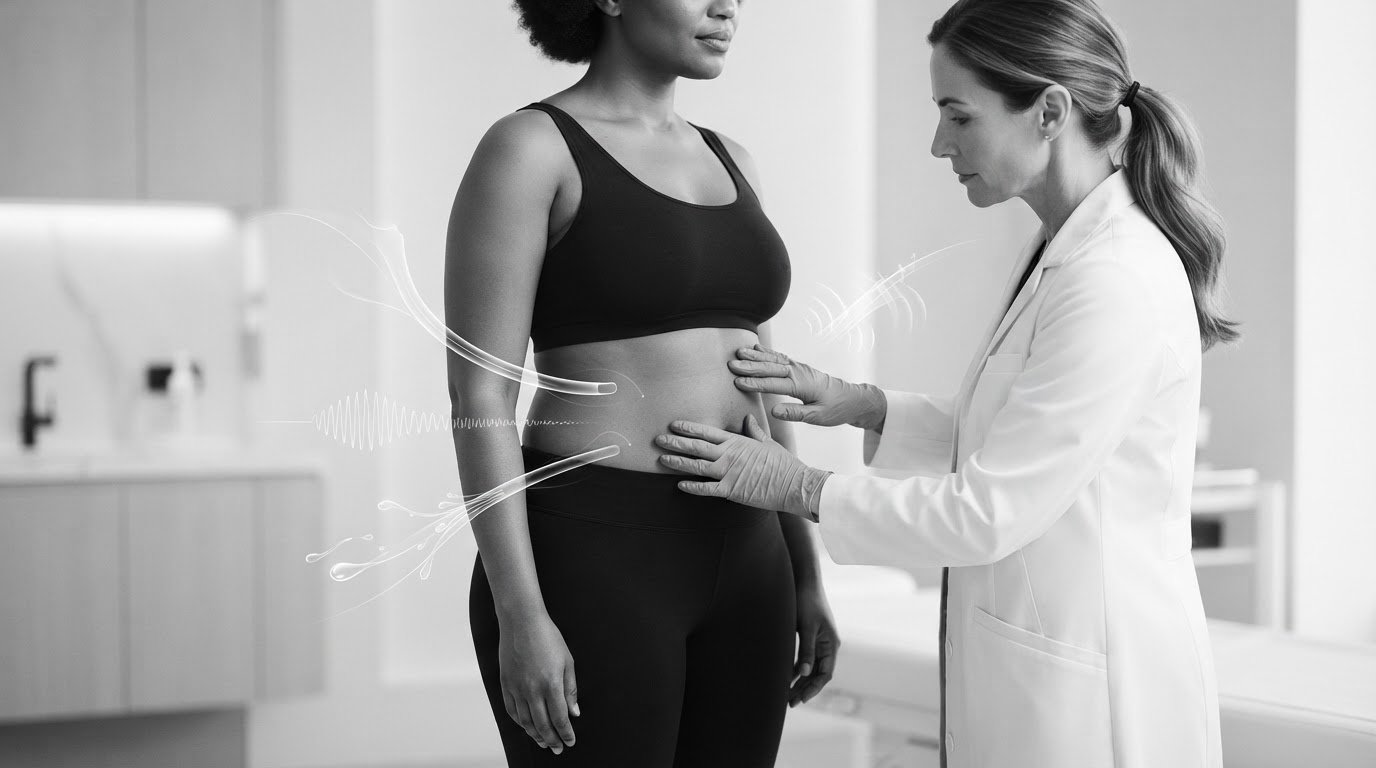
This approach offers a remarkable dual benefit for your overall body harmony. We begin by using liposuction to gently harvest fat from donor areas where it may be in excess, such as the abdomen or hips. This process slims and contours the donor site while providing the high-quality material needed to enhance your legs. It’s an integrative way to address multiple concerns in a single session, supporting your body’s natural healing intelligence throughout the transition.
The Three Pillars of a Successful Fat Transfer
- Gentle Harvesting: We prioritize the integrity of your fat cells. By using low-pressure techniques, we ensure the harvested tissue remains healthy and viable for its new location.
- Purification: The harvested fat is carefully filtered and washed. This step removes unwanted fluids and oils, leaving behind only the most robust, regenerative cells.
- Strategic Placement: To ensure long-term survival, we inject the fat in micro-layers. This meticulous method allows each cell to establish a vital blood supply, which is the key to a successful “take” rate.
Fat Grafting vs. Calf Implants: Why Natural is Often Better
Traditional calf implants are pre-shaped, synthetic structures that can sometimes feel rigid or appear obvious. They carry risks of displacement or capsular contracture. In contrast, fat grafting for leg contouring provides a soft, natural feel that mimics your own muscle and skin. It gives us the artistic freedom to fine-tune specific areas, such as filling hollows around the knees or smoothing out “hip dips.” This personalized approach creates a fluid silhouette that synthetic options simply cannot replicate. Because the result is living tissue, it ages naturally with you, maintaining your body’s vital functions and aesthetic harmony for years to come.
The Science of Fat Survival: An Integrative Approach to Results
The success of fat grafting for leg contouring depends on more than just the surgical technique; it relies on the biological “take” rate of the transferred cells. When we move fat from one area to another, we aren’t just adding volume. We’re transplanting living tissue that must establish its own blood supply to survive. Clinical research regarding Lower Leg Augmentation with Fat Grafting highlights that meticulous technique is essential for long-term cell survival. This is where an integrative approach becomes vital. By optimizing your body’s bioavailability, you provide the “soil” necessary for these new cells to take root and flourish.
Optimizing the Recipient Site
The thighs and calves are unique areas with specific circulatory needs. For a graft to survive, it requires immediate access to oxygen and nutrients. We use specialized micro-cannula techniques to minimize trauma to the delicate leg tissue, creating a receptive environment for the new fat. Neovascularization is the process where the body creates new blood vessels to feed the fat. Without this natural healing response, the graft cannot stabilize. By protecting the existing vascular network during the procedure, we support the body’s natural healing intelligence in nourishing the newly placed cells.
Whole-Body Health and Graft Longevity
Your systemic health plays a starring role in how well your body accepts the graft. Proper hydration and anti-inflammatory nutrition act as a foundation for surgical success, reducing oxidative stress and allowing the body to focus on repair. It’s essential to avoid nicotine, as it constricts blood vessels and significantly impairs the survival of transferred adipose tissue. Supporting the lymphatic system is another key element. Gentle care helps reduce post-operative swelling efficiently, ensuring that the new contours stabilize without unnecessary pressure.
Once the fat cells survive the initial three to six month window, they behave like any other fat cells in your body. They’re permanent. These living additions to your silhouette respond naturally to your lifestyle and aging process. If you’re curious about how this holistic method can work for you, consulting with an expert in integrative aesthetics can help clarify your path to vitality.
Target Areas: Contouring Thighs, Knees, and Calves
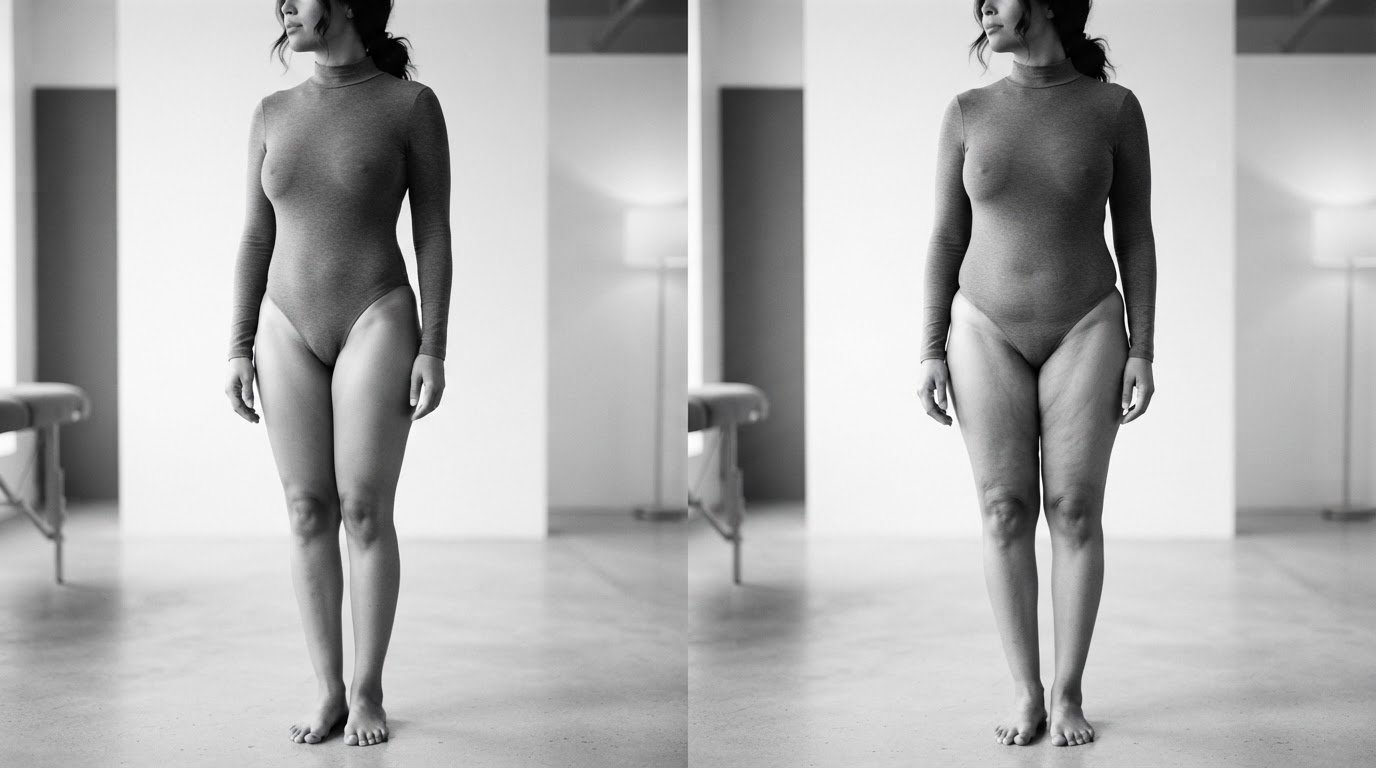
Achieving a balanced silhouette requires looking at the legs as a continuous, flowing line rather than isolated segments. When we utilize fat grafting for leg contouring, the goal is to create a harmonious transition from the hip down to the ankle. This whole-body approach ensures that the added volume doesn’t just sit on the surface but integrates with your natural anatomy to support a fluid, graceful silhouette. By treating the leg as a single aesthetic unit, we can address specific areas of concern while maintaining the body’s natural proportions.
- Thigh Sculpting: Many patients seek to fill “hip dips” or hollows along the outer thigh. Strategic fat placement creates a smooth, feminine curve that connects the torso to the lower extremities.
- Knee Refinement: The area around the joint often shows asymmetries or age-related volume loss. Correcting these small hollows ensures the leg looks youthful and the silhouette remains unbroken.
- Calf Augmentation: For those with naturally thin lower legs, adding volume can balance wider shoulders or hips, creating a more athletic and grounded appearance.
- Ankle Contouring: We can refine the “canker” area by adding strategic volume to the lower calf or smoothing the transition to the ankle, providing better definition to the lower leg.
Correcting Asymmetry and Trauma-Related Loss
Nature doesn’t always provide perfect symmetry. Many individuals face congenital differences where one leg is naturally smaller or shaped differently than the other. In these cases, fat grafting for leg contouring acts as a corrective tool to restore balance. This technique is also exceptionally effective for patients who have experienced muscle atrophy or volume loss due to previous injuries. If you’ve had aggressive liposuction in the past that left behind irregularities or “divots,” fat transfer can smooth these areas, supporting the body’s natural healing intelligence to repair and nourish the skin’s surface.
Achieving Aesthetic Proportions and Balance
The “Golden Ratio” of the leg involves a specific relationship between the width of the thigh and the calf. When these proportions are off, it can impact how tall or balanced you appear. Our goal is to create a seamless look where there are no visible transitions between the grafted fat and your natural tissue. This comprehensive leg refinement often complements other body-shaping procedures, such as fat grafting to the buttocks, to ensure the entire lower body moves in aesthetic unison. By focusing on whole-body health, we ensure that your results look as natural as they feel.

The Recovery Journey: Reassuring Your Path to Vitality
Healing from fat grafting for leg contouring is a collaborative process between the surgical technique and your body’s innate wisdom. During the first 48 hours, your primary focus should be on rest and deep hydration. This is the period when your body begins the delicate work of protecting and integrating the new tissue. You might notice initial swelling or bruising in both the donor and recipient sites; this is a natural sign that your body is sending resources to these areas to support repair. By prioritizing stillness and fluid intake, you nourish the environment where your new contours are taking shape.
As you move into the first and second weeks, you’ll transition from clinical care to gentle, supportive movement. This stage is about encouraging circulation without placing undue stress on the freshly placed grafts. We often suggest integrative techniques to support skin elasticity, ensuring the surface of your legs remains smooth and supple as the internal tissues stabilize. This methodical approach helps alleviate the anxiety often associated with surgical downtime, replacing it with a sense of agency in your own recovery.
Managing Post-Operative Comfort Naturally
Using compression garments is a cornerstone of a smooth recovery journey. These garments provide the necessary support to minimize fluid accumulation and help the skin adhere beautifully to the new underlying volume. While rest is vital, we also encourage short, gentle walks around your home. This simple act maintains vital circulation and prevents stiffness. For those seeking holistic pain management, we focus on strategies that support the nervous system and reduce inflammation naturally, often minimizing the need for aggressive pharmaceuticals.
What to Expect: The Timeline of Your Results
It’s common for the legs to look slightly “overfilled” in the beginning. This is a combination of the strategic volume we’ve added and the body’s natural inflammatory response. Over the following weeks, this initial fullness settles into a more refined and fluid shape. The three-month mark is a significant milestone; by this time, the fat cells that have successfully established a blood supply are considered permanent additions to your silhouette. Once fat cells integrate, they behave like any other fat cells in your body. They will respond naturally to your lifestyle, maintaining the harmony of your new proportions for years to come. If you’re ready to begin your own journey toward natural symmetry, contact Dr. Grossman’s office to discuss an integrative recovery plan tailored to your unique biology.
Why an Integrative Approach to Leg Contouring is the Superior Choice
Aesthetic surgery shouldn’t be a detached or purely mechanical event. When you choose fat grafting for leg contouring, you’re opting for a method that respects your body’s natural architecture and biological harmony. This integrative approach looks beyond the scalpel to consider how your unique physiology and systemic health impact the final result. By selecting your own living tissue as the medium for change, you embrace the most biocompatible filler available. It’s a choice that supports your long-term wellness while achieving the shapely, proportional silhouette you desire.
The Grossman Advantage lies in a pioneering philosophy that has been refined over decades of experience in liposuction and complex fat transfer. We don’t just see a target area; we see a whole person whose vitality is the foundation for a successful outcome. This perspective demystifies the surgical process, replacing clinical anxiety with a sense of hope and agency. You aren’t just a patient; you’re a partner in a journey toward restored confidence and physical balance.
Your Consultation: A Step Toward Empowerment
Your journey begins with a personalized consultation designed to empower you with knowledge. We carefully assess your unique anatomy, identifying the most bioavailable donor sites where fat is healthy and robust. This step ensures that we only harvest tissue with the highest potential for long-term survival. We take the time to set realistic expectations for volume and symmetry, ensuring your customized plan aligns perfectly with your lifestyle and vitality goals. This thorough preparation is what allows us to create results that look and feel entirely natural.
The Safety and Trust of a Seasoned Practitioner
Choosing a surgeon who treats the body as an interconnected system is essential for your peace of mind. Clinical precision is required at every stage, from the gentle harvest of cells to the meticulous micro-layering of the graft. This level of care protects your body’s natural healing intelligence and ensures the safety of the procedure. When you work with a seasoned practitioner who prioritizes whole-body health, you can trust that your recovery and results are in expert hands. Ready to restore your natural proportions? Schedule your integrative consultation today and take the first step toward a more confident you.
Step Into a New Level of Confidence and Harmony
Choosing to refine your silhouette is a journey toward self-empowerment and physical balance. By utilizing your own living tissue through fat grafting for leg contouring, you’re opting for a solution that respects your body’s natural healing intelligence. This autologous approach provides permanent, natural-looking results that synthetic implants simply cannot match. When you prioritize whole-body health and bioavailability, you ensure that your new contours are nourished and supported for the long term.
As a pioneering expert in autologous fat transfer with over 25 years of specialized experience, Dr. Grossman focuses on “Natural Rejuvenation” that honors your total wellness. You don’t have to live with the anxiety of “foreign body” reactions or disproportionate contours. It’s time to embrace a path that celebrates your unique vitality. Schedule Your Integrative Leg Contouring Consultation with Dr. Grossman today to begin your transformation. Your path to shapely, proportional legs starts with a compassionate, expert partnership.
Frequently Asked Questions
Is fat grafting for leg contouring permanent?
Yes, fat grafting for leg contouring provides results that are considered permanent once the transferred cells have stabilized. After the initial three to six month window, the fat that has successfully established a blood supply becomes a part of your living anatomy. These cells will age and behave naturally alongside your surrounding tissue, offering a lasting improvement to your silhouette and overall body harmony.
How much fat is needed for calf or thigh enhancement?
The amount of fat required varies significantly based on your unique anatomy and aesthetic goals. Typically, a surgeon might harvest and purify between 200cc and 500cc of fat per leg to achieve a noticeable yet natural enhancement. During your consultation, we identify donor sites with high bioavailability to ensure we have enough healthy tissue to support your transformation and nourish the recipient site.
What happens if I lose weight after a leg fat transfer?
Can fat grafting fix ‘bow legs’ or structural bone issues?
While fat transfer cannot alter your bone structure, it is highly effective at masking the visual appearance of bow legs. By strategically placing volume in the hollows of the inner calf, we can create the illusion of a straighter, more balanced leg. This approach focuses on aesthetic harmony rather than orthopedic correction, supporting your body’s natural healing intelligence to create a fluid silhouette.
Is the procedure painful, and what is the downtime?
Most patients describe the sensation as a deep muscle soreness rather than sharp pain, and most return to light activities within one to two weeks. We prioritize your comfort by using gentle techniques that minimize trauma to the donor and recipient sites. Supportive care and compression garments help manage initial swelling as your body begins its natural healing process and integrates the new tissue.
How many sessions are typically required for optimal leg contouring?
Most individuals achieve their desired silhouette in a single session of fat grafting for leg contouring, though some may choose a second refinement session for additional volume. Because we focus on a high take rate through purified cell transfer, we aim for optimal results the first time. If you require more significant augmentation, a staged approach ensures the recipient tissue can adequately nourish the new grafts.
Are there scars associated with fat grafting on the legs?
Scarring is minimal because we use tiny micro-cannulas for both harvesting and injection. The entry points are typically only a few millimeters wide and are placed in discreet locations where they naturally fade over time. This helps alleviate the anxiety many feel about visible surgical marks, supporting a smooth transition to your new look while maintaining the skin’s vital functions and integrity.
Can I combine leg fat grafting with a Brazilian Butt Lift (BBL)?
Yes, it’s quite common to combine leg contouring with a Brazilian Butt Lift to achieve a comprehensive lower body transformation. Since both procedures rely on liposuction to harvest donor fat, we can optimize the use of your own tissue to sculpt multiple areas in one session. This integrative strategy ensures your entire silhouette remains proportional and balanced, supporting long-term tissue health and aesthetic vitality.