Skip to content
What if the most sophisticated tool for restoring your youthful vitality wasn’t found in a laboratory vial, but within your own body’s living tissue? If you’ve felt frustrated by the fleeting results of synthetic fillers or felt anxious about the “over-filled” look that often accompanies traditional procedures, your concerns are valid. Many people today are seeking facial rejuvenation with fat grafting as a path to aging gracefully that prioritizes bio-compatibility and long-term wellness over quick, artificial fixes.
This integrative approach offers a bridge between clinical precision and your body’s natural healing intelligence. By utilizing your own adipose-derived cells, you can access a permanent solution for restoring lost volume while simultaneously nourishing the skin from within. You’ll discover how this procedure uses living tissue to optimize facial contours and improve skin texture through regenerative cells. This guide explains the methodical process of fat transfer, helping you understand how to achieve a refreshed, youthful appearance that looks entirely natural and remains true to your unique character.
Key Takeaways
- Discover how autologous fat transfer works as a biocompatible bridge to restore lost facial volume and correct hollowing using your own living tissue.
- Explore the regenerative potential of facial rejuvenation with fat grafting, which uses mesenchymal stem cells to nourish and optimize your skin’s underlying health.
- Learn about the precise three-stage process of harvesting and purification that ensures the highest survival rate for your body’s natural restorative cells.
- Understand the “take” rate and what to expect during recovery as your system supports the long-term integration of these vital fat cells.
- Find out how to determine if you’re an ideal candidate for this integrative approach to achieving a youthful, balanced appearance without synthetic materials.
Understanding Facial Rejuvenation with Fat Grafting
Aging often feels like a softening of the features we once recognized in the mirror. While many people focus on the appearance of fine lines, the true shift usually happens deeper beneath the surface. Facial rejuvenation with fat grafting offers a way to restore that lost vitality by using your own natural tissue. This process, technically known as autologous fat transfer, involves gently harvesting fat from one area of your body and carefully placing it into areas of the face that have lost their youthful fullness.
Instead of introducing synthetic materials or foreign chemicals, we view fat as a “living graft.” It’s not just a filler that sits passively under the skin; it’s a dynamic, biological substance that integrates with your existing tissues. When we address areas like the temples, the delicate under-eye region, or the hollows of the cheeks, we aren’t just filling a space. We’re providing the structural support your face needs to reflect your inner health. This procedure, often called a Fat transfer, provides a permanent solution that moves with you, ages with you, and maintains a soft, authentic feel.
The Role of Volume in Facial Aging
Traditional approaches to aging often emphasize lifting or tightening. However, structural sagging is frequently a symptom of volume loss rather than just skin laxity. Deep fat pads provide the foundation for our facial features. As these pads diminish or shift downward over time, the skin loses its scaffolding. This leads to the “hollow look” often seen in the midface and tear troughs. By restoring this foundational volume, we can often achieve a more refreshed appearance than by simply tightening the skin over a depleted base.
An Integrative Approach to Aesthetics
At the heart of our philosophy is the belief that facial vitality is a reflection of whole-body health. Dr. Leonard Grossman’s approach emphasizes the importance of minimizing foreign substances to support the body’s natural healing intelligence. Using autologous material ensures maximum biocompatibility, which means your system recognizes the graft as its own. This reduces the risk of inflammatory responses often associated with synthetic implants. When we nourish the face with its own living cells, we’re choosing a path that respects the delicate balance of your unique physiology. By prioritizing facial rejuvenation with fat grafting, we honor the connection between your external appearance and your internal wellness.
The Biological Advantage: Fat Grafting vs. Synthetic Dermal Fillers
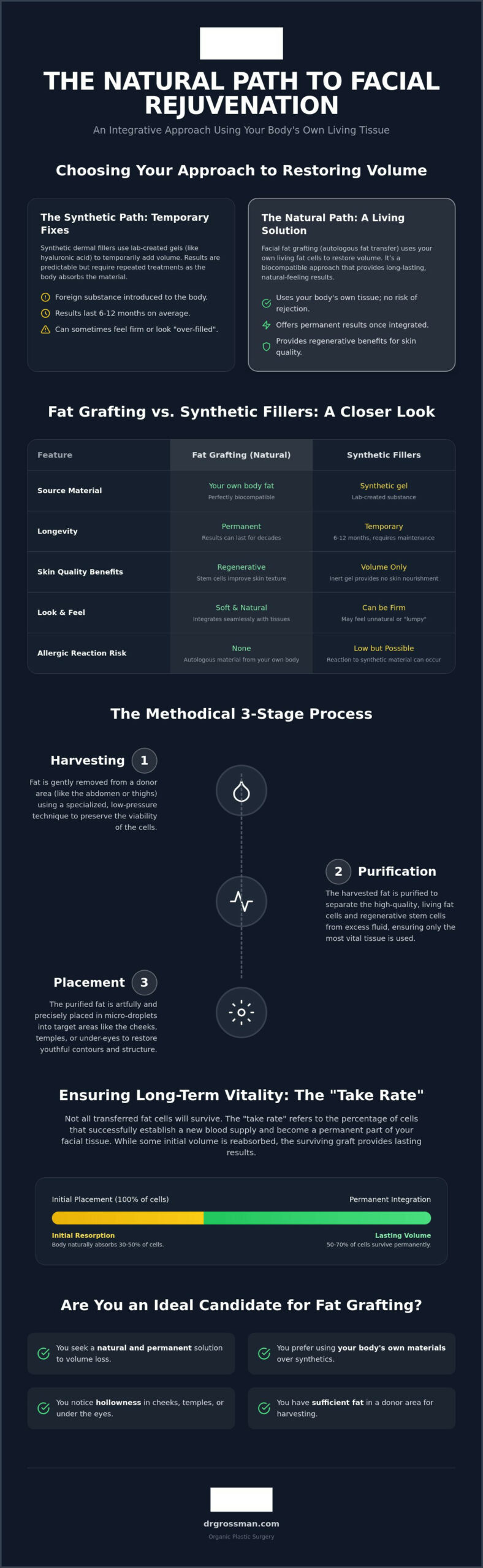
Choosing between synthetic fillers and your own tissue is a decision that involves more than just aesthetics. It’s about how you want your body to interact with the materials used for your care. While synthetic dermal fillers offer a convenient, temporary lift, they are essentially inert gels that your system must eventually process and clear away. Choosing facial rejuvenation with fat grafting represents a shift toward a more integrative, biological approach. Instead of a foreign substance, you’re using a living graft that carries its own blood supply and regenerative potential.
Clinical research on Autologous Fat Grafting for Facial Rejuvenation highlights how this procedure relies on the body’s own healing intelligence. Because the material is autologous, meaning it comes from your own body, the risk of allergic reactions or rejection is non-existent. Your system recognizes these cells as its own, allowing them to integrate seamlessly into the existing facial architecture. This leads to a texture that is remarkably soft and authentic to the touch, avoiding the firmness or “lumpy” appearance that can sometimes occur with high-viscosity synthetic fillers.
Longevity and Value
The most significant difference between these two paths is the timeline of the results. Most hyaluronic acid fillers dissolve within six to twelve months, requiring a cycle of maintenance injections to keep the desired look. Fat grafting offers a permanent solution once the transferred cells establish a healthy blood supply. While the initial investment is higher, the long-term cost-effectiveness is clear when you consider that the results can last for decades. If you are looking for a way to restore facial volume naturally, this one-time procedure provides lasting value that synthetic options simply cannot match.
Skin Quality and Regeneration
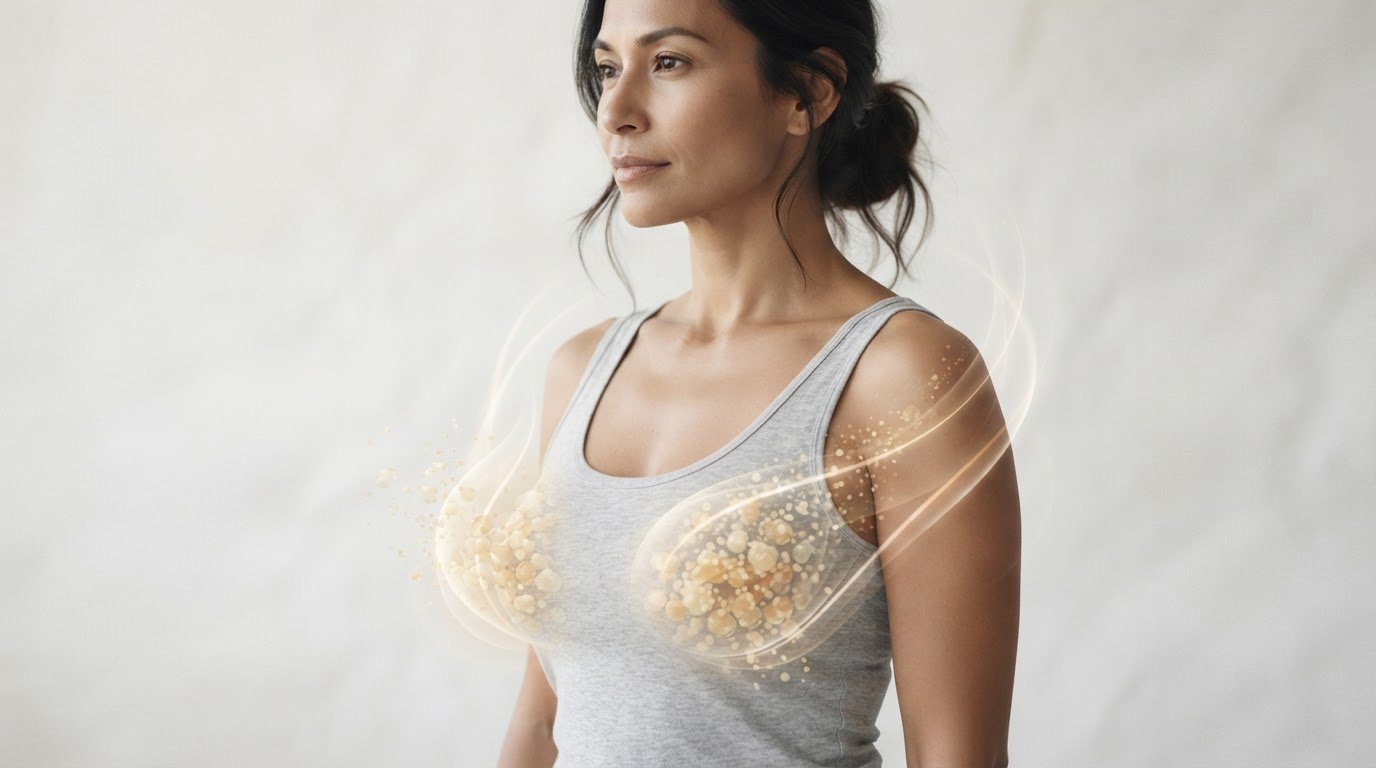
Fat tissue is one of the body’s richest sources of mesenchymal stem cells and vital growth factors. These elements don’t just add volume; they actively work to improve the health of the skin from the inside out. You’ll often notice an improved “glow” and better skin texture in the months following the procedure. Mesenchymal stem cells present in fat grafts actively nourish the surrounding facial skin by stimulating collagen production and improving local microcirculation. This regenerative effect is a unique hallmark of facial rejuvenation with fat grafting, offering a level of skin optimization that no synthetic filler can replicate.
The Three-Stage Process: Harvesting, Purification, and Placement
Success in facial rejuvenation with fat grafting isn’t just about the placement; it’s about the preservation of life. Unlike synthetic materials, fat is a living tissue that requires meticulous handling from the moment it’s harvested until it’s integrated into its new home. This three-stage process is designed to support the body’s natural healing intelligence by ensuring that each cell remains viable and healthy throughout the transition. Research into Facial Rejuvenation With Fat Grafting and Fillers emphasizes that the technical execution of these stages directly correlates with the long-term success of the procedure.
The journey from donor site to facial restoration is a delicate one. We view each step as an opportunity to protect the regenerative potential of your own cells. By following a methodical, clinical path, we can ensure that the results feel like a natural extension of your own vitality rather than an artificial addition. This disciplined approach minimizes trauma to the tissue and sets the foundation for a successful integration.
Stage 1: Gentle Harvesting
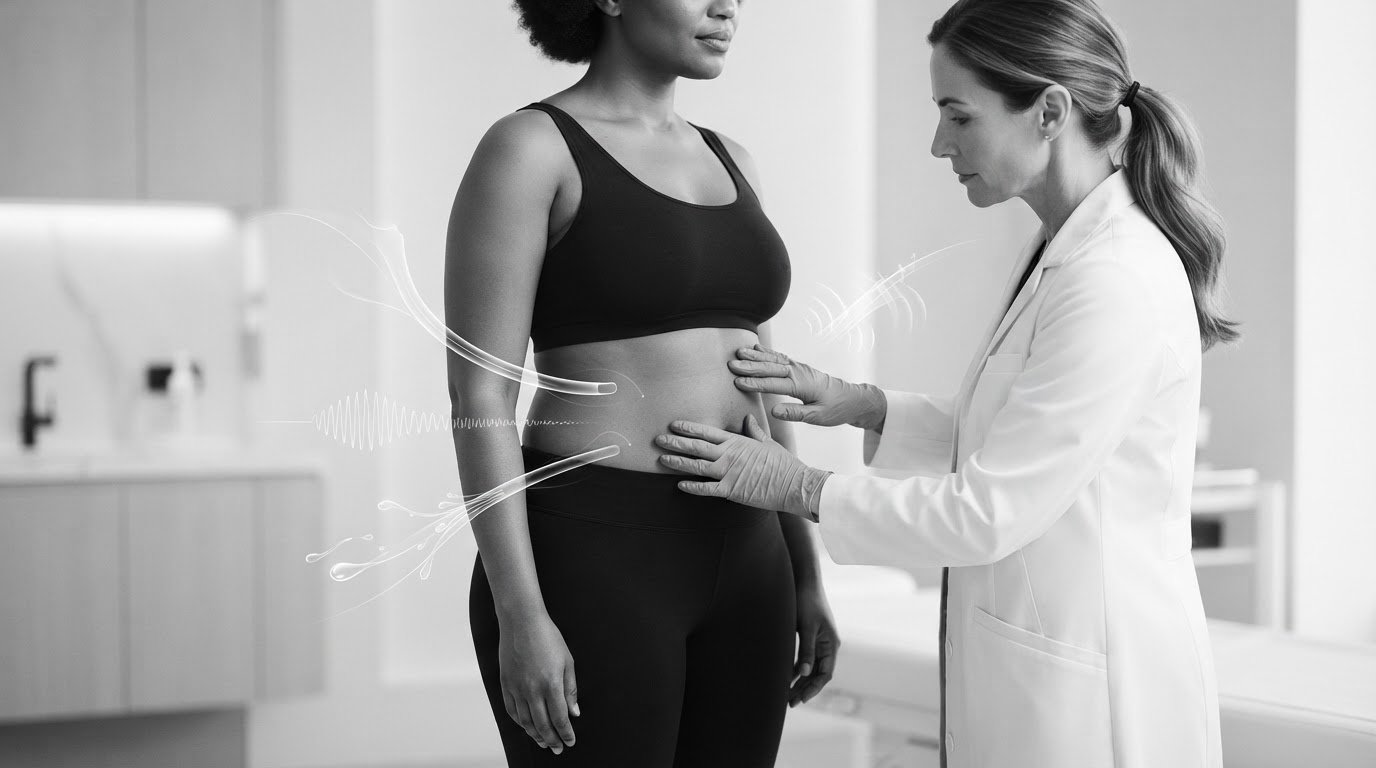
To begin, we identify a donor site where your body has an abundance of healthy adipose tissue. Common areas include the abdomen, flanks, or thighs. We use a specialized, low-pressure harvesting technique during liposuction to collect the fat. This “gentle” approach is vital because high-pressure suction can damage the delicate cell membranes, rendering them unable to survive the transfer. While the primary goal is facial vitality, patients often appreciate the subtle body-contouring benefit that occurs as a secondary gain from this step.
Stage 2: Purification and Optimization
Once harvested, the tissue must be purified before it can be used for facial rejuvenation with fat grafting. Raw aspirate contains blood, oil, and anesthetic fluids that can hinder the integration of the graft. We use precise centrifugation or filtration to isolate the most robust, healthy fat cells. This step is essential for achieving a high “take” rate, which refers to the percentage of fat that survives permanently. Dr. Leonard Grossman’s meticulous approach ensures that we prepare the fat in different consistencies, such as macro-fat for deep structural support and micro-fat for delicate surface refinement.
Stage 3: Artistic Re-Injection
The final stage is where clinical precision meets artistic vision. We use a micro-droplet injection technique, placing tiny amounts of fat in multiple layers. This layering is crucial because each cell needs to be close to a blood supply to receive the oxygen and nutrients it needs to thrive. By carefully building volume from the deep foundations to the surface, we create a balanced, harmonious look. This artistic eye ensures that your results don’t just look “filled,” but truly refreshed and naturally restored to their former character.
Recovery and the “Take” Rate: Ensuring Long-Term Vitality
Recovery is a period of quiet integration where your body welcomes the newly placed cells into their new environment. When we discuss facial rejuvenation with fat grafting, we often focus on the “take” rate. This term refers to the percentage of transferred fat that successfully establishes a blood supply and becomes a permanent part of your facial structure. It’s a biological process that requires both clinical precision and your body’s natural healing intelligence to succeed. While not every cell will survive the transition, the ones that do will remain as a living part of your face for years to come.
During the first few days, you’ll likely experience swelling and some bruising at both the donor and injection sites. This is a natural sign that your system is directing resources to the area to support the healing process. Many patients experience a moment of concern around the three-week mark, wondering, “Where did my volume go?” It’s important to understand that the initial fullness you see immediately after the procedure is often a combination of the graft and temporary surgical swelling. As the swelling subsides, the true, permanent results begin to emerge, usually stabilizing by the six-month mark.
Protecting Your Living Investment
For the first few weeks, the new fat cells are in a delicate state as they seek out a blood supply. Putting pressure on the treated areas can disrupt this revascularization process. We recommend sleeping on your back and avoiding any facial massages or strenuous exercise that could impact the graft’s stability. Supporting your system with nutrient-dense foods and consistent hydration creates the optimal internal environment for these cells to thrive. If you’re ready to begin this journey, you can consult with our experts to develop a personalized care plan that supports your recovery.
- Avoid sleeping on your face to prevent unnecessary pressure on the grafts.
- Maintain a stable weight to ensure the longevity of the results.
- Nourish your body with antioxidants to support cellular health.
- Stay hydrated to help your system process the initial swelling efficiently.
What to Expect 10 Years Later
One of the most rewarding aspects of facial rejuvenation with fat grafting is its remarkable longevity. Unlike synthetic fillers that eventually disappear, established fat grafts behave like normal tissue. They will age gracefully alongside you, maintaining their volume even as the decades pass. They won’t perform the “vanishing act” that often leaves filler patients feeling frustrated. While your face will continue to age naturally, the foundation we build today remains. For a deeper look at what to expect in the long term, you can read The Ultimate Guide to Fat Grafting NYC.
Determining Candidacy for a Natural Volume Restoration
Identifying whether you are a suitable candidate for facial rejuvenation with fat grafting involves looking beyond the surface of the skin. While many people focus on the visible signs of aging, we evaluate the underlying structural changes that define your facial character. The ideal candidate is typically someone experiencing localized volume loss, such as hollowing in the temples, tear troughs, or midface, but who still maintains relatively good skin elasticity. When the skin still has its natural resilience, it can better support the integration of the living fat cells we introduce.
A common concern for many patients is whether they have enough donor fat to facilitate the procedure. While fat grafting to larger areas requires significant volume, the face requires very small, precise amounts. Even lean patients usually have sufficient adipose tissue in the abdomen, flanks, or thighs to meet these needs. The goal isn’t just to fill space, but to use your own biological resources to nourish the face and restore a sense of youthful vitality. This integrative approach ensures that the results feel like a natural extension of your own anatomy.
Fat Grafting vs. Facelift: Which Do You Need?
It’s vital to distinguish between volume loss and skin laxity. If your primary concern is deflation or a sunken appearance, facial rejuvenation with fat grafting is often the most appropriate path. However, if you are experiencing significant sagging of the jawline or neck, a surgical lift may be necessary to reposition the underlying muscles and remove excess skin. These two concerns often happen simultaneously, which is why we frequently perform both procedures together. Combining them allows us to address gravity with a lift while restoring the soft, youthful contours that only volume can provide. For a deeper comparison of these strategies, you can explore our Facelift NYC: An Integrative Guide.
The Consultation: A Personalized Roadmap
We view the initial consultation as a collaborative educational session rather than a simple medical evaluation. Dr. Leonard Grossman’s approach focuses on evaluating your facial symmetry and overall vitality to create a bespoke plan that honors your unique anatomy. We don’t believe in cookie-cutter solutions; instead, we look at how your face has changed over time and how we can support your body’s natural healing intelligence to reverse those shifts. During this time, we’ll discuss your goals and set realistic expectations for your results. This ensures that you feel empowered and informed as you move toward a refreshed, naturally restored version of yourself.
- Evaluation of skin elasticity and underlying bone structure.
- Identification of the most suitable donor site for your body type.
- Discussion of how volume restoration impacts your specific facial symmetry.
- A review of your health history to ensure optimal healing potential.
Embracing Your Natural Vitality
With over 25 years of specialized experience in fat grafting techniques, Dr. Grossman provides a pioneering approach that blends clinical authority with compassionate, integrative care. Our focus remains on biological restoration that respects your natural anatomy and supports your long-term wellness. If you’re ready to move beyond temporary fillers and discover a permanent, health-forward solution, we’re here to guide you through every step of the process. Schedule your integrative consultation with Dr. Grossman to explore natural rejuvenation options. We look forward to helping you reclaim a sense of youthful vitality that feels entirely like you.
Frequently Asked Questions
How long does facial fat grafting last compared to fillers?
Facial fat grafting provides a permanent restoration of volume, while synthetic fillers typically require maintenance every six to twelve months. Once the transferred fat cells establish a healthy blood supply, they become a living part of your facial structure. While your face will continue to age naturally, the added volume remains. This long-term stability offers a significant advantage for those seeking a one-time integrative solution rather than a cycle of recurring injections.
Is the fat transfer procedure painful?
You won’t feel pain during the procedure because we use appropriate anesthesia or local numbing to ensure your comfort. Most patients describe the recovery period as a sensation of mild soreness or tightness rather than acute pain. We prioritize your well-being by using gentle harvesting and injection techniques that minimize trauma to the tissue. Any post-operative discomfort is usually well-managed with simple remedies and rest as your body begins its natural healing process.
Will I have visible scars on my face or donor site?
Scars from this procedure are virtually invisible because we use exceptionally small incisions for both harvesting and placement. At the donor site, the incision is usually only a few millimeters long and placed within natural skin folds. On the face, we use specialized cannulas that don’t require traditional incisions, leaving no tell-tale surgical marks. This meticulous approach ensures that your results look entirely natural while protecting the integrity of your skin’s appearance.
Can fat grafting fix dark circles and hollows under the eyes?
Fat grafting is an excellent solution for correcting the hollows and dark shadows that often appear in the tear trough region. By restoring foundational volume, we eliminate the valley that creates shadows under the eyes. Additionally, the regenerative cells within the fat can improve the thickness and quality of the delicate lower eyelid skin. This dual action helps nourish the area from within, resulting in a brighter and more rested appearance.
What happens if I lose or gain weight after the procedure?
The transferred fat behaves exactly like the adipose tissue in the rest of your body because it’s living tissue. If you experience significant weight fluctuations, these cells will expand or contract just like your natural facial fat. To maintain the most harmonious results, we recommend achieving a stable weight before your facial rejuvenation with fat grafting. This stability allows the graft to integrate perfectly with your unique facial contours for years to come.
Is facial fat grafting safer than synthetic dermal fillers?
Facial rejuvenation with fat grafting is considered exceptionally safe because it uses your own biological material, eliminating the risk of allergic reactions or rejection. Synthetic fillers are foreign substances that can occasionally cause inflammatory responses. By using autologous tissue, we support your body’s natural healing intelligence and avoid the complications associated with bio-incompatibility. This integrative choice prioritizes your long-term health while achieving a soft, authentic restoration of your features.
How much downtime is required before I can return to work?
Most patients feel comfortable returning to work and social activities within one to two weeks. While you can often resume light daily tasks after a few days, initial swelling and minor bruising may take a bit longer to resolve. We encourage you to listen to your body and allow for a period of quiet integration. By the second week, any remaining signs of the procedure are usually easily camouflaged as your face begins to settle into its refreshed state.
Can fat grafting be combined with other procedures like a neck lift?
We frequently combine fat grafting with other restorative surgeries like a neck lift or eyelid surgery to achieve a more comprehensive result. While a neck lift addresses skin laxity and muscle banding, fat grafting restores the youthful plumpness that surgery alone cannot provide. Combining these approaches allows us to address the two primary signs of aging, sagging and volume loss, in a single session. This holistic strategy ensures a balanced and naturally rejuvenated appearance.