Skip to content
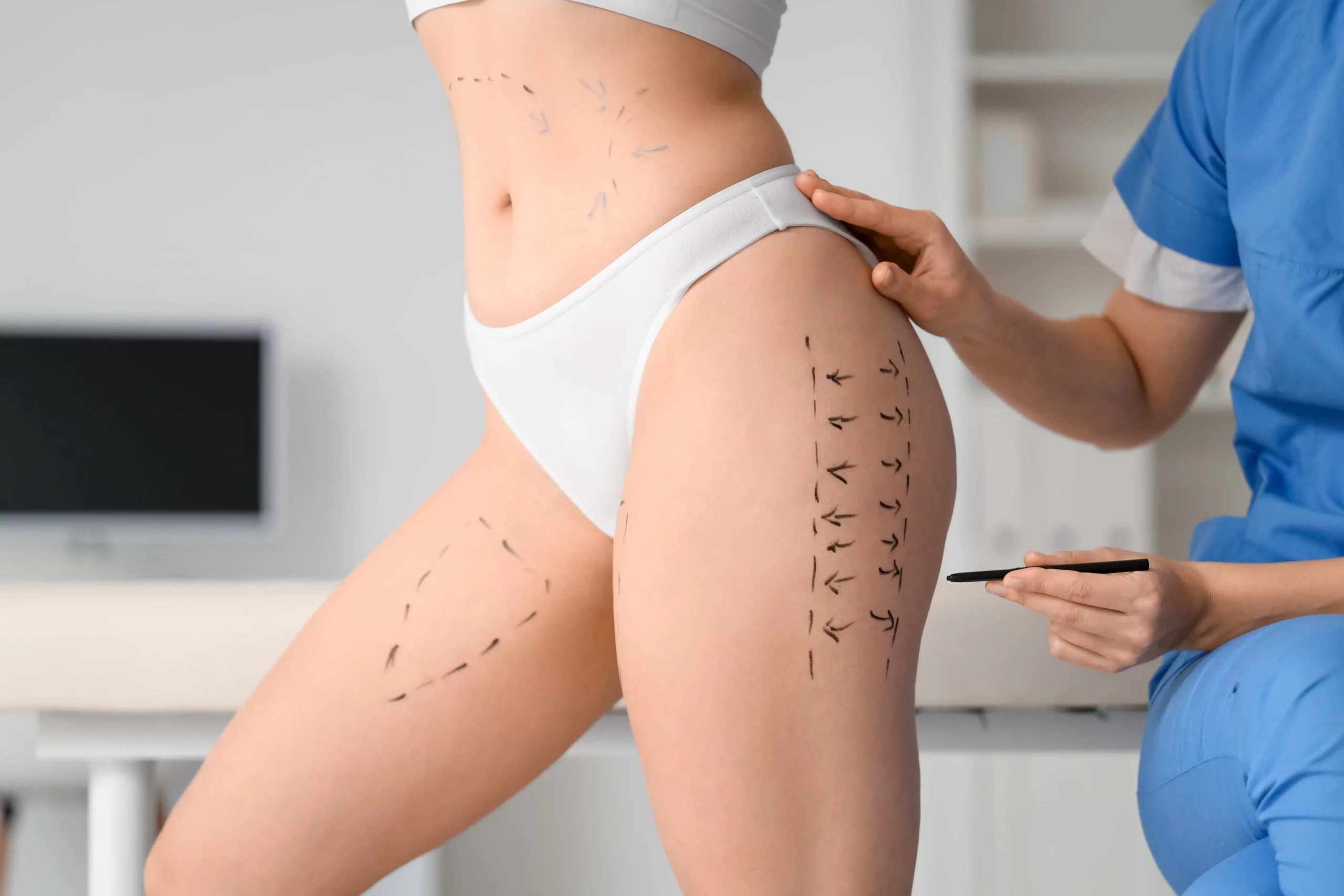
A thigh lift is a transformative procedure that reshapes the upper legs, helping them look smoother, firmer, and more proportionate. Preparing properly for surgery is one of the most important steps you can take to support a safe procedure and a smoother recovery.
This step-by-step guide explains what to expect before a thigh lift, how to prepare your body and home, and how to set realistic expectations for recovery and results.
What Is the Purpose of a Thigh Lift?
The thighs can lose firmness and shape due to:
- Weight loss or weight fluctuations
- Aging
- Pregnancy
- Loss of skin elasticity
When excess skin develops on the inner or outer thighs, it may sag, rub together, or cause irritation and skin infections. Clothing may no longer fit comfortably, and daily movement can feel awkward.
A thigh lift removes excess skin, tightens the tissue above the muscle (the fascia), and improves the overall contour of the legs. The goal is smoother, more balanced thighs that move and feel better.
When reviewing thigh lift before-and-after photos, it’s important to remember that results vary based on anatomy, skin quality, and surgical approach. Reviewing these images with your surgeon helps set realistic expectations for your own outcome.
Step One: Your Thigh Lift Consultation
Your consultation is the foundation of your surgical plan. During this visit, you will discuss your goals, learn about your options, and determine whether a thigh lift is right for you.
Your surgeon may evaluate:
- How much loose skin extends down the thigh
- Areas of excess fat
- Skin elasticity and fascia strength
- Whether liposuction should be combined with skin removal
- Incision placement and scar location
Many patients ask about the difference between a full thigh lift and a mini thigh lift. Your surgeon will explain how these procedures differ in incision length, surgical time, and expected recovery.
Medical Clearance and Pre-Surgical Testing
After your consultation, your surgeon may request medical testing to ensure you are ready for surgery. This can include:
- Blood work
- A physical exam
- Medication review
- Cardiac testing (if needed)
In some cases, patients may be asked to reach or maintain a stable weight before surgery. These steps are essential for safety during anesthesia and optimal surgical results.
Strengthening Your Body Before Surgery
Healthy habits before surgery can make recovery easier.
Helpful preparation includes:
- Staying well hydrated
- Eating a high-protein diet to support healing
- Getting enough vitamin C and zinc for wound repair
- Taking short daily walks to improve circulation
Patients who arrive at surgery with stable weight, balanced nutrition, and good energy levels often experience a smoother recovery.
Preparing Your Home for Recovery
Thigh lift recovery requires limited bending and slower movements during the early days. Preparing your home ahead of time can reduce stress.
Consider setting up a recovery area with:
- Water and medications within easy reach
- Loose clothing to reduce friction
- Pillows or wedges to elevate the legs
- Pre-prepared meals
- Non-slip bathroom mats
- A comfortable resting space on one level of your home
Planning Time Off Work and Activities
Thigh lift recovery time varies depending on the procedure:
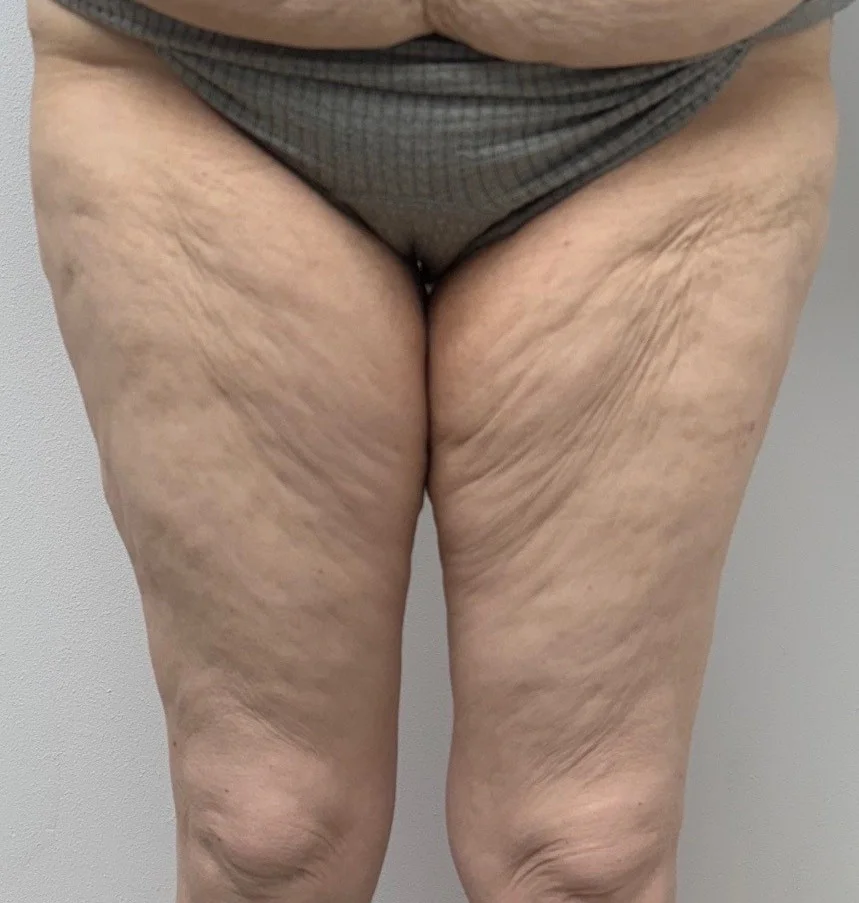
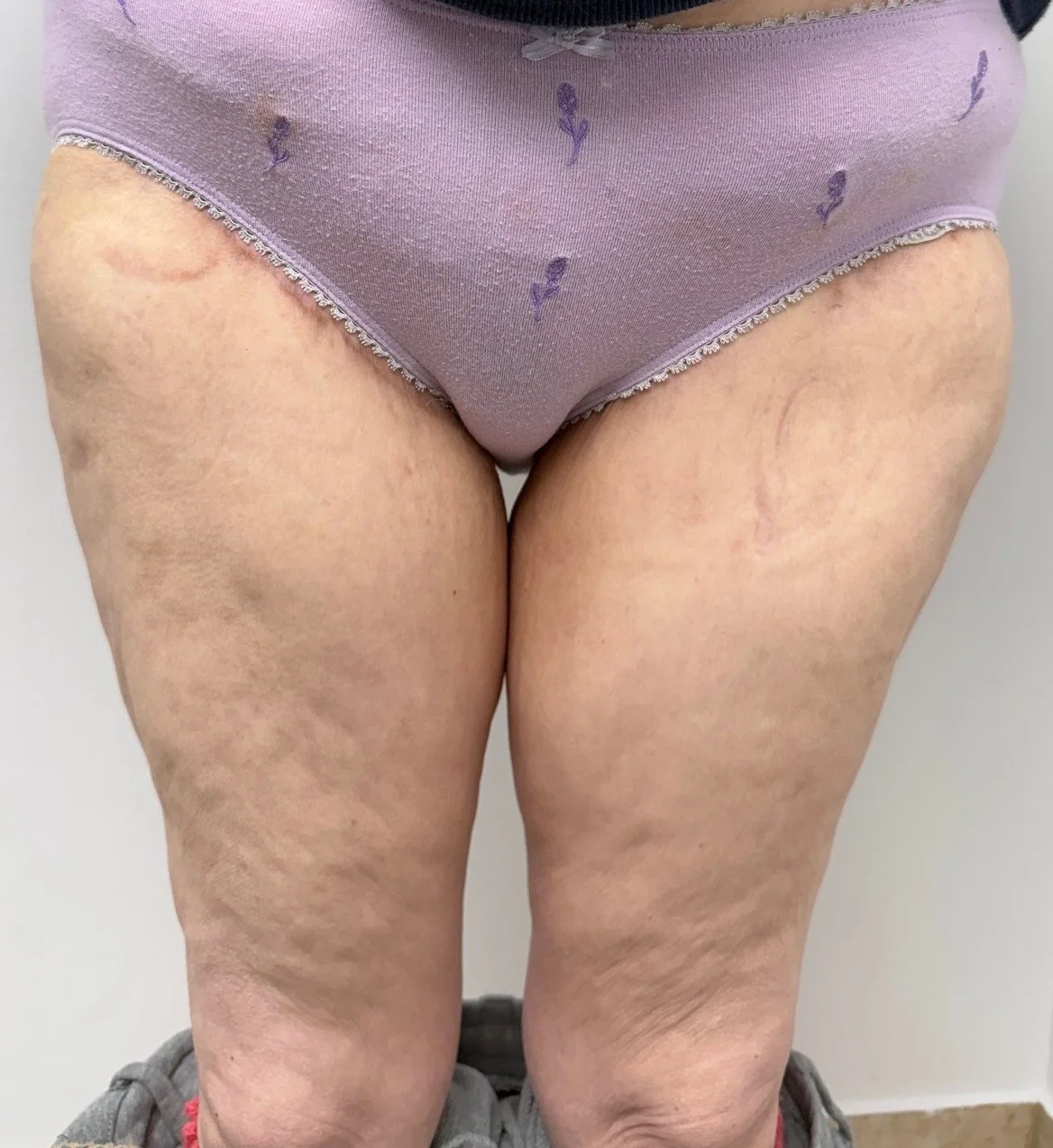
- Inner thigh lift: Requires careful movement when sitting and standing
- Outer thigh lift: May temporarily affect hip mobility
- Mini thigh lift: Usually involves shorter downtime, but still requires activity restrictions
Most patients take several days to two weeks off work. Jobs that involve physical labor may require additional recovery time.
Exercise, heavy lifting, running, and cycling must be avoided during early healing to protect incisions and prevent fluid buildup.
Pre-Operative Instructions
You will receive detailed instructions before surgery, including:
- When to stop eating and drinking
- Which medications to stop or continue
- Showering with antibacterial soap before surgery
Following these instructions closely helps reduce infection risk and supports safe healing.
What Happens on the Day of Surgery?
On the day of your thigh lift:
- Your surgeon reviews the surgical plan
- Your medical history is confirmed
- Precise markings are placed on the thighs
These markings are customized to your anatomy to ensure accurate skin removal and balanced contours.
After surgery, you will be monitored in recovery until stable. You will then be discharged to the care of a responsible adult.
Most patients are able to walk almost normally immediately after surgery. Tightness or fullness is more common than pain. Because no drains are used, patients often experience greater comfort and freedom of movement.
Physical and Emotional Recovery
Recovery involves both physical healing and emotional adjustment. Swelling and bruising are normal and can temporarily affect how your thighs look.
This phase is expected. Viewing progress photos can help reassure patients that results continue to improve over weeks and months.
Helpful recovery habits include:
- Gentle walking to improve circulation
- Staying hydrated
- Eating high-protein, minimally processed foods
Maintaining a simple daily routine can make recovery feel more manageable.
Returning to Normal Activities
Light daily activities can usually resume within a few days. Bending, stretching, and strenuous movements should be limited at first.
As swelling decreases, the thighs gradually appear more defined. Final contour continues to improve over several months.
Long-term success depends on maintaining a stable weight and healthy lifestyle.
Thigh Lift Surgery in NYC With Dr. Leonard Grossman
Patients seeking a thigh lift in NYC trust Dr. Leonard Grossman for his natural-looking results and meticulous technique. With decades of experience, he specializes in refining thigh contours without an over-operated appearance.
His approach includes:
- Precise removal of excess skin
- Tightening of the fascia layer
- Selective liposuction for smooth transitions
- No drain tubes, reducing discomfort and infection risk
Dr. Grossman sees patients at his Brooklyn and Manhattan offices.
Frequently Asked Questions About Thigh Lift Surgery
How long is thigh lift recovery?
Most patients return to light activity within days, with continued healing over several months.
What is the difference between an inner and outer thigh lift?
An inner thigh lift targets sagging skin between the legs, while an outer thigh lift improves laxity along the hips and outer thighs.
Who is a good candidate for a thigh lift?
Healthy individuals with loose thigh skin that does not improve with diet or exercise.
Are results visible immediately?
Yes, though swelling softens the final appearance at first.
Can a mini thigh lift treat the entire thigh?
No. A mini thigh lift improves only the upper inner thigh.
Schedule Your Thigh Lift Consultation Today
If you are ready to feel more comfortable and confident, schedule a thigh lift consultation with Dr. Leonard Grossman in NYC. Our team will guide you through every step before, during, and after surgery.
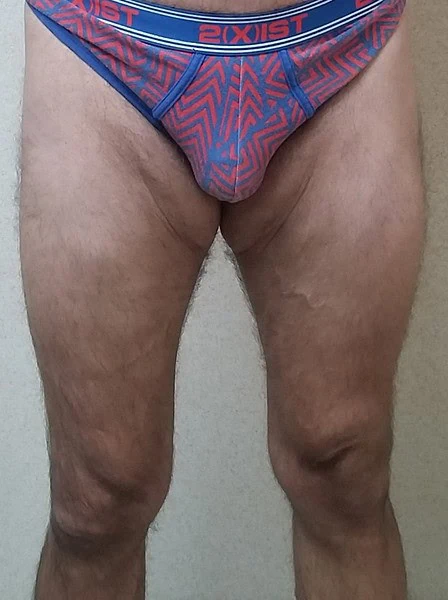
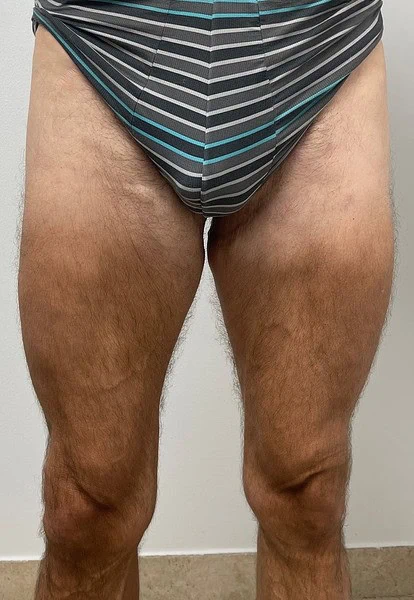
For patient transformations and educational content, follow Dr. Grossman on Instagram and Facebook.