Skip to content

A non-surgical nose job with fillers can smooth the appearance of some contours, but it is temporary. Results often last about a year, depending on the filler and how quickly your body absorbs it.
If you want to soften a bump or irregularity without surgery, it helps to know what filler can and cannot do. Filler reshapes the nose by adding volume, so it may camouflage certain features, but it cannot make the nose smaller.
This guide covers how long results may last, what filler can change, and how it compares with surgical rhinoplasty. It also explains important safety considerations and when surgery may better match your goals, so you can weigh the options with a clearer picture of what to expect.
Key Takeaways
- Learn what filler can refine and why it can make a nose look straighter without making it smaller.
- Recognize when nasal filler may suit your goals, and when breathing concerns or major changes call for a different approach.
- See why results vary with the filler and how your body absorbs it, so you can think ahead about maintenance.
- Understand how hyaluronic acid fillers differ from Bellafill when considering whether filler can be dissolved.
Is non-surgical rhinoplasty permanent?
No. Liquid rhinoplasty is temporary, and results commonly last about a year. As your body gradually absorbs the filler, the profile moves back toward its original appearance. Maintaining the change may require further treatment.
Filler changes contour by adding volume, not by removing bone, cartilage, or tissue. Adding filler above and below a nasal hump can make the bridge look straighter, but the extra volume may make the nose larger overall. Filler may raise the bridge or tip, but it cannot reduce nose size or width. Surgical rhinoplasty can change the underlying structure and may better suit someone seeking reduction or a substantial correction.
A history of rhinoplasty needs careful consideration because surgery can change the nose’s blood supply. Altered circulation may increase the risk of complications from dermal filler injections. Filler may camouflage a small residual irregularity, such as an uneven contour, but a permanent nasal implant may make treatment inappropriate. An assessment should consider the previous procedure, implant history, tissue condition, and desired change.
Revision treatment is not simply a repeat of the original operation. Liquid filler may smooth a shallow dip or mild asymmetry after surgery, but this camouflage does not correct the underlying structure or improve breathing. Start by defining your goal: conceal a contour, reduce size, or change the structure. Filler may soften the appearance of a small bump; surgery can reduce a large bridge.
In the United States, the price depends on the number of sessions and the concern being treated. A quote request provides case-specific pricing.
Safety matters: the U.S. Food and Drug Administration says dermal filler injections into the nose are not approved. Nasal blood vessels lie near the eyes. A blockage can damage skin or tissue and, rarely, affect vision.
Suitable candidates and treatment limitations
A suitable candidate wants a temporary contour change, such as smoothing a small irregularity on the bridge, rather than a smaller nose. Liquid rhinoplasty is cosmetic and does not address breathing difficulties or major nasal deformities.
Consultation and Treatment Expectations
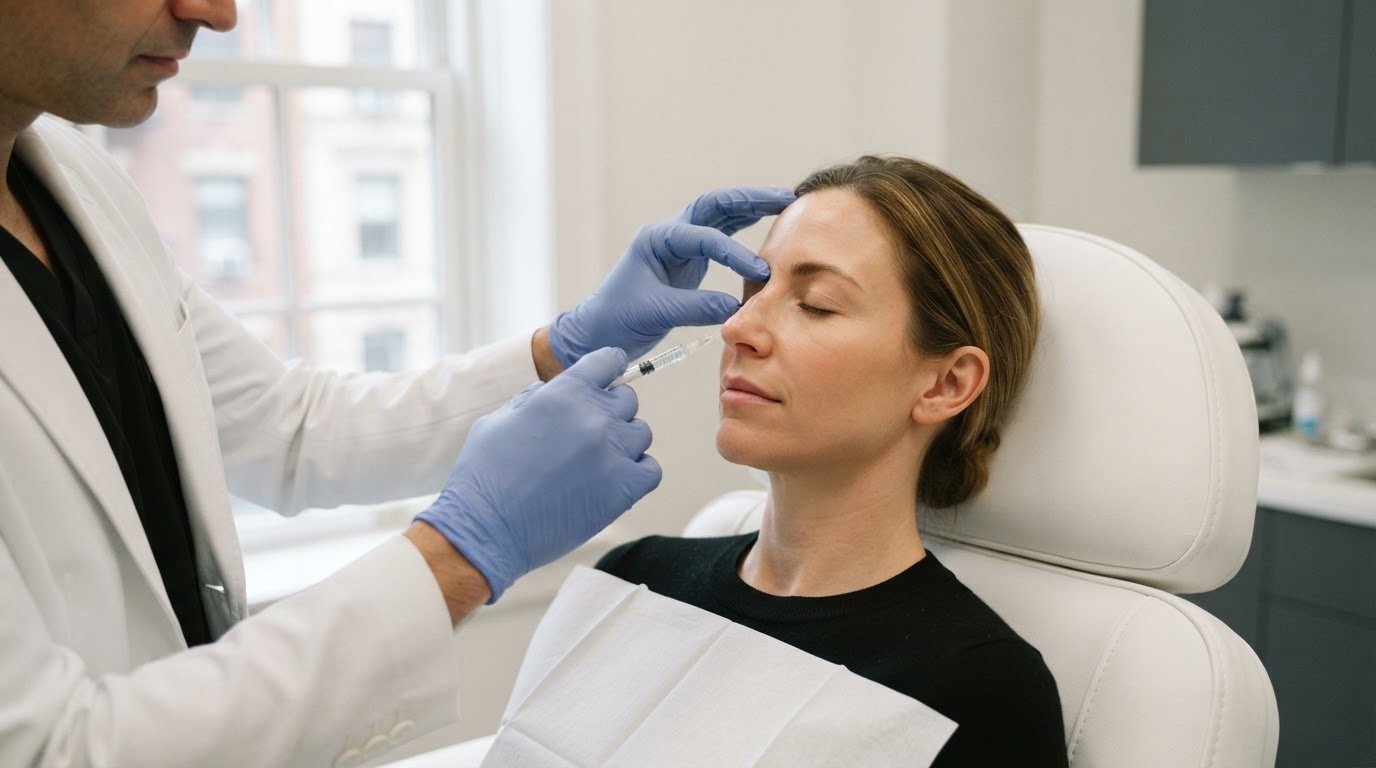
Before treatment, the skin is cleansed and numbed. The injector places small amounts of filler gradually while you are awake, assessing the contour as treatment progresses. Ask what the planned change can achieve: filler may camouflage a bump, but adding volume cannot reduce nose size or improve breathing.
Temporary Fillers and Treatment Timing
Results depend on the filler and how quickly your body absorbs it. Standard treatment often needs maintenance every 9-12 months, so consider whether repeat visits fit your plans. Temporary results can be useful if you want a reversible-feeling change in appearance, but they aren’t permanent. The specific product also affects how long the contour remains visible.
Plan around visible recovery changes, not just appointment time. Mild swelling or bruising may settle within 24-48 hours, while final results develop over 2-4 weeks as filler settles. Avoid touching or massaging the area for 24 hours, and strenuous exercise for 24-48 hours. Most people have little downtime, but allow time for early swelling before an important event.
During liquid rhinoplasty, you remain awake while filler is injected gradually. Slight discomfort, redness, swelling, or bruising may occur. You can usually resume normal activities promptly, although the final contour takes time to settle.
How long results last
Liquid rhinoplasty results are temporary, and their duration varies with the filler type and how quickly your body absorbs it. The product used influences both the expected timeline and any maintenance plan.
Expected Result Duration
A common maintenance interval for standard non-surgical rhinoplasty is 9-12 months. UCI Plastic Surgery describes a broader range, from four months to three years, depending on filler and other factors. These timelines differ because products have different properties, and people absorb them at different rates. Ask which timeline best fits the specific filler selected.
The duration of hyaluronic acid filler results in the nose can vary. Other estimates for nose filler include about one year, so the product matters more than a single general estimate. A smooth bridge at first may gradually lose definition as the body absorbs the gel. The facial contour changes over time rather than switching back all at once.
Swelling can briefly affect how the treated area looks, so early appearance isn’t a reliable guide to the final contour. Final results develop over 2-4 weeks as swelling resolves and filler settles. That interval helps explain why assessment soon after injection may differ from a later review.
Maintenance and Repeat Treatment
Further treatment may maintain a temporary result, but it should not be an automatic calendar appointment. As the filler diminishes, reassess whether the original change still suits your goals. A small irregularity on the bridge may call for a different plan from a broader area that has lost definition.
Before another injection, discuss the product, any filler that remains, and the shape you want. The nose’s blood vessels and closeness to the eyes make potential complications an important part of planning. The U.S. Food and Drug Administration says dermal filler injections into the nose are not approved. A plastic surgery consultation can help you understand the temporary nature of liquid rhinoplasty and the risks of repeat treatment.
Keeping a record of the product and treatment date gives you a useful reference at follow-up. For example, noting whether the bridge remains smooth as the expected maintenance interval approaches can make the discussion more focused than relying on memory alone.

Can Bellafill be removed from the nose after injection?
Hyaluronic acid (HA) fillers can be dissolved with hyaluronidase, an enzyme. Bellafill should not be assumed to respond to the same reversal method. The information available here does not establish a specific removal method for Bellafill injected into the nose. Before treatment, understand how the selected product differs and what options may be available if its appearance needs correction.
Common liquid rhinoplasty fillers include HA-based Restylane and Juvéderm. Hyaluronidase can dissolve HA dermal filler, and the treated filler may dissolve within 1-3 days after enzyme treatment. This offers a reversal option, not a guarantee that every irregularity or appearance concern will resolve exactly as desired.
Bellafill and HA fillers are not interchangeable. An enzyme can dissolve HA filler, but that does not establish that it dissolves Bellafill. Before proceeding, ask which filler and injection technique are planned and how the clinician would address an unwanted result.
Which FDA-approved fillers are used for nose injections, and are they approved for this use? Restylane and Juvéderm are commonly used for liquid rhinoplasty, but the U.S. Food and Drug Administration does not approve dermal filler injections into the nose. Nasal reshaping with these fillers is therefore not an FDA-approved use.
If you are weighing filler against plastic surgery, the right option depends on the change you want. Filler can add volume to camouflage selected irregularities, but it cannot reduce nasal size or alter the underlying structure. A surgeon can discuss whether a structural procedure better matches your goal. Because the nose has many blood vessels and sits close to the eyes, careful assessment of risks is essential.
If you’re considering facial filler and want to discuss the approach, schedule a filler consultation to review your goals and treatment options.
Dr. Leonard Grossman: Dermal Fillers
Dr. Leonard Grossman offers dermal fillers, providing an opportunity to discuss your facial contour goals and whether filler treatment is suitable for them. If you are considering a change to your nose, a personalized conversation can clarify what dermal fillers may achieve, their temporary nature, and the safety considerations involved in nasal injections.
Bring your priorities to the discussion. For example, consider whether you want to soften an irregular contour or change the nose’s size. Filler adds volume, so it may camouflage some features but cannot make the nose smaller. Knowing this distinction can help you weigh your goals against the treatment’s limitations.
To discuss dermal fillers and your goals, contact Dr. Leonard Grossman.
Choose the next step that fits your goals
Use your next conversation to clarify what you want your profile to look like and which changes matter most. A useful plan starts with your priorities, whether you are considering a non-surgical nose job with fillers or another approach. You can also discuss timing, recovery, and how treatment choices relate to your broader aesthetic goals—for instance, those looking to balance facial aesthetics with smile enhancements can consult providers like Butterfly Dental Care for restorative and aesthetic care.
Dr. Leonard Grossman offers dermal fillers, Fat Grafting to the Face, Fat Grafting to the Breasts, and Fat Grafting to the Buttocks. These procedures address different goals, so your discussion can focus on the treatment that fits your needs.
If you’re ready to discuss your goals and possible next steps, contact Dr. Leonard Grossman. A clear, thoughtful conversation can help you move forward with greater confidence.
Frequently Asked Questions
What Is a Non-Surgical Nose Job?
A non-surgical nose job with fillers uses injectable dermal filler to adjust the nose’s visible contours without an operation. For example, filler can add volume around a shallow dip or along the bridge to create a more even-looking profile. It changes appearance rather than nasal structure, so it isn’t a substitute for surgery when the goal involves reducing tissue or correcting breathing.
Can I get filler on my nose?
Yes, a non-surgical nose job with fillers may be considered for cosmetic contouring, but nasal injections require careful risk assessment. The U.S. The nose’s blood vessels and closeness to the eyes make it important to discuss injection complications. Previous nasal surgery or a permanent implant may also affect whether treatment is appropriate.
Can a nonsurgical nose job narrow your nose?
No. Filler adds volume, so it cannot physically narrow the nose or remove tissue. Adding volume along the bridge may make the profile look more even in some cases, but the nose may become larger overall. If your main goal is a narrower nose, discuss structural options such as surgical rhinoplasty rather than expecting filler to reduce its width.
Can anything be done for a dent in my nose?
A shallow dent may sometimes be camouflaged by adding filler nearby, making the surface look more even. The best approach depends on the dent’s location, depth, and cause. For example, an indentation after an injury may need a different assessment from a contour change following rhinoplasty. Filler adds volume; it does not repair underlying structural damage.
How Long Do the Results Last?
Results vary with the filler used and how quickly your body absorbs it. Hyaluronic acid filler in the nose may last 12-18 months, while maintenance for standard treatment is often planned every 9-12 months. These are different measures, not a fixed schedule for everyone. Keep the product name and treatment date so future discussions can account for what was injected.
How long does recovery take?
Most people can resume normal activities promptly after liquid rhinoplasty, though the treated area may need time to settle. Mild swelling or bruising commonly resolves within 24-48 hours, while the final contour can take 2-4 weeks to develop. Avoid touching or massaging your nose for 24 hours, and follow the injector’s specific aftercare instructions if they differ.