Skip to content

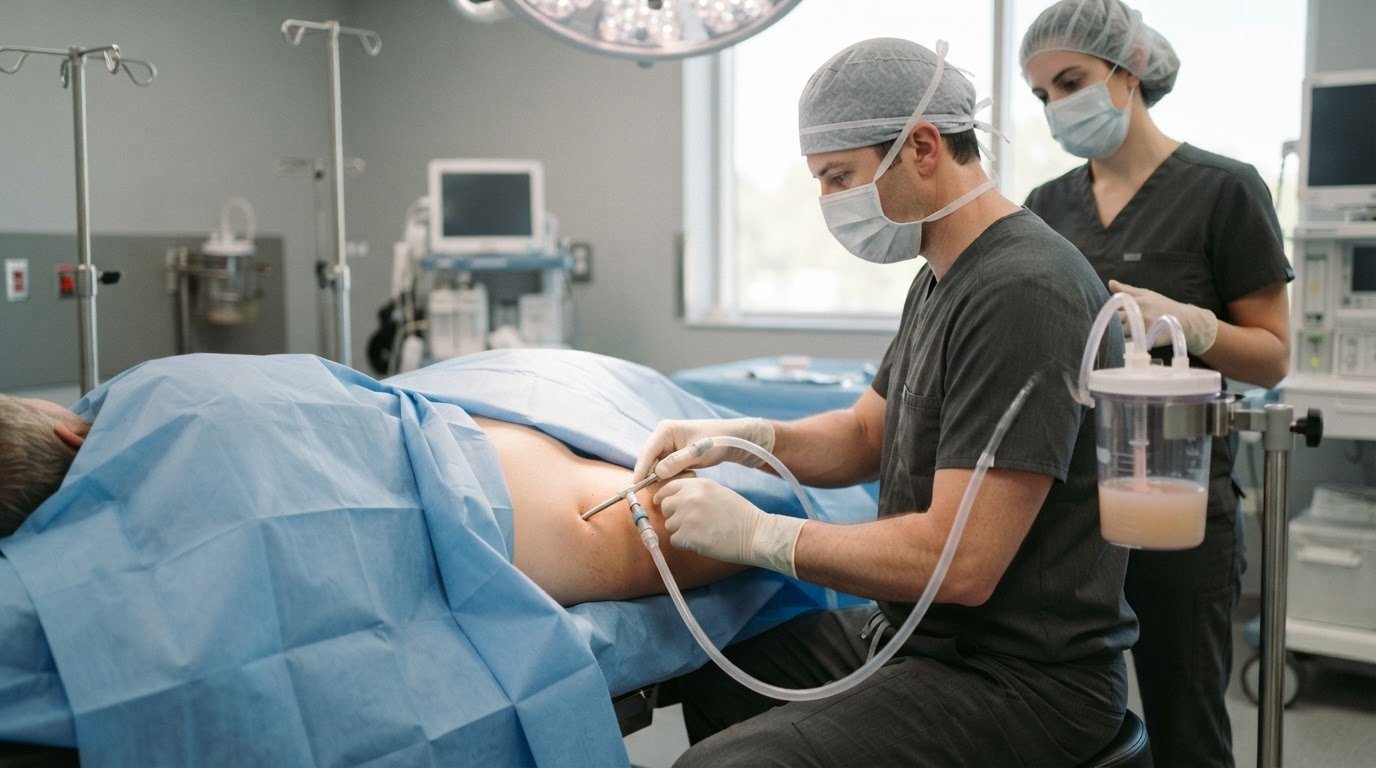
Liposuction is limited by safety, not by how much weight someone hopes to lose. Approximately five liters is a commonly cited guideline for one procedure, but how much fat can be removed with liposuction safely depends on the patient and treatment plan. Liposuction shapes specific areas; it is not a substitute for weight loss.
It’s understandable to focus on the amount removed, especially when you want to know what result to expect. But the number alone doesn’t tell the whole story: eligibility, the areas being treated, and how lasting changes in fat cells work all matter. Liposuction permanently removes fat cells from treated areas, while substantial weight gain can enlarge remaining fat cells elsewhere.
This article explains why removal limits exist, how body weight and a BMI around 30 may relate to eligibility, and why liposuction is not a weight-loss procedure. You’ll also learn how removed fat cells affect long-term results, so you can approach the decision with a clearer understanding of both the potential changes and their limits.
Key Takeaways
- Think of liposuction as body contouring, not a way to reach a target weight; the amount removed is only one part of planning.
- Understand how body weight and overall health can affect whether liposuction is a suitable option for you.
- Learn why removal limits help manage risk and what typical fat-removal amounts can mean in practice.
- See how removing fat cells from treated areas can shape lasting results, and why weight changes still matter.
What Is the Maximum Weight for Liposuction Patients?
There’s no single maximum patient weight that applies to every liposuction procedure. A BMI around 30 is a cutoff used by many plastic surgeons, while the goal remains reshaping specific areas rather than reducing overall weight.
Body Contouring Versus Weight Loss
Liposuction is a body-contouring procedure that removes localized fat to refine selected areas. It is not designed to treat obesity or produce substantial weight loss, so the change on the scale may be modest compared with the visible change in contour.
Bariatric surgery is intended to address body weight, while liposuction focuses on localized contours. That difference matters if your main goal is a lower overall weight: liposuction alone isn’t a substitute for weight-loss treatment. The average reported fat-related weight loss after liposuction is 5 to 10 pounds, not a target or promise for each patient.
Patient Weight and BMI
BMI relates a person’s weight to height and can help frame a discussion about eligibility. Around 30 is a cutoff used by many plastic surgeons, but it isn’t a universal maximum weight for every patient or procedure.
For example, two people at the same weight may differ in height, body proportions, health considerations, and areas of concern. These differences affect how a surgeon assesses suitability and plans body contouring. The key question is not just what the scale says, but whether the goal is localized shaping.
Weight maintenance can help preserve the contour after treatment. Liposuction permanently removes fat cells from treated areas, but substantial weight gain can enlarge remaining fat cells and change body shape. For example, gaining 20 pounds after surgery may lead to new fat cells developing in the abdomen and elsewhere, affecting the result.
Discuss your weight stability and goals during treatment planning. The cost depends on the areas treated and the plan for your case; the exact amount is provided in a tailored quote.
What is liposuction, and how can it benefit me?
Liposuction can reduce localized fullness and refine contours in areas such as the abdomen. Its benefit is targeted reshaping, while the amount removed also affects the procedure’s risk profile. One study reported an overall complication rate of 1.5%. Major complications occurred in fewer than 1 in 1,000 patients.
Those figures describe the patients studied, not a guarantee for an individual. The most common reported complication was a seroma, a fluid collection that required drainage. Patients who experienced complications had an average liposuction volume of 3.4 liters. This does not establish that volume alone caused the complications, but it shows why the planned amount matters alongside treatment areas and patient factors.
Removing more fat can increase the complexity of recovery. In the study, patients having more than five liters removed had an overall complication rate of 3.7%, compared with 1.1% in the comparison group. These figures describe an association, not an outcome that predicts what will happen to every patient. A careful plan weighs contour goals against the body’s response to surgery.
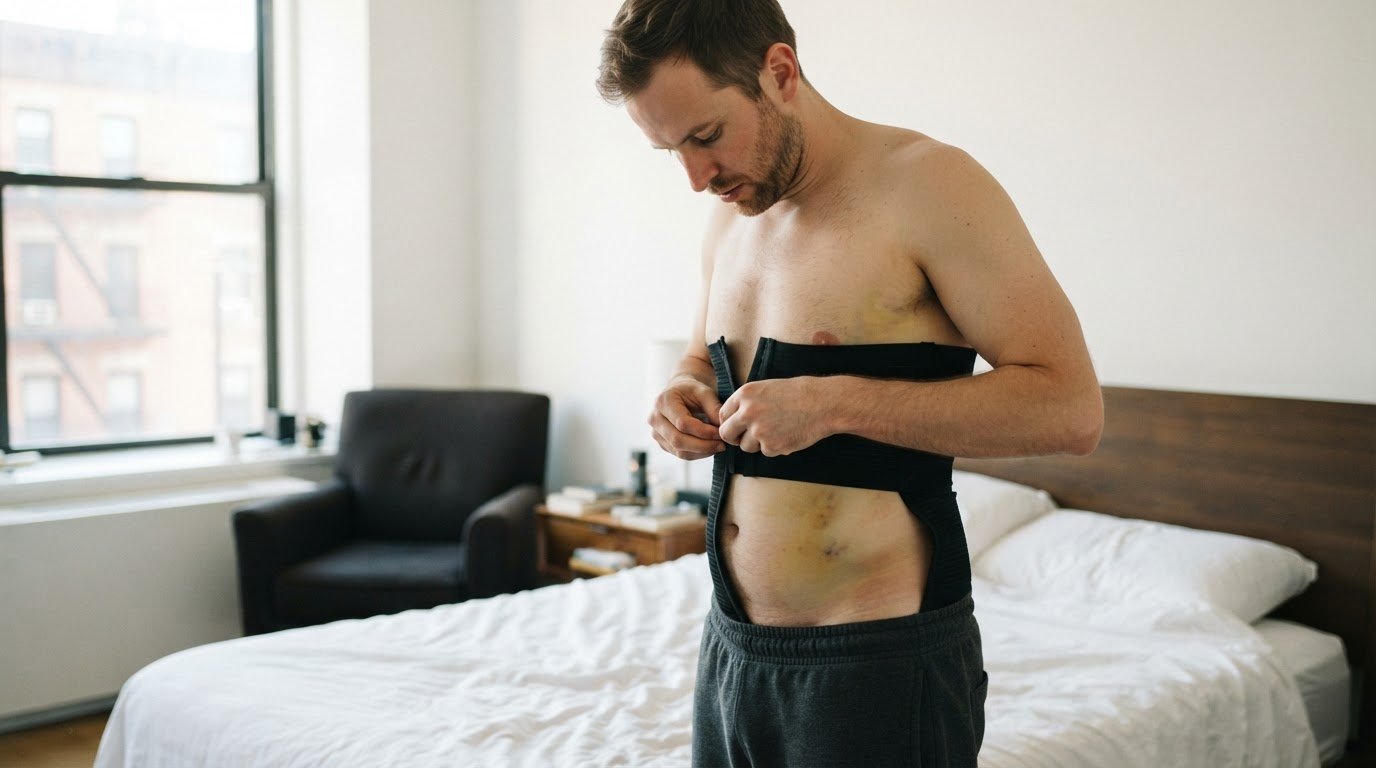
Recovery includes wearing a compression garment for a few weeks after surgery to support the treated areas as swelling changes and contours emerge. Follow the postoperative instructions provided for your care, and raise any recovery concerns with your surgical team. The body needs time to adjust after tissue removal, so the early appearance may differ from the settled result.
If you’re considering treatment for areas such as the abdomen, a discussion of liposuction treatment planning can help connect your goals with safety and recovery considerations.

Why is there a limit on liposuction fat removal?
Approximately five liters is a commonly cited guideline for one procedure. The safe amount also depends on the patient, treatment area, and setting.
Typical Fat Removal Amounts
Typical removal is approximately 2 to 4 liters of fat, or around 5 to 8 pounds. In a study of more than 4,500 patients, the average volume was about two liters. These figures offer context, not a target for every procedure. For readers considering body contouring, the amount is planned around the areas being treated and the desired contour.
Factors Affecting Fat Removal
The amount removed depends on the treatment plan, areas involved, and the patient’s circumstances. Treating one localized area differs from treating several regions. The surgeon also considers how the planned volume relates to the procedure and recovery. Maximizing the amount removed is not the same as achieving balanced body contouring.
Technique and Treatment Area
Technique and treatment area both influence the volume removed. With traditional liposuction, a single area may typically yield around 200 to 500 mL of fat. Areas differ in size and the amount of localized fullness being addressed, so volumes aren’t interchangeable across treatments. The method and distribution of treatment help shape the plan, rather than a single fixed amount applying to every area.
Outpatient Removal Limit
The approximately five-liter guideline isn’t a single outpatient limit that applies throughout the United States. Florida outpatient procedures involving only liposuction and/or fat transfer are limited to 4 liters. If liposuction is combined with another procedure, such as a tummy tuck or breast procedure, Florida’s stated limit is 1 liter of fat removed. The applicable setting and combination of treatments therefore matter.
Liposuction and permanent fat-cell removal
Liposuction permanently removes fat cells from the specific areas treated during surgery. The procedure changes the number of fat cells in those zones, rather than removing every fat cell from the body. For example, if treatment targets the abdomen, the change applies to that treated area. This distinction explains why localized contouring can last without making the procedure a whole-body weight-control method.
Fat cells remaining in treated areas can still change in size. After weight gain, they may enlarge and soften or alter the contour created by surgery. Untreated areas also retain their fat cells and can change as body weight changes. Surgery reshapes selected regions; it does not prevent future changes in weight from affecting your shape.
Substantial weight gain can also lead to new fat cells developing in the abdomen and elsewhere. This does not reverse the removal of cells from a treated area, but it can change overall proportions. For example, after abdominal liposuction, weight changes elsewhere may affect how balanced the abdomen looks relative to surrounding areas. Permanent fat-cell removal does not mean your shape will remain unchanged despite later weight changes.
To understand a surgical result, distinguish between fat cells removed from treated areas and the body’s remaining capacity to store fat. Cell removal from the treated area is permanent, while the possibility of future fat accumulation is why maintaining a stable weight matters. Liposuction does not prevent changes in untreated regions. Keeping these points in mind helps set realistic expectations for contour and long-term results.
Dr. Leonard Grossman: Liposuction
Dr. Leonard Grossman offers liposuction for patients considering targeted body contouring after learning about removal limits, weight, and lasting changes. A consultation can help connect your goals and areas of concern with a suitable treatment plan, including discussion of how much fat removal may fit your circumstances.
If your goals also involve restoring volume, Dr. Grossman offers fat grafting to the breasts, face, and buttocks. These procedures address different contouring goals, so the next step depends on the changes you want and the areas involved. A clear conversation about your expectations can help you understand how liposuction fits your plans.
Contact Dr. Leonard Grossman to discuss your liposuction goals and questions.
Take the Next Step With Clear Goals
Before moving forward, consider what you hope will change in daily life and which areas concern you most. Discussing these priorities can help shape a treatment plan around your goals rather than a number on the scale. Understanding how much fat can be removed with liposuction is one part of deciding whether the procedure aligns with the outcome you want.
If your plans also involve restoring volume, Dr. Leonard Grossman offers fat grafting to the breasts, face, and buttocks. These options address different aesthetic goals and can be discussed in light of your priorities.
You can contact Dr. Leonard Grossman to talk through your goals and questions about liposuction. A thoughtful next step starts with a clear conversation, giving you space to make an informed decision that feels right for you.
Frequently Asked Questions
How Much Fat Can Be Removed with Lipo?
Typical liposuction removes approximately 2 to 4 liters of fat, though the amount varies by treatment plan. A commonly cited guideline for one procedure is approximately five liters, not a personal target. For example, treatment focused on one area may involve a different volume than treatment across several areas. The planned contour and patient’s circumstances help determine what amount is appropriate.
What Makes the Best Candidates for Liposuction?
Liposuction is generally considered by people seeking contour changes in specific areas rather than substantial weight loss. Start by identifying the areas that concern you and whether your goal is localized shaping. Weight and BMI can also inform the assessment. For example, addressing fullness in one area is a different goal from seeking broad weight reduction.
How much fat can be safely removed with liposuction in one procedure?
Approximately five liters is a commonly cited guideline for removal during one procedure, but it is not a universal safe amount for every patient. The planned volume must be considered alongside the treatment areas and the patient’s circumstances. Outpatient rules can also differ by state and procedure combination. In Florida, for example, outpatient limits vary depending on whether liposuction is combined with another procedure.
How much weight can you lose from liposuction?
Liposuction typically results in an average loss of 5 to 10 pounds of fat, but it isn’t designed to produce major weight loss. Your scale may not reflect the contour change you notice, since the procedure targets selected areas rather than overall body weight. If your main goal is a substantial change in weight, liposuction alone may not match that goal.
What factors determine how much fat a surgeon can remove?
The planned amount depends on the areas being treated, the contour goal, the technique, and the patient’s individual circumstances. Treatment of one area differs from a plan involving several areas. For instance, traditional liposuction may remove around 200 to 500 mL from a single area. The surgeon considers how the areas and planned volume fit together, rather than treating one figure as suitable for everyone.
What are the risks of removing large amounts of fat with liposuction?
Removing larger volumes can raise the chance of complications. Reported concerns include seroma, a fluid collection that may require drainage, and other surgical complications. The amount removed is only one part of the risk picture; the patient’s circumstances and procedure plan also matter. Recovery planning should include following postoperative instructions and monitoring how the treated areas are settling.