Skip to content

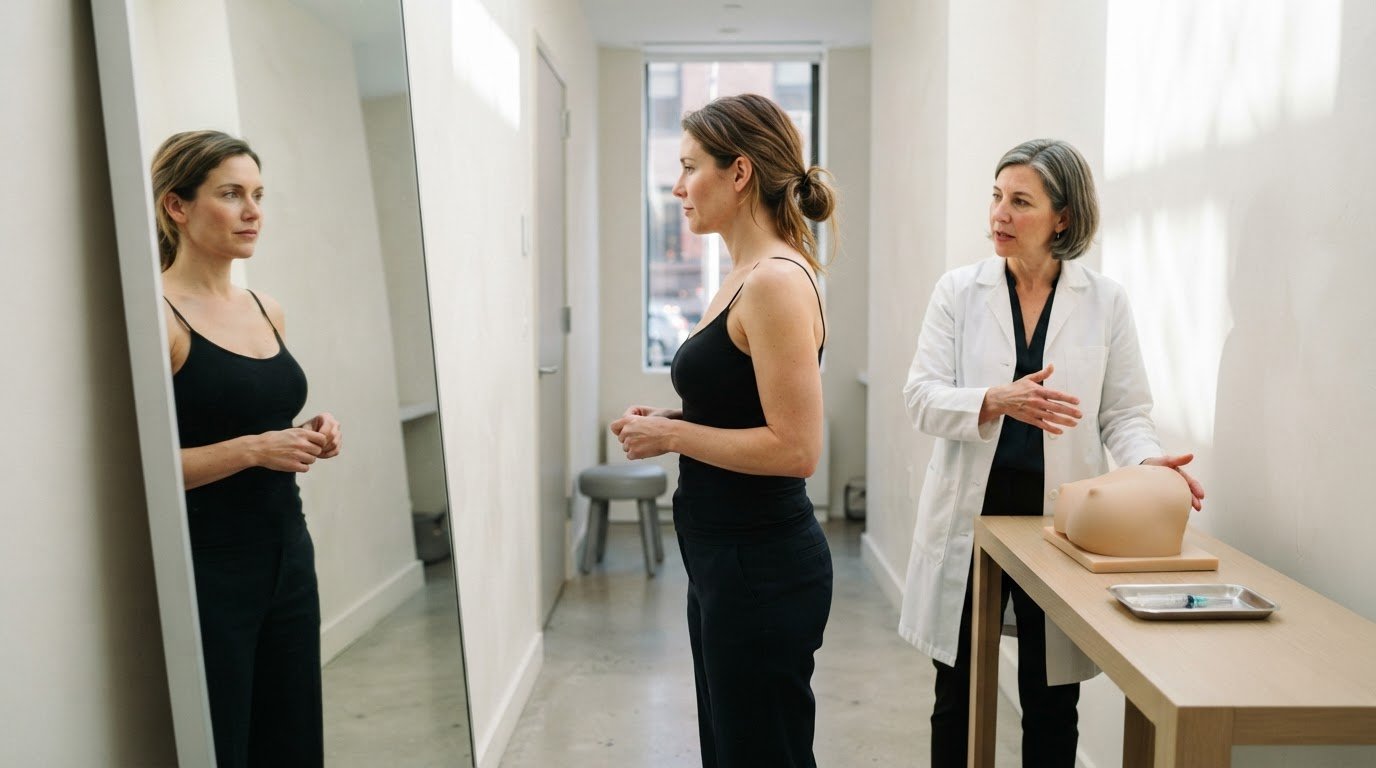
A change in appearance may support confidence, but it cannot create lasting self-worth on its own. Whether cosmetic surgery is worth it for self-esteem depends on why you’re considering it, the change you hope to see, and how clearly you understand its limits. It may help you feel more comfortable with a feature that has long concerned you, but it cannot guarantee a broader emotional transformation.
It’s understandable to hope that feeling better about your appearance will help you feel better about yourself. Cosmetic surgery is intended primarily to change appearance, so consider whether your hopes focus on a specific, achievable result or on resolving deeper distress.
This article explores how procedures may affect self-esteem, how motivation and expectations shape the experience, and what potential well-being benefits to weigh. It also explains why emotional readiness, realistic goals, and understanding possible risks matter when deciding whether surgery feels right for you.
Key Takeaways
- Clarify whether your goal is a specific appearance change or a broader emotional change before weighing a procedure.
- Realistic expectations help you assess what surgery may change, and what it can’t promise.
- Consider your motivations, possible risks, and emotional well-being as part of the decision.
- Explore how fat grafting to the breasts may fit your goals when you’re considering a change in breast appearance.
Can Plastic Surgery Boost Your Self Esteem?
Cosmetic procedures may support self-esteem when you want a specific, achievable change. Their psychological effects depend partly on body image, expectations, and whether your distress extends beyond appearance.
Body Image and Psychological Well-Being
Body image is how you perceive and feel about your appearance, and it can influence confidence, mood, and relationships. Persistent distress about one feature, for example, may affect social plans even when others barely notice it. Social media can intensify comparison by repeatedly showing edited images and narrow beauty ideals. Notice whether scrolling leaves you focused on a particular feature or feeling inadequate overall. That distinction can clarify what you hope a procedure might change.
Cosmetic Surgery and Self-Image
Self-image is the broader view you hold of yourself, while cosmetic surgery changes a physical feature. A procedure may ease discomfort with that feature, such as feeling self-conscious about facial imbalance in photographs. But changing your appearance doesn’t automatically reshape your beliefs about your worth or relationships. Ask whether your desired result is specific, such as feeling more at ease in photos, or whether you expect surgery to change how others treat you. That difference helps set a grounded goal.
Therapy Compared With Cosmetic Surgery
Therapy works with thoughts, emotions, and behavior; cosmetic surgery changes appearance through a physical procedure. Therapy may help when self-esteem concerns involve recurring comparison, harsh self-judgment, or strain in relationships, while surgery may address a distinct feature that causes discomfort. Surgery isn’t a substitute for professional mental health care. If you’re weighing both approaches, consider whether the concern remains distressing across situations, or centers on one feature. This comparison can help identify whether emotional support belongs in your decision.
Mental Health and Body Dysmorphic Disorder
Mental health concerns can shape expectations and satisfaction after surgery. People with body dysmorphic disorder may rarely feel satisfied through cosmetic surgery, and surgeons may recommend psychological support rather than perform a procedure. Signs worth discussing include intense, recurring distress about a perceived flaw, repeated checking or concealment, and difficulty accepting reassurance. These patterns don’t establish a diagnosis. If your concerns feel consuming, professional mental health support can help clarify them before a surgical decision. This matters because an operation changes appearance, not the underlying pattern of distress.
Cosmetic surgery and self-esteem
Cosmetic surgery is intended primarily to enhance appearance, and a specific change may contribute to higher self-esteem. The key question is how that change fits your hopes, daily comfort, and sense of yourself. For example, a patient seeking a subtle facial adjustment has a more concrete goal than someone expecting surgery to transform every relationship. Naming the feature and hoped-for change makes the distinction clearer.
Consider the full effects, not just the anticipated result. Surgery can involve complications such as infection, scarring, or reactions to anesthesia. A tummy tuck, for example, can flatten the abdomen but leaves a scar. Additional treatments or revisions can also add to the financial burden. Consider these possibilities because they may affect recovery, satisfaction, and how you feel about the result over time.
A useful next step is to describe your goal in observable terms. Instead of expecting to “feel confident everywhere,” you might hope to feel less self-conscious in a particular outfit or in photographs. Then consider whether that goal depends on changing one feature or on broader changes in mood and relationships. This reflection can help you distinguish an appearance concern from expectations that a physical procedure cannot address on its own.
Mayo Clinic recommends discussing your motives, desired outcomes, risks, and recovery with the surgical team. Bring specific examples, such as what bothers you and when it affects your routine. Ask how the proposed change relates to that concern, and consider what recovery and possible revisions would mean for your life. Deciding whether cosmetic surgery is worth it for self-esteem means weighing those practical details alongside your personal reasons. The aim is to decide based on your priorities, not pressure from social media, a partner, or a passing trend.

Motivations and expectations
Your reasons for considering surgery shape how you define success. A clear desired change gives you a more useful way to assess whether the outcome meets your hopes.
Motivations for Cosmetic Surgery
Motivation is the personal reason for choosing a procedure, and it matters because surgery should serve your own goals. Wanting a specific change, such as improved facial balance, differs from hoping to gain someone else’s approval. Facial surgery can adjust balance, but it can’t give you someone else’s face. Consider whether the choice feels positive and self-directed, rather than driven by pressure, comparison, or relationship conflict.
Setting and Managing Expectations
Realistic expectations describe the changes a procedure can achieve and the limits that remain. A facelift may make someone look younger, but it can’t make them look 25 years old. Cosmetic surgery also can’t achieve perfection or guarantee broader emotional change. To manage expectations, write down your desired outcome, then compare it with the procedure’s achievable effects and trade-offs. For example, a breast reduction may address breast size, but it doesn’t promise that every source of discomfort or dissatisfaction will disappear.
Factors in Post-Surgery Satisfaction
People are more likely to feel satisfied when their expectations match the outcome delivered. A review of 37 studies found that patients generally tend to be satisfied with cosmetic procedure outcomes. Satisfaction is more grounded when someone chooses surgery for their own confidence, understands its limits, and has discussed risks and recovery. Mayo Clinic recommends discussing motives, desired outcomes, risks, and recovery with the surgical team. These conversations help connect a personal goal with a realistic plan.
Before deciding, identify what would count as a positive result and what would remain unchanged. Choose a board-certified plastic surgeon, and proceed only when you feel comfortable with the doctor and practice. One surgeon advises proceeding only when you are 100% sure the choice is right for you. If a goal depends on changing someone else’s response, pause and examine that expectation. A considered decision makes room for both physical outcomes and emotional readiness.
Potential confidence and well-being benefits
Plastic surgery may enhance confidence when a physical change addresses a concern that affects everyday life. Potential benefits can be practical as well as emotional.
Cosmetic Surgery and Self-Confidence
Self-confidence is trust in your ability to take part comfortably in daily activities. Changing your appearance may ease self-consciousness about a specific feature, such as avoiding close-up photographs. The benefit is most meaningful when it supports a goal you value, rather than becoming the sole measure of your self-worth. Rhinoplasty may also improve breathing, adding a functional benefit alongside a change in appearance. Considering both outcomes gives you a fuller picture of what matters.
Surgery and Social Confidence
Social confidence means feeling more at ease in interactions, from meeting friends to attending work events. If concern about one feature leads you to avoid photographs or gatherings, a satisfying result may help you feel more comfortable participating. Still, social confidence also grows through supportive relationships and experiences beyond appearance. Recovery may temporarily affect your routine and social plans, so consider how healing fits your responsibilities and support system.
Duration of Psychological Benefits
Psychological benefits don’t follow a fixed timeline. They may continue while the physical change remains satisfying and supports your goals, but life events and changing expectations can also shape self-esteem. For example, feeling more comfortable in photographs may persist while confidence at work or in relationships develops separately. Consider which parts of your well-being you hope to support and how you’ll nurture them beyond recovery.
If your concern is specifically about eyelid appearance, explore eyelid surgery options as one way to discuss that physical goal.
Dr. Leonard Grossman: Fat Grafting to the Breasts
Dr. Leonard Grossman offers Fat Grafting to the Breasts for people considering a change in breast appearance. If your goal relates to breast shape or volume, learning about this option can help connect that physical aim with the expectations discussed above. It may be worth exploring when the choice reflects your preferences, rather than someone else’s pressure or a hope that surgery will resolve broader emotional concerns.
A thoughtful next step is to discuss the change you’re seeking, what matters most to you, and how the procedure relates to those goals. This keeps the decision centered on your priorities and helps make expectations clear. To learn more or discuss Fat Grafting to the Breasts, contact Dr. Leonard Grossman or visit drgrossman.com.
Make Your Next Step Your Own
Deciding whether cosmetic surgery is worth it for self-esteem means looking beyond a hoped-for change and asking what choice feels considered and personal. Give yourself time to reflect on what you want, what you’re prepared for, and whether your decision feels steady rather than urgent. That pause can help you move forward with greater clarity.
If you’re exploring a specific appearance goal, Dr. Leonard Grossman offers Fat Grafting to the Breasts, Fat Grafting to the Face, and Fat Grafting to the Buttocks. A conversation can help you discuss which option relates to your goals and raise the questions you want addressed. You don’t need to decide before you feel ready to talk.
Contact Dr. Leonard Grossman to start a thoughtful conversation about your goals and possible next steps. Your decision can be guided by your own priorities, with time and care at every stage.
Frequently Asked Questions
Why Is Cosmetic Surgery Good for Mental Health?
Cosmetic surgery isn’t a mental health treatment, although a specific appearance change may support well-being for some people. Someone bothered by a feature in work photos, for example, may feel more comfortable after a change. Distress tied to persistent anxiety or low mood needs attention beyond appearance. Untreated mental illness is identified as a contraindication, and psychological support can help address concerns before a surgical decision.
Does cosmetic surgery improve self-esteem and body image according to research?
Research indicates that patients generally tend to be satisfied with cosmetic procedure outcomes, and changing a feature may ease appearance-related discomfort. Satisfaction with a physical result isn’t the same as lasting self-esteem across work, relationships, and mood. To understand your own experience, note which situations you avoid or find difficult before treatment, then reflect on those same situations after recovery. This can clarify where change has occurred.
What are the emotional and physical risks of cosmetic surgery?
Physical risks include infection, scarring, and reactions to anesthesia. Recovery can affect routines and require practical support, while an outcome that differs from expectations may bring disappointment. Additional treatment or revision can extend the emotional and financial impact. Before deciding, consider who could support you during recovery and how you’d manage follow-up care if healing or the result requires further attention.
How much does cosmetic surgery cost in the United States, and does insurance cover it?
There’s no single price for cosmetic surgery in the United States. Cost depends on the case and is provided after a quote request; factors include the procedure, surgical complexity, anesthesia, facility, and possible additional treatment. Insurance coverage depends on the policy and reason for treatment, so don’t assume an aesthetic procedure is covered. Dr. Leonard Grossman doesn’t offer insurance-reimbursed medical procedures.
How can someone assess whether cosmetic surgery is right for them?
Assess the decision by writing down the feature you want to change, why it matters, and what result you’d consider meaningful. Then identify what you don’t expect surgery to change, such as work stress or relationship difficulties. Consider whether the choice feels like your own and whether you’re prepared for risks and recovery. If emotional distress feels consuming, address it with mental health support before deciding.
What questions should you ask a cosmetic surgeon before surgery?
Ask what physical change the procedure can achieve, what limitations or risks apply, and what recovery involves. Clarify whether additional treatment or revision could become relevant. You can also ask how the plan addresses your specific concern and whether alternatives are appropriate. Confirm that the surgeon is board-certified in plastic surgery, and discuss your expectations openly so the proposed approach aligns with your goals.