Skip to content

An advanced-sounding technique isn’t automatically the better choice. For liposuction for love handles, VASER uses ultrasound energy to loosen fat before removal, while traditional liposuction suctions fat through small cannulas. The right approach depends on your fat distribution, skin elasticity and contour goals.
If fullness at your waist persists despite your efforts, it’s understandable to want a clear picture of what surgery can and can’t change. Liposuction removes fat from targeted areas, but it doesn’t tighten loose skin. When fullness extends across the front and sides, treating the abdomen and flanks together may create a more continuous contour. This guide compares VASER and traditional liposuction, explains key recovery considerations, and outlines how to assess a surgeon and treatment plan.
Key Takeaways
- Compare the techniques by how they remove fat and how well they suit your contouring goals, rather than choosing by name alone.
- Learn why localized waist fullness may persist despite healthy habits, and what realistic contouring benefits can involve.
- Use surgeon credentials and preparation, including reaching a suitable weight, as important parts of planning.
- Consider whether treating the abdomen and flanks together could create a more continuous contour when fullness extends across both areas.
VASER Flanks vs Traditional Lipo: Which Is Better for Love Handles?
VASER uses ultrasound energy to loosen fat before removal; traditional liposuction removes fat through small cannulas. Both approaches can contour the waist, and neither is automatically better. The choice reflects fat distribution, skin elasticity, and whether the goal is subtle shaping or broader flank definition.
The flanks are the sides of the lower waist, extending toward the back. Treating the full flank area can include the front and back sides, including the area just above the buttocks. These localized fat deposits may make the waist look wider. Targeting them can define the contour when skin elasticity supports the change.
Non-surgical fat-reduction treatments differ from liposuction because they don’t use cannulas to suction fat from the body. Liposuction physically removes fat cells from the treated area. There is no single safe amount that applies to everyone; body size, fat distribution, skin quality and the overall treatment plan all matter.
Potential risks of flank liposuction include bruising, infection and uneven results. During consultation, the surgeon assesses your flanks, skin elasticity and desired contour, then discusses the treatment area and technique. During the procedure, a cannula suctions fat through small access points; VASER first uses ultrasound energy to loosen it. Patients are generally advised to wear a compression garment afterward, while swelling gradually improves over the following weeks.
When fullness extends across the front of the abdomen, combining flank and abdominal liposuction may create a more continuous contour. Abdominal treatment targets excess fat at the front, while flank treatment addresses the sides and back. A tummy tuck is a different consideration if loose abdominal skin is also a concern, because liposuction alone doesn’t tighten skin.
WHAT ARE THE BENEFITS OF LOVE HANDLE LIPOSUCTION?
Love handles can remain noticeable despite consistent diet and exercise. These habits support overall weight management, but they don’t always reshape one stubborn area to match the rest of the waist. Liposuction offers a different approach by removing fat cells from a targeted area. It can contour a specific region, but it isn’t a substitute for maintaining a healthy weight or a way to treat weight gain across the body.
Results can last when your weight remains stable after surgery. A steady eating pattern and regular exercise support that stability and help preserve changes to the waistline. Think of treatment as changing the flank contour, while everyday habits help maintain that change. If weight increases, remaining fat cells can enlarge and soften the result. A consultation can help clarify whether your goal is to address isolated flank fullness or broader weight changes that should be addressed first.
Recovery shapes the return to normal routines. Light activity is generally possible within a few days after treatment, and many patients return to work within a few days after surgery. Workout timing is more cautious: one surgeon recommends waiting at least 4 weeks before resuming workouts, while another advises avoiding vigorous exercise for 6 weeks. Strenuous exercise should wait until the healthcare provider approves it. Early exertion can increase swelling, so follow the recovery plan rather than using comfort alone to judge readiness.
Plan for a gradual return to activity: begin with light movement, then resume exercise only when cleared. Recovery can range from a few days to weeks, depending on the activity and individual healing. More demanding work tasks and regular exercise may resume a few weeks after surgery. Keep your weight steady as healing continues, then maintain regular activity once exercise is appropriate. These habits support the contour created by surgery without making it a replacement for long-term weight management.

Choosing a surgeon and preparing for surgery
A surgeon’s judgment shapes the treatment plan, and preparation helps you set clear goals. For flank surgery, focus on credentials, the areas you want treated and readiness to maintain a stable weight.
Selecting a Surgeon
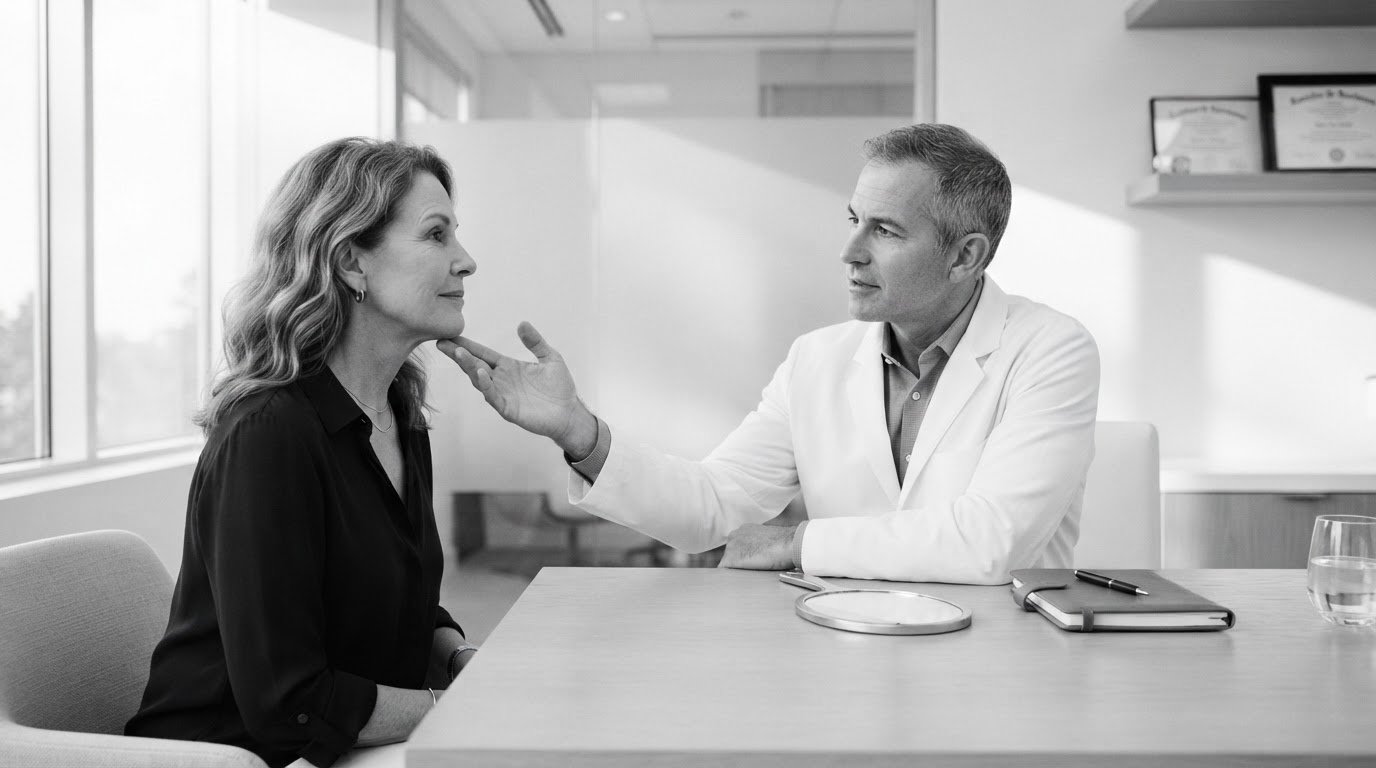
Choose a board-certified plastic surgeon before considering cosmetic surgery. Liposuction requires decisions about fat removal, body contour and the relationship between the flanks and abdomen. During consultation, describe the areas that concern you and the change you hope to see. Ask how the proposed plan addresses those areas rather than judging suitability by a technique’s name alone.
Preparing for Surgery
Working toward a suitable, stable weight before surgery can support treatment planning and outcomes. A stable weight also gives the surgeon a clearer view of your natural proportions when planning flank treatment. Consider whether your goal is localized contouring or broader weight loss: traditional liposuction removes targeted fat, but it isn’t a weight-loss method. Discuss your expectations and treatment priorities during consultation.
Use the consultation to map the treatment area in plain terms. Ask whether your concern involves the front flanks, back flanks or both, and whether abdominal fullness affects the overall contour. This connects your desired result with the areas under consideration. Mention any loose skin, since liposuction alone doesn’t tighten it.
Before surgery, make a practical plan for recovery and daily responsibilities. Arrange support for tasks that may be difficult immediately afterward, and follow the surgeon’s instructions about activity and care. Aim to maintain a stable weight as you prepare, rather than pursuing rapid changes that could alter the contours being assessed. Clear expectations, a focused treatment plan and thoughtful preparation help you understand what the procedure can realistically achieve.
Combining love handle liposuction with abdominal liposuction
Flank and abdominal liposuction can be combined when fullness extends across the waist. Abdominal liposuction addresses excess fat at the front, while flank treatment targets the sides and back. For example, someone concerned about both a lower-abdominal bulge and fullness above the hips may benefit from a plan that considers how these areas meet.
Assessing both areas together gives a more connected view of the waistline. Treating only the front may leave side fullness prominent; treating only the flanks may leave abdominal fullness unchanged. A balanced contour depends on where fat sits, how the areas transition and the patient’s skin elasticity. Liposuction removes fat from targeted areas, but it doesn’t tighten loose skin.
During planning, describe the appearance you want to change, not just the body part you want treated. For example, distinguish fullness at the front of the abdomen from fat that extends around the waist toward the back. This helps define whether your goal involves one area or a broader contour. Love handles are also called a muffin top, but visible fullness may extend beyond the flanks into the abdomen.
A tummy tuck combined with liposuction may be considered when abdominal concerns include both excess fat and loose skin. The procedures address different features: liposuction removes fat, while a tummy tuck can address loose abdominal skin. Adding flank treatment doesn’t make liposuction alone a skin-tightening procedure.
Combining areas also means planning around the full treatment and recovery, rather than viewing each zone in isolation. Discuss which areas are being treated, how their contours relate, and whether loose skin affects the desired appearance. Discuss your liposuction goals as a next step toward understanding how a combined plan may address your waistline concerns.
Dr. Leonard Grossman: Fat Grafting to the Breasts
Dr. Leonard Grossman offers Fat Grafting to the Breasts as a separate option for people considering breast enhancement alongside body contouring. Flank liposuction addresses localized waist fullness; breast fat grafting serves a different aesthetic goal and isn’t a treatment for love handles. It may be relevant if you’re also exploring changes to breast shape or volume, with suitability depending on your individual goals and anatomy.
Keeping these goals distinct can help you focus consultation on the outcome you want from each procedure. If breast enhancement is part of your plans, discuss how Fat Grafting to the Breasts may fit your goals with Dr. Leonard Grossman.
Contact Dr. Leonard Grossman to discuss your cosmetic surgery goals.
Take the Next Step Toward a Thoughtful Plan
If you’re considering liposuction for love handles, make your next step a conversation about the result you want, not just the procedure name. Be clear about your priorities, including which changes matter most and what would feel balanced for your body. This focus can turn broad hopes into a useful discussion.
Your aesthetic goals may also involve areas beyond the waist. Dr. Leonard Grossman offers Fat Grafting to the Breasts, Fat Grafting to the Face and Fat Grafting to the Buttocks. These are distinct procedures for distinct goals, and considering them separately can keep each decision focused on what you want to change.
When you’re ready to explore your goals, contact Dr. Leonard Grossman. A considered next step can help you move forward with clarity and confidence.
Frequently Asked Questions
How does liposuction for love handles work?
Liposuction for love handles removes localized fat through a thin cannula inserted through small access points. Traditional liposuction suctions fat directly, while VASER uses ultrasound energy to loosen it first. The surgeon plans treatment around the flanks, which may include the sides and back of the waist. Liposuction contours the body; it isn’t a method for overall weight loss or tightening loose skin.
Who is a good candidate for love handle liposuction?
A suitable candidate generally has localized flank fat, a stable weight and goals focused on contour rather than major weight reduction. Skin elasticity also matters because it affects how the area may settle after fat removal. Working toward a suitable weight before surgery can support treatment planning. Loose skin is a separate concern, since liposuction alone doesn’t remove or tighten it.
What is the average cost of love handle liposuction in the United States?
The price depends on the individual case. Factors include the treatment areas, the extent of fat removal and whether abdominal liposuction is included. A quote should reflect the planned procedure rather than a general average. Treating both flanks differs from treating the flanks and abdomen together, so the scope of treatment matters.
What is recovery like after love handle liposuction, and how long does it take?
Recovery can range from a few days to weeks, with swelling gradually improving over the following weeks. Light activity and a return to work may be possible within a few days, while strenuous exercise should wait for medical approval. Patients are generally advised to wear a compression garment after flank treatment. The timing of a return to exercise depends on healing and the activity involved.
How long do love handle liposuction results last, and can fat return?
Results can last when your weight remains stable because liposuction physically removes fat cells from the treated area. The remaining fat cells can still enlarge with weight gain, changing the waistline over time. Final contour results typically appear around three to six months after treatment. Maintaining a steady weight and continuing regular exercise can help preserve the improvement.
How do I find a board-certified plastic surgeon for love handle liposuction near me?
Look for a board-certified plastic surgeon who performs liposuction and can assess your flank goals directly. During consultation, discuss the areas you want treated, your desired contour and how skin elasticity affects the plan. Dr. Leonard Grossman offers liposuction. A focused discussion can help you understand whether flank treatment fits your goals and what preparation involves.