Skip to content


Facelift scars often become less noticeable as they heal, but they may not disappear completely. To understand how to hide facelift scars, begin with incision placement: surgeons can position incisions in natural folds around the ears and along the hairline. After the incision has fully closed and your surgeon has cleared you, silicone gel or sheets may support smoother healing.
It’s understandable to feel concerned if a scar looks raised or discolored early in recovery. Scars continue to mature, and their final appearance may take a year or longer to emerge. This article explains how incision placement and silicone may help, how to protect healing skin, and when to discuss makeup or professional scar treatments with your surgeon. If a scar starts thickening or reddening, your surgeon can assess it and discuss appropriate next steps.
Key Takeaways
- Incisions placed along hairlines, natural folds, and ear contours can be less conspicuous, though scars may remain visible as they heal.
- Silicone gel or sheets may support smoother healing after the incision has fully closed and your surgeon has cleared their use.
- Protect healed incisions from sun exposure, and follow your surgeon’s care instructions while the scars mature.
- If a scar thickens or reddens, speak with your surgeon about its healing and whether treatments such as lasers or injections may be appropriate.
Professional scar treatments, including lasers and injections
A raised, red, or uneven facelift scar may need a different approach from lingering discoloration. A clinician may consider laser treatment for color or texture concerns, or injections for a raised, thickened scar. The choice depends on the scar’s appearance, location, and healing stage. Treatments may improve visibility, but cannot promise an invisible line.
In the United States, treatment costs depend on the approach, the scar’s characteristics, and the care involved. Insurance coverage also depends on the plan and the treatment’s medical purpose, so there is no single rule for every patient.
Facelift scars commonly follow the hairline and the natural contours in front of and behind the ears. Healing continues for months, and a scar may take a year or more to mature. During that time, redness, firmness, and visibility can change, so an early appearance does not show the final result.
Silicone gel or sheets may help limit scar thickening and support smoother healing after an incision closes. Use silicone and sunscreen only once the incision has fully closed and your surgeon has cleared them, usually a couple of weeks after surgery. Over-the-counter scar creams and moisturizers may keep surrounding skin comfortable, but their ingredients vary, and they do not replace silicone or professional assessment. Avoid applying products to open or irritated skin.
Scar massage can generally begin about two weeks after surgery, with gentle pressure over a closed incision; follow your surgeon’s instructions and stop if the area becomes painful or irritated. Follow-up visits let the surgeon track changes and discuss options. The ideal window for treating post-surgical scars for optimal improvement is from the end of week four to the end of week 12. Scars can be revised, but timing depends on their healing and whether they’re still flattening or changing; discuss the approach with the surgeon who performed the facelift.
Facelift incision placement around the ears and hairline
Incisions follow natural contours, allowing hair and the folds around the ears to help soften their visibility. Placement also affects how you protect the area during recovery.
Incision Locations
A facelift incision may run through the natural crease in front of the ear, around the earlobe, and behind the ear. Some incisions extend into the hairline above or behind the ear, where hair can help conceal the line. An incision beneath the chin may be used when a neck lift is included. These locations matter because each contour offers a different way to reduce a scar’s visibility.
Technique and Incision Tension
Modern facelift technique can reposition deeper facial tissues rather than relying on tight skin pulling. Surgeons may tighten the underlying SMAS layer before closing, reducing tension on the sutures. Fine micro-sutures are also used to close incisions. Lower tension can support smooth healing, although it doesn’t make a scar invisible. During the first 1-2 weeks, incisions may look raised or discolored. Swelling and bruising often peak around day 3, then gradually improve.
Keeping the site clean supports recovery: use the prescribed antiseptic, pat the area dry with a clean, soft towel, and apply ointment or dressings as directed. A wound check and stitch removal typically occur 1 week after surgery. Contact the surgeon’s office about increasing redness or warmth, drainage, excessive swelling, or worsening pain.
Concealing Incisions Safely
Wait until your surgeon clears you before applying makeup or concealer to residual scar color. Makeup and hair products can interfere with keeping a healing incision clean, so keep them away until then. Loose hair can shade a hairline scar; soft clothing or a hat can provide coverage without rubbing or pulling. After the incision heals, use broad-spectrum SPF 50+ sunscreen; reapply every two hours outdoors. A wide-brimmed hat adds shade, while tight hairstyles and accessories that tug near the ears can strain healing skin.

Silicone gel and silicone sheets
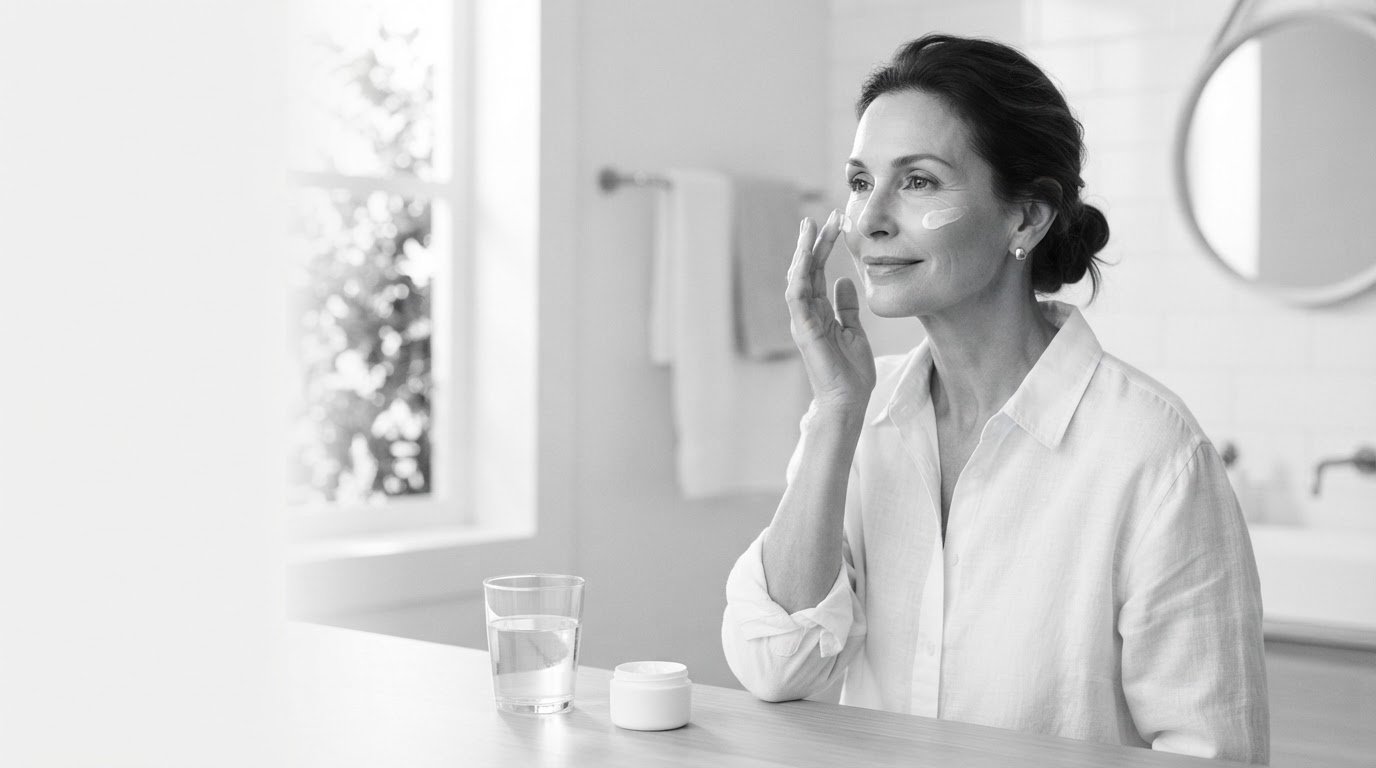
Silicone gel and sheets are topical options for supporting facelift-scar healing, not instant camouflage. Once an incision is fully closed, silicone may help limit thickening and encourage a smoother texture. Timing matters: start only after your surgeon clears the incision, usually a couple of weeks after surgery. Applying silicone to an open area may interfere with proper wound care, so wait for clearance.
Gel and sheets offer different ways to cover a scar. Gel may be easier to spread over curved areas near the ear, while a sheet can sit over a flatter section. Follow the product instructions and your surgeon’s directions for application and wear. Keep the skin clean, and do not place a sheet over an incision that is open, irritated, or draining.
For a careful routine, first confirm that the incision has closed and your surgeon has cleared it. Apply the silicone product as directed, without pulling or rubbing the healing skin. If a sheet shifts or gel irritates the area, pause and ask your surgeon how to adjust your care. Avoid layering several scar treatments unless your care team recommends that combination.
Silicone can support scar management, but it will not erase a surgical line or guarantee an invisible result. Scars can change in color, firmness, and texture as healing progresses. Compare the same area under similar lighting rather than judging changes at a glance. If a facelift scar becomes increasingly raised or red, tell your surgeon. Its appearance can help determine whether silicone remains appropriate or other treatments merit discussion.
Consulting the surgeon who performed the facelift
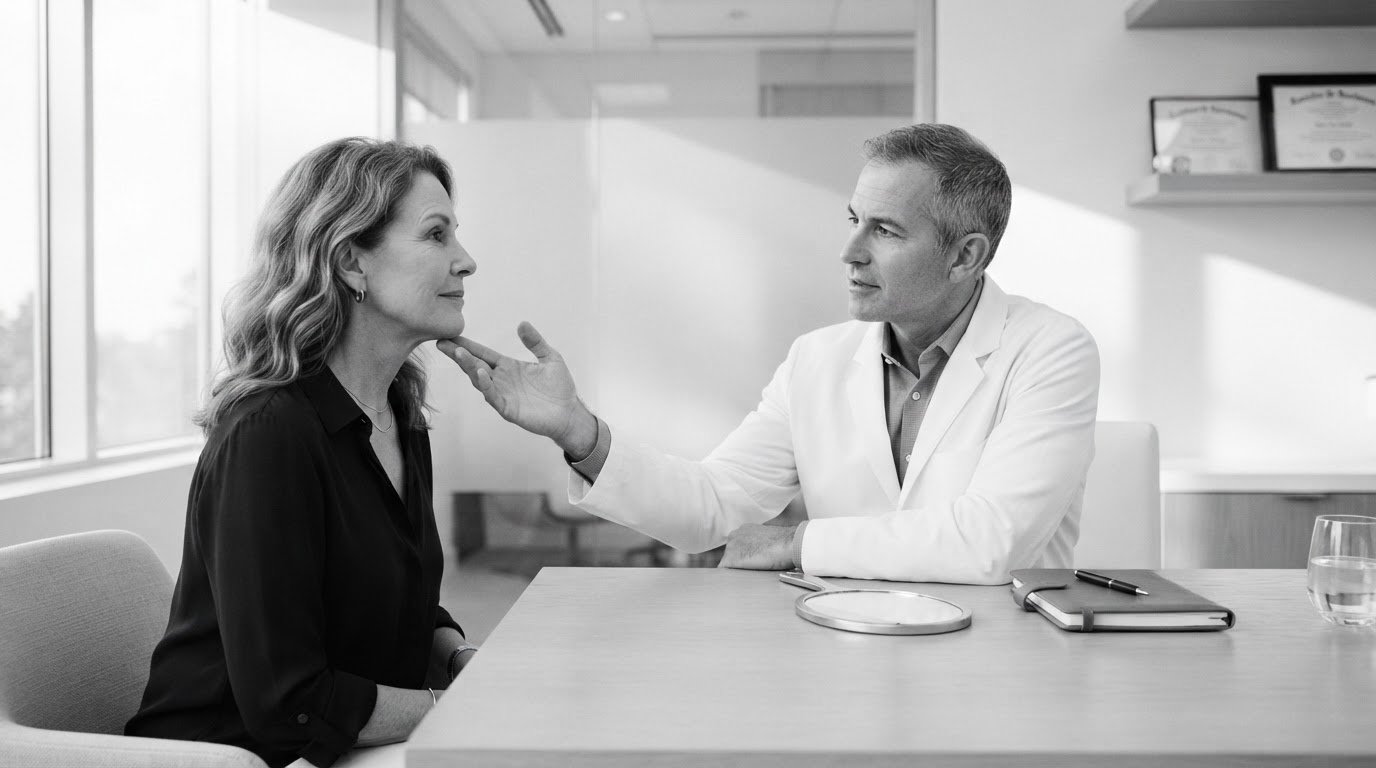
The surgeon who performed your facelift knows the incision plan and operative details. That context helps connect a visible change with your procedure and recovery. At follow-up, describe what you notice, such as increasing redness, thickening, tenderness, or a change in the scar’s outline. Note when the changes began and list products, including silicone, used on the area. Clear details help your surgeon assess healing and discuss appropriate next steps.
Timing matters because facial scars keep changing after surgery. The ideal window for treating post-surgical scars for optimal improvement is from the end of week four to the end of week 12. Scars can continue maturing for a year or more, so the surgeon can compare changes over time rather than judge only one visit. Ask how the scar’s color, firmness, and texture fit its healing stage, and whether observation or treatment makes sense now.
If a scar starts thickening or reddening, contact your surgeon’s office rather than adding a cream or treatment yourself. The same applies to increasing warmth, drainage, excessive swelling, or worsening pain. These changes need prompt clinical attention. Before using makeup to cover residual color, wait for your surgeon’s approval. Mention any irritation after silicone use, too, since both the product and the incision matter when planning care.
Use the visit to clarify the plan. Ask which changes to track, when to return for assessment, and what might prompt a treatment discussion. If you have questions about a plastic surgeon’s certification, raise them directly with the surgeon who performed your procedure. Keep notes and take consistent photographs, since lighting and camera angles can change how a facial scar appears. Ongoing discussion helps distinguish normal maturation from a change that needs attention.
Dr. Leonard Grossman: Fat Grafting to the Breasts
Dr. Leonard Grossman offers Fat Grafting to the Breasts for people exploring breast enhancement, a separate goal from facelift-scar care. The procedure transfers a person’s own fat to the breasts to add volume and shape. It may be worth discussing if your priority is breast contour rather than scar appearance. For concerns about a healing facelift incision, continue follow-up with the surgeon who performed it. Breast fat grafting does not conceal or treat facial scars.
If you’re considering this option, learn more about Fat Grafting to the Breasts and how it may relate to your aesthetic goals. You can contact Dr. Leonard Grossman to discuss the procedure.
Choose a thoughtful next step for your aesthetic goals
A thoughtful plan for how to hide facelift scars starts with identifying what concerns you most: color, texture, or how the line looks in certain lighting. Consider what change would feel meaningful, then discuss that goal with your surgeon. A realistic conversation can distinguish scar care from other aesthetic goals, so each concern receives appropriate attention.
Dr. Leonard Grossman offers Fat Grafting to the Breasts, Fat Grafting to the Face, and Fat Grafting to the Buttocks. These are options for body contouring, not treatments for facelift scars. If you’re considering a procedure or want to discuss your aesthetic goals, contact Dr. Leonard Grossman to begin a conversation. Take the next step at a pace that feels right for you, with clear priorities and a thoughtful plan.
Frequently Asked Questions
Can Scars Ever Be Invisible?
Facelift scars can become difficult to notice, but they cannot be promised to disappear completely. Even carefully positioned incisions leave a healing line, and individual skin characteristics affect its appearance over time. If you’re considering how to hide facelift scars, distinguish visual camouflage from scar treatment: makeup may cover color once your surgeon clears it, while medical treatments aim to improve the scar itself. Your surgeon can assess changes as healing progresses.
What Can Patients Do to Improve Facelift Scars?
Support healing by following your prescribed medication plan and postoperative instructions. Stay hydrated and eat a balanced diet with protein, vitamins, and minerals to support collagen production. Avoid smoking or vaping because nicotine restricts blood vessels and reduces circulation needed for skin repair. Excessive alcohol can slow healing and increase swelling. Do not pick at healing skin or put tension on incisions, and report concerning changes to your surgeon.
How can I reduce the appearance of facelift scars during healing?
Protect the incision from avoidable irritation, and clean it using the method your surgeon prescribed. For example, pat the area dry rather than rubbing, and use ointment or dressings only as directed. Once the skin has healed, sun protection can help prevent scars from darkening. If you notice increasing redness, warmth, drainage, swelling, or worsening pain, contact your surgeon’s office.
Which scar treatments work after a facelift, such as silicone gel, sheets, or laser therapy?
Silicone gel or sheets may support smoother healing and limit scar thickening after the incision closes and your surgeon approves their use. Laser treatment may be considered for scar color or texture, while injections may be an option for a raised, thickened scar. These treatments address different concerns, so the scar’s characteristics guide the discussion. Do not combine products or treatments without your surgeon’s guidance.