Skip to content
If your face looks more tired than you feel, you’re not imagining it. Facial aging isn’t just about fine lines or loose skin. One of the biggest—and most overlooked—changes is loss of volume. Over time, fat naturally diminishes in areas like the cheeks, temples, jawline, and midface. When that support disappears, the face can look hollow, flat, or older, even if the skin itself isn’t badly wrinkled.
Dr. Leonard Grossman’s approach to facial rejuvenation focuses on restoring that lost volume using your own tissue. This philosophy is why more Brooklyn and NYC patients are turning to fat grafting as a natural, long-lasting option for facial rejuvenation.
What Is Fat Grafting (Fat Transfer)?
Fat grafting—also called fat transfer or a “Fat Lift”—is a procedure that moves fat from one area of your body to another. For facial rejuvenation, fat is typically taken from areas like the abdomen or thighs and carefully transferred to areas of the face that have lost volume.
Because your own tissue is used, the result looks and feels natural. Unlike manufactured fillers, fat grafting does not rely on synthetic materials that are eventually absorbed and disappear. Instead, the goal is to create long-term, stable volume that restores your face closer to how it looked when you were younger—without changing who you are.
Why Volume Loss Matters as Much as Sagging Skin
Many people think facial aging is mainly caused by sagging skin. In reality, fat and some muscle loss play a major role. When volume disappears, the skin drapes over a weaker foundation, making the face look tired or deflated.
By restoring volume to the right areas, the face often looks healthier and more youthful—without looking tight or “overdone.” Fat grafting is about restoration, not pulling or reshaping the face into something new.
Why Brooklyn and NYC Patients Prefer Fat Transfer
Brooklyn patients tend to be practical. They want results that look good in real life—not just in photos—and they want outcomes that make sense.
Fat grafting appeals to many NYC patients because:
- Your body already has excess fat in certain areas
- That fat can be repurposed to restore youthful facial contours
- The results look natural and believable
Dr. Leonard Grossman is recognized as the first plastic surgeon in the world to incorporate fat grafting throughout the face and body, bringing decades of experience and refinement to the technique. With offices in both Brooklyn and Manhattan, patients also appreciate the convenience of accessible consultations and follow-up care.
Common Areas Treated With Facial Fat Grafting
Most patients are not trying to add new features—they want to restore balance and softness. Fat grafting is commonly used to improve:
- Cheeks that have flattened over time
- Temples that appear hollow
- Jawline areas where volume loss can reduce definition
- Buccal hollows that create a sunken appearance
Many patients also notice improvements in skin quality after fat grafting. This is why the procedure is often associated with skin rejuvenation, including smoother texture, refined pores, improved tone, and a healthy glow.
What Makes Dr. Grossman’s Planning Approach Unique
One of the most reassuring aspects for patients is how carefully facial volume restoration is planned. Dr. Grossman reviews photographs from a patient’s younger years—typically between ages 16 and 25—to understand where volume naturally existed before aging occurred.
This reference helps guide precise fat placement, so the final result looks like you, just refreshed and more youthful. This approach is especially valuable for patients who worry about looking overfilled or unnatural. The goal is harmony, not exaggeration.
What to Expect on the Day of Treatment
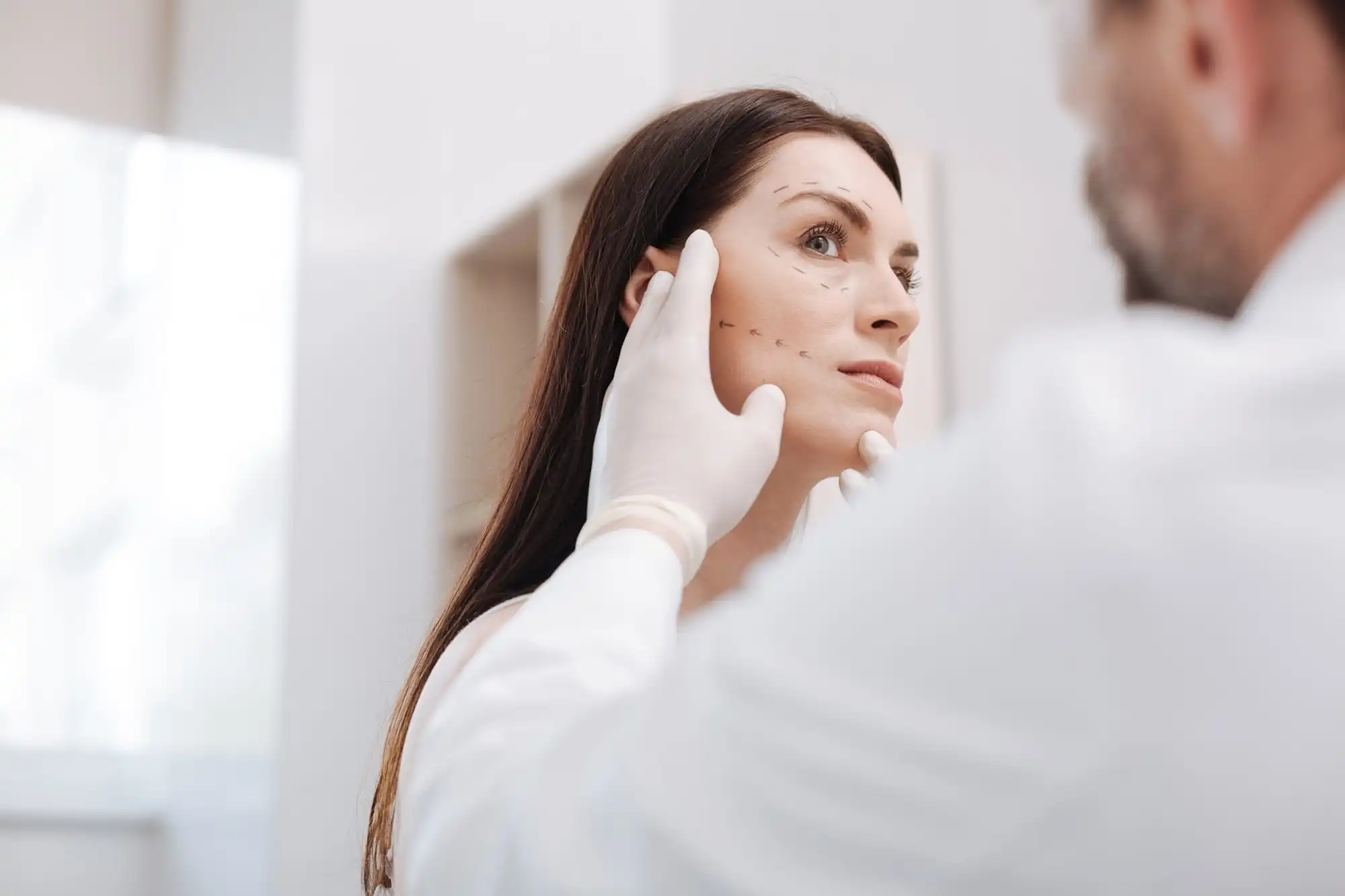
On the day of the procedure, donor and treatment areas are marked, and younger reference photos are displayed in the operating room to guide placement. Fat grafting is usually performed under twilight sleep for patient comfort.
Fat is gently removed using a blunt needle and syringe to minimize trauma. After harvesting, the fat is carefully processed, cleansed, stabilized, and centrifuged to maximize fat cell and stem cell viability. The purified fat is then injected into the face with precision.
Unlike traditional facelifts that rely on pulling skin tight, fat grafting restores volume. Much like reinflating a deflated balloon, restoring volume can make the face appear tighter and smoother—without an artificially pulled look.
Recovery and Common Patient Questions
Downtime is one of the most common concerns, especially for patients with busy lives. Dr. Grossman’s techniques are designed to:
- Avoid compression garments
- Avoid narcotic pain medications
- Eliminate the need for special pillows
Swelling and bruising are usually mild and often resolve within about two weeks. Many patients return to normal daily activities within days.
Important considerations include:
- Smoking can impair healing and fat survival, so patients are advised to stop several weeks before and after surgery
- Significant weight changes can affect results, since transferred fat behaves like normal fat
- Fat grafting is considered safe for all skin types
Beyond the Face: Other Uses for Fat Grafting
Patients often ask whether fat grafting can be used elsewhere. In addition to facial rejuvenation, fat transfer is commonly used for:
- Breast fat grafting
- Body contour enhancement
- Buttock enhancement
- Calf augmentation and bow-leg correction
Dr. Grossman is the inventor of advanced calf augmentation techniques and has performed over 12,500 procedures in this and other areas.
Setting Realistic Expectations
When reviewing fat grafting before-and-after photos, it’s important to focus on subtle but meaningful improvements: smoother transitions, restored contours, and a rested appearance—without visible scars.
Durability is another key benefit. Fat grafting techniques are designed to maximize fat cell survival and long-term retention. During your consultation, you’ll learn what results are realistic based on your anatomy, goals, and lifestyle.
Ready to Look More Like Yourself Again?
If facial hollowing, loss of definition, or a tired appearance doesn’t reflect how you feel, fat grafting may be worth exploring—especially if you prefer natural volume restoration using your own tissue.
If you’re considering Sheepshead Bay fat transfer or facial fat grafting in NYC, a consultation with Dr. Leonard Grossman can help determine candidacy, treatment areas, and expected outcomes.
Bring photos from a time when you felt you looked your best—they are an important part of the planning process.
For patient results and ongoing education, follow Dr. Grossman on Instagram and Facebook.
Reveal a more youthful you—schedule your consultation today.